

“`html
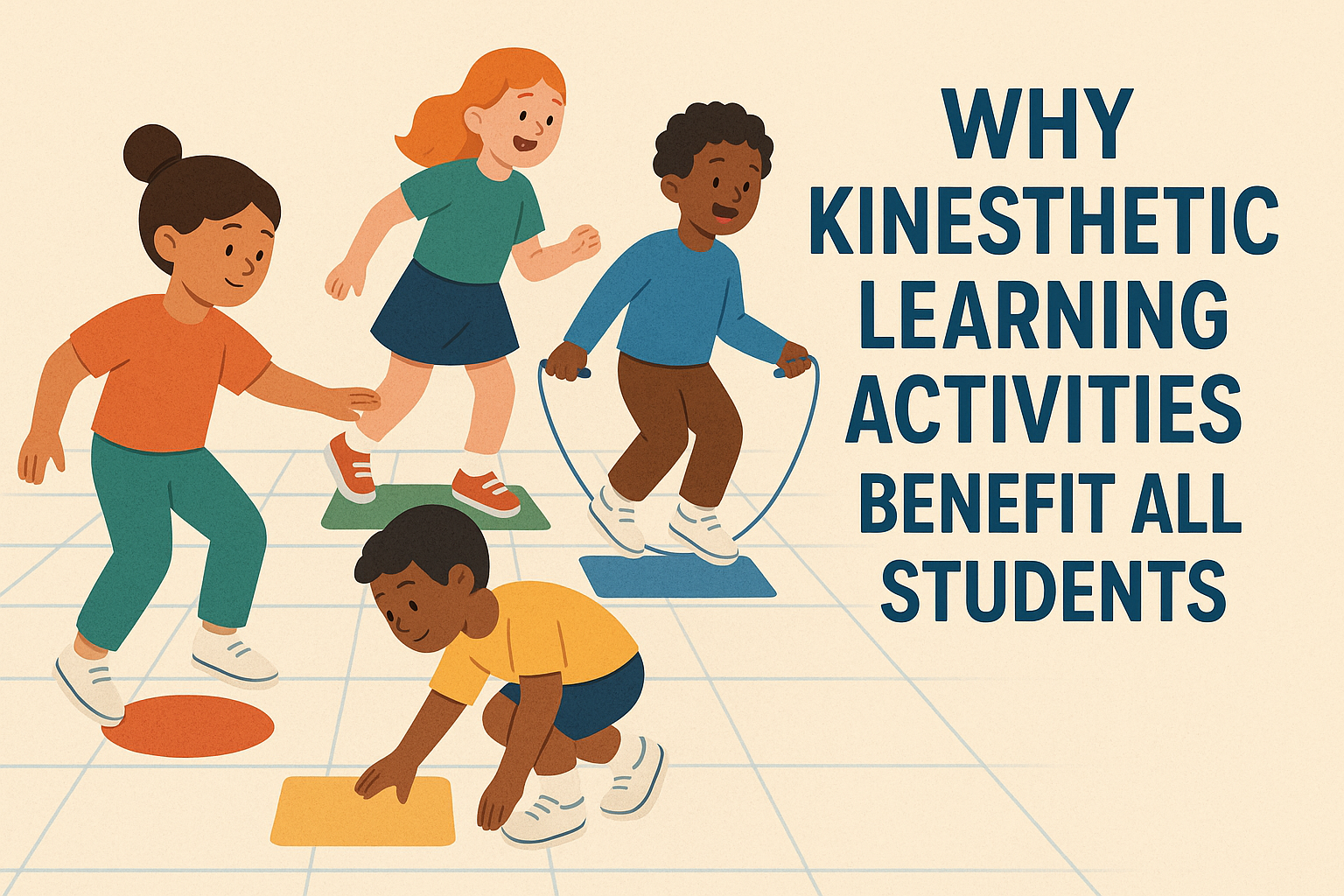
Education is evolving, and traditional methods of teaching are being complemented — and sometimes replaced — by innovative strategies that cater to diverse learning styles. One approach gaining traction is the use of kinesthetic learning activities. These activities emphasize movement and physical engagement, allowing students to learn through doing rather than just listening or reading. This article explores the significance of kinesthetic learning, its benefits for all students, and practical ways to implement these activities in various educational settings.
Understanding Kinesthetic Learning
Kinesthetic learning, often referred to as tactile learning, is a style in which students learn best through physical activities. While some students may excel with auditory or visual learning methods, kinesthetic learners thrive when they can engage in hands-on activities. This form of learning is not limited to any specific age group; it can be beneficial from early childhood education up through higher education and beyond.
The concept of kinesthetic learning is not new. Educational theorists like Howard Gardner, known for his theory of multiple intelligences, have long advocated for recognizing various learning styles, including bodily-kinesthetic intelligence. This awareness helps educators develop strategies that embrace movement as an essential component of the learning process.
Why Kinesthetic Learning Activities Are Essential
Incorporating kinesthetic learning activities into the classroom has become increasingly important for several reasons:
- Engagement: Students are more likely to focus and retain information when they are physically engaged. Kinesthetic activities break the monotony of traditional lectures and draw students into the learning experience.
- Memory Retention: Research indicates that students who participate in hands-on learning typically have better memory retention. Active participation allows learners to create connections, making it easier to recall information later.
- Collaboration: Many kinesthetic activities require teamwork and collaboration, promoting social skills and communication among students. These interactions can also foster a sense of belonging and community within the classroom.
- Physical Health: Kinesthetic learning encourages movement, which can help combat sedentary behavior prevalent in modern education. Movement is not only beneficial for physical health, but it can also enhance cognitive function.
Examples of Kinesthetic Learning Activities
There’s no shortage of creative kinesthetic learning activities that can be adapted to various subjects and age groups. Here are a few effective examples:
1. Science Experiments
In science classes, hands-on experiments allow students to observe concepts in action. Instead of merely reading about chemical reactions, students can mix substances and witness the results firsthand. This not only solidifies their understanding but also ignites curiosity and enthusiasm for the subject.
2. Interactive Math Games
Math can often seem abstract, but incorporating physical elements can make it more tangible. Activities like using blocks to represent numbers or engaging in outdoor math scavenger hunts help students visualize mathematical concepts and apply them in real-world scenarios. See also Howard Gardner's insights.
3. Role-Playing and Simulations
In subjects like history or literature, role-playing can bring stories and events to life. Students can reenact historical events or assume the roles of characters in a story. This engagement not only enhances understanding but also fosters empathy as they explore different perspectives. (See: learning styles and development.)
4. Arts and Crafts
Art projects inherently involve kinesthetic learning. Whether it’s sculpting, painting, or building models, these activities allow students to express themselves creatively while reinforcing concepts learned in other subjects, such as geometry or biology.
5. Movement Breaks
Incorporating short movement breaks between lessons helps rejuvenate students’ focus and energy levels. Simple stretching, dancing, or even a quick game can reset attention spans and improve overall classroom dynamics.
Research Backing Kinesthetic Learning
Numerous studies support the benefits of kinesthetic learning activities. A study by the University of Virginia found that students who participated in active learning through kinesthetic exercises had higher engagement and academic performance. Additionally, the American Psychological Association highlights that physical activity can enhance cognitive processing, linking movement with improved learning outcomes.
Notably, a report from the National Center for Learning Disabilities emphasizes that kinesthetic learning strategies can be particularly effective for students with learning differences, such as dyslexia or ADHD. These students often struggle with traditional methods but flourish when they can integrate movement into their learning.
Implementing Kinesthetic Learning in the Classroom
For educators looking to adopt kinesthetic learning activities, planning and flexibility are key. Here are some actionable strategies to incorporate these activities into your curriculum:
- Assess Learning Styles: Understanding the learning preferences of your students can guide you in integrating kinesthetic elements effectively. Surveys or observations can help identify which students may benefit most from these methods.
- Start Small: You don’t have to overhaul your entire teaching approach overnight. Begin by incorporating a few kinesthetic activities into existing lesson plans. Over time, you can expand and adapt as you see what works best.
- Collaborate with Colleagues: Sharing ideas with fellow educators can lead to creative new approaches. Collaborate on interdisciplinary projects that combine different subjects, allowing for more extensive kinesthetic learning opportunities.
- Utilize Technology: Leverage technology to create interactive kinesthetic experiences. Virtual reality (VR) applications can simulate hands-on activities, bringing lessons to life in exciting ways.
Challenges and Considerations
While the benefits of kinesthetic learning activities are clear, there are challenges to consider. Classroom space can limit the extent to which these activities are implemented. Not all classrooms are designed for movement, which can make execution difficult. Additionally, teachers may face time constraints in covering required curricula, leading to hesitation in adopting new methods.
To overcome these barriers, educators can start by modifying existing lessons to include elements of movement rather than completely restructuring their teaching. For instance, instead of a standard lecture, a teacher might have students move to different stations to gather information or complete tasks.
The Future of Kinesthetic Learning in Education
As education continues to evolve, the focus on student-centered learning is becoming paramount. Kinesthetic learning activities align perfectly with this trend, promoting engagement and inclusivity. With the rise of innovative educational technology and recognition of diverse learning styles, the potential for kinesthetic learning in the classroom is limitless. (See: learning and physical engagement.)
In addition to technology, a growing recognition of the importance of mental health in education is likely to influence the future of kinesthetic learning. As educators seek to create environments that support emotional well-being, kinesthetic activities may become a staple for not just academic success, but also for fostering resilience and managing stress among students. Physical movement can serve as a powerful tool for emotional regulation, helping students cope with anxiety and enhance their focus.
Expert Perspectives on Kinesthetic Learning
Experts in education emphasize the importance of kinesthetic learning activities in today’s classrooms. Dr. Patricia Wolfe, an educator and neuropsychologist, states, “Movement is a powerful tool for learning. When students are allowed to move, they engage not only their muscles but their minds as well.” This highlights the intrinsic link between physical activity and cognitive function, reinforcing the need for kinesthetic methods.
Another notable voice, Dr. Mel Levine, a developmental pediatrician, notes that kinesthetic learning can be especially beneficial for students who may struggle in conventional settings. “We need to give students opportunities to express their learning in ways that incorporate their strengths. For many, that means movement.”
Comparisons to Other Learning Styles
While kinesthetic learning is one of several styles, it’s essential to understand how it complements others. Visual learning, where students learn best through images, charts, and diagrams, can benefit from kinesthetic activities that allow students to create their own visuals. For example, a student could design a poster about a scientific process while physically demonstrating it through a role-playing exercise.
Auditory learners also stand to gain from kinesthetic activities. By incorporating music or rhythm into a movement-based task, educators can reach auditory learners who might otherwise disengage. For instance, creating a dance that explains a historical event can simultaneously cater to both kinesthetic and auditory learners, enhancing overall comprehension.
FAQs About Kinesthetic Learning Activities
What age groups benefit from kinesthetic learning activities?
Kinesthetic learning activities are beneficial for all age groups, from preschoolers who learn through play to college students who gain deeper insights through hands-on experiences. The key is to adapt the complexity of the activities to fit the developmental stage and learning objectives of the students.
Can kinesthetic learning activities be integrated into standardized curricula?
Absolutely! Educators can integrate kinesthetic activities into standardized curricula by aligning them with learning objectives. For instance, a lesson on ecosystems can be taught through a scavenger hunt in nature, where students identify different plants and animals, promoting both movement and learning.
How do kinesthetic learning activities help students with learning disabilities?
Students with learning disabilities often face challenges in traditional learning environments. Kinesthetic activities provide them with alternative means of engaging with material. For example, students with ADHD may find it easier to focus and learn when they can move around and engage in hands-on activities, leading to improved academic outcomes.
What resources are available for teachers to learn more about kinesthetic learning?
There are numerous resources available for educators interested in kinesthetic learning. Books, online courses, and workshops focus on innovative teaching strategies that include movement. Organizations like the National Association for Kinesiology in Higher Education and websites like Edutopia provide insightful articles and guides on implementing these strategies effectively.
How can parents support kinesthetic learning at home?
Parents can play a crucial role in supporting kinesthetic learning by creating opportunities for movement-based activities at home. Simple actions like incorporating interactive games, taking nature walks, or encouraging creative projects can engage children in a kinesthetic way. Additionally, setting up spaces where children can move freely while learning can enhance their educational experience.
What are some kinesthetic activities for remote learning environments?
Even in remote learning settings, kinesthetic activities can be implemented creatively. Teachers can suggest activities that require students to use their bodies, such as creating a home obstacle course that relates to a lesson or engaging in virtual scavenger hunts. Using daily household items for experiments can also keep students physically engaged while learning at home.
Are there specific tools or materials recommended for kinesthetic learning?
Yes, there are several tools and materials that can enhance kinesthetic learning experiences. Items such as building blocks, modeling clay, interactive whiteboards, and educational games can facilitate engagement. Additionally, using technology like tablets or computers for interactive educational software can blend digital and physical learning effectively.
Conclusion
Embracing kinesthetic learning activities not only benefits students who thrive with hands-on experiences but enhances the educational experience for everyone. By fostering engagement, memory retention, and collaboration, these activities create a more dynamic learning environment. As educators, it’s crucial to adapt to the varied needs of students, and kinesthetic activities offer a powerful tool to help all learners succeed.
“`
Trending Now
- this guide on conservation vs. irreversibility: understanding piaget’s concepts
- our breakdown of how to use bloom’s taxonomy for differentiated instruction
- Irreversibility vs. Conservation: Key Differences in Child Development
- Formative Assessment Techniques for High School Math Classes
Frequently Asked Questions
What are kinesthetic learning activities?
Kinesthetic learning activities are educational strategies that involve physical movement and hands-on engagement. These activities allow students to learn through doing, rather than just listening or reading, making the learning experience more interactive and effective.
How do kinesthetic learning activities benefit students?
Kinesthetic learning activities enhance student engagement, improve memory retention, and cater to diverse learning styles. By incorporating movement, these activities break the monotony of traditional teaching methods, helping students to focus better and retain information more effectively.
Who can benefit from kinesthetic learning?
Kinesthetic learning benefits all students, regardless of age or educational level. While it particularly supports those who thrive on hands-on experiences, it can enhance engagement and retention for everyone in the classroom, from early childhood through higher education.
Why is kinesthetic learning important in education?
Kinesthetic learning is important because it recognizes and accommodates diverse learning styles. By incorporating movement into the educational process, it fosters active participation, leading to deeper understanding and improved retention of information among students.
How can teachers implement kinesthetic learning activities?
Teachers can implement kinesthetic learning activities by incorporating hands-on tasks, interactive games, and movement-based lessons into their curriculum. Simple strategies include using role-play, building models, or conducting experiments, making learning dynamic and engaging for students.
Have you experienced this yourself? We’d love to hear your story in the comments.



