
“`html
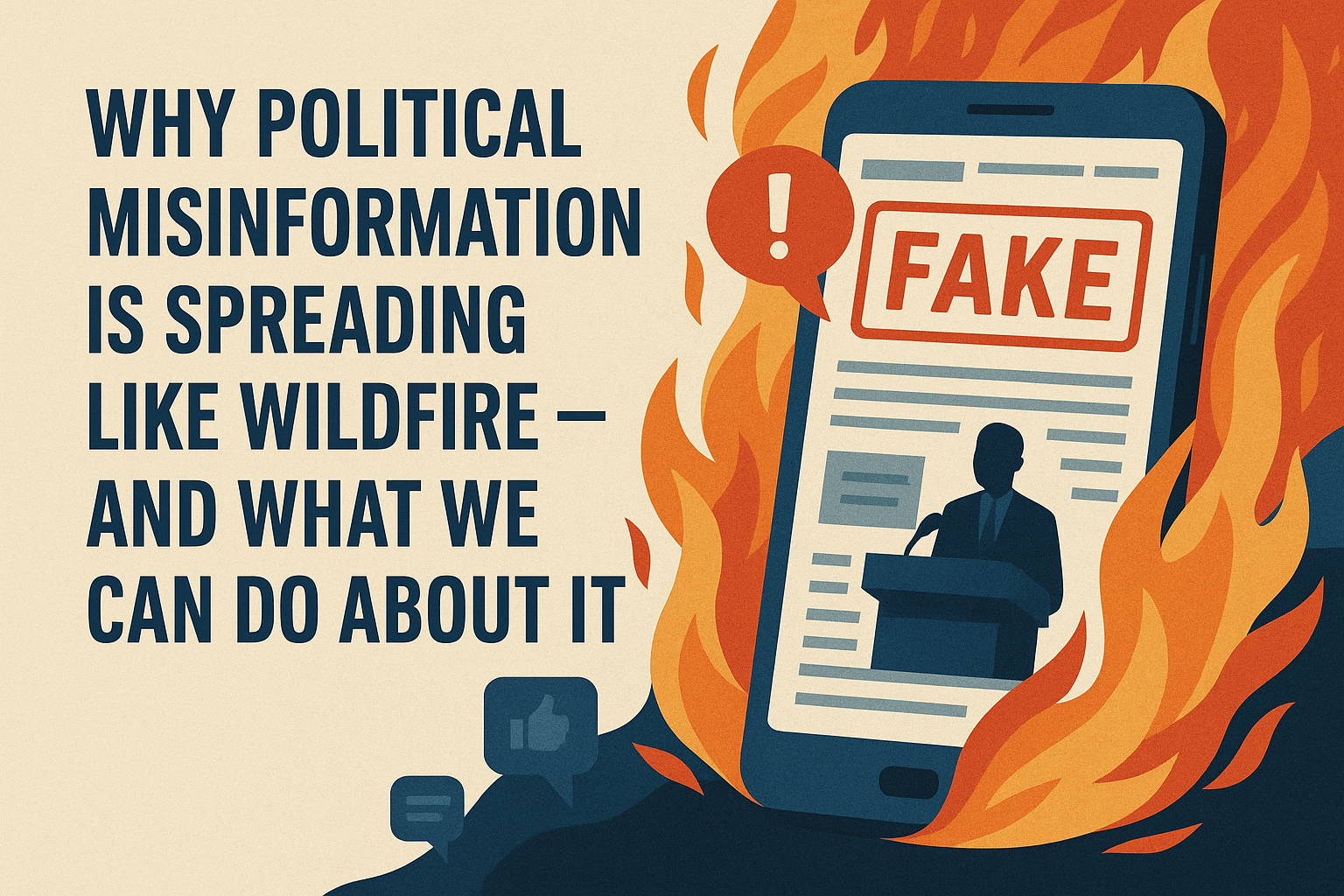
In today’s digital age, the spread of political misinformation has become alarmingly prevalent. The speed at which false narratives propagate through social media and other online platforms has outpaced the efforts of fact-checkers and journalists, creating a volatile environment for political discourse. This article examines the factors contributing to the rise of political misinformation, its impact on society, and what measures can be taken to combat it effectively.
Understanding Political Misinformation
Political misinformation refers to the dissemination of false or misleading information regarding political matters. This can range from outright lies about politicians and policies to misleading statistics and selective reporting. In a world where information is readily accessible, the challenge lies not only in identifying misinformation but also in understanding its effects on public opinion and democratic processes.
The rise of social media as a primary source of news has greatly facilitated the spread of political misinformation. Platforms like Twitter, Facebook, and Instagram allow users to share information quickly and broadly, often without fact-checking. Algorithms that prioritize engagement over accuracy can further amplify misleading content, making it difficult for users to discern truth from falsehood.
The Mechanics Behind the Spread
Several mechanisms contribute to the rapid spread of political misinformation. First, the emotional appeal of certain narratives can make them more shareable. Content that incites anger, fear, or outrage often garners more attention than neutral or factual reporting. This emotional investment can lead individuals to share misleading information without verifying its accuracy.
Additionally, cognitive biases play a significant role in the spread of misinformation. Confirmation bias, for instance, leads individuals to seek out information that supports their pre-existing beliefs while dismissing contradictory evidence. This phenomenon creates echo chambers within social media platforms, where users are repeatedly exposed to similar viewpoints and misleading narratives.
Recent Trends in Political Misinformation
Throughout recent years, the landscape of political misinformation has evolved with significant events shaping its trajectory. For instance, during the 2020 U.S. presidential election, misinformation regarding mail-in ballots and voter fraud became widespread, impacting public perception and voting behavior. As the election approached, social media platforms were inundated with misleading claims, prompting a variety of responses from tech companies trying to mitigate the situation.
In the aftermath of the election, misinformation has continued to thrive, particularly surrounding issues such as the COVID-19 pandemic and public health policies. Various factions have utilized misinformation to promote their agendas, often resulting in public confusion and mistrust in government institutions. The challenge remains to identify which topics are currently spiking in public discourse and how misinformation is being propagated.
The Role of Fact-Checkers and Journalists
Fact-checkers and journalists are on the front lines of combating political misinformation. Organizations like PolitiFact, FactCheck.org, and Snopes work tirelessly to vet claims made by public figures and media outlets. By providing accurate information, they help inform the public and reduce the impact of misinformation. (See: impact of misinformation on society.)
However, the current environment poses significant challenges for these entities. The sheer volume of misleading content, coupled with the speed at which it spreads, makes it increasingly difficult for fact-checkers to keep pace. Moreover, the growing skepticism towards traditional media sources has led some individuals to dismiss fact-checking efforts as biased or unreliable.
Strategies to Combat Political Misinformation
As political misinformation continues to proliferate, it is crucial for individuals and institutions to adopt effective strategies to combat it. Here are some actionable steps that can be taken:
- Promote Media Literacy: Educating the public about how to critically evaluate sources of information is essential. Schools, universities, and community organizations can implement programs that teach media literacy skills, helping individuals to discern credible sources from unreliable ones.
- Encourage Responsible Sharing: Individuals should be encouraged to verify information before sharing it on social media. Tools and guidelines for fact-checking can empower users to resist the impulse to share misleading content.
- Support Fact-Checking Initiatives: Supporting organizations dedicated to fact-checking can bolster efforts to counter misinformation. This could involve financial support, volunteering, or advocating for their work within communities.
- Engage with Diverse Perspectives: Encouraging open dialogue among individuals with differing opinions can promote understanding and reduce the polarization that often fuels misinformation. Fostering respectful conversations can help dispel myths and clarify misunderstandings.
The Impact on Democracy
The ramifications of political misinformation are profound, particularly concerning democratic processes. Misinformation can undermine public trust in institutions and skew electoral outcomes. When voters are misinformed, they may make decisions based on false premises, which can have lasting effects on policy and governance.
Moreover, misinformation can exacerbate divisions within society. As individuals become entrenched in their beliefs, the likelihood of consensus diminishes, making it more challenging to address pressing issues. This polarization can lead to a breakdown of civil discourse, further perpetuating a cycle of misinformation.
Case Studies: Political Misinformation in Action
To better understand the tangible effects of political misinformation, examining real-world case studies can be insightful. One notable example is the misinformation surrounding the Brexit referendum in the UK. During the campaign, various claims were made regarding the economic consequences of leaving the EU, many of which were later proven to be exaggerated or false. As a result, public opinion was significantly swayed based on these misleading narratives, demonstrating the potential of misinformation to influence critical political decisions.
Another example can be found in the misinformation propagated during the COVID-19 pandemic. False claims about the virus’s origins, treatment options, and vaccine efficacy spread rapidly across social media platforms. These misleading narratives not only created confusion but also fueled hesitancy toward vaccinations, impacting public health efforts worldwide. According to a survey conducted by the Kaiser Family Foundation, nearly 30% of Americans reported that they had encountered misinformation regarding COVID-19 vaccines, with significant implications for public health policies.
The Influence of Algorithms on Misinformation
As mentioned earlier, social media algorithms play a crucial role in the spread of political misinformation. Companies like Facebook and Twitter use complex algorithms designed to maximize user engagement, often prioritizing sensational content that generates clicks and shares. This approach can inadvertently promote misleading or false information over more accurate reporting.
Research conducted by the Massachusetts Institute of Technology (MIT) found that false news stories are 70% more likely to be retweeted than true stories. The study concluded that the novelty and emotional resonance of false information contribute significantly to its spread, raising concerns about the accountability of social media platforms in managing the content shared on their networks. The need for transparency in algorithm design has become a pressing issue, as the potential harm caused by misinformation continues to grow.
Legal and Regulatory Framework
The legal landscape surrounding political misinformation is evolving as governments worldwide grapple with its implications. In many countries, existing laws regarding defamation, fraud, and election integrity are being adapted to address the unique challenges posed by misinformation in the digital age. For instance, the European Union has proposed the Digital Services Act, aimed at increasing accountability for online platforms regarding the content they host.
In the United States, there is an ongoing debate about the balance between free speech and the need to combat misinformation. While some advocate for stricter regulations on social media companies, others argue that such measures could infringe on First Amendment rights. This tension underscores the complexity of developing effective policies that can mitigate the spread of misinformation without compromising fundamental freedoms. (See: strategies to combat misinformation.)
Expert Perspectives on Political Misinformation
Experts in the fields of communication and political science provide valuable insights into the dynamics of political misinformation. Dr. Claire Wardle, co-founder of First Draft News, emphasizes the importance of understanding the emotional triggers that drive the sharing of misinformation. She notes that “people don’t share information for the sake of it; they share it to express their identity or to connect with others.” This perspective highlights the necessity of addressing the underlying motivations for sharing misinformation, rather than solely focusing on the content itself.
Furthermore, Professor Yochai Benkler from Harvard Law School argues that misinformation is symptomatic of broader systemic issues within the information ecosystem. He posits that “the real problem isn’t just misinformation; it’s the entire architecture of our media landscape that amplifies division and decay in civic discourse.” His views suggest that any efforts to combat misinformation must also include broader reforms to promote healthy democratic engagement.
Frequently Asked Questions (FAQs)
What is political misinformation?
Political misinformation refers to false or misleading information regarding political matters, which can include incorrect statements about policies, politicians, or electoral processes.
How does political misinformation affect elections?
Misinformation can influence voter perceptions and behavior, leading to decisions based on false premises. This can skew electoral outcomes and undermine the integrity of the democratic process.
What are some common types of political misinformation?
Common types include false claims about election fraud, misleading statistics about policies, and conspiratorial narratives about political events or figures.
How can individuals combat political misinformation?
Individuals can combat misinformation by verifying sources, engaging in critical thinking, promoting media literacy, and supporting reputable fact-checking organizations.
Are social media platforms responsible for political misinformation?
While social media platforms facilitate the spread of misinformation, the responsibility also lies with users to critically evaluate the information they encounter and share. (See: political misinformation in the digital age.)
What role do fact-checkers play in addressing political misinformation?
Fact-checkers assess the accuracy of claims made in the public sphere, providing the public with reliable information to counter misleading narratives and fostering accountability among public figures.
What impact does political misinformation have on society as a whole?
Political misinformation can lead to increased polarization, eroded trust in institutions, and a more disengaged citizenry. It can create an environment where misinformation spreads faster than truth, complicating efforts to foster informed public discussion.
Can political misinformation be countered effectively on social media?
While challenging, combating misinformation on social media is possible through enhanced algorithms, user education, and robust fact-checking. Collaborative efforts by governments, NGOs, and tech companies are essential to create a more informed digital environment.
How do cultural factors influence the spread of political misinformation?
Cultural factors, such as societal norms and values, can significantly influence how misinformation is received and shared. In cultures where trust in media is low, misinformation may be more readily accepted, further complicating the fight against it.
Conclusion: A Collective Responsibility
Combating political misinformation requires a concerted effort from all segments of society. While technology companies must take responsibility for the content shared on their platforms, individuals also have a crucial role to play in promoting accurate information. By fostering a culture of critical thinking and media literacy, society can begin to mitigate the damaging effects of political misinformation.
Ultimately, the fight against political misinformation is a shared responsibility that impacts the health of democracy itself. As citizens, it is imperative to remain vigilant, informed, and active participants in safeguarding the truth in political discourse.
“`
Trending Now
Frequently Asked Questions
What is political misinformation?
Political misinformation refers to the spread of false or misleading information regarding political issues, including inaccurate claims about politicians, policies, and statistics. It poses significant challenges to public opinion and democratic processes, particularly in an era where information is widely accessible but often unchecked.
How does social media contribute to misinformation?
Social media platforms like Twitter and Facebook facilitate the rapid spread of political misinformation by allowing users to share content quickly. Algorithms prioritize engaging content over accuracy, making it easier for misleading information to reach a broad audience without proper fact-checking.
Why do people share misinformation?
People often share misinformation because it typically has an emotional appeal, such as inciting anger or fear. This emotional investment can lead individuals to share misleading content without verifying its accuracy, driven by cognitive biases like confirmation bias that reinforce their existing beliefs.
What are the effects of political misinformation on society?
Political misinformation can distort public perception, undermine trust in institutions, and polarize political discourse. It complicates the ability of citizens to make informed decisions, ultimately threatening the integrity of democratic processes and societal cohesion.
What can be done to combat political misinformation?
Combating political misinformation requires a multi-faceted approach, including improving media literacy among the public, enhancing fact-checking efforts, and promoting transparency from social media platforms. Encouraging critical thinking and responsible sharing can also help mitigate the spread of false information.
Have you experienced this yourself? We’d love to hear your story in the comments.