
“`html
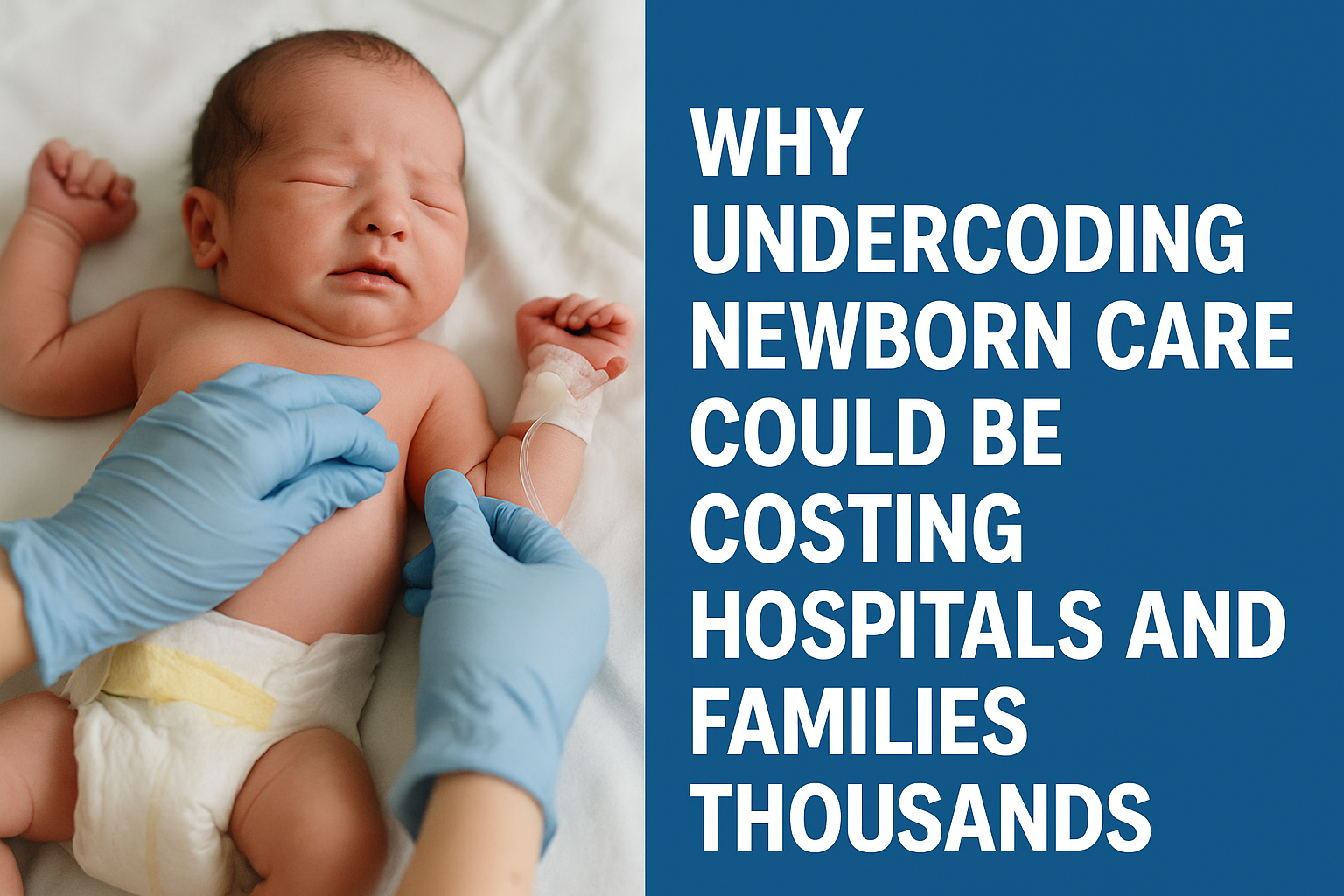
In the intricate world of healthcare billing and coding, undercoding newborn care has emerged as a pressing concern, especially for hospitals and families alike. This issue centers around how medical services provided to newborns are documented and subsequently billed, which can significantly impact hospital reimbursements and, ultimately, patient care. As hospitals strive to improve their coding practices, understanding the ramifications of undercoding has never been more crucial.
Understanding Undercoding in Newborn Care
At its core, undercoding refers to the practice of insufficiently documenting the medical services provided to patients, resulting in lower reimbursement rates for hospitals. In the context of newborn care, where rapid assessments and interventions are often necessary, the stakes are particularly high. Newborns require specialized care, and the services rendered can be complex and varied, from routine assessments to more intensive procedures.
A recent quality-improvement initiative in a community hospital demonstrated the need for better classification of newborn services. Hospital administrators and coding specialists collaborated to identify instances of undercoding and develop strategies to enhance documentation accuracy. This effort was not merely an administrative task but a vital step toward ensuring that the care provided to newborns is recognized and funded appropriately.
The Impact of Coding on Hospital Reimbursements
Proper coding is integral to hospital reimbursement processes. When services are undercoded, hospitals miss out on potential revenue that could be used to improve facilities, purchase new equipment, or provide better training for medical staff. According to a survey conducted by the American Academy of Pediatrics (AAP), many hospitals reported significant discrepancies in their billing compared to the actual care provided.
For example, a newborn receiving a comprehensive evaluation may be coded simply for a routine check-up, leading to a reimbursement that does not align with the complexity of the services rendered. This underrepresentation of care affects not only the hospital’s financial health but could also lead to a decrease in the quality of services offered.
Documentation Accuracy: A Key Component
Documentation plays a crucial role in ensuring that the full spectrum of care is captured. In the world of healthcare, accurate documentation is foundational for several reasons:
- Reimbursement Accuracy: Detailed records ensure that hospitals receive reimbursement commensurate with the services provided.
- Quality of Care: Comprehensive documentation helps in tracking the health outcomes of newborns, leading to improved practices and protocols.
- Legal Protection: Accurate records protect hospitals and healthcare providers in the event of disputes or audits.
- Data for Improvement: Detailed reporting allows for analysis of care quality and areas for improvement.
In cases where services are undercoded, hospitals not only face financial challenges but also risk compromising the quality of care they provide. By neglecting to document all aspects of newborn care, facilities may inadvertently shortchange their youngest patients.
The Human Element: Parents and Their Concerns
Parents are often unaware of the complexities involved in coding and reimbursement. However, they are acutely aware of the implications when care is compromised. When families believe their newborns are receiving inadequate attention due to undercoding practices, concerns about the quality of care can arise. This sentiment can lead to a breakdown of trust between healthcare providers and families. (See: CDC on healthcare coding practices.)
Moreover, as more parents become informed about healthcare policies, they are increasingly advocating for improved transparency in hospital billing practices. This grassroots movement is pushing hospitals to not only enhance their coding practices but also to communicate more effectively with families about the care being provided.
Strategies to Combat Undercoding
To address the issue of undercoding newborn care, hospitals and healthcare providers must adopt proactive strategies. Here are some effective measures to consider:
- Training and Education: Regular training sessions for coding staff and healthcare providers can help ensure accurate documentation of services provided to newborns. Understanding the nuances of coding can drastically improve the capture of care complexity.
- Standardized Protocols: Implementing standardized documentation protocols can streamline the coding process. Providers should be encouraged to use established templates to ensure that all relevant information is captured.
- Regular Audits: Conducting frequent audits of coding practices can help identify patterns of undercoding. Hospitals can then take corrective actions to improve documentation.
- Feedback Mechanisms: Establishing feedback systems for healthcare providers can foster an environment where documentation practices are continuously improved.
These strategies can collectively work towards ensuring that newborn care is accurately represented in hospital billing, providing fair compensation and maintaining high standards of care.
The Role of Technology in Improving Coding Practices
Advancements in technology have the potential to significantly enhance coding practices in newborn care. Electronic health records (EHRs) and coding software can facilitate more accurate documentation by providing templates and prompts to ensure that healthcare providers capture all relevant details. Furthermore, integrating decision support tools within EHRs can guide providers in the coding process, reducing errors and omissions.
As hospitals invest in these technologies, they can expect not only improvements in reimbursement rates but also better overall care for newborns. Technology can aid in tracking patient outcomes and coding efficiency, ultimately leading to enhanced healthcare quality.
Case Studies of Successful Implementation
To illustrate the effectiveness of comprehensive coding practices, consider the case of a small hospital in Ohio that implemented an initiative to improve the documentation of newborn services. After conducting a thorough analysis of their coding practices, the hospital identified that nearly 30% of newborn admissions were being undercoded. By employing a dedicated team of coding specialists and offering targeted training to all staff involved in newborn care, the hospital saw a remarkable turnaround.
Within six months, undercoding was reduced by 50%, leading to a significant increase in revenue that was subsequently allocated to further improve neonatal care services. This initiative not only benefited the hospital financially but also improved the quality of care for newborns, showcasing the direct link between coding accuracy and patient outcomes.
Comparative Analysis: Undercoding vs. Accurate Coding
Understanding the differences between undercoding and accurate coding can provide deeper insights into the challenges faced by hospitals. Accurate coding not only ensures proper reimbursement but also reflects the true complexity of care provided. A comparative analysis shows that hospitals that regularly audit their coding practices and invest in training report fewer cases of undercoding and higher patient satisfaction. (See: NIH on healthcare billing impact.)
For instance, a study published in the Journal of Healthcare Management highlighted that hospitals with robust coding systems and continuous education programs experienced a 25% increase in their overall reimbursement compared to peers who did not prioritize coding accuracy. This difference underscores the financial implications of undercoding and reinforces the need for systemic changes within healthcare institutions.
Challenges in Implementing Effective Coding Practices
Despite the clear benefits of accurate coding, hospitals often encounter significant challenges in implementing effective practices. Some of these challenges include:
- Resource Limitations: Many healthcare facilities, especially smaller ones, may lack the financial or human resources necessary to invest in comprehensive coding training and technology.
- Resistance to Change: Long-standing practices within healthcare institutions can lead to resistance when new coding protocols are introduced, complicating the transition to improved methods.
- Staff Turnover: High turnover rates among coding staff can result in a loss of institutional knowledge and inconsistent coding practices, further complicating efforts to enhance documentation.
- Complex Healthcare Regulations: The constantly evolving landscape of healthcare regulations can lead to confusion, making it difficult for medical professionals to stay updated on the latest coding requirements.
Addressing these challenges requires a concerted effort from hospital administrations, coding experts, and regulatory bodies to create an environment conducive to effective coding practices.
Future Trends in Newborn Care Coding
As the healthcare landscape continues to evolve, several trends are likely to shape the future of newborn care coding:
- Integration of Artificial Intelligence: AI-driven solutions are expected to play a significant role in coding accuracy by assisting in data entry, analyzing patient records, and flagging potential undercoding instances.
- Telemedicine Impact: The rise of telemedicine may lead to new coding challenges and opportunities, as remote consultations become more common for newborn assessments.
- Patient-Centric Billing Models: As healthcare shifts toward value-based care, there will likely be a greater emphasis on transparent billing practices that reflect the quality of care provided rather than just the volume of services.
- Data Analytics Utilization: Hospitals will increasingly leverage data analytics to track coding accuracy over time, enabling them to identify areas for improvement and measure the impact of their training initiatives.
These trends highlight the importance of adaptability in coding practices to meet the changing needs of healthcare delivery.
Frequently Asked Questions (FAQ)
What is undercoding in newborn care?
Undercoding in newborn care refers to the inaccurate or insufficient documentation of the medical services provided to newborns, which results in lower reimbursement rates for hospitals.
Why is accurate coding important for newborn care?
Accurate coding is vital because it ensures that hospitals receive appropriate reimbursement for the services rendered, helps in tracking health outcomes, and protects healthcare providers legally in case of disputes or audits. (See: AP News on healthcare coding issues.)
How can hospitals improve their coding practices?
Hospitals can improve their coding practices by implementing regular training sessions for staff, establishing standardized documentation protocols, conducting audits, and creating feedback mechanisms for continuous improvement.
What technology can assist in improving coding accuracy?
Electronic health records (EHRs), coding software, and decision support tools can assist healthcare providers in capturing all relevant details, thereby improving documentation accuracy and reducing errors.
What are the potential consequences of undercoding?
The potential consequences of undercoding include decreased hospital revenue, compromised quality of care for patients, and increased risk of legal issues during audits or disputes.
Conclusion: The Path Forward
As the conversation surrounding undercoding newborn care continues to evolve, it is clear that the implications extend far beyond financial aspects. Ensuring accurate coding is vital for maintaining the integrity of healthcare systems and for safeguarding the well-being of newborns. Hospitals, healthcare providers, and parents all have roles to play in advocating for accurate representations of care.
By working together to enhance the documentation and coding processes, the healthcare community can ensure that newborns receive the care they need and that providers are fairly compensated for their services. Ultimately, this collaborative effort will lead to better health outcomes for our youngest population, fostering a healthcare environment that prioritizes both quality and equity.
“`
Trending Now
- Exciting Staff Product Engineer Jobs in Florianópolis with LawnStarter: A Unique Opportunity Awaits You!
- our breakdown of is the ai economy facing a crisis due to soaring chip costs?
- our breakdown of 81% of chatgpt-cited brands don’t appear on google – what this means for your business
- The Urgent Trend of Losing 15 Pounds in a Month: What You Need to Know
- the complete explanation
Frequently Asked Questions
What is undercoding in newborn care?
Undercoding in newborn care refers to the practice of insufficiently documenting the medical services provided to newborns, leading to lower reimbursement rates for hospitals. This issue is critical as it can affect the funding hospitals receive for essential care and services rendered to newborns.
How does undercoding impact hospital reimbursements?
Undercoding directly affects hospital reimbursements by resulting in lost revenue. When services are not accurately documented, hospitals may miss out on funds needed for improving facilities, purchasing equipment, or enhancing staff training, ultimately impacting the quality of care provided to patients.
Why is accurate coding important for newborn care?
Accurate coding is vital for newborn care because it ensures that hospitals receive appropriate reimbursement for the complex and varied services provided. Proper documentation helps secure funding that can be reinvested into improving patient care and hospital resources.
What steps can hospitals take to prevent undercoding?
Hospitals can prevent undercoding by implementing quality-improvement initiatives that focus on enhancing documentation accuracy. Collaborating with coding specialists, conducting training sessions for staff, and regularly reviewing coding practices can significantly reduce instances of undercoding.
What are the consequences of undercoding for families?
For families, undercoding can lead to increased out-of-pocket costs and reduced access to necessary medical services. When hospitals undercode, they may struggle financially, potentially affecting the quality of care and resources available to newborns and their families.
Have you experienced this yourself? We’d love to hear your story in the comments.