
Introduction
Education is the backbone of any nation, and the infrastructure that supports it plays a crucial role in shaping young minds. Building Schools for the Future (BSF) is a government initiative aimed at transforming the physical learning environments of schools across the country. In this article, we will discuss whether this ambitious program will accomplish its goal of building schools fit for the future.
BSF Overview
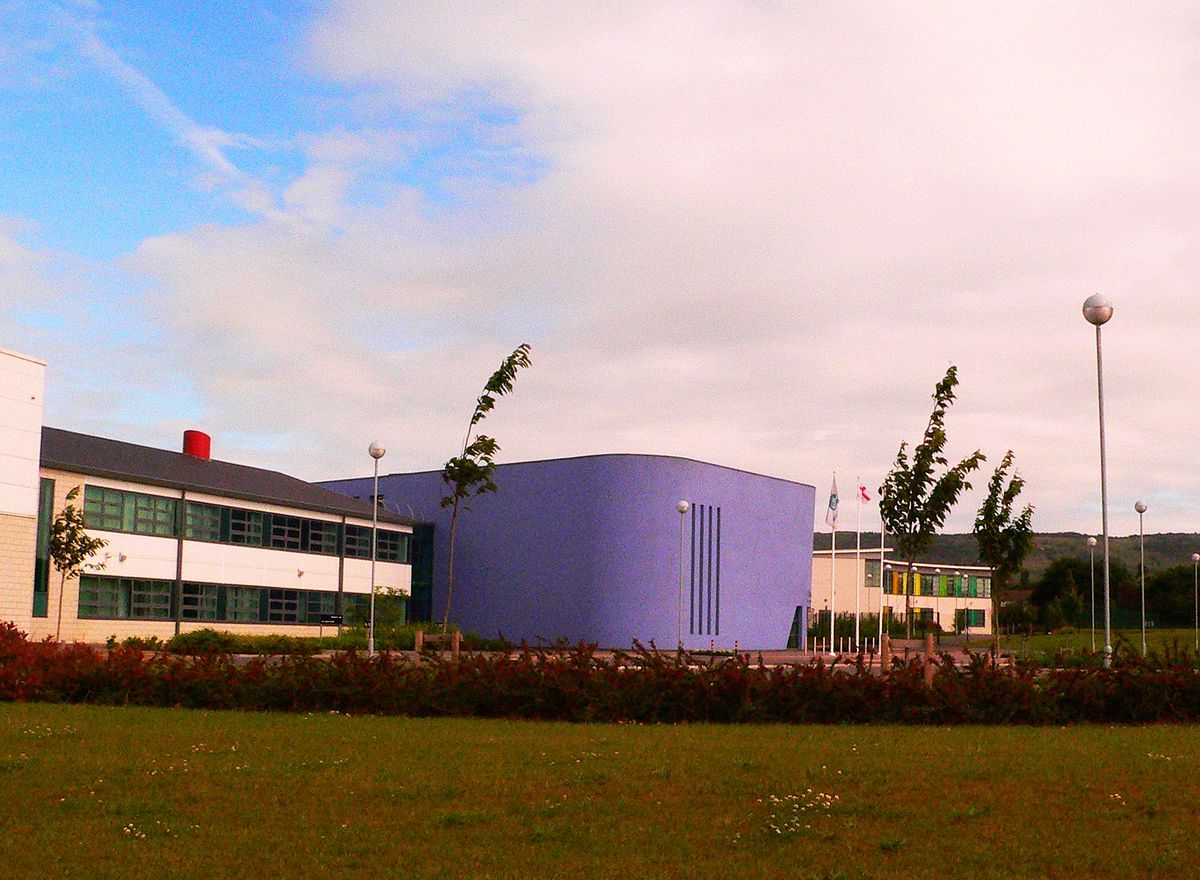
Launched in 2003, the Building Schools for the Future (BSF) program was designed with the intention to rebuild or refurbish every England’s secondary school, providing them with modern facilities to ensure a high-quality education. This comprehensive scheme focuses on various aspects like technological advancements, energy efficiency, and providing inclusive environments that cater to all learners’ requirements.
Evolving Technological Trends
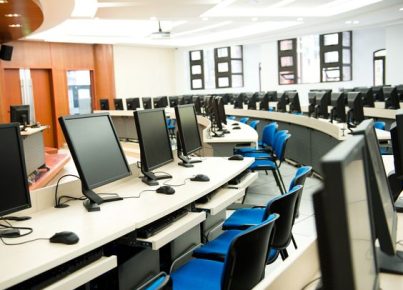
It is no secret that modern technology has dramatically revolutionized education. The BSF program aims to incorporate cutting-edge technologies into school designs to enable better content delivery and support innovative instructional methods. By ensuring that new schools are equipped with state-of-the-art equipment and classrooms specifically designed for digital learning, BSF will undoubtedly help prepare students for a tech-centric future.
Energy Efficiency & Sustainability
Sustainability and energy efficiency are two topics at the forefront of modern building design. The BSF program considers these aspects seriously by implementing green technologies like solar panels, high-performance insulation systems, and energy-efficient lighting. These features not only reduce schools’ carbon footprint but also set an example for students on environmental responsibility, further evolving their perception of sustainability’s role in society.
Inclusive Environments
Inclusivity is vital when designing an educational environment fit for all students. The BSF program focuses on creating adaptable spaces that accommodate different learning needs effectively. By offering facilities such as sensory areas for children with special needs and flexible classrooms that can be reconfigured according to teaching styles, BSF promotes an inclusive learning atmosphere.
Future-Ready Infrastructure
Finally, to ensure that the facilities remain relevant in the future, the BSF program emphasizes adaptable and flexible designs. This approach allows schools to adjust with changing needs, curricula, and technologies without undergoing major renovations. In doing so, BSF-funded schools can easily accommodate future advancements while reducing the long-term burden on resources.
Conclusion
Undeniably, the Building Schools for the Future (BSF) program has set its sights on creating educational facilities that shape our society’s future generation. By factoring in evolving technology trends, energy efficiency goals, inclusivity requirements, and future-ready infrastructure, BSF has laid the groundwork for building schools genuinely fit for the future. While challenges may arise along the way, BSF’s holistic approach and commitment to excellence secure a promising outlook for the children of tomorrow.