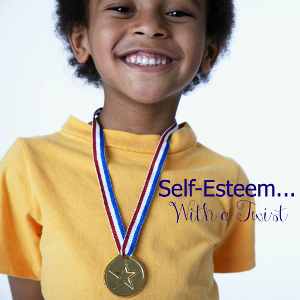

In today’s world, the popular culture emphasizes the importance of self-esteem and the belief that everyone is special. This has led to an increased focus on self-development, affirmations, and practices aimed at helping individuals view themselves as unique and important. However, the “You Are (Not?) Special” self-esteem curriculum takes a different approach, encouraging a more balanced outlook on one’s self-worth.
The core philosophy behind the You Are (Not?) Special curriculum is that while it is essential for individuals to acknowledge their strengths, it is also vital for them to recognize their limitations and areas that require improvement. This approach avoids fostering an inflated sense of self-importance in individuals by providing them with a realistic perspective of themselves. The objective of this curriculum is to promote healthier self-esteem levels by encouraging individuals to recognize their value without indulging in narcissistic thinking.
Key components of the You Are (Not?) Special self-esteem curriculum include:
1. Recognizing strengths and weaknesses: Participants are encouraged to perform exercises designed to help them identify both their strong suits and areas where they struggle. This proves beneficial as it allows individuals to determine what they excel at while also understanding what requires further development.
2. Balancing positive reinforcement with constructive criticism: Throughout the curriculum, participants receive a healthy mix of encouragement and constructive feedback. This approach fosters an environment where individuals feel motivated to improve while also learning not to rely solely on constant praise and validation.
3. Focusing on empathy and compassion: The You Are (Not?) Special curriculum emphasizes the importance of connecting with others through empathy and compassion rather than seeking superiority or comparing oneself unfairly to others.
4. Engaging in self-reflection: Participants are guided through various exercises that promote introspection – reflecting upon their thoughts, feelings, and actions – in order to gain a deeper understanding of what drives their sense of worth.
5. Developing a growth mindset: The curriculum encourages individuals to adopt a growth mindset – the idea that talents, intelligence, and abilities are not fixed traits but can be cultivated through consistent effort and perseverance.
The You Are (Not?) Special self-esteem curriculum aims to provide a balanced perspective on self-worth without endorsing excessive self-adulation. It teaches participants to value themselves while recognizing that their abilities and worth are not set in stone. By fostering a more realistic and growth-oriented outlook on self-esteem, this curriculum helps individuals develop healthier, more stable levels of confidence.