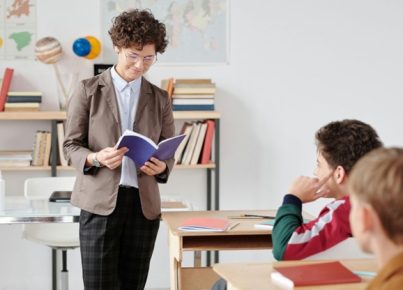

Being a teacher can be an enriching and fulfilling experience, but it can also come with its own set of challenges. When you’re a teacher who also happens to be an introvert, those challenges can sometimes feel amplified. Here are 11 things that happen when you’re a teacher and also an introvert:
- Limited social energy: Introverts gain energy from being alone or in quiet environments. As a teacher, you’re constantly surrounded by students and colleagues, which can be draining for introverts. It’s important to find ways to recharge your social energy outside of the classroom.
- Small talk feels exhausting: Introverts are not big fans of small talk, and teaching often requires engaging in casual conversations with students, parents, and colleagues. While introverts can handle these interactions, they may find them mentally draining and prefer deeper conversations.
- Preferred solitary work: Many introverts thrive on working independently, which can be challenging as a teacher. Lesson planning, grading papers, and administrative tasks often require collaboration and interaction with others. Finding alone time to complete these tasks can be crucial for introverts.
- Need for personal space: Introverts value their personal space and may feel overwhelmed when constantly surrounded by people in a classroom setting. Creating a designated area, such as a cozy corner or a special desk, where you can retreat during breaks can be helpful for introverted teachers.
- Limited group activities: Group activities and cooperative learning are common in classrooms, but they may not always be the preferred teaching style for introverted teachers. Balancing group work with individual assignments can cater to the needs of both introverted and extroverted students.
- Strength in one-on-one interactions: Introverted teachers often excel in one-on-one interactions with students. They are often good listeners and are able to provide individualized attention and support. Building strong connections with students on a personal level can positively impact their learning experience.
- Reflection and introspection: Introverts tend to be reflective and introspective by nature. This can benefit teachers as it allows them to analyze and evaluate their teaching methods, strategies, and classroom dynamics. Taking time for self-reflection can lead to continuous improvement.
- Preference for written communication: As introverts may feel more comfortable expressing themselves through writing, they might prefer written communication such as emails or written feedback over verbal communication. Utilizing technology and incorporating written assignments can provide alternative forms of communication.
- Limited comfort with public speaking: Public speaking, such as giving lectures or presentations, can be challenging for introverted teachers. Taking steps to improve public speaking skills, such as practicing and seeking support, can help introverted teachers feel more confident in front of a classroom.
- Seeking solitude during breaks: Introverts often value their alone time to recharge and relax. Taking short breaks during the school day to find solitude, whether it’s by taking a walk outside or finding a quiet spot in the teacher’s lounge, can help introverted teachers recharge and maintain their energy.
- Finding balance and self-care: Being an introverted teacher requires finding a balance between engaging with others and taking care of personal needs. Prioritizing self-care, setting boundaries, and creating a healthy work-life balance are essential for introverted teachers to thrive in their profession.
Being an introverted teacher comes with its own unique set of challenges, but it also brings strengths and qualities that can greatly benefit students. By understanding and honoring their own needs, introverted teachers can create a conducive learning environment for themselves and their students.