

“`html
When students face challenges with executive functioning, they often need tailored support to thrive in academic settings. This is where 504 plan accommodations come into play. Designed under the Rehabilitation Act of 1973, a 504 plan provides essential adjustments for students with disabilities, ensuring they have equitable access to education. In this article, we will explore the intricacies of 504 plans, the specific accommodations beneficial for executive functioning difficulties, and practical strategies for implementation.
Understanding Executive Functioning
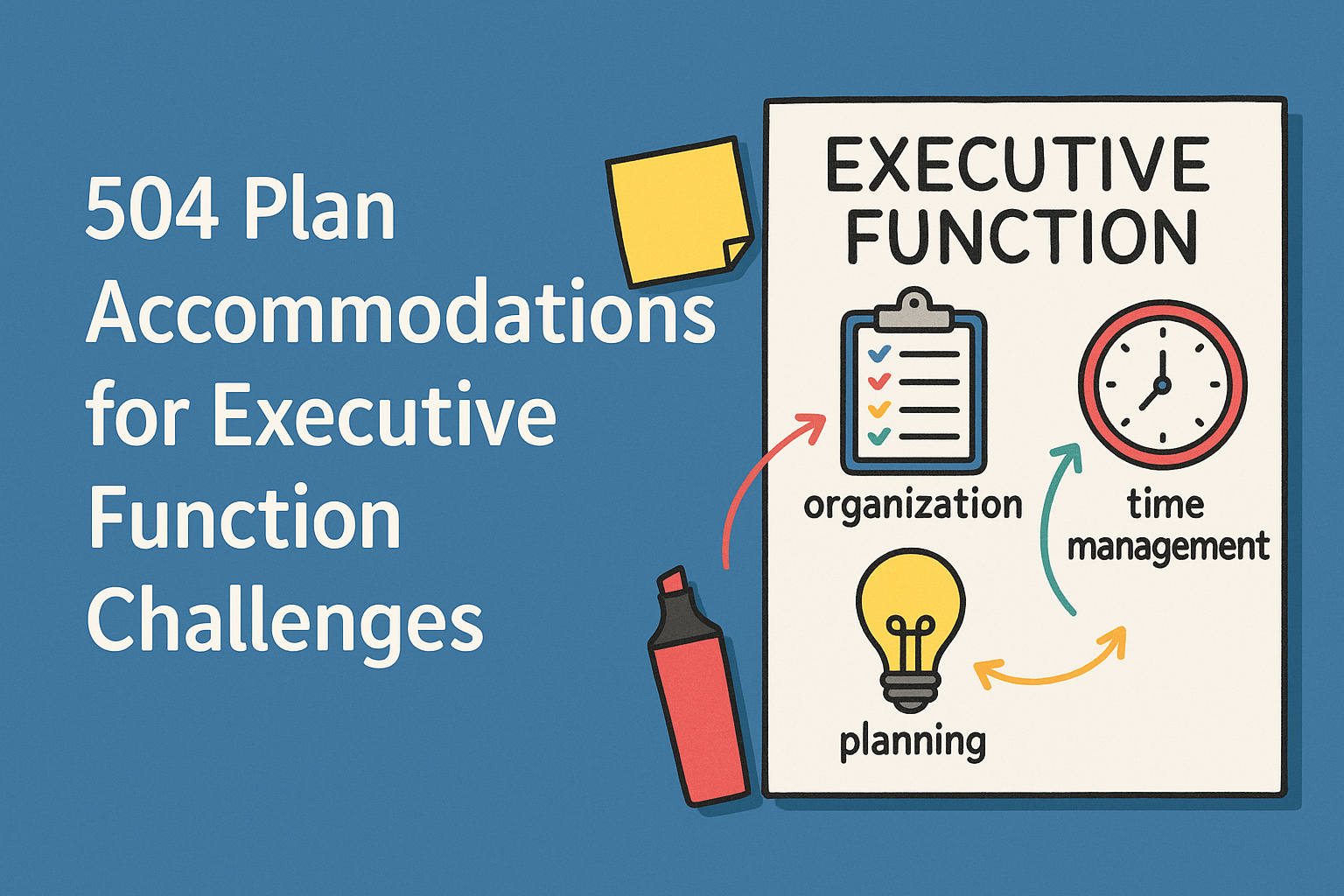
Executive functioning refers to a set of cognitive processes that enable individuals to plan, focus attention, remember instructions, and juggle multiple tasks successfully. These skills are crucial for managing daily life and academic responsibilities. Children with executive function challenges may struggle with:
- Planning and organizing tasks
- Time management
- Self-regulation and impulse control
- Working memory
- Task initiation and completion
These difficulties can lead to frustration, poor academic performance, and low self-esteem. Recognizing these challenges is the first step in providing effective support through 504 plan accommodations.
The Importance of 504 Plans
A 504 plan is a legal document that outlines the specific accommodations a student with a disability requires to access their education fully. Unlike an Individualized Education Program (IEP), which is tailored for students who qualify for special education services, a 504 plan is designed for students who may not require specialized instruction but still need support. This distinction is vital, as many students with executive function challenges fall into the 504 category.
The process of developing a 504 plan begins with a thorough evaluation of the student’s needs. After identifying the specific challenges, educators, parents, and specialists collaborate to create a plan that facilitates the student’s academic success. Key benefits of a 504 plan include: understanding 504 plans offers useful background here.
- Legal protection against discrimination in educational settings
- Access to necessary accommodations and modifications
- Increased chances of academic success
- Support for social-emotional well-being
Identifying Executive Function Challenges
Before implementing accommodations, it’s crucial to identify the specific executive function challenges a student is facing. Observations, teacher feedback, and standardized assessments can provide valuable insights. Here are some common signs to look for:
- Difficulty keeping track of assignments and deadlines
- Frequent forgetfulness regarding homework or class materials
- Struggles with transitioning between tasks
- Challenges in maintaining focus during lessons
- Procrastination and avoidance of challenging tasks
By pinpointing these challenges, educators and parents can select the most appropriate 504 plan accommodations to support the student’s needs.
Effective 504 Plan Accommodations for Executive Functioning
The beauty of a 504 plan lies in its flexibility to tailor accommodations to meet individual needs. Here are several effective strategies designed specifically for students with executive function challenges:
1. Extended Time for Assignments and Tests
Many students with executive function difficulties struggle with time management, often needing more time to complete assignments and tests. Offering extended time can reduce anxiety and allow students to demonstrate their knowledge without the pressure of a ticking clock.
2. Organizational Tools
Providing students with planners, checklists, or digital organization apps can significantly enhance their ability to manage tasks. Teaching students how to use these tools effectively can help them prioritize responsibilities and keep track of deadlines.
3. Break Tasks into Smaller Steps
Large projects can be overwhelming for students with executive function challenges. Breaking assignments into smaller, manageable steps with specific deadlines can make tasks feel less daunting. Educators can also provide visual timelines to aid comprehension.
4. Frequent Check-Ins and Reminders
Regular check-ins from teachers or support staff can help students stay on track and provide opportunities for immediate feedback. Gentle reminders about upcoming deadlines or tasks can serve as helpful nudges for students who might otherwise forget.
5. Adapted Testing Environments
Creating a distraction-free testing environment can help students focus better. This might include quiet rooms or separate spaces where they can take tests without interruptions. Understanding that a calm environment can significantly impact performance is essential.
6. Use of Technology
Assistive technology can be a game-changer for students struggling with executive functioning. Tools such as speech-to-text software, note-taking applications, and reminders on digital devices can help enhance productivity and organization.
Implementing Accommodations: A Collaborative Approach
For 504 plan accommodations to be effective, collaboration among parents, teachers, and school staff is essential. This teamwork ensures that everyone involved understands the student’s specific needs and how to support them. Here are steps to foster collaboration:
- Regular Communication: Maintain open lines of communication among all parties. This can include weekly updates on the student’s progress and any challenges faced.
- Shared Goals: Establish clear, measurable goals that everyone can work towards. Goals should be revisited regularly to assess progress and make necessary adjustments.
- Training for Staff: Ensure that teachers and support staff understand executive function issues and the specific accommodations outlined in the 504 plan. Training can empower educators to implement strategies effectively.
Real-Life Examples of Successful Accommodations
Understanding how accommodations work in practice can provide valuable insights. Here are two examples:
Case Study 1: Jessica
Jessica is a high school student with ADHD and executive function difficulties. After receiving a 504 plan, her accommodations included extended time for tests, the use of a planner, and regular check-ins with her math teacher. With these accommodations, Jessica was able to improve her grades significantly and gained confidence in her abilities.
Case Study 2: Michael
Michael, a middle school student with executive function challenges, struggled with organization and time management. His 504 plan included breaking down assignments into smaller steps, using organizational apps, and providing a quiet space for tests. As a result, Michael became more engaged in his studies and was able to complete tasks more independently.
Current Relevance and Future Directions
The conversation around executive function challenges and 504 plan accommodations is more relevant than ever. As educational environments shift, particularly in the wake of the COVID-19 pandemic, many students have faced increased challenges with learning and organization. Schools are beginning to recognize the importance of supporting executive functioning to foster a more inclusive environment.
While progress is being made, there is still work to be done. Awareness campaigns and parental advocacy are crucial in ensuring that all students receive the support they need. Additionally, ongoing research into executive functioning will continue to shape how educators approach accommodations in the future.
504 Plan Accommodations: Statistics and Impact
Recent studies have highlighted the effectiveness of 504 plan accommodations in supporting students with executive functioning challenges. For instance, a survey conducted by the National Center for Learning Disabilities found that 75% of students with executive function issues reported improved academic performance when provided with appropriate accommodations. Furthermore, schools that actively implement these plans have reported a 30% increase in student engagement and a decrease in disciplinary actions related to behavioral issues.
These statistics underscore the necessity of 504 plans and demonstrate how tailored accommodations can lead to positive educational outcomes. When students feel supported and understood, their ability to learn and thrive in school improves dramatically. We covered student time management tips in more detail.
Exploring Different Types of 504 Plan Accommodations
While we’ve discussed several effective accommodations, there are many more that can be adapted based on a student’s unique needs. Here are some additional accommodations that can be considered:
1. Flexible Scheduling
Some students may benefit from a modified schedule that allows for longer breaks or a change in class times. This flexibility can reduce stress and help them manage their workload more effectively.
2. Access to a Resource Room
Providing access to a resource room where students can go to receive additional assistance or to complete assignments can be incredibly beneficial. This space can serve as a safe haven for students who need a quieter environment to focus.
3. Modified Homework Assignments
Adjusting the quantity or complexity of homework assignments can help students manage their workload without feeling overwhelmed. This can include reducing the number of problems on a math assignment or allowing for alternative projects that align with the curriculum.
4. Peer Mentoring
Pairing students with peers who can serve as mentors or study partners can provide additional support. This peer interaction often creates a more comfortable learning environment where students feel less isolated in their challenges.
Frequently Asked Questions (FAQ)
What is a 504 plan?
A 504 plan is a formal plan developed to ensure that a child with a disability identified under Section 504 of the Rehabilitation Act has access to the same educational opportunities as their peers. It outlines the specific accommodations the student needs to succeed in school.
Who qualifies for a 504 plan?
Students who have physical or mental impairments that substantially limit one or more major life activities can qualify for a 504 plan. This includes students with ADHD, learning disabilities, and other conditions that affect their ability to learn and perform in school.
How are accommodations determined?
Accommodations are determined through a collaborative process involving parents, teachers, and school specialists. This process includes evaluating the student’s specific needs and challenges, followed by discussions about suitable strategies and tools that can be implemented.
Can I request a 504 plan for my child?
Yes, parents can initiate the process by contacting the school’s 504 coordinator or the child’s teacher. It’s helpful to gather documentation about the child’s needs and any evaluations that may support the request.
How often should a 504 plan be reviewed?
A 504 plan should be reviewed annually, but it can be revisited more frequently if the student’s needs change or if the current accommodations aren’t effective. Regular reviews ensure that the plan remains relevant and supportive.
What happens if a school does not follow the 504 plan?
If a school fails to implement the accommodations outlined in a student’s 504 plan, parents can file a complaint with the school district or take legal action if necessary. It’s essential to document any instances of non-compliance and communicate with school officials to seek resolution.
Conclusion: Embracing Supportive Strategies
Providing effective 504 plan accommodations for students with executive function challenges is essential for fostering academic success and personal growth. By understanding the unique needs of these students and implementing tailored strategies, educators and parents can work together to create supportive environments. Whether through organizational tools, adaptations in testing, or regular communication, embracing these strategies can make a world of difference in a student’s educational journey.
“`
Trending Now
Frequently Asked Questions
What are 504 plan accommodations for executive function challenges?
504 plan accommodations for executive function challenges are tailored adjustments designed to help students with disabilities access their education. These may include strategies for improving organization, time management, and task initiation, ensuring students receive the necessary support to succeed academically.
How do I know if my child needs a 504 plan?
If your child struggles with executive functioning skills such as planning, self-regulation, or working memory, they may benefit from a 504 plan. A thorough evaluation by educators and specialists can help determine if a 504 plan is appropriate for their needs.
What is the difference between a 504 plan and an IEP?
The main difference between a 504 plan and an Individualized Education Program (IEP) is that a 504 plan provides accommodations for students who do not require specialized instruction, while an IEP is designed for those who do. Both aim to support students with disabilities in accessing education.
What specific accommodations can help with executive functioning issues?
Accommodations for executive functioning issues may include extended time for assignments, frequent breaks, use of organizational tools, and structured routines. These strategies can help students manage their tasks more effectively and improve their academic performance.
How can parents advocate for a 504 plan for their child?
Parents can advocate for a 504 plan by gathering documentation of their child's executive function challenges and discussing concerns with school officials. Collaborating with educators and specialists to outline specific needs and potential accommodations is crucial in developing an effective plan.
Have you experienced this yourself? We’d love to hear your story in the comments.



