
“`html
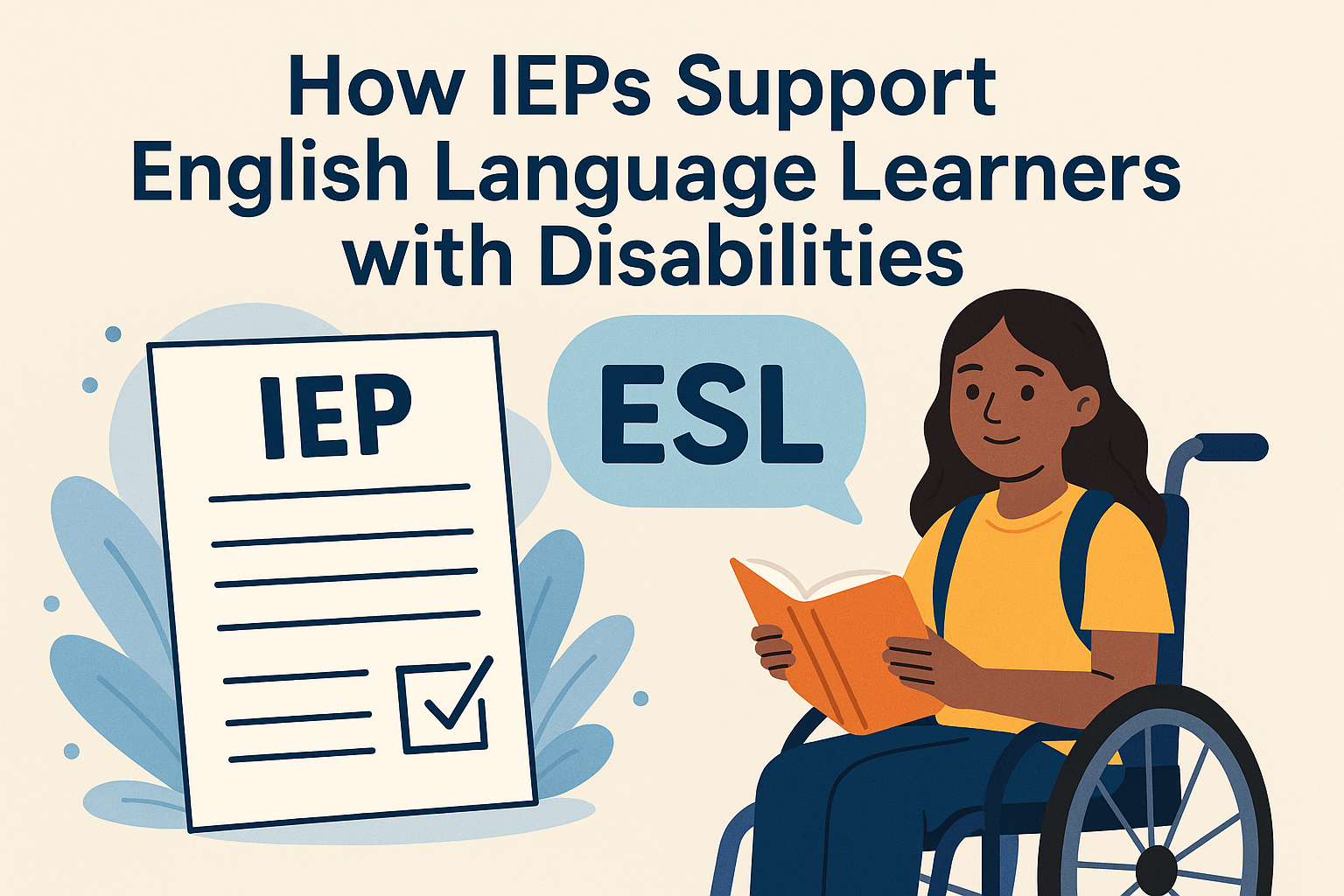
In today’s diverse classrooms, educators face the unique challenge of meeting the needs of all students, especially those who are both English language learners (ELLs) and have disabilities. Individualized Education Programs (IEPs) play a crucial role in addressing the specific learning requirements of these students. Understanding how IEPs support English language learners with disabilities is essential for educators, administrators, and parents alike. This article explores the intersection of IEPs and ELLs, highlighting key concepts, practical applications, and expert insights.
Understanding IEPs: A Brief Overview
An IEP is a legally binding document mandated by the Individuals with Disabilities Education Act (IDEA). It outlines the special education services, accommodations, and supports a student with disabilities requires to succeed in school. Although IEPs are primarily associated with students who have specific learning disabilities, they are equally vital for English language learners who may face additional challenges in their educational journey.
To qualify for an IEP, a student must be evaluated and found to have a qualifying disability that impacts their ability to learn in a traditional classroom setting. This could include conditions such as autism spectrum disorder, emotional disturbances, or speech and language impairments. For ELLs, the complexities of learning a new language while managing a disability can create significant barriers to their academic success.
The Unique Needs of English Language Learners with Disabilities
English language learners often experience a variety of challenges that can complicate their educational experiences. These challenges can be further exacerbated when a student has a disability. ELLs may struggle with language acquisition, cultural adjustment, and social integration, all of which can impact their learning outcomes. When a disability is added to these factors, the situation becomes even more nuanced.
For instance, a student with a learning disability might struggle with reading comprehension in English, while also facing language barriers that hinder their ability to express their understanding. This dual challenge necessitates tailored educational strategies that traditional approaches may not provide.
How IEPs Address the Challenges Faced by ELLs
IEPs are designed to provide the necessary support for students with disabilities, including those who are English language learners. By focusing on the individual needs of each student, IEPs can help bridge the gap between language acquisition and academic success. Here are some ways IEPs can specifically benefit ELLs with disabilities:
- Personalized Learning Goals: IEPs set specific, measurable goals tailored to each student’s unique abilities and challenges. For ELLs, this means creating objectives that account for both language development and academic skills.
- Accommodations and Modifications: IEPs provide for necessary accommodations, such as extended time for assessments, simplified language in instructions, or the use of bilingual materials. These adaptations can make a significant difference in comprehension and performance.
- Access to Specialized Services: Students with IEPs may qualify for additional services such as speech therapy, counseling, or tutoring in both language and academic skills, ensuring they receive comprehensive support.
- Collaboration Among Educators: IEPs foster collaboration between special education teachers, ELL specialists, and general education teachers. This teamwork is essential for implementing effective teaching strategies tailored to ELLs with disabilities.
Case Studies: IEP Success Stories
Examining real-life examples can provide valuable insight into how IEPs have positively impacted ELLs with disabilities. Consider the case of Maria, a high school student who is an ELL and has a learning disability. Before her IEP was implemented, Maria struggled significantly with reading and writing in English, leading to low confidence and academic performance.
After being evaluated and receiving an IEP, Maria’s educational team set specific goals tailored to her needs. They provided her with bilingual materials and incorporated the use of audio books, allowing her to engage with content at her own pace. As a result, Maria saw marked improvements in her reading comprehension and overall academic engagement. (See: Individualized Education Program overview.)
Another example is Kevin, who is on the autism spectrum and learning English as a second language. His IEP included social skills training and language development strategies. The support he received allowed him to participate more fully in classroom activities and build relationships with his peers, enhancing his overall school experience.
The Role of Family and Community Support
Family involvement is crucial in the IEP process, especially for ELLs with disabilities. Parents who are non-native English speakers may face challenges in understanding the IEP process and advocating for their child’s needs. Schools must ensure that families are informed and engaged throughout the IEP development and implementation stages.
Community resources can also play a pivotal role in supporting ELLs with disabilities. Local organizations often provide workshops for families to understand their rights and how to navigate the educational system. These resources can empower parents to take an active role in their child’s education and foster a collaborative environment between home and school.
Current Trends and Future Directions in IEPs for ELLs
The landscape of education is constantly evolving, and recent trends highlight the increasing awareness of the unique needs of ELLs with disabilities. More educators are receiving training on culturally responsive teaching and inclusive practices. This shift is essential for creating an equitable learning environment where all students can thrive.
Additionally, technology is playing a significant role in enhancing IEP services for ELLs. Tools such as translation apps, interactive language learning platforms, and digital resources can help bridge the gap between language and learning. Educators are encouraged to incorporate these technologies into their teaching to provide ELLs with disabilities the resources they need to succeed.
Practical Tips for Implementing IEPs for English Language Learners
Implementing effective IEPs for English language learners with disabilities requires intentional planning and execution. Here are some practical tips for educators:
- Conduct Comprehensive Assessments: Ensure that evaluations consider both language proficiency and disability needs. This holistic approach can help in setting realistic and achievable goals.
- Utilize Visual Aids: Incorporate visual supports, such as graphic organizers and pictures, to aid comprehension for ELLs who might struggle with verbal instructions.
- Foster a Supportive Classroom Environment: Create a welcoming atmosphere where students feel safe to express themselves, ask questions, and make mistakes. Encourage peers to support one another.
- Engage in Continuous Collaboration: Maintain open lines of communication among all stakeholders, including ELL specialists, special education teachers, and general educators. Regular meetings can help ensure that IEP goals are being met effectively.
Statistics on ELLs and Disabilities
Understanding the scope of the issues faced by ELLs with disabilities can enhance the conversation around IEPs. According to the National Center for Education Statistics (NCES), approximately 10% of students classified as ELLs have a disability, compared to about 14% of all students. This statistic highlights the need for educational frameworks that specifically address the needs of this demographic.
Furthermore, a report from the Migration Policy Institute found that the rate of ELLs in special education programs varies significantly from state to state. In some states, the percentage of ELLs with disabilities is as high as 20%, suggesting that local policies and educational practices can greatly impact the identification and support of these students. (See: CDC resources on disabilities in education.)
Expert Perspectives on IEPs for ELLs
Experts in the field of education emphasize the importance of culturally responsive practices when developing IEPs for ELLs. Dr. Linda Hodge, an educational psychologist specializing in bilingual education, notes that “educators must recognize the cultural contexts that ELLs come from and how these influence their learning experiences. Tailoring IEPs to respect and integrate these backgrounds can lead to more effective outcomes.”
Similarly, Dr. Raj Patel, an advocate for inclusive education, suggests that “the collaboration between language specialists and special education professionals can produce innovative solutions that better serve ELLs with disabilities.” His insights underline the importance of teamwork in addressing the diverse needs of these students.
Common Myths and Misconceptions
There are several misconceptions regarding IEPs for ELLs that educators and parents need to be aware of:
- Myth 1: ELLs cannot have an IEP. This is false. ELLs can qualify for an IEP if they have a qualifying disability that affects their educational performance.
- Myth 2: Language proficiency alone determines eligibility for IEPs. While language skills are crucial, the focus should also be on the impact of a disability on learning.
- Myth 3: ELLs with disabilities are automatically assigned to special education classes. Each case should be evaluated individually to determine the least restrictive environment for the student.
FAQs About IEPs for English Language Learners
Q: How do I know if my child qualifies for an IEP?
A: If your child has a diagnosed disability that affects their ability to learn, they may qualify for an IEP. A comprehensive evaluation by the school can help determine eligibility.
Q: What should I do if I think my child needs an IEP?
A: Initiate a discussion with your child’s teacher or school counselor to express your concerns and request an evaluation.
Q: Can my child receive both ESL support and special education services?
A: Yes, many students benefit from receiving both types of support, as they address different aspects of their educational needs.
Q: How often are IEPs reviewed?
A: IEPs are typically reviewed annually, but they can be adjusted more frequently if necessary, based on your child’s progress. (See: NIH information on IEPs.)
The Importance of Professional Development
To effectively implement IEPs for English language learners, educators must engage in ongoing professional development. Training programs that focus on the nuances of ELL education, culturally responsive teaching, and special education methods are essential. By equipping teachers with the knowledge and skills to address these specific needs, schools can improve educational outcomes for diverse learners.
For example, workshops that include simulations and role-playing can help teachers better understand the challenges faced by ELLs with disabilities. Educators can also benefit from learning about new research and strategies in the field, enabling them to stay current with best practices.
The Impact of Inclusive Classrooms
Inclusive classrooms that accommodate both ELLs and students with disabilities can significantly enhance the educational experience for everyone involved. When these students learn together, they benefit from diverse perspectives and collaborative learning opportunities. For instance, peer support and cooperative learning can foster social skills while also promoting language development.
Studies show that inclusive classrooms often lead to positive outcomes not just for students with disabilities but for ELLs as well. An inclusive approach encourages empathy, respect, and understanding among students, contributing to a more cohesive learning environment. This environment can empower ELLs with disabilities to express themselves freely and participate fully in classroom activities.
In short, IEPs for English language learners are vital for providing the personalized support these students require to succeed academically. They address the unique challenges faced by students who navigate the complexities of learning a new language while also managing disabilities. As educational practices evolve, it’s essential for educators, families, and communities to work collaboratively in supporting these students, ensuring they receive the quality education they deserve.
“`
Trending Now
- our breakdown of 20 phonemic awareness activities for kindergarten teachers
- this guide on assessing pragmatic language skills in elementary school students
- our breakdown of how pragmatics affects conflict resolution skills in children
- our breakdown of pragmatic language disorders: signs to watch for in kindergarten
Frequently Asked Questions
What is the role of IEPs for English language learners?
Individualized Education Programs (IEPs) are essential for English language learners (ELLs) with disabilities as they provide tailored support and accommodations. IEPs outline specific educational needs and services, helping ELLs overcome barriers related to language acquisition and learning disabilities.
How do IEPs support students with disabilities?
IEPs support students with disabilities by outlining personalized educational strategies, accommodations, and services required for their academic success. This legally binding document ensures that students receive the necessary resources to thrive in a traditional classroom setting.
What challenges do English language learners with disabilities face?
English language learners with disabilities often encounter unique challenges, including difficulties with language acquisition, cultural adjustment, and social integration. These factors can be intensified by their disabilities, making it crucial for educators to provide appropriate support through IEPs.
Can ELLs qualify for an IEP?
Yes, English language learners can qualify for an IEP if they are evaluated and found to have a qualifying disability that impacts their ability to learn. This ensures that they receive the necessary educational support tailored to their specific needs.
Why are IEPs important for ELLs?
IEPs are important for English language learners because they address both language and disability-related challenges. By providing individualized support, IEPs help ELLs navigate their educational journey more effectively, enhancing their chances of academic success.
What did we miss? Let us know in the comments and join the conversation.