
“`html
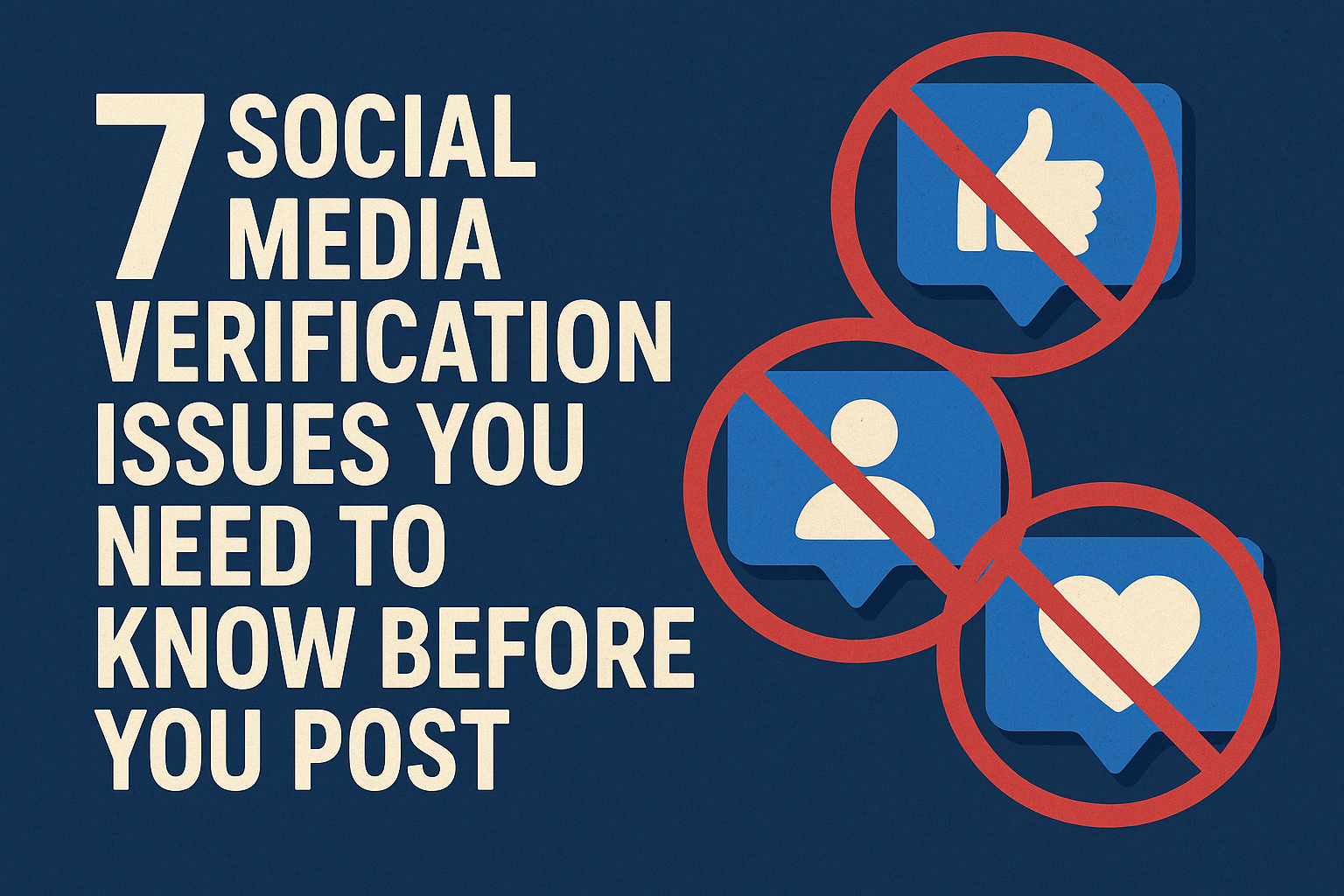
In the age of rapid information sharing and digital interactions, social media verification issues have become a hot topic among users, brands, and platforms alike. With the increasing influence of social media on public opinion, the need to ensure that content is credible and verified has never been more critical. However, as the landscape of social media evolves, verification processes often fall short, leading to confusion and misinformation. In this article, we will explore the various social media verification issues that users face today, providing you with insights into the challenges, solutions, and the broader implications for society.
Understanding Social Media Verification
Social media verification is the process by which platforms authenticate the identity of users, brands, and organizations. The most common form of verification is the blue checkmark that signifies a verified account, which many users associate with credibility and authority. However, the verification process is far from uniform across different platforms, leading to significant social media verification issues.
While platforms like Twitter and Instagram have established verification protocols, the criteria can be vague, often leading to confusion among users about what qualifies as a verified account. Additionally, the process can be time-consuming and inconsistent, creating barriers for users seeking to establish credibility online.
The Importance of Verification in the Digital Age
The significance of social media verification cannot be overstated. In an era where misinformation spreads like wildfire, verification serves as a crucial tool in maintaining trust and integrity online. Verified accounts can help users distinguish between genuine voices and impersonators, reducing the spread of false information.
Moreover, businesses and public figures often rely on verification to enhance their brand image and engage effectively with their audience. A verified status can lead to increased visibility and engagement, as users are more likely to trust information coming from verified sources. This underscores the need for robust verification processes that protect users from social media verification issues.
Common Social Media Verification Issues
Despite its importance, the verification process is fraught with challenges. Here are some of the most common social media verification issues users encounter:
- Inconsistent Criteria: Each platform has its own set of requirements for verification. For instance, Twitter requires users to have a profile picture, a confirmed phone number, and a certain number of followers, while Instagram may have different benchmarks. This inconsistency can frustrate users who feel they meet the criteria but are still denied verification.
- Limited Accessibility: Not all social media platforms offer verification to every user. Smaller accounts or new businesses may find themselves at a disadvantage when trying to establish credibility, as they are often overlooked in favor of larger, well-established accounts.
- Delayed Processing Times: The verification process can be slow, with users waiting weeks or even months for a response to their application. This delay can hinder users’ ability to engage meaningfully with their audience during critical moments.
- Public Perception: The perception of verification can also lead to social media verification issues. Users may equate verification with superiority, leading to a hierarchy of trust where unverified accounts are viewed with suspicion, regardless of their content quality or expertise.
Case Studies: High-Profile Verification Issues
Several notable incidents in recent years have highlighted the complexities surrounding social media verification issues. For example, public figures like politicians, celebrities, and journalists have faced challenges in securing verification despite their high profiles. One such instance involved a well-known journalist who was denied verification on Twitter, leading to public outcry and debates about the transparency of the verification process.
Furthermore, instances of impersonation have exacerbated these challenges. High-profile accounts are often targeted by impersonators seeking to spread misinformation or harass users. In such cases, the absence of a verified account can lead to significant reputational damage and confusion among audiences. These incidents underscore the need for more transparent and efficient verification processes across all platforms. (See: Social media verification overview.)
The Role of New Technologies in Verification
As technology evolves, so too does the potential for improving social media verification processes. Emerging technologies such as blockchain and artificial intelligence (AI) offer promising solutions to the verification challenges currently faced by users.
For instance, blockchain technology can provide a secure, tamper-proof method of verifying identities online. By creating decentralized records of verified accounts, platforms could enhance the transparency and reliability of their verification processes. AI, on the other hand, can assist in detecting fake accounts and identifying potential impersonators, streamlining the verification process for legitimate users.
Best Practices for Users Seeking Verification
For users seeking to navigate the complex world of social media verification, there are several best practices to consider:
- Understand Platform Criteria: Familiarize yourself with the specific requirements for verification on the platform you are using. Each platform has unique guidelines, and knowing these can help you tailor your application effectively.
- Build a Strong Online Presence: Focus on developing a robust online presence that showcases your expertise and credibility. Regularly engage with your audience and share high-quality content that resonates with them.
- Maintain Consistency: Ensure that your account information is consistent across platforms. This includes your profile picture, bio, and any linked websites. Consistency helps build trust with both your audience and the verification teams.
- Be Patient: The verification process can be lengthy and may require multiple attempts. Stay persistent and patient, and use the time to further enhance your online presence.
The Future of Social Media Verification
Looking ahead, the need for effective social media verification processes will only continue to grow. As digital interactions become increasingly intertwined with daily life, maintaining the integrity of information shared on social media is paramount. Platforms will need to adapt their verification processes to meet the evolving landscape, prioritizing user experience while combating misinformation.
Additionally, a collaborative approach involving users, platforms, and policymakers may be essential in establishing more comprehensive verification standards. By working together, stakeholders can create an environment where trust and credibility thrive, ultimately benefiting all users in the social media ecosystem.
Addressing Misinformation: The Role of Media Literacy
As social media verification issues persist, enhancing media literacy among users becomes increasingly important. Media literacy refers to the ability to access, analyze, evaluate, and create media in various forms. Educating users about how to critically evaluate online content can empower them to discern between verified and unverified information.
Workshops, online courses, and community initiatives aimed at improving media literacy can equip users with the tools they need to navigate social media responsibly. This proactive approach can reduce the reliance on verification alone as a means of establishing credibility, creating a more informed user base capable of questioning sources and verifying claims independently.
Statistics Highlighting the Impact of Verification
To further illustrate the importance of social media verification, consider the following statistics:
- According to a 2022 study by the Pew Research Center, 64% of Americans believe that social media platforms do not do enough to combat misinformation.
- A survey conducted by the Digital Media Association found that 70% of users trust verified accounts more than unverified ones, highlighting the crucial role verification plays in shaping perceptions of credibility.
- Research from the Oxford Internet Institute indicates that misinformation can spread on social media at a rate 6 times faster than verified information, demonstrating the urgent need for robust verification processes.
Expert Perspectives on Verification Challenges
To gain deeper insights into the challenges surrounding social media verification, we consulted industry experts:
Dr. Emily Chen, a social media analyst, notes, “The verification process needs to evolve with the digital landscape. As more users engage with platforms, the standards for verification must adapt to ensure that they maintain their credibility.” (See: Social media and health communication.)
In contrast, tech entrepreneur Jake Thompson argues, “Relying solely on badges or checkmarks is insufficient. We need to integrate more holistic methods of verification that account for user engagement, content quality, and community contributions.”
These perspectives emphasize the necessity for a multi-faceted approach to social media verification issues, advocating for a blend of technology, community involvement, and educational initiatives.
FAQ: Social Media Verification Issues
What is social media verification?
Social media verification is the process through which platforms authenticate the identity of users, organizations, or brands, often indicated by a blue checkmark or similar symbol.
Why is social media verification important?
Verification is crucial for establishing trust and credibility. It helps distinguish genuine accounts from impersonators, reducing the spread of misinformation and enhancing the overall quality of content on social media.
What are the common challenges faced during the verification process?
Common challenges include inconsistent criteria across platforms, limited accessibility for smaller accounts, delayed processing times, and the public’s perception of verified accounts as being superior.
How can users improve their chances of getting verified?
Users can improve their chances by understanding platform-specific criteria, building a strong online presence, maintaining consistency across profiles, and being patient throughout the verification process.
What role does technology play in improving verification processes?
Emerging technologies like blockchain offer secure methods for identity verification, while AI can help detect fake accounts, thus streamlining the verification process for legitimate users. (See: Challenges of social media verification.)
What can be done to enhance media literacy among social media users?
Offering workshops, online courses, and community initiatives can improve media literacy, empowering users to critically evaluate information and reduce the reliance on verification alone as a means of establishing credibility.
Exploring the Psychological Impact of Verification
Beyond the practical implications, social media verification issues can have a profound psychological effect on users. The desire for verification can lead to a phenomenon known as “social validation,” where individuals seek affirmation through external means. This need for validation can affect users’ mental health, leading to anxiety or disappointment when their accounts are not verified.
Moreover, the perceived social hierarchy created by verification can lead to issues of self-esteem among unverified users. Many individuals may feel inferior or less credible compared to their verified counterparts, which can discourage them from sharing their voices or contributing meaningfully to online discussions. This psychological aspect highlights the need for platforms to consider the emotional implications of their verification processes and work towards creating a more inclusive environment.
The International Landscape of Social Media Verification
Social media verification issues vary significantly across different countries and regions. In some countries, the verification process is more stringent, while in others, it may be more lenient or even non-existent. For example, in countries with strict government regulations, social media platforms may face pressure to verify accounts of public figures more rigorously to prevent the spread of dissent or misinformation.
Conversely, in regions where social media usage is burgeoning, many platforms are beginning to prioritize verification for emerging influencers and businesses to help foster trust within growing communities. This disparity emphasizes the importance of a nuanced understanding of social media verification issues globally, as local contexts significantly influence user experiences and the effectiveness of verification processes.
In conclusion, social media verification issues present significant challenges for users looking to establish credibility and trust online. By understanding these challenges, employing best practices, and advocating for improved verification processes, users can contribute to a more reliable and trustworthy social media landscape. As we move forward, the role of technology and collaboration will be critical in shaping the future of social media verification, ensuring that it meets the needs of users worldwide.
“`
Trending Now
- our breakdown of understanding the struggles of adhd executive function in middle school students
- Essential Guide: How to Create a 504 Plan for ADHD That Works
- Understanding ADHD in Kindergarten: Key Signs…
- the complete explanation
- 9 Effective Strategies for Supporting a Child with ADHD in Elementary School
Frequently Asked Questions
What are the common social media verification issues?
Common social media verification issues include vague criteria for verification, inconsistent processes across platforms, and lengthy waiting times. Users often find it difficult to understand what qualifies for a verified status, leading to confusion and frustration.
Why is social media verification important?
Social media verification is crucial for establishing trust and credibility online. It helps users identify genuine accounts and reduces the spread of misinformation, making it easier to distinguish between authentic voices and impersonators.
How can I get verified on social media?
To get verified on social media, users typically need to meet specific criteria set by each platform, such as having a significant following, a complete profile, and a recognizable presence. It's important to follow the verification guidelines provided by the platform.
What does a blue checkmark mean on social media?
A blue checkmark on social media indicates that an account has been verified by the platform, confirming the authenticity of the user, brand, or organization. It is often associated with credibility and authority.
What challenges do brands face with social media verification?
Brands face challenges such as unclear verification criteria, inconsistent application processes, and potential delays in receiving verification. These issues can hinder their ability to establish credibility and engage effectively with their audience.
Have you experienced this yourself? We’d love to hear your story in the comments.