
“`html
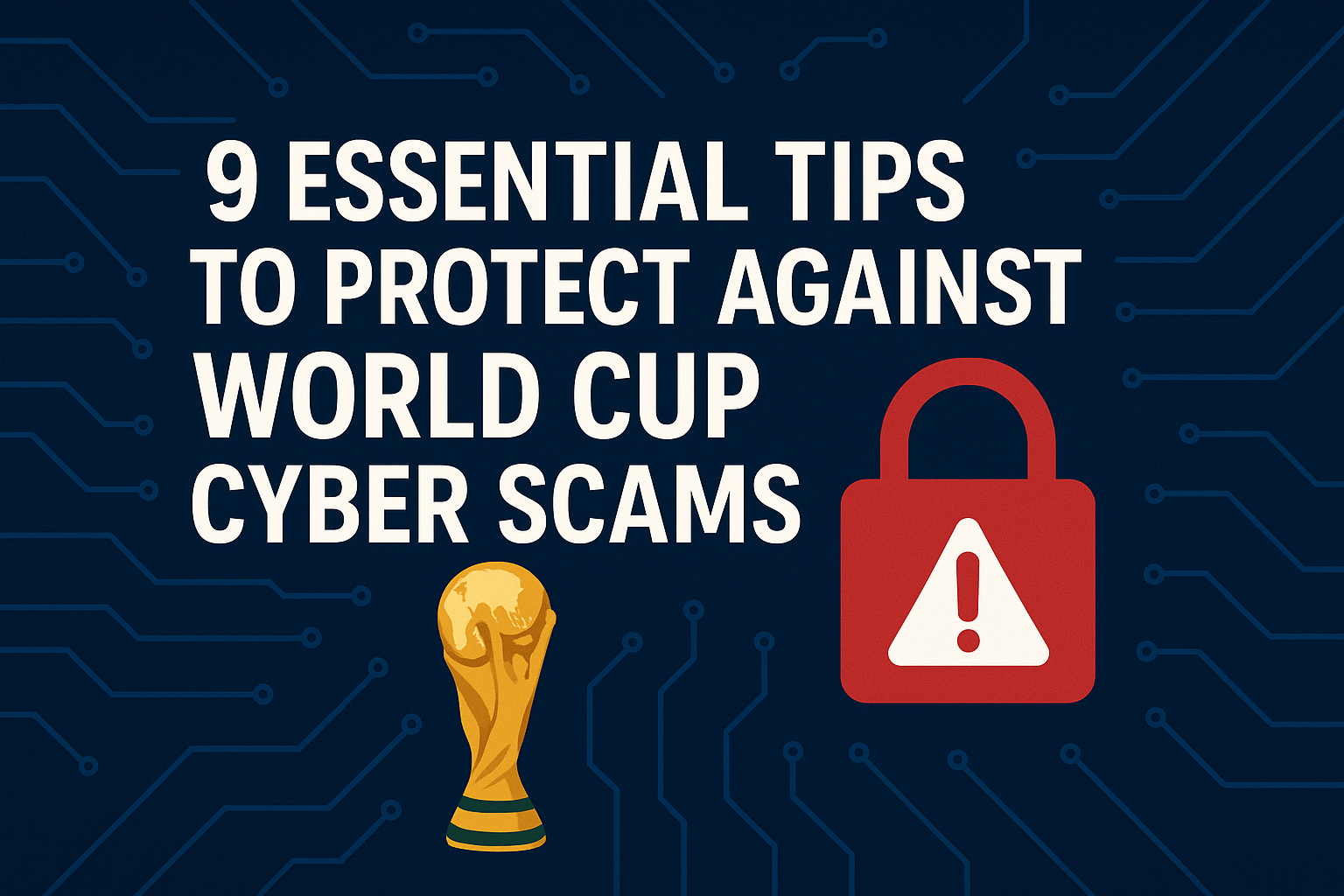
As the FIFA World Cup captures global attention, it also opens the floodgates for cybercriminals eager to exploit fans. With a staggering number of over 10,000 malicious domains surfacing since January, sports enthusiasts must be vigilant. This article explores how to protect against World Cup cyber scams, offering practical advice to safeguard your personal information and finances during this mega event.
1. Understand the Nature of the Threat
Before diving into protective measures, it’s crucial to grasp the tactics employed by cybercriminals. Many scams revolve around phishing, ticket fraud, and impersonation. According to recent studies, attackers are increasingly using platforms like Discord, WhatsApp, and Telegram to lure unsuspecting fans to fraudulent sites. These platforms, often perceived as safe spaces for communication, can unwittingly serve as gateways to scams.
In addition to ticket scams, there has been a rise in QR-code fraud. Cybercriminals can generate fake QR codes that direct users to malicious websites. Once there, victims may inadvertently share personal data, leading to identity theft or financial loss. Familiarizing yourself with these tactics is the first step in learning how to protect against World Cup cyber scams.
2. Recognize Suspicious Websites
One of the primary strategies to protect yourself is learning how to identify fraudulent websites. Legitimate sites usually possess secure connections, indicated by “https://” in the URL and a padlock symbol in the address bar. Be wary of sites that lack these security features. Additionally, look for misspellings or unusual domain endings, as these are common indicators of a scam.
Fake FIFA websites have emerged that mimic authentic platforms, often designed to collect your personal data. The FBI has already issued warnings about such scams. If a website seems off, it’s better to trust your instincts and seek out official channels to obtain information or tickets. Remember, if it looks too good to be true, it probably is.
3. Use Reliable Communication Channels
When it comes to purchasing tickets or engaging with promotions, always stick to official communication channels. Verify that the information you receive is from recognized sources. For example, if you receive a ticket offer via email or social media, cross-check it with FIFA’s official website or verified accounts.
Furthermore, avoid clicking on links from unknown or unsolicited messages. If you’re interested in a deal, navigate manually to the official website rather than using links. This simple practice can greatly reduce the risk of falling prey to phishing attacks.
4. Monitor Your Accounts Regularly
In a world where cyber scams are rampant, vigilance is your best defense. Regularly monitor your bank accounts and credit card statements for any unauthorized transactions. Enabling transaction alerts can serve as an early warning system, notifying you of any suspicious activity before it escalates.
If anything seems amiss, report it promptly to your bank or credit card company. This proactive approach not only helps mitigate potential losses but also raises awareness of ongoing scams, potentially leading to quicker resolutions. (See: online safety tips from CDC.)
5. Be Cautious with Personal Information
Protecting your personal information is paramount, especially during major events like the World Cup. Be mindful of the data you share online, especially on social media platforms. Cybercriminals may use information gleaned from your profiles to craft more convincing scams.
When asked for personal information, whether it’s for a contest or a ticket purchase, ensure you’re only providing what is absolutely necessary. Always question why an organization needs specific data, and don’t hesitate to ask for clarification. Keeping your personal information private can significantly reduce the risk of identity theft.
6. Enable Two-Factor Authentication
Two-factor authentication (2FA) adds an extra layer of security to your online accounts. By requiring a second form of verification—such as a text message code or an authentication app—2FA can help prevent unauthorized access, even if your password is compromised. Many platforms, including email providers and financial institutions, support this feature.
Implementing 2FA might seem like an inconvenience, but it’s a crucial step in learning how to protect against World Cup cyber scams. Make it a habit to enable this feature wherever possible, as it significantly enhances your account security.
7. Educate Yourself About Scams
Given the evolving nature of cyber threats, staying informed is essential. Regularly educate yourself about the latest scams and tactics used by cybercriminals, particularly those targeting sports fans during major events like the World Cup. Resources from cybersecurity organizations, government agencies, and trusted media outlets can provide valuable insights.
Participating in community discussions or forums can also keep you informed about real-time threats. Sharing experiences and knowledge with others can empower everyone to recognize and avoid potential scams more effectively.
8. Report Suspicious Activity
If you encounter suspicious websites or communications, reporting them can help others avoid falling victim. Organizations like the FBI and various cybersecurity agencies have dedicated channels for reporting scams. By taking the time to report these threats, you contribute to a safer online environment for all.
Additionally, spreading the word about scams within your community—whether online or offline—can alert others to potential dangers. Awareness is key to thwarting cybercriminals’ efforts, and collective vigilance can make a substantial difference.
9. Stay Informed About Security Updates
Finally, ensure that your devices are up to date with the latest security patches and updates. Software developers frequently release updates to fix vulnerabilities that cybercriminals may exploit. Keep your operating system, browsers, and apps updated to protect against the latest threats.
In addition to system updates, consider using reputable antivirus software. This can provide real-time protection against malware and other threats, adding another layer of security as you navigate the web during the World Cup. (See: New York Times on World Cup scams.)
10. Utilize Strong Passwords
Creating strong, unique passwords for each of your accounts is one of the most basic yet effective ways to protect yourself online. Avoid using easily guessable passwords like “123456” or “password.” Instead, opt for a combination of letters, numbers, and special characters. A password manager can help you create and store complex passwords securely.
Consider changing your passwords regularly, especially if you’ve been alerted to a data breach involving a service you use. This can limit the window of opportunity for cybercriminals who might have obtained your credentials.
11. Stay Aware of Social Engineering Tactics
Social engineering is one of the most manipulative tactics that cybercriminals use. They often impersonate trusted individuals or organizations to gain your confidence. Be cautious of unsolicited requests for information, even if they appear to come from a familiar source.
For instance, during the World Cup, you might receive messages pretending to be from a friend or a well-known sports figure, asking for help or sharing exclusive offers. Always verify the authenticity of such messages through different channels before taking any action.
12. Understand the Risks of Public Wi-Fi
Public Wi-Fi networks are convenient but can pose significant security risks. Cybercriminals can easily intercept data transmitted over these networks. If you plan to check your emails or make purchases while using public Wi-Fi, consider using a Virtual Private Network (VPN). A VPN encrypts your internet connection, making it more difficult for attackers to access your information.
Additionally, avoid logging into sensitive accounts when connected to public Wi-Fi. Wait until you have a secure connection to conduct any financial transactions or provide personal information.
13. Frequently Asked Questions (FAQ)
What are common types of World Cup cyber scams?
Common scams include fake ticket sales, phishing emails pretending to be from FIFA, and fraudulent merchandise offers. Always verify any purchase or communication through official channels.
How can I tell if a website is legitimate?
Look for “https://” in the URL and check for a padlock symbol in the address bar. Be cautious of websites with poor design, grammatical errors, or unusual domain names.
Is it safe to buy tickets online for the World Cup?
Yes, as long as you purchase tickets from official sources such as FIFA’s official website or recognized ticket vendors. Avoid third-party websites unless they are verified. (See: WHO on cybersecurity and health.)
What should I do if I fall victim to a scam?
Immediately report the incident to your bank or credit card company. You should also report the scam to the appropriate authorities, such as the FBI’s Internet Crime Complaint Center (IC3).
How can I protect my devices from malware?
Keep your software updated, use reputable antivirus programs, and be cautious about downloading attachments from unknown sources. Additionally, avoid clicking on suspicious links.
What are some statistics related to cyber scams during major events?
Research shows that cybercrime incidents can increase by as much as 50% during significant events like the World Cup. Many organizations report a surge in phishing attempts and fraudulent online sales around this time, underscoring the need for heightened vigilance.
Are there resources for learning more about online safety?
Yes, numerous organizations offer resources on online safety, including the Cybersecurity and Infrastructure Security Agency (CISA) and the Federal Trade Commission (FTC). They provide guidelines, tips, and updates on current threats to help keep you informed.
Can I protect my children from cyber scams during the World Cup?
Absolutely! Educate them about internet safety and the importance of not sharing personal information online. Encourage them to speak up about anything that seems suspicious and to only engage in online discussions on safe, monitored platforms.
As the excitement of the FIFA World Cup draws near, the risks associated with cyber scams intensify. By taking proactive measures, you can significantly enhance your security and enjoy the event without fear. Remember, knowledge is power, and being informed equips you with the tools needed to stay safe in this digital age.
“`
Trending Now
- our breakdown of unlock your potential with high-ticket sales training at fse llc
- our breakdown of why students with adhd struggle with pragmatic language skills: understanding the challenges
- Unlocking Communication: 7 Key Strategies for…
- read the full story
- our breakdown of 7 critical pragmatics challenges english language learners face (and how teachers can help)
Frequently Asked Questions
What are the common types of World Cup cyber scams?
Common types of World Cup cyber scams include phishing attempts, ticket fraud, and impersonation. Cybercriminals often use platforms like Discord and WhatsApp to lure fans into fraudulent websites, as well as employing QR-code fraud to trick users into sharing personal information.
How can I identify a fraudulent website?
To identify a fraudulent website, look for secure connections indicated by 'https://' and a padlock symbol in the address bar. Be cautious of misspellings, unusual domain endings, and websites that lack these security features, as they are often signs of scams.
What should I do if I encounter a suspicious website?
If you encounter a suspicious website, trust your instincts and avoid providing any personal information. It's advisable to seek out official channels for information or tickets instead of engaging with websites that appear off or untrustworthy.
Why are cybercriminals targeting World Cup fans?
Cybercriminals target World Cup fans due to the massive global attention the event garners, creating opportunities to exploit unsuspecting individuals. With thousands of malicious domains surfacing, fans are at risk of scams related to ticket sales and personal data theft.
How can I protect my personal information during the World Cup?
To protect your personal information during the World Cup, familiarize yourself with common scams, verify website security features, avoid sharing sensitive data on suspicious platforms, and always use official channels for ticket purchases and information.
What’s your take on this? Share your thoughts in the comments below — we read every one.