
“`html
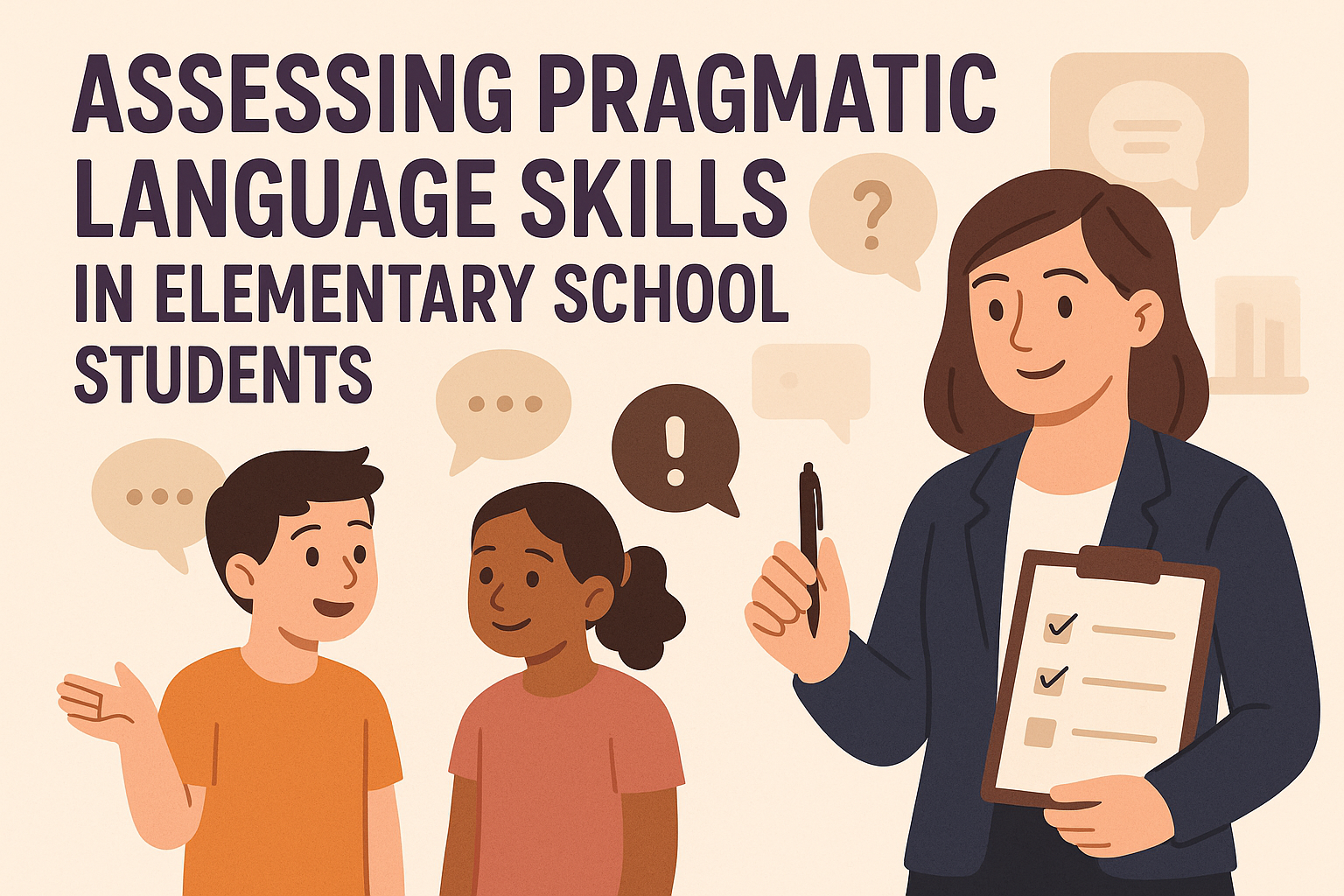
Assessing pragmatic language skills in elementary school students is crucial for understanding their overall communication capabilities. Pragmatic language encompasses the social aspects of communication, including how language is used in context, understanding social cues, and engaging in conversations. While traditional language assessments often focus on vocabulary and grammar, pragmatic language assessment tools play a pivotal role in identifying students’ social communication strengths and challenges.
The Importance of Pragmatic Language Skills
Pragmatic language skills refer to the ability to use language effectively in social situations. These skills are critical as they enable children to express their thoughts, share ideas, and engage in meaningful interactions with peers and adults. For elementary school students, effective communication is not just about speaking or writing correctly; it’s about understanding the unwritten rules of conversation, such as taking turns, maintaining a topic, and interpreting nonverbal cues.
Research indicates that children with strong pragmatic language skills are more likely to form friendships, excel in group projects, and succeed academically. Conversely, those struggling with these skills may face social isolation or academic difficulties. Therefore, early identification and support in developing pragmatic language skills can significantly impact a child’s educational journey.
Key Components of Pragmatic Language Assessment
When assessing pragmatic language skills, it’s essential to consider various components that contribute to effective communication. Here are some of the key areas evaluators focus on:
- Conversational Skills: This includes the ability to initiate conversations, maintain a topic, and appropriately respond to questions.
- Nonverbal Communication: Understanding body language, facial expressions, and eye contact is crucial for effective communication.
- Social Cues: Recognizing and interpreting social cues, such as tone of voice and context, is vital for appropriate responses.
- Turn-Taking: The ability to take turns during conversations and recognize when it’s another person’s turn to speak is key.
- Storytelling and Narrative Skills: Children must express ideas coherently and cohesively, often through storytelling.
Each component contributes to a child’s ability to communicate effectively in various social contexts. By understanding these elements, educators and speech-language pathologists can select appropriate pragmatic language assessment tools to evaluate students.
Types of Pragmatic Language Assessment Tools
Several pragmatic language assessment tools can help educators and practitioners evaluate a child’s pragmatic language skills. Here’s a closer look at some of the most widely used assessments:
1. Standardized Assessments
Standardized assessments are formal tests that provide quantifiable data regarding a child’s pragmatic language abilities. Tools such as the Pragmatic Language Skills Inventory (PLSI) and the Children’s Communication Checklist (CCC-2) are designed to assess various aspects of pragmatic language skills systematically. These tools often involve parent or teacher questionnaires that provide insights into a child’s pragmatic language use in different environments.
2. Observational Assessments
Observation is another effective method for assessing pragmatic language skills. Through structured observations, educators can analyze children’s interactions with peers in different settings, such as the classroom, playground, or during group activities. This approach allows for real-time assessment of pragmatic skills in naturalistic contexts, providing a clear picture of how a child uses language in everyday situations. (See: importance of communication skills.)
3. Dynamic Assessments
Dynamic assessments focus on measuring a child’s potential for learning and growth rather than just their current skill level. These assessments often involve providing a child with feedback and support during assessment tasks to see how they respond and whether they can improve their performance. This method is particularly useful for identifying children who may require additional support and intervention.
Implementing Pragmatic Language Assessments in Schools
Integrating pragmatic language assessment tools into the educational setting involves planning and collaboration among educators, speech-language pathologists, and caregivers. Here are some steps to effectively implement these assessments:
1. Training Educators
Educators play a vital role in identifying children who may exhibit challenges in pragmatic language skills. Providing training on how to recognize these difficulties and the importance of assessment tools is essential. Workshops and professional development opportunities can help teachers understand the nuances of pragmatic language and the various assessment techniques available.
2. Collaboration with Speech-Language Pathologists
Collaboration with speech-language pathologists is beneficial when implementing pragmatic language assessments. These professionals can provide expertise in selecting appropriate assessment tools, interpreting the results, and designing targeted interventions for students identified as needing support. Regular communication between educators and speech-language professionals ensures a cohesive approach to addressing pragmatic language skills.
3. Parent Involvement
Parents are a child’s first teachers and can provide invaluable insights into their pragmatic language abilities at home. Involving parents in the assessment process through surveys, questionnaires, or interviews enhances the accuracy of the assessment. Additionally, educating parents about the importance of pragmatic language skills can empower them to support their child’s development outside of school.
Challenges in Assessing Pragmatic Language Skills
While pragmatic language assessment tools are essential, several challenges can arise during the assessment process. Recognizing these challenges allows for better planning and improved outcomes:
1. Cultural and Linguistic Diversity
In today’s classrooms, cultural and linguistic diversity is prevalent. Children from different backgrounds may possess unique communication styles influenced by their culture. Assessing pragmatic language skills without considering these cultural differences may lead to misinterpretation of a child’s abilities. Therefore, assessment tools must be culturally sensitive and provide a comprehensive understanding of a child’s communication context.
2. Subjectivity in Observations
Observational assessments can be influenced by the observer’s biases and interpretations. What one teacher may perceive as a lack of social skills, another may interpret differently. To counteract this subjectivity, training observers and having multiple evaluators can provide a more balanced assessment of a child’s pragmatic skills.
3. Limited Resources
Many schools face resource constraints, making it challenging to implement comprehensive assessments effectively. Limited access to standardized assessment tools or trained personnel can hinder the assessment process. Advocacy for increased resources and dedicated time for assessments is necessary to ensure all students receive the support they need.
Strategies for Supporting Pragmatic Language Development
Once assessments identify children who may need support in pragmatic language skills, educators can implement various strategies to foster development: (See: children's communication development.)
1. Social Skills Training
Social skills training programs focus on teaching children the necessary skills for effective communication. These programs often include role-playing scenarios, social stories, and structured group activities to practice pragmatic language skills in a safe environment. Such interventions can significantly improve a child’s confidence and ability to communicate with peers.
2. Structured Peer Interactions
Facilitating structured peer interactions within the classroom can provide children with opportunities to practice their pragmatic language skills. Small group activities, cooperative learning, and guided play can encourage students to engage in conversation and develop their social communication skills.
3. Incorporating Technology
Technology can play a significant role in supporting pragmatic language development. Various apps and software programs focus on social communication skills, providing interactive and engaging ways for children to practice. Additionally, video modeling can help students observe and learn from appropriate social interactions.
Evidence-Based Practices in Pragmatic Language Assessment
To enhance the effectiveness of pragmatic language assessments, adopting evidence-based practices is essential. Research has shown that certain methods yield more accurate and actionable results. For instance, combining multiple assessment approaches can provide a more comprehensive view of a child’s skills. Using both standardized tests and observational methods allows for a triangulated understanding of a child’s pragmatic language abilities.
Furthermore, regular monitoring and progress tracking can highlight improvements or ongoing challenges in a child’s communication skills. Effective tracking may include using digital tools that can log interactions and provide analytics over time. This allows educators and therapists to adjust their strategies accordingly and ensure that interventions remain relevant and effective.
Real-World Applications of Assessment Results
Understanding the practical implications of assessment results is crucial for fostering children’s development. When educators and speech-language pathologists interpret the data from pragmatic language assessments, they can design individualized education plans (IEPs) or targeted interventions tailored to a child’s specific needs. This personalized approach ensures that children receive the necessary support to enhance their social communication skills.
For example, if an assessment reveals that a child struggles with initiating conversations, educators can incorporate specific activities into their routine that encourage open-ended questions and peer interactions. Similarly, if a child has difficulty interpreting social cues, role-playing exercises can be invaluable. These tailored interventions not only address immediate concerns but also equip children with the skills necessary for future social interactions.
Frequently Asked Questions about Pragmatic Language Assessment Tools
What are some signs that a child may have difficulties with pragmatic language skills?
Common signs include trouble starting or maintaining conversations, difficulty understanding jokes or sarcasm, challenges recognizing nonverbal cues, and frequent misunderstandings with peers. If these behaviors are observed consistently, further assessment may be warranted.
How can parents support their child’s pragmatic language development at home?
Parents can encourage pragmatic language skills by engaging in regular conversations with their child, modeling appropriate social interactions, and providing opportunities for playdates or group activities. Reading together and discussing stories can also help improve narrative skills.
Are there specific age ranges where pragmatic language skills are more crucial?
While pragmatic language skills are essential at all ages, they are particularly critical during the elementary years as children start to navigate more complex social interactions. Developing these skills early on can set a solid foundation for future communication success.
How can teachers incorporate pragmatic assessments into their curriculum?
Teachers can integrate pragmatic assessments by using informal checklists to observe student interactions during group work or play. They can also incorporate structured activities that specifically target social communication skills, such as team projects or discussion groups that emphasize turn-taking and topic maintenance.
What role does peer feedback play in developing pragmatic language skills?
Peer feedback can be incredibly beneficial in developing pragmatic language skills. Children often learn effectively from their peers, as they can give and receive feedback in a relatable context. Structured peer review sessions, where students discuss what went well and what could be improved, can foster a supportive environment for growth.
Conclusion: The Path Forward for Pragmatic Language Assessment
As educators continue to strive for holistic development in their students, pragmatic language assessment tools will remain pivotal in identifying and addressing communication challenges. By understanding the complexities of pragmatic language skills and implementing effective assessment strategies, we can create supportive environments that foster growth and engagement for all children. Early intervention and targeted support can pave the way for improved social interactions, academic success, and emotional well-being.
“`
Trending Now
- our breakdown of join nooro as an ios developer: a unique opportunity to shape senior wellness
- 12 Engaging Emotional Intelligence Activities for…
- 7 Essential Emotional Intelligence Skills Every High School Student Needs Before College
- read the full story
- 7 Effective Emotional Intelligence Activities for…
Frequently Asked Questions
What are pragmatic language skills in children?
Pragmatic language skills refer to the ability to use language effectively in social situations. These skills include understanding social cues, engaging in conversations, and using language appropriately in various contexts, which are essential for meaningful interactions with peers and adults.
Why are pragmatic language skills important for students?
Pragmatic language skills are crucial for students as they enable effective communication, help in forming friendships, and contribute to academic success. Strong skills in this area allow children to express thoughts clearly and navigate social interactions, ultimately enhancing their educational experience.
How can pragmatic language skills be assessed?
Pragmatic language skills can be assessed through various tools that evaluate conversational skills, nonverbal communication, and the ability to recognize social cues. These assessments help identify strengths and challenges in a child's social communication abilities.
What are the signs of poor pragmatic language skills?
Signs of poor pragmatic language skills include difficulty initiating or maintaining conversations, misunderstanding social cues, and struggling with nonverbal communication. Children may also exhibit challenges in forming friendships and engaging in group activities.
How can parents support their child's pragmatic language development?
Parents can support their child's pragmatic language development by encouraging social interactions, modeling effective communication, and engaging in activities that promote conversation skills. Additionally, providing feedback and practicing recognizing social cues can greatly enhance their child's abilities.
What did we miss? Let us know in the comments and join the conversation.