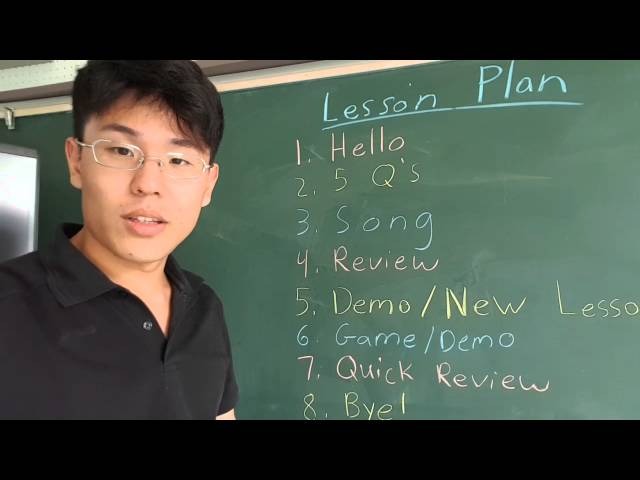

Creating an effective lesson plan is crucial for elementary school teachers to ensure that their students receive a well-structured and engaging learning experience. This guide will walk you through the process of making a comprehensive lesson plan tailored for elementary school students.
- Define Clear Objectives
Start by outlining what you want your students to achieve by the end of the lesson. These objectives should be:
- Specific
- Measurable
- Achievable
- Relevant
- Time-bound (SMART)
Example: “By the end of this lesson, students will be able to identify and name the primary colors.”
- Consider Your Students’ Needs
Take into account:
- Age group
- Prior knowledge
- Learning styles
- Special needs or accommodations
Tailor your lesson plan to meet these diverse needs.
- Choose Engaging Activities
Select activities that will help students meet the lesson objectives. For elementary students, consider:
- Hands-on experiments
- Group discussions
- Interactive games
- Arts and crafts projects
- Role-playing exercises
Ensure a mix of activities to cater to different learning styles.
- Gather Materials and Resources
List all the materials you’ll need for the lesson, such as:
- Textbooks
- Worksheets
- Art supplies
- Technology (computers, tablets, etc.)
- Visual aids (posters, charts, etc.)
Prepare these materials in advance to avoid last-minute scrambling.
- Create a Timeline
Break down your lesson into timed segments:
- Introduction (5-10 minutes)
- Main activity or instruction (20-30 minutes)
- Practice or application (15-20 minutes)
- Wrap-up and assessment (5-10 minutes)
Be flexible with timing, as young learners may need more or less time for certain activities.
- Plan for Differentiation
Include strategies to support students who may struggle with the content, as well as ways to challenge advanced learners. This might involve:
- Providing additional support materials
- Creating tiered assignments
- Offering choice in activities or projects
- Incorporate Assessment
Include both formal and informal assessments to gauge student understanding:
- Quick quizzes
- Exit tickets
- Observation of student work
- Group presentations
Use these assessments to inform future lessons and identify areas where students may need additional support.
- Prepare for Transitions
Plan smooth transitions between activities to maintain student engagement and minimize disruptions. Use techniques like:
- Countdown timers
- Transition songs or chants
- Clear verbal cues
- Include a Backup Plan
Always have a contingency plan in case:
- An activity finishes earlier than expected
- Technology fails
- Students struggle with a concept more than anticipated
Having backup activities or alternative explanations ready can save the day.
- Reflect and Revise
After teaching the lesson, take time to reflect on what worked well and what could be improved. Use this information to refine your lesson plan for future use.
By following these steps, you’ll create a comprehensive and effective lesson plan that engages your elementary school students and helps them achieve their learning goals. Remember, the key to successful lesson planning is flexibility and a willingness to adapt to your students’ needs.