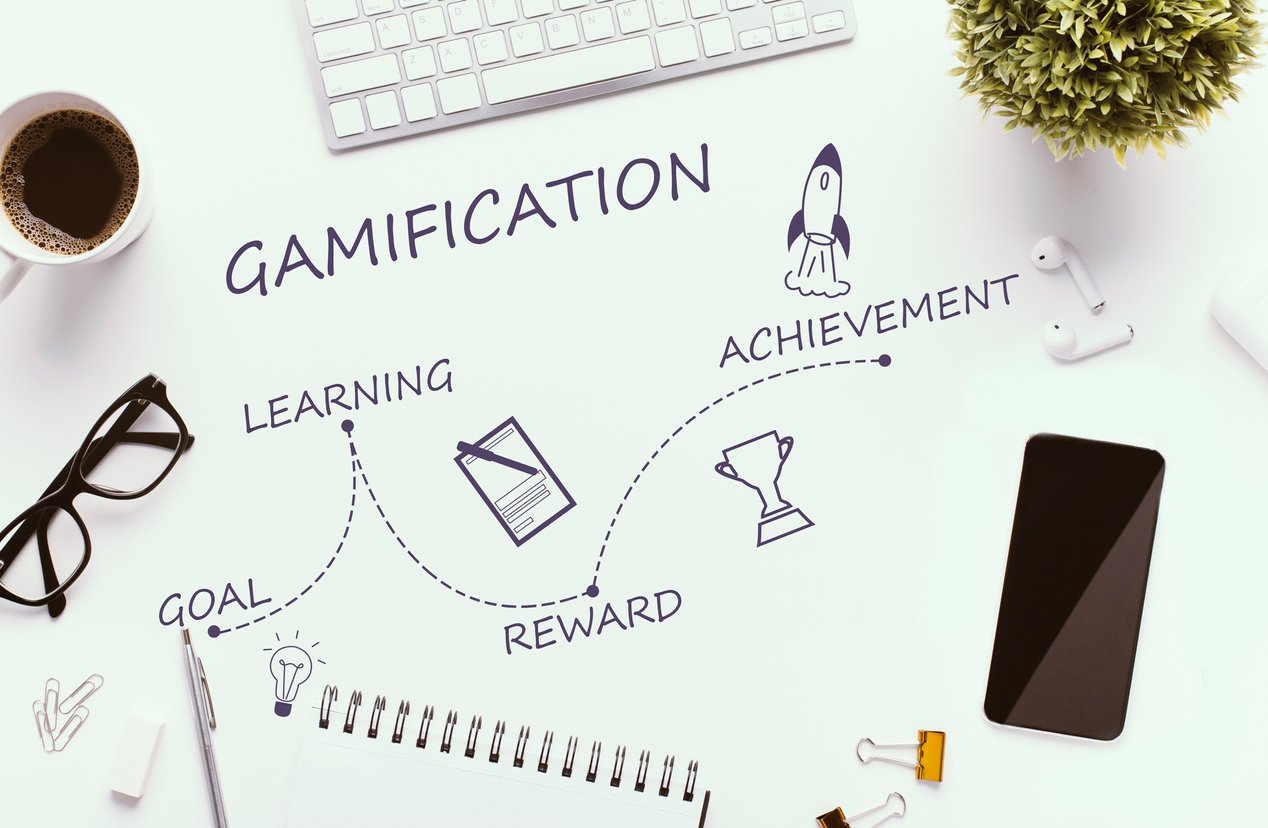

Gamification and game-based learning are increasingly being recognized as powerful tools for engaging students in STEM subjects. This trend leverages the inherent appeal of games to make learning more interactive, enjoyable, and effective.
Gamification involves applying game-design elements and game principles in non-game contexts. In STEM education, this might include using point systems, leaderboards, or achievement badges to motivate students and track their progress. For example, a chemistry class might use a digital platform where students earn points for correctly balancing chemical equations or identifying molecular structures.
Game-based learning, on the other hand, involves using actual games to teach STEM concepts. These can range from simple puzzle games that teach coding concepts to complex simulation games that model scientific phenomena. For instance, Minecraft: Education Edition is being used in schools to teach everything from basic math to complex engineering concepts.
One of the key benefits of gamification and game-based learning is their ability to provide immediate feedback and allow for safe failure. Students can experiment, make mistakes, and learn from them without fear of real-world consequences. This fosters a growth mindset and encourages persistence in problem-solving – crucial skills in STEM fields.
Moreover, games can make abstract STEM concepts more tangible and relatable. For example, a game simulating the spread of a virus can help students understand complex epidemiological models in a way that textbooks alone cannot.
The rise of virtual and augmented reality technologies is opening up new possibilities for immersive, game-like learning experiences in STEM. Students can now take virtual field trips to distant planets, manipulate 3D molecular models, or conduct virtual dissections.
Importantly, gamification and game-based learning are not just about making STEM subjects “fun.” When designed well, these approaches can enhance critical thinking, problem-solving, and collaboration skills. They can also help students develop persistence and resilience in the face of challenges – qualities that are essential in STEM careers.
As game design and educational technology continue to advance, we can expect to see even more sophisticated and effective implementations of gamification and game-based learning in STEM education. The goal is to harness the engaging power of games to create more interactive, personalized, and effective learning experiences in STEM subjects.