Introduction
The integration of artificial intelligence into education is no longer futuristic—it’s here and transforming how we teach and learn. As of 2025, educators worldwide are discovering innovative ways to leverage AI tools to enhance instruction, personalize learning, and reduce administrative burdens. This comprehensive guide provides 100 practical tips for educators at all levels to effectively implement AI in their educational practice.
Section 1: Getting Started with AI in Education
Understanding AI Fundamentals
- Start with AI literacy: Before implementing AI tools, take time to understand the basics of how AI works, including machine learning, natural language processing, and generative AI.
- Distinguish between AI types: Learn the differences between general AI assistants (like Gemini or ChatGPT), specialized educational AI tools, and AI embedded in existing educational platforms.
- Focus on pedagogical goals first: Identify your teaching objectives before selecting AI tools—technology should enhance, not determine, your pedagogical approach.
- Adopt a critical mindset: Approach AI with both enthusiasm and healthy skepticism, understanding its capabilities and limitations.
- Start small and scale up: Begin with one AI tool that addresses a specific need before expanding your AI toolkit.
Selecting the Right AI Tools
- Evaluate privacy policies: Ensure AI tools comply with educational privacy standards like FERPA and COPPA before classroom implementation.
- Consider accessibility features: Choose AI tools that accommodate diverse learning needs and disabilities.
- Check for education-specific versions: Many AI platforms offer education-tailored versions with additional safeguards and features for classroom use.
- Look for integration options: Prioritize AI tools that integrate with your existing learning management system and educational software.
- Assess cost structures: Understand the pricing model (free, freemium, subscription) and ensure it fits within your budget constraints.
Creating an AI-Friendly Classroom Environment
- Establish clear AI usage guidelines: Develop and communicate policies about when and how students can use AI tools.
- Design physical spaces for AI collaboration: Arrange classroom layouts that facilitate AI-enhanced group work and individual exploration.
- Ensure adequate technology access: Verify all students have equitable access to devices and internet connectivity needed for AI tools.
- Create a culture of AI ethics: Foster ongoing discussions about responsible AI use, bias, and digital citizenship.
- Prepare for technical challenges: Have backup plans for lessons when technology fails or AI tools don’t perform as expected.
Section 2: AI for Instructional Planning and Development
Lesson Planning and Content Creation
- Generate creative lesson ideas: Use platforms like Gemini to brainstorm engaging learning activities for different subjects and age groups.
- Create differentiated learning materials: Use AI to adapt content for various learning levels, styles, and needs within the same classroom.
- Develop multimedia resources: Leverage AI design tools like Canva’s Magic Write to create visually engaging presentations and instructional materials.
- Build interactive lesson sequences: Use tools like Curipod to generate complete interactive lessons with embedded activities and assessments.
- Translate materials for multilingual learners: Employ AI translation tools to make resources accessible to English language learners and for world language instruction.
Curriculum Development and Alignment
- Map curriculum to standards: Use AI to analyze lesson plans and align them with national, state, or district standards.
- Identify content gaps: Deploy AI to analyze your curriculum and identify missing concepts or areas needing reinforcement.
- Create concept progression maps: Use AI to visualize how concepts build upon each other throughout a course or academic year.
- Generate interdisciplinary connections: Ask AI to identify meaningful connections between your subject area and other disciplines.
- Develop competency frameworks: Use AI to help design clear progression pathways for skill development in your subject area.
Assessment Design
- Create varied assessment formats: Generate multiple types of assessments (quizzes, essays, projects) targeting the same learning objectives.
- Design authentic assessment scenarios: Use AI to develop real-world problems and scenarios that assess deeper learning.
- Generate rubrics: Create detailed assessment rubrics aligned with learning objectives and standards.
- Develop personalized assessments: Design adaptive assessments that adjust difficulty based on student responses, like those available in Quizizz.
- Create formative check-ins: Generate quick formative assessment activities to gauge understanding throughout a lesson.
Section 3: AI for Classroom Instruction
Enhancing Direct Instruction
- Create engaging demonstrations: Use AI-generated simulations and visualizations to explain complex concepts.
- Generate relevant examples: Ask AI to provide culturally relevant, up-to-date examples that resonate with your specific student population.
- Develop scaffolded explanations: Use AI to break down complex topics into sequenced, manageable components for gradually building understanding.
- Produce supplementary resources: Generate additional explanation materials for students to review difficult concepts outside class time.
- Create content summaries: Use AI to condense lengthy texts or concepts into accessible summaries for students.
Supporting Interactive Learning
- Generate discussion prompts: Use AI to create thought-provoking questions that stimulate critical thinking and classroom dialogue.
- Design collaborative activities: Ask AI to suggest group projects and activities that encourage peer learning and collaboration.
- Create role-playing scenarios: Generate realistic scenarios for students to practice skills through simulation and role-play.
- Develop debate frameworks: Use AI to create balanced perspectives on controversial topics for classroom debates.
- Design gamified learning experiences: Generate educational games and competitive elements to increase engagement.
Personalizing Instruction
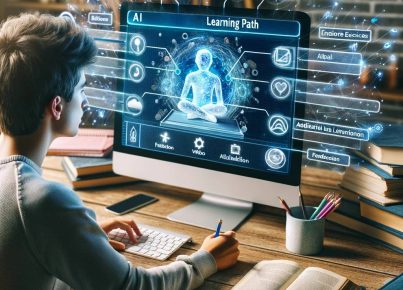
- Create learning paths: Use AI to develop individualized learning sequences based on student strengths, weaknesses, and interests.
- Generate student-specific examples: Ask AI to reframe concepts using examples relevant to individual student interests.
- Provide tiered challenges: Create progressively difficult practice activities that allow students to advance at their own pace.
- Support mastery learning: Develop additional practice opportunities for students needing reinforcement of specific skills.
- Extend learning for advanced students: Generate enrichment activities that deepen understanding for students ready for additional challenges.
Section 4: AI for Assessment and Feedback
Streamlining Grading Processes
- Automate objective assessments: Use AI tools to grade multiple-choice, true/false, and other objective question formats.
- Generate grading suggestions: Employ AI to provide initial assessment of subjective work, which teachers can then review and adjust.
- Create answer keys: Generate comprehensive answer guides for assignments to streamline manual grading.
- Analyze assessment data: Use AI to identify patterns in class performance and highlight areas needing reteaching.
- Track standards mastery: Implement AI systems that map assessment results to learning standards for progress monitoring.
Enhancing Feedback Quality
- Generate personalized feedback: Use AI to create individualized feedback addressing each student’s specific strengths and areas for improvement.
- Provide immediate responses: Implement AI tools that offer instant feedback during practice activities.
- Create feedback templates: Build a library of customizable AI-generated feedback responses for common issues.
- Offer multi-modal feedback: Provide feedback in various formats (text, audio, visual) to accommodate different learning preferences.
- Include growth mindset language: Generate feedback that emphasizes effort, improvement, and learning strategies rather than fixed ability.
Supporting Student Self-Assessment
- Create reflection prompts: Generate thoughtful questions that guide students through evaluating their own work.
- Develop peer review frameworks: Use AI to create structured peer feedback protocols for collaborative assessment.
- Build self-check resources: Create automated resources students can use to check their own understanding before formal assessment.
- Generate progress visualizations: Use AI to create visual representations of student growth over time.
- Design goal-setting frameworks: Provide AI-generated templates to help students set measurable learning goals.
Section 5: AI for Administrative Tasks
Reducing Paperwork
- Automate attendance tracking: Implement AI systems that use facial recognition or voice identification to record attendance.
- Generate parent communications: Use AI to draft newsletters, progress reports, and other routine parent communications.
- Create documentation templates: Build customizable templates for required educational documentation and reports.
- Streamline permission processes: Implement AI-powered systems for electronic permission slips and form collection.
- Organize digital resources: Use AI to categorize and tag digital teaching materials for easy retrieval.
Managing Time Effectively
- Build optimized schedules: Use AI to create teaching schedules that account for subject timing, student energy levels, and resource availability.
- Set up automated reminders: Implement AI systems that send timely reminders about upcoming deadlines and events.
- Generate agendas: Create efficient meeting and class session agendas that maximize productivity.
- Track time usage: Use AI analytics to understand how instructional time is being utilized and identify efficiency opportunities.
- Automate routine responses: Set up AI to handle frequently asked questions from students and parents.
Enhancing Professional Development
- Identify skill gaps: Use AI to analyze your teaching practice and suggest targeted areas for professional growth.
- Discover relevant resources: Employ AI to find research articles, professional development opportunities, and communities aligned with your needs.
- Create personal learning plans: Generate customized professional development pathways based on your goals and interests.
- Build professional portfolios: Use AI to help organize and showcase evidence of professional growth and student impact.
- Analyze teaching patterns: Use AI to review recorded lessons and identify patterns in questioning, wait time, and student engagement.
Section 6: AI for Student Support
Addressing Learning Needs
- Generate interventions: Create targeted support activities for students struggling with specific concepts.
- Identify potential learning disabilities: Use AI pattern recognition to flag potential learning challenges for professional evaluation.
- Create accommodation materials: Generate modified materials that implement required accommodations for students with IEPs or 504 plans.
- Build reading scaffolds: Use tools like Google’s “Help me read” on Chromebooks to support struggling readers.
- Provide language support: Implement AI translation and language learning tools like Google’s “Live Translate” to support multilingual learners.
Supporting Social-Emotional Learning
- Generate SEL activities: Create age-appropriate activities that develop social-emotional competencies.
- Monitor emotional indicators: Use AI tools that analyze student writing or speech patterns for signs of emotional distress.
- Create calming resources: Generate mindfulness activities and emotional regulation strategies personalized to student needs.
- Develop conflict resolution scenarios: Create realistic scenarios for students to practice conflict resolution skills.
- Build community-building activities: Generate inclusive classroom activities that strengthen relationships and belonging.
Fostering Student Agency
- Create student choice frameworks: Design structured but flexible frameworks for student decision-making in learning.
- Generate student-led project ideas: Provide AI-generated suggestions for independent or group investigations.
- Develop metacognitive prompts: Create reflective questions that help students understand their own learning processes.
- Design self-management tools: Build customizable planners and organizational systems to support executive function development.
- Create student leadership opportunities: Generate ideas for meaningful classroom roles and responsibilities.
Section 7: Ethical and Responsible AI Use
Addressing AI Ethics
- Teach source verification: Help students develop skills to verify information generated by AI against reliable sources.
- Address bias awareness: Guide students in recognizing potential biases in AI-generated content.
- Create attribution protocols: Establish clear guidelines for when and how to cite AI assistance in student work.
- Balance AI and human input: Design learning experiences that combine AI efficiency with irreplaceable human elements.
- Establish appropriate boundaries: Clearly define which tasks are appropriate for AI assistance and which should remain purely human efforts.
Preparing Students for an AI-Integrated Future
- Teach AI prompt engineering: Help students craft effective queries to get the most useful AI responses.
- Develop AI evaluation skills: Teach students how to critically evaluate the quality and limitations of AI-generated content.
- Integrate AI career awareness: Incorporate discussions about how AI is transforming various career fields and creating new opportunities.
- Foster human advantage skills: Emphasize development of creativity, empathy, ethical reasoning, and other distinctly human capabilities.
- Encourage AI innovation: Challenge students to imagine and design new applications of AI that could solve educational or societal problems.
Conclusion
The integration of AI into education represents one of the most significant shifts in teaching and learning practices in recent history. While AI offers powerful capabilities to enhance education, it remains a tool—one that is most effective in the hands of skilled, thoughtful educators. By approaching AI implementation strategically, ethically, and with a focus on pedagogical goals, teachers can harness these technologies to create more engaging, effective, and personalized learning experiences while preserving the irreplaceable human elements of education.
As we move further into this AI-enhanced educational landscape, ongoing professional learning, collaboration, and critical evaluation will be essential. The most successful educators will be those who neither resist AI advances nor surrender educational judgment to algorithms, but instead find the optimal balance—using AI to handle routine tasks while focusing their human expertise on the relationships, inspiration, and guidance that truly transform students’ lives.