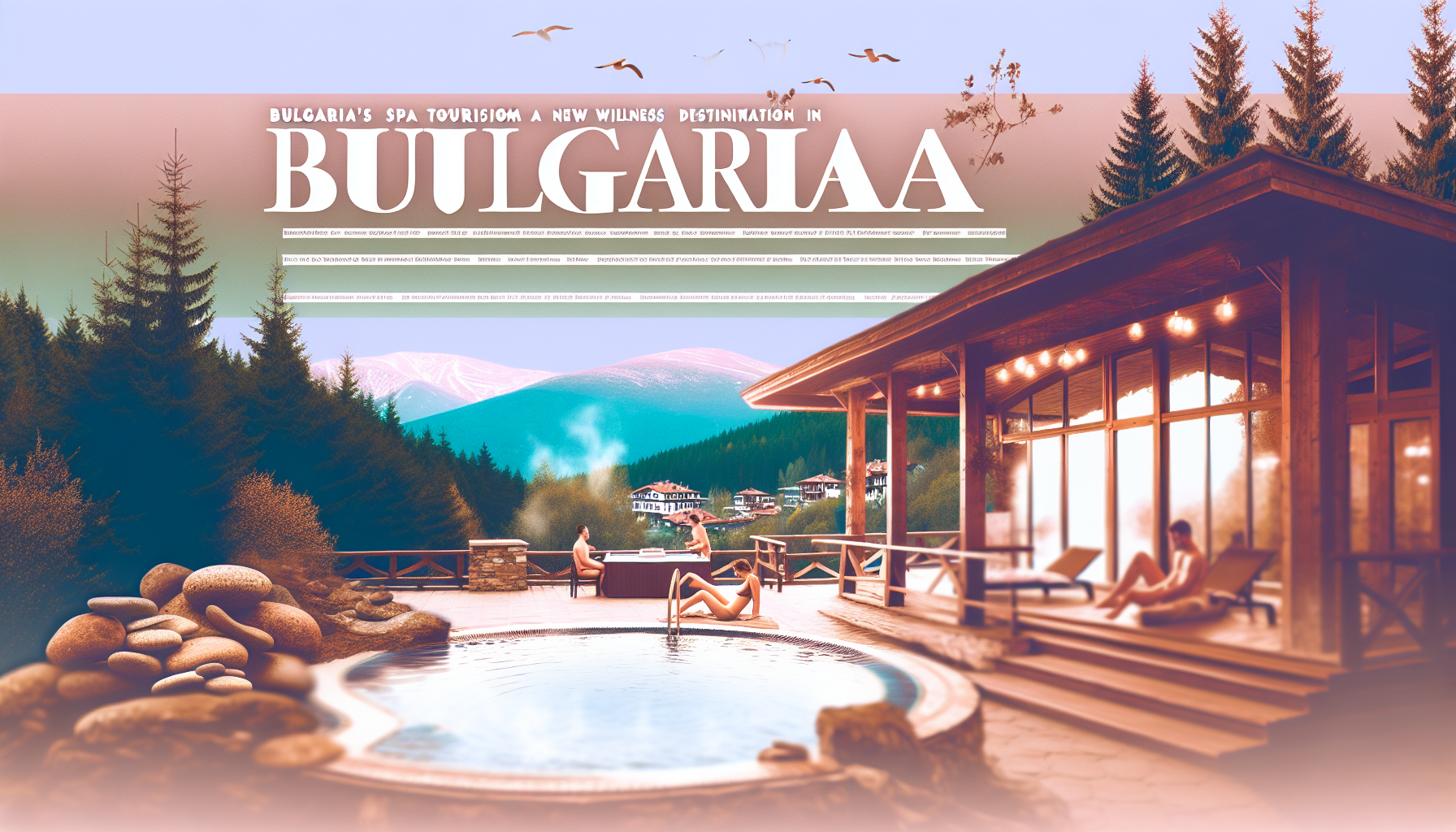

Bulgaria is quickly establishing itself as a premier destination for wellness tourism in Europe, capitalizing on its rich natural resources and dedication to health and relaxation. With over 700 mineral springs scattered throughout the country, known for their therapeutic properties, the nation is attracting a growing number of travelers seeking rejuvenation and healing.
Growth of Spa Tourism in Bulgaria
According to Irena Georgieva, Bulgaria’s caretaker Tourism Minister, spa tourism has witnessed an impressive 15% increase in recent years. This surge can be attributed to a rising global interest in wellness, as more people prioritize health and well-being during their travels. The Bulgarian government is keen to promote this trend, highlighting the country’s unique offerings and natural advantages.
Year-Round Wellness Strategy
The Bulgarian Tourism Ministry has developed a comprehensive year-round strategy that encompasses not only spa tourism but also focuses on various aspects of travel, including:
- Health tourism – Leveraging the healing properties of mineral springs and wellness facilities.
- Culinary tourism – Showcasing the country’s rich gastronomic heritage.
- Mountain tourism – Promoting Bulgaria’s stunning natural landscapes for hiking and outdoor activities.
- Pilgrimage tourism – Highlighting Bulgaria’s historical and religious sites.
- Luxury travel – Attracting high-end travelers with premium spa services and accommodations.
This multi-faceted approach aims to draw a diverse range of tourists, ensuring that Bulgaria becomes synonymous with wellness and relaxation.
2026: A Landmark Year for Bulgarian Tourism
As part of its strategic planning, Bulgaria has designated 2026 as the ‘Year of Cultural Tourism’. This initiative seeks to promote the country’s rich cultural heritage alongside its wellness offerings. Coinciding with this, Bulgaria is set to adopt the euro in January 2026, becoming the 21st country to use the common European currency. This transition is expected to enhance tourism prospects, simplifying transactions for international visitors.
Mixed Reactions to Euro Adoption
While the adoption of the euro is anticipated to boost tourism, it has received mixed reactions from Bulgarian citizens. Some view it as a necessary step towards economic integration with the European Union, while others express concerns about potential price increases and the loss of national identity. Regardless, the government is optimistic that this change will ultimately contribute to a flourishing tourism sector.
Exploring Bulgaria’s Wellness Offerings
Travelers flocking to Bulgaria can expect a wide array of wellness experiences tailored to their needs. Here are some key attractions:
Mineral Springs
Bulgaria is home to numerous mineral springs, each offering unique healing properties. Some of the most notable include:
- Velingrad – Known as the ‘Spa Capital of the Balkans,’ it has over 80 mineral springs with varying temperatures and mineral content.
- Sandanski – Famous for its warm climate and therapeutic springs rich in calcium, magnesium, and other minerals.
- Hisarya – Renowned for its ancient Roman ruins and healing waters that are said to treat various ailments.
These locations not only provide therapeutic benefits but also beautiful landscapes, making them ideal for a restorative getaway.
Spas and Wellness Centers
In addition to natural springs, Bulgaria boasts a variety of modern spas and wellness centers that offer a range of treatments:
- Thermal baths – Many resorts feature thermal baths that utilize natural mineral waters for relaxation and therapy.
- Holistic treatments – From aromatherapy to reflexology, wellness centers provide diverse holistic therapies.
- Fitness and nutrition programs – Tailored packages often include fitness classes, healthy meals, and wellness workshops.
These facilities cater to both relaxation seekers and health enthusiasts, ensuring a personalized experience.
Embracing Nature and Culture
Beyond its wellness offerings, Bulgaria is rich in cultural heritage, and exploring this aspect adds depth to any visit. The country is dotted with:
- UNESCO World Heritage Sites – Such as the Rila Monastery and the Thracian Tomb of Kazanlak.
- Traditional villages – Where travelers can experience authentic Bulgarian culture, cuisine, and hospitality.
- Festivals – Celebrating everything from folklore to wine, providing a glimpse into the vibrant local culture.
Combining wellness with cultural exploration creates a holistic travel experience that resonates with many tourists today.
Conclusion: A Bright Future for Bulgarian Wellness Tourism
Bulgaria’s commitment to developing its wellness tourism sector reflects a broader trend towards health and well-being in travel. With its wealth of mineral springs, modern wellness facilities, and rich cultural heritage, the country is poised to become a leading destination for those seeking relaxation and rejuvenation. As it prepares for the significant changes in 2026, including euro adoption and a focus on cultural tourism, Bulgaria’s future in the wellness market looks promising, inviting travelers to discover its myriad offerings.