
“`html
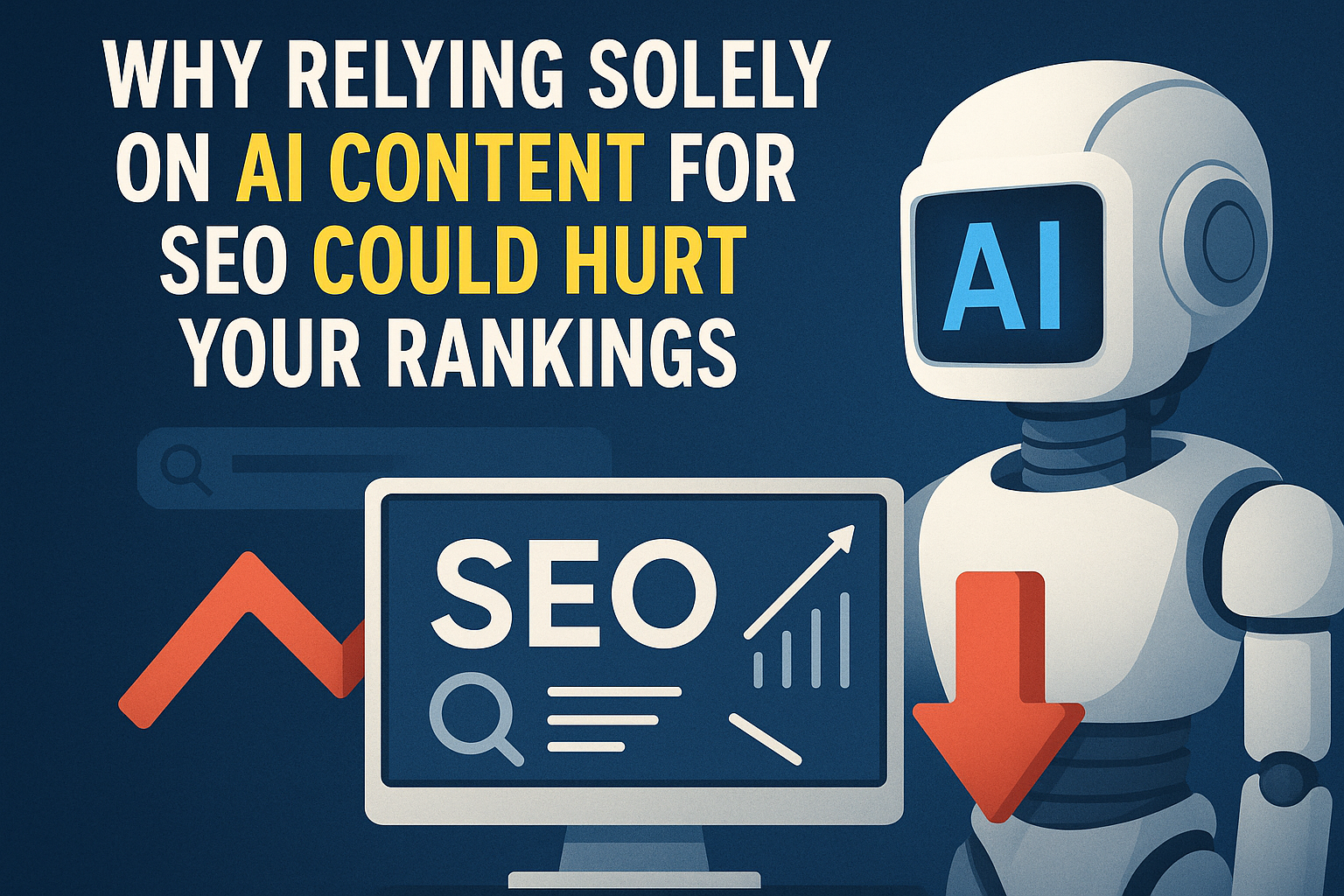
The landscape of digital marketing is in constant flux, with trends emerging and fading at an astonishing pace. One of the most talked-about phenomena in recent years is the rise of AI content and SEO. Businesses have jumped on the bandwagon, believing that AI-generated content would be the silver bullet for improving their search engine rankings. However, a closer examination reveals that simply producing AI content is not the panacea many hoped it would be. In fact, numerous marketers are discovering that their rankings have not improved despite their heavy investments in AI-generated content. This article delves into why AI content alone isn’t enough and what strategies businesses should adopt to genuinely enhance their SEO performance.
The Promise of AI Content in SEO
AI technology has made remarkable strides, enabling content generation that can mimic human writing styles and cater to various niches. The allure of AI content and SEO stems from the promise of scalability and efficiency. With AI tools, marketers can produce articles, blog posts, and social media content at an unprecedented rate. This capability is particularly appealing for businesses looking to keep up with the ever-increasing demand for fresh content.
When AI content first burst onto the scene, many companies believed that pumping out large volumes of AI-generated articles would naturally lead to better SEO outcomes. The rationale was clear: more content equals more opportunities to rank for relevant keywords. However, many marketers find themselves in a disillusioned state, realizing that this strategy has not translated into the expected ranking gains.
Understanding the Limitations of AI-Generated Content
Despite the potential benefits of AI content, it comes with inherent limitations that can undermine its effectiveness in boosting SEO rankings. Here are a few critical factors to consider:
- Lack of Originality: AI content often relies on existing information from various sources, which can lead to a lack of unique insights. Search engines prioritize original content that offers new perspectives or data. If the AI-generated articles are merely rehashes of existing content, they are less likely to attract attention from search engines.
- Quality Over Quantity: While AI can produce content at scale, the quality of this content can vary significantly. Search engines like Google increasingly focus on E-A-T (Expertise, Authoritativeness, Trustworthiness). AI-generated content may struggle to meet these criteria, as it often lacks the depth and nuance that human writers can provide.
- Understanding User Intent: AI tools may not fully grasp the complexities of user intent behind search queries. Effective SEO involves aligning content with what users are actually searching for, something that AI may not handle as adeptly as human writers.
These limitations highlight the fact that simply generating content with AI is not a substitute for a well-rounded SEO strategy.
Why Businesses Are Seeing Little to No Improvement in SEO Rankings
Marketers who have invested in AI content generation are often faced with the harsh reality that their efforts have yielded minimal or no improvement in SEO rankings. Several reasons account for this disconnect:
- Content Saturation: The internet is already saturated with content, and adding more does not guarantee visibility. If multiple businesses produce similar AI-generated content on the same topic, it dilutes the potential impact of any one piece. Consequently, the competition becomes stiffer, making it challenging for any single article to stand out.
- Search Engine Algorithms: Search engines continuously evolve their algorithms to prioritize high-quality, relevant content. AI-generated articles may not align with the latest algorithm updates designed to filter out low-quality or repetitive content. As a result, these articles may fail to rank effectively.
- Failure to Optimize: Even AI-generated content needs optimization for SEO to be effective. If businesses neglect essential aspects like keyword research, meta descriptions, and link building, they may find that their AI content simply isn’t being indexed or ranked appropriately.
These factors contribute to the frustration and confusion many marketers face as they attempt to leverage AI content for SEO success. (See: AI content and SEO insights.)
Effective Strategies Beyond AI Content for SEO
Recognizing the limitations of AI content is critical, but businesses must also pivot their approach to SEO to achieve meaningful results. Here are some actionable strategies to consider:
- Focus on Quality Content: Invest in high-quality, in-depth content that genuinely provides value to your audience. This means creating articles that are well-researched, engaging, and answer common questions or pain points faced by your target audience. Quality content is more likely to earn backlinks and social shares, which can significantly improve SEO rankings.
- Leverage Human Expertise: Incorporate human writers and subject matter experts into your content strategy. Their insights and perspectives can enhance content quality and provide the E-A-T that search engines value. Additionally, human writers can create content tailored to the specific needs and preferences of your audience.
- Optimize for Search Engines: Ensure that every piece of content, whether generated by AI or humans, is properly optimized for SEO. This includes conducting keyword research, utilizing appropriate meta tags, optimizing images, and incorporating internal and external links. These practices help search engines understand your content’s relevance and context.
- Enhance User Experience: A well-designed website that is easy to navigate can significantly impact SEO. Focus on improving site speed, mobile responsiveness, and overall user experience. The longer users stay on your site and the more pages they visit, the better your chances of improving your rankings.
- Engage with Your Audience: Foster a community around your content by encouraging feedback, comments, and discussions. Engaging with your audience can lead to more shares and backlinks, which are vital for improving your SEO performance.
By implementing these strategies, businesses can create a more effective SEO approach that goes beyond the limitations of AI content.
Case Studies: Successful SEO Strategies that Utilize AI Responsibly
While AI content alone may not yield the desired results, several organizations have found ways to integrate AI into their broader SEO strategies effectively. Here are a couple of case studies that illustrate how AI can complement traditional SEO efforts:
Case Study 1: A Tech Company
A well-known tech company began using AI tools to generate blog ideas and outlines while relying on its in-house team to produce the final content. By utilizing AI for brainstorming and research, the company was able to enhance its content creation process without compromising quality. As a result, their blog traffic increased by 75% within six months, demonstrating that AI can serve as a valuable tool rather than a standalone solution.
Case Study 2: An E-commerce Brand
An e-commerce brand implemented AI to analyze customer behavior and preferences, allowing them to tailor content and product descriptions accordingly. While they did use AI to generate some of their content, the company emphasized the importance of human oversight and quality control. This approach led to a 50% increase in organic traffic and significantly improved conversion rates.
These case studies highlight that AI can play a role in enhancing SEO strategies, but it should not be relied upon exclusively.
Future Trends in AI Content and SEO
As technology continues to evolve, so too will the relationship between AI content and SEO. Businesses should be aware of the forthcoming trends that will shape this dynamic: (See: Research on AI-generated content.)
- Greater Personalization: AI tools are increasingly capable of analyzing vast amounts of data to create more personalized content experiences. This means that businesses can tailor their SEO strategies based on detailed user profiles and behavior, potentially leading to higher engagement and conversions.
- Voice Search Optimization: With the rise of voice-assisted devices, optimizing content for voice search will become increasingly important. Businesses may need to adjust their SEO strategies to accommodate conversational queries, which often differ from traditional text-based searches.
- Integration of AI with Natural Language Processing (NLP): As NLP technology advances, AI-generated content will likely become more sophisticated, better understanding context and sentiment. This can lead to improved content relevance and enhanced SEO performance.
Strategies for Integrating AI Content with SEO
To derive maximum benefit from AI content in SEO strategies, businesses should consider integrating AI solutions thoughtfully. Here are several strategies to facilitate this integration:
- Content Gap Analysis: Use AI to identify gaps in existing content. By analyzing competitor content and search queries, businesses can pinpoint topics that need to be addressed, ensuring that AI-generated content fills these gaps effectively.
- Performance Tracking: Implement AI tools to monitor content performance in real time. By analyzing engagement metrics, businesses can quickly pivot their content strategies, optimizing AI-generated articles for better performance based on data-driven insights.
- Automated A/B Testing: Leverage AI for A/B testing different headlines, formats, and calls to action. By automating this process, businesses can gather insights faster and optimize their content based on what resonates best with their audience.
- Dynamic Updating: AI can help businesses keep their content current by suggesting updates based on trending topics and evolving user preferences. This ensures that content remains relevant over time, which is crucial for maintaining SEO rankings.
Frequently Asked Questions (FAQ)
1. Can AI-generated content rank on Google?
Yes, AI-generated content can rank on Google, but it must be high-quality, relevant, and meet Google’s quality guidelines. Simply generating content using AI does not guarantee ranking success.
2. How can I ensure my AI content is optimized for SEO?
To optimize AI-generated content for SEO, conduct thorough keyword research, use appropriate meta tags, ensure proper formatting, and incorporate internal and external links. Additionally, review and edit the content to ensure clarity and relevance.
3. Should I replace human writers with AI?
No, while AI can be a valuable tool for content generation, it should not replace human writers. The human touch is essential for creating authentic, insightful, and engaging content that resonates with readers.
4. How can I measure the effectiveness of AI-generated content?
Track the performance of AI-generated content by monitoring key metrics such as organic traffic, engagement rates, social shares, and conversion rates. Analyzing these metrics will help you understand the impact of AI content on your SEO strategy.
5. What is the future of AI in SEO?
The future of AI in SEO looks promising, with advancements in personalization, voice search optimization, and natural language processing. Businesses that adapt to these trends will likely gain a competitive edge in their SEO strategies.
6. Can AI help in keyword research?
Absolutely! AI tools can analyze search trends, user behavior, and keyword performance to provide marketers with insights into which keywords to target, helping optimize content for better search visibility. (See: The rise of AI in content creation.)
7. How can I combine AI content with traditional SEO tactics?
Combine AI content with traditional SEO tactics by ensuring that human oversight is applied to the AI-generated content, focusing on keyword optimization, and continuously optimizing the content based on performance data. This hybrid approach can enhance the effectiveness of both methods.
Conclusion: Finding the Balance
As businesses navigate the complexities of AI content and SEO, it becomes clear that a balanced approach is essential. While AI-generated content can contribute to a more extensive content strategy, it should not replace the human touch that brings authenticity, quality, and relevance to the forefront.
Enterprises must prioritize quality over quantity, invest in human expertise, and maintain a focus on optimizing content for search engines. By doing so, they can harness the power of AI as an effective tool within a robust SEO strategy, ultimately leading to improved rankings and increased visibility.
Rather than succumbing to the allure of quick fixes provided by AI, businesses should take the time to craft a comprehensive approach that serves both their audience and their SEO objectives. Only then can they hope to thrive in the ever-competitive digital landscape.
“`
Trending Now
- Is Canada’s Ebola Travel Policy Justified?…
- our breakdown of the alarming ai adoption gap: are gender and generation leaving small business owners behind?
- the complete explanation
- 7 Reasons Parents Are Demanding New…
- our breakdown of 7 reasons why real attack response experience is crucial for cisos
Frequently Asked Questions
Can AI-generated content hurt my SEO rankings?
Yes, relying solely on AI-generated content can hurt your SEO rankings. While AI can produce content quickly, it often lacks originality and depth, which search engines prioritize. Businesses may find that their rankings do not improve despite high volumes of AI content.
Why is AI content not enough for SEO?
AI content is not enough for SEO because it typically lacks the unique insights and engagement that human-generated content provides. Search engines favor high-quality, original content that resonates with users, which AI often struggles to achieve.
What are the limitations of AI content for SEO?
The limitations of AI content for SEO include a lack of originality, potential inaccuracies, and a failure to address user intent effectively. These factors can lead to lower engagement and diminished rankings on search engines.
How can businesses improve their SEO beyond AI content?
Businesses can improve their SEO by focusing on creating high-quality, original content that engages their audience. This includes incorporating user feedback, optimizing for relevant keywords, and ensuring that content aligns with user intent and search trends.
Is it worth investing in AI content for my business?
Investing in AI content can be beneficial for scalability and efficiency, but it should not be the sole strategy. Businesses should balance AI-generated content with high-quality, human-written articles to achieve better SEO results and maintain audience engagement.
Agree or disagree? Drop a comment and tell us what you think.