
“`html
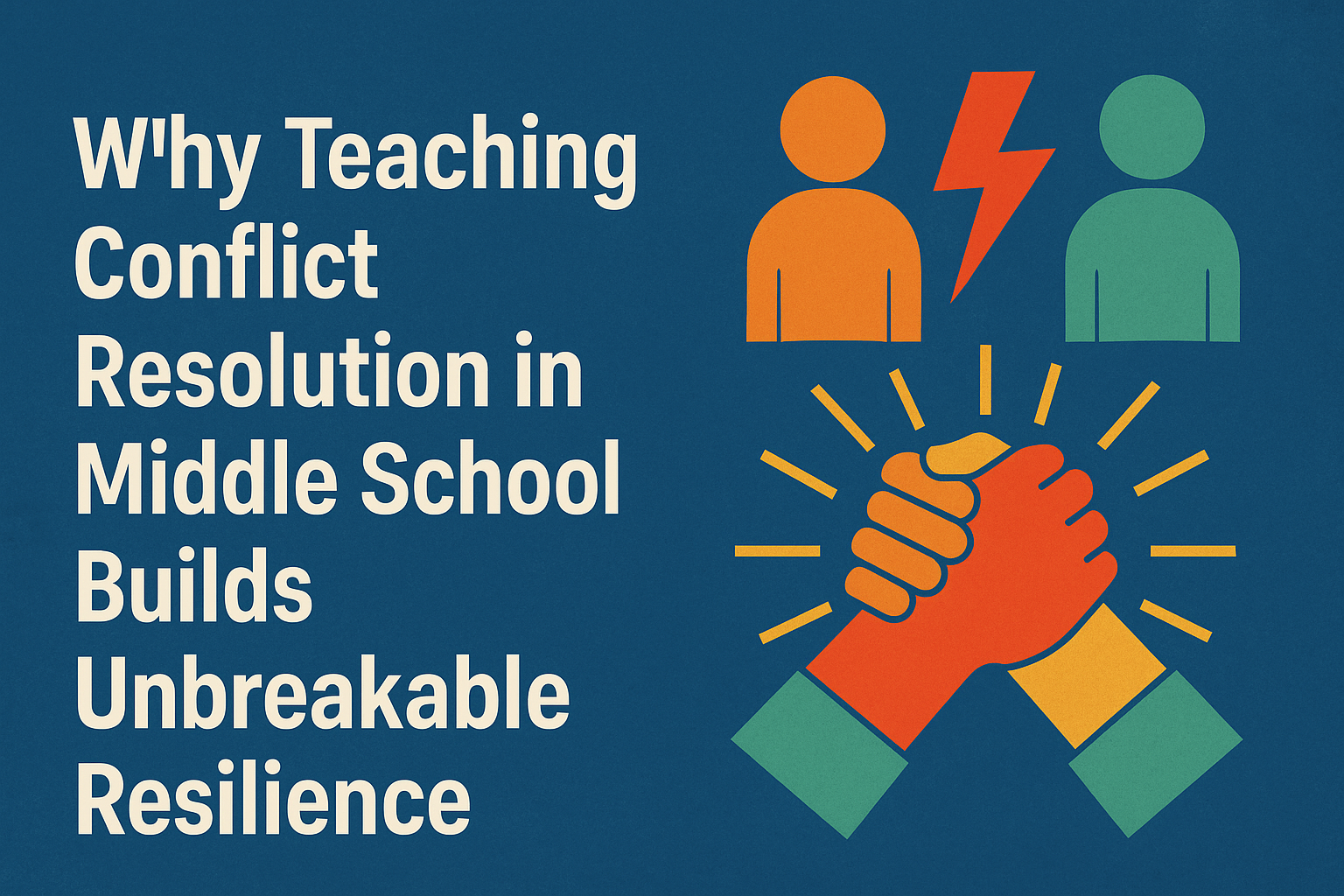
In the dynamic landscape of middle school, where students are navigating the turbulent waters of adolescence, conflict resolution in middle school emerges as an essential skill. This period is not just about academics; it’s a time when social dynamics shift dramatically, and students are faced with interpersonal conflicts that can significantly impact their emotional development. Understanding how to manage conflict effectively can foster resilience in students, equipping them with the tools they need to handle challenges both in and out of the classroom.
The Importance of Conflict Resolution
Conflict resolution is the process through which two or more parties reach an agreement to resolve a disagreement. In middle school, conflicts can arise from various sources: peer pressure, competing interests, and the natural desire to assert independence. When students are taught to resolve conflicts constructively, they learn essential skills like empathy, critical thinking, and communication. Studies show that schools that implement conflict resolution programs see a decrease in bullying incidences and an improvement in overall school climate.
One of the most significant benefits of teaching conflict resolution in middle school is the promotion of emotional intelligence. Students become more aware of their emotions and those of their peers, leading to better interpersonal relationships. Additionally, they learn to manage their reactions to conflict rather than resort to negative behaviors. This emotional acuity prepares students not just for high school, but for life beyond the classroom.
How Conflict Resolution Promotes Resilience
Resilience is the capacity to recover quickly from difficulties. By learning how to resolve conflicts, students develop resilience in several key ways:
- Problem-Solving Skills: Conflict resolution requires analyzing a situation, exploring options, and understanding different perspectives. This critical thinking fosters a problem-solving mindset that enables students to tackle challenges head-on.
- Emotional Regulation: Handling conflicts teaches students to manage their emotions, helping them to avoid impulsive reactions. This skill is crucial during the emotional turmoil of adolescence.
- Building Confidence: Successfully resolving conflicts empowers students, reinforcing their belief that they can handle situations effectively. This sense of agency is fundamental to resilience.
- Social Skills: Engaging with peers to resolve conflicts enhances communication and negotiation skills, which are vital for future collaborations and relationships.
As students learn these skills, they not only become adept at managing conflicts but also develop a mindset that views challenges as opportunities for growth. This shift in perspective is at the core of resilience.
Effective Strategies for Teaching Conflict Resolution
Implementing conflict resolution education in middle schools requires thoughtful strategies. Here are some effective approaches:
1. Role-Playing Exercises
Role-playing is a powerful tool that allows students to practice conflict resolution in a controlled environment. By acting out various scenarios, students can explore different perspectives and experiment with resolving conflicts without the fear of real-world repercussions. Teachers can guide discussions post-role-play to reflect on what strategies worked, what didn’t, and why.
2. Peer Mediation Programs
Peer mediation empowers students to help their peers resolve conflicts. Training selected students as mediators fosters leadership skills and encourages a supportive school environment. Through peer mediation, students learn to listen actively, remain neutral, and facilitate discussions, ultimately leading to resolutions that are acceptable to all parties involved.
3. Collaborative Problem-Solving
Encouraging students to work together to solve problems can be a fantastic way to teach conflict resolution. Group projects that require collaboration can lead to disagreements. By guiding students through these disputes and emphasizing collective brainstorming for solutions, teachers can foster an understanding of the importance of teamwork and compromise. (See: youth violence prevention essentials.)
4. Conflict Resolution Workshops
Hosting workshops focusing on conflict resolution can be beneficial. These workshops can include discussions on emotional intelligence, negotiation tactics, and stress management. Bringing in guest speakers, such as counselors or community leaders, can provide valuable insights and inspire students to take conflict resolution seriously.
Challenges in Teaching Conflict Resolution
While the benefits of teaching conflict resolution are substantial, there are challenges educators may face:
- Resistance from Students: Some students might be resistant to learning conflict resolution strategies, viewing them as unnecessary or irrelevant. It’s crucial for educators to create a safe and engaging environment where students feel comfortable expressing their thoughts.
- Lack of Training: Not all teachers may be equipped with the skills or knowledge to teach conflict resolution effectively. Schools should invest in professional development to ensure that educators are well-prepared.
- Time Constraints: With packed curricula, teachers might struggle to find the time to incorporate conflict resolution training. Integrating these lessons into existing subjects can help mitigate this issue.
Overcoming these challenges requires creativity and commitment. Schools that prioritize conflict resolution as part of their educational framework can cultivate a more harmonious and productive learning environment.
Current Relevance of Conflict Resolution Education
In today’s world, where social media amplifies conflicts and bullying, teaching conflict resolution in middle school is more relevant than ever. The rise of online interactions has created new avenues for conflict, often removing face-to-face communication and leading to misunderstandings and escalated tensions.
Moreover, the global pandemic has underscored the importance of mental health and emotional well-being. As students return to in-person learning, many may struggle with anxiety and stress, making conflict resolution skills crucial for navigating these complex feelings and interactions.
Educators are also increasingly recognizing that conflict resolution contributes to building a positive school culture. Schools that embrace diversity, equity, and inclusion can significantly benefit from conflict resolution education, as it promotes understanding and acceptance among students from different backgrounds.
Real-World Examples of Successful Conflict Resolution Programs
Several schools across the nation have implemented successful conflict resolution programs that demonstrate the effectiveness of this approach. For instance, a middle school in Chicago piloted a peer mediation program that resulted in a 30% decrease in disciplinary referrals over two academic years. The program not only taught students effective conflict resolution techniques but also encouraged them to take ownership of their actions and engage positively with their peers.
In another example, a school in California incorporated regular conflict resolution workshops into its curriculum. These workshops included activities that allowed students to role-play real-life scenarios, which significantly improved their ability to resolve conflicts on their own. Teachers reported increased student engagement and a noticeable decline in classroom disruptions.
These examples highlight the potential for conflict resolution education to create a more harmonious school environment, underscoring the importance of proactive measures in conflict management. (See: child development and learning.)
Statistics on Conflict Resolution Education
Research supports the effectiveness of conflict resolution education in schools. According to a study published by the U.S. Department of Education, schools that implement conflict resolution programs report a 25% reduction in bullying incidents. Additionally, a survey of middle school students indicated that 72% felt more confident in their ability to handle conflicts after participating in conflict resolution training. These statistics demonstrate the tangible benefits of conflict resolution education for both students and the overall school climate.
Expert Perspectives on Conflict Resolution
Experts in education and psychology consistently advocate for the inclusion of conflict resolution in school curricula. Dr. John Gottman, a renowned psychologist known for his work on emotional intelligence, states that teaching children to navigate conflicts is crucial for their long-term success in relationships. He emphasizes that these skills not only benefit students academically but also prepare them for the complexities of adult life.
Additionally, Dr. Linda Lantieri, an educator and founder of the Collaborative for Academic, Social, and Emotional Learning (CASEL), notes that conflict resolution fosters essential life skills, such as empathy and respect. She asserts that students who learn to resolve conflicts peacefully are better equipped to engage in constructive dialogues and become responsible citizens.
Frequently Asked Questions (FAQ)
1. What age should conflict resolution skills be taught?
Conflict resolution skills can begin to be introduced as early as elementary school, but middle school is a critical time for students to refine these skills as they encounter more complex social dynamics.
2. How can parents support conflict resolution skills at home?
Parents can model effective conflict resolution by demonstrating calm communication during disagreements and encouraging their children to express their feelings openly. They should also validate their children’s experiences and guide them in finding constructive solutions to conflicts.
3. Are conflict resolution skills applicable in real-life situations outside of school?
Absolutely! The skills learned in conflict resolution programs can be applied in various real-world contexts, including family discussions, friendships, and future workplaces. They are foundational for effective communication and relationship-building.
4. Can conflict resolution programs help reduce school violence?
Yes, research indicates that schools with active conflict resolution programs often see a decrease in violence and bullying. By equipping students with the tools to handle disputes peacefully, schools can create a safer environment.
5. How can schools measure the success of their conflict resolution programs?
Schools can track metrics such as rates of disciplinary incidents, student surveys on school climate, and feedback from teachers and students to gauge the effectiveness of their conflict resolution initiatives.
The Role of Parents in Conflict Resolution
Parents play a crucial role in reinforcing conflict resolution skills at home. By modeling healthy conflict management strategies, they can set an example for their children. It’s important for parents to engage in discussions about their own conflicts, showing how they navigate disagreements with respect and understanding. This not only helps children learn but also opens up a dialogue about emotions, expectations, and solutions.
Encouraging children to talk about their school conflicts can also be beneficial. Parents should listen actively, validating their children’s feelings while guiding them to consider different perspectives and the consequences of their actions. This approach not only strengthens the parent-child relationship but also empowers children to address conflicts constructively.
Integration of Technology in Conflict Resolution
In today’s digital age, technology can be an ally in teaching conflict resolution. Online platforms can facilitate communication among students in different settings, helping them practice their skills. For instance, virtual role-playing scenarios or conflict resolution apps can provide a safe space for students to refine their techniques.
Moreover, educators can utilize social media positively by promoting campaigns that highlight conflict resolution stories. Digital storytelling can encourage students to share their experiences, fostering a community of support and learning. By integrating technology thoughtfully, schools can enhance the effectiveness of conflict resolution education.
Conclusion: The Path Forward
Teaching conflict resolution in middle school is not just a nice-to-have; it’s essential for fostering resilience among students. As they learn to navigate conflicts effectively, students gain critical life skills that will benefit them throughout their personal and professional lives. The path forward involves adopting innovative teaching strategies, investing in teacher training, and fostering an environment where students feel empowered to engage in conflict resolution.
As we move towards a future that promises to be more interconnected yet contentious, equipping our young learners with the skills to manage conflict peacefully is an investment in their future and the future of our communities.
“`
Trending Now
- Unlock Your Creative Potential with Exciting Copywriting Courses at Coalition Technologies
- our breakdown of unlocking potential: essential adhd accommodations for high school students beyond extended time
- Unlocking Potential: 7 Scaffolding Techniques for…
- our breakdown of unlocking focus: how adhd mindfulness interventions can transform school environments
- Understanding the Link Between ADHD and…
Frequently Asked Questions
Why is conflict resolution important in middle school?
Conflict resolution is crucial in middle school as it helps students navigate interpersonal conflicts that can affect their emotional development. Learning to manage conflicts constructively fosters essential skills like empathy, critical thinking, and communication, ultimately improving the school climate and reducing bullying incidents.
How does teaching conflict resolution build resilience?
Teaching conflict resolution builds resilience by equipping students with problem-solving skills and emotional intelligence. As they learn to analyze situations and manage their reactions, they develop the capacity to recover from difficulties, preparing them for challenges both in and out of the classroom.
What skills do students gain from conflict resolution programs?
Students gain vital skills such as empathy, critical thinking, and effective communication from conflict resolution programs. These skills not only enhance their ability to resolve disagreements but also improve their overall interpersonal relationships and emotional awareness.
How can conflict resolution reduce bullying in schools?
Conflict resolution programs can reduce bullying by teaching students how to handle disagreements constructively. When students learn to empathize and communicate effectively, they are less likely to resort to negative behaviors, leading to a more positive school environment.
What role does emotional intelligence play in conflict resolution?
Emotional intelligence plays a significant role in conflict resolution by helping students recognize and manage their own emotions and those of others. This awareness allows them to navigate conflicts more effectively, fostering healthier relationships and enhancing their resilience.
Agree or disagree? Drop a comment and tell us what you think.