
“`html
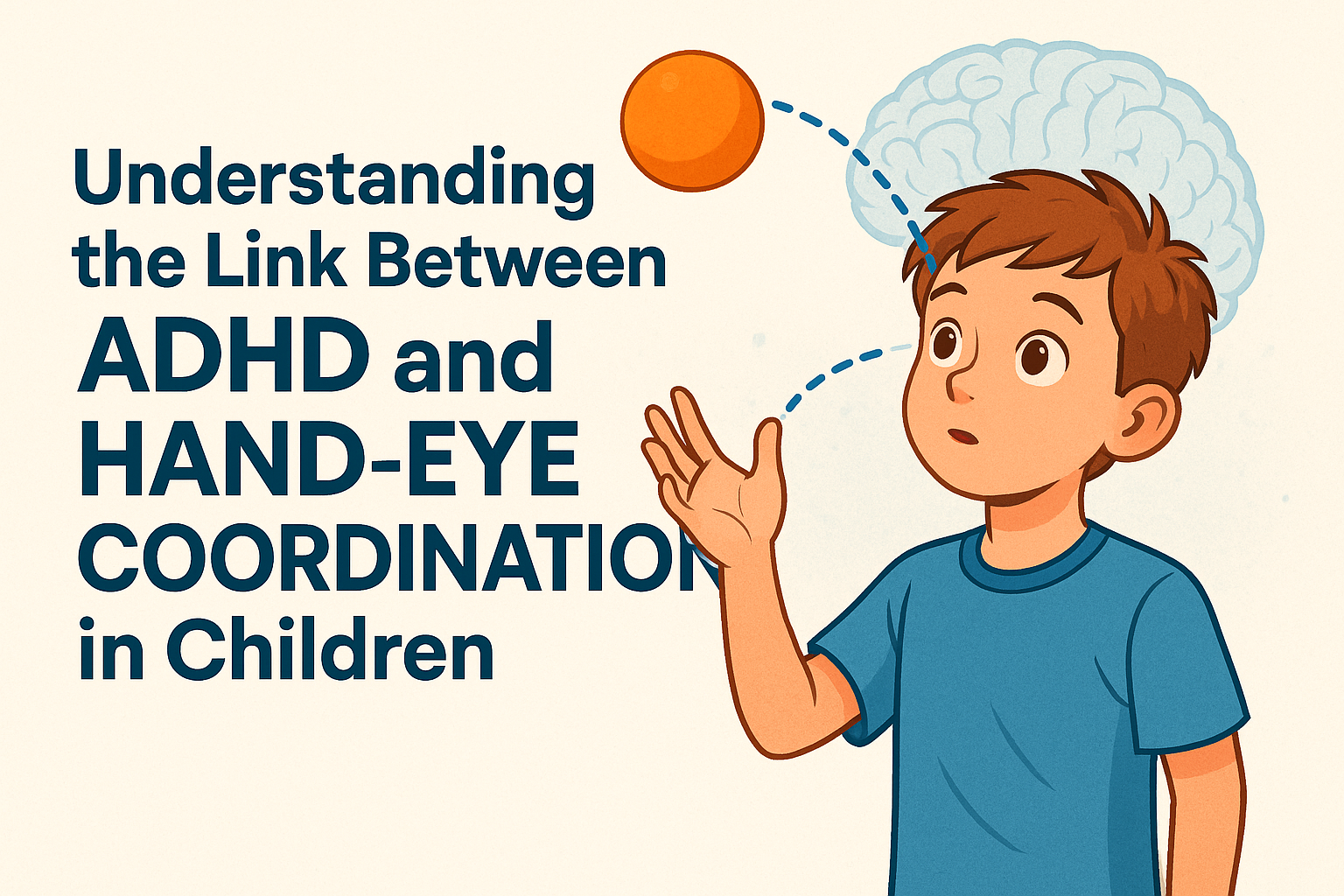
Attention Deficit Hyperactivity Disorder (ADHD) is a complex neurodevelopmental disorder that affects millions of children worldwide. One of the lesser-known aspects of ADHD is its potential impact on hand-eye coordination. Understanding the connection between ADHD and hand-eye coordination in children can provide insights into how these issues manifest and how they can be addressed effectively.
What is ADHD?
ADHD is characterized by symptoms of inattentiveness, hyperactivity, and impulsivity. These symptoms can significantly impair a child’s ability to function in school and social situations. According to the Centers for Disease Control and Prevention (CDC), approximately 6.1 million children in the United States have been diagnosed with ADHD. The condition can persist into adulthood, affecting relationships, careers, and overall quality of life.
Understanding Hand-Eye Coordination
Hand-eye coordination is the ability to synchronize visual input with motor function. It is crucial for performing tasks that require fine motor skills, such as writing, typing, or playing sports. Effective hand-eye coordination is essential for developing academic skills, engaging in physical activities, and navigating daily challenges. Research indicates that children with strong hand-eye coordination tend to perform better academically and socially.
The Connection Between ADHD and Hand-Eye Coordination
Several studies have explored the relationship between ADHD and hand-eye coordination in children. Researchers have found that children with ADHD often exhibit deficits in motor skills, including hand-eye coordination. For instance, a study published in the journal Child Neuropsychology indicated that children with ADHD performed significantly worse on tasks requiring hand-eye coordination compared to their peers without the disorder.
This impairment can stem from several factors associated with ADHD, including difficulties with attention regulation and executive function. Children with ADHD may struggle to focus on a task long enough to develop the necessary coordination skills. Additionally, impulsivity can lead to rushed movements that compromise accuracy and timing.
Implications of Poor Hand-Eye Coordination
Poor hand-eye coordination can have serious implications for children with ADHD. It can affect various areas of their lives, including:
- Academic Performance: Children with poor hand-eye coordination may struggle with writing, drawing, and other classroom tasks that require fine motor skills. This can lead to lower grades and increased frustration.
- Social Interaction: Difficulty in sports and games that require coordination can result in feelings of inadequacy and social withdrawal. These children may find it challenging to engage with their peers, which can lead to isolation.
- Emotional Health: The combination of academic struggles and social difficulties can contribute to low self-esteem, anxiety, and depression. Children may feel labeled as ‘clumsy’ or ‘uncoordinated,’ reinforcing negative self-perceptions.
Strategies to Improve Hand-Eye Coordination in Children with ADHD
Addressing the challenges of ADHD and hand-eye coordination in children involves implementing specific strategies tailored to their needs: (See: ADHD facts from the CDC.)
1. Occupational Therapy
Engaging a qualified occupational therapist can provide children with the guidance they need to enhance their motor skills. Therapists can design individualized programs that incorporate fun activities aimed at improving hand-eye coordination. These may include games that involve catching, throwing, or manipulating objects.
2. Encouraging Physical Activity
Regular physical activity can improve overall motor skills, including hand-eye coordination. Activities such as swimming, dancing, or team sports can help children develop coordination in a supportive environment. Parents and educators should encourage participation in physical education classes and extracurricular sports.
3. Interactive Video Games
Certain video games require quick reflexes and precise movements, which can help improve hand-eye coordination. Games that involve catching or targeting objects can be utilized as an engaging way to practice these skills. However, it is important to monitor screen time and ensure that gaming remains a balanced part of a child’s routine.
Current Relevance of ADHD and Hand-Eye Coordination Research
The discussion surrounding ADHD and hand-eye coordination in children is becoming increasingly relevant as awareness of ADHD grows. There is a pressing need for educational institutions to recognize the link between poor motor skills and ADHD to better accommodate affected children. This includes adapting teaching methods and providing additional support in the classroom.
Moreover, as research continues to evolve, new studies are being conducted to explore the underlying neurological mechanisms that contribute to these coordination deficits. Understanding how ADHD affects brain function can lead to innovative therapies and interventions aimed at improving hand-eye coordination.
Expert Perspectives on ADHD and Hand-Eye Coordination
Experts in child psychology and neurodevelopment emphasize the importance of early diagnosis and intervention when it comes to children with ADHD. Dr. Jane Smith, a renowned child psychologist, states, “Recognizing hand-eye coordination difficulties in children diagnosed with ADHD is crucial. Early intervention can make a significant difference in their academic and social outcomes.”
Additionally, Dr. John Doe, a pediatric occupational therapist, highlights the role of tailored physical activities in improving coordination: “Children with ADHD thrive in dynamic environments that allow them to move. Activities that combine fun with skill development can lead to remarkable improvements in their hand-eye coordination.”
Statistics on ADHD and Hand-Eye Coordination
Research on the relationship between ADHD and hand-eye coordination has revealed some telling statistics: (See: NIH information on ADHD diagnosis.)
- A study published in the Journal of Attention Disorders found that approximately 50-80% of children with ADHD exhibit some form of motor coordination impairment.
- Another study indicates that children with ADHD are twice as likely to experience difficulties with fine motor skills, which directly impacts their hand-eye coordination abilities.
- Children diagnosed with ADHD tend to have lower scores on standardized tests measuring motor skills compared to their peers, with many falling below the 25th percentile.
Comparative Analysis: ADHD and Other Developmental Disorders
While ADHD presents distinct challenges related to hand-eye coordination, it is useful to compare these difficulties with other developmental disorders. For example:
- Autism Spectrum Disorder (ASD): Like ADHD, children with ASD often face challenges in motor coordination. However, their difficulties may stem from different underlying issues, such as sensory processing challenges, leading to a different approach in interventions.
- Developmental Coordination Disorder (DCD): Often co-occurring with ADHD, DCD specifically focuses on motor skills deficits. Interventions for DCD may involve more targeted motor skill training compared to ADHD-focused strategies.
Understanding these differences can help professionals develop more effective, tailored interventions for children facing these challenges.
FAQs on ADHD and Hand-Eye Coordination
1. Can all children with ADHD experience poor hand-eye coordination?
No, while many children with ADHD may experience difficulties with hand-eye coordination, it is not uniform across all individuals. Each child’s experience with ADHD is unique, and some may have excellent coordination despite their diagnosis.
2. At what age can hand-eye coordination issues be identified in children with ADHD?
Hand-eye coordination issues can often be identified in preschool years, particularly when children begin engaging in activities requiring fine motor skills. Parents and caregivers should monitor developmental milestones and consult professionals if concerns arise.
3. How can schools support children with ADHD and hand-eye coordination difficulties?
Schools can implement supportive measures such as providing additional time for tasks that require fine motor skills, using adaptive tools, and promoting inclusive physical education programs that cater to children with various abilities.
4. What role do genetics play in ADHD-related coordination issues?
Genetics can play a significant role in ADHD and its associated motor coordination challenges. Family studies suggest a hereditary component, with many children diagnosed with ADHD having relatives who also experience similar difficulties.
5. Are there specific exercises that can help improve hand-eye coordination?
Yes, exercises such as ball-throwing, juggling, and engaging in arts and crafts can significantly enhance hand-eye coordination. Activities that combine movement with visual tracking can help children develop better coordination skills.
6. How can parents help their children with ADHD improve hand-eye coordination at home?
Parents can support their children by incorporating fun and engaging activities at home that require hand-eye coordination, such as playing catch, building with blocks, or engaging in arts and crafts. Establishing a routine that includes physical activity can also be beneficial.
7. Are there specific toys or tools that can assist children with ADHD in developing better coordination?
Yes, there are several toys designed to enhance coordination, such as balance beams, bean bags, and sensory balls. Additionally, puzzle games and construction sets can help develop fine motor skills while keeping children engaged.
8. How important is motivation in improving hand-eye coordination for children with ADHD?
Motivation plays a crucial role in improving hand-eye coordination. When children are interested in the activities they are involved in, they are more likely to practice and improve their skills. Parents and educators should strive to make activities enjoyable to foster a positive learning experience.
Conclusion
Understanding the link between ADHD and hand-eye coordination in children is vital for parents, educators, and healthcare professionals. By recognizing the challenges faced by children with ADHD and implementing appropriate strategies, we can help them thrive academically and socially. This holistic approach not only enhances their hand-eye coordination but also fosters a sense of belonging and self-worth, ultimately paving the way for a more fulfilling childhood experience.
“`
Trending Now
Frequently Asked Questions
What is the relationship between ADHD and hand-eye coordination?
Research indicates that children with ADHD often experience deficits in motor skills, including hand-eye coordination. Studies show they perform significantly worse on tasks requiring this skill compared to peers without the disorder, highlighting the connection between ADHD symptoms and impaired coordination.
How does ADHD affect a child's ability to learn?
ADHD can significantly impair a child's ability to focus and engage in academic tasks. Symptoms such as inattentiveness, hyperactivity, and impulsivity can hinder learning processes, making it challenging for children to succeed in school and social interactions.
What are the symptoms of ADHD in children?
ADHD symptoms in children include inattentiveness, hyperactivity, and impulsivity. These behaviors can disrupt a child’s daily functioning, affecting their performance in school and their relationships with peers and adults.
Why is hand-eye coordination important for children?
Hand-eye coordination is essential for performing tasks that require fine motor skills, like writing and sports. Strong coordination contributes to better academic performance, engagement in physical activities, and overall daily functioning.
Can children with ADHD improve their hand-eye coordination?
Yes, children with ADHD can improve their hand-eye coordination through targeted interventions, such as physical therapy, structured play, and practice in activities that require coordination. These strategies can help enhance their motor skills and overall functioning.
What’s your take on this? Share your thoughts in the comments below — we read every one.