
“`html
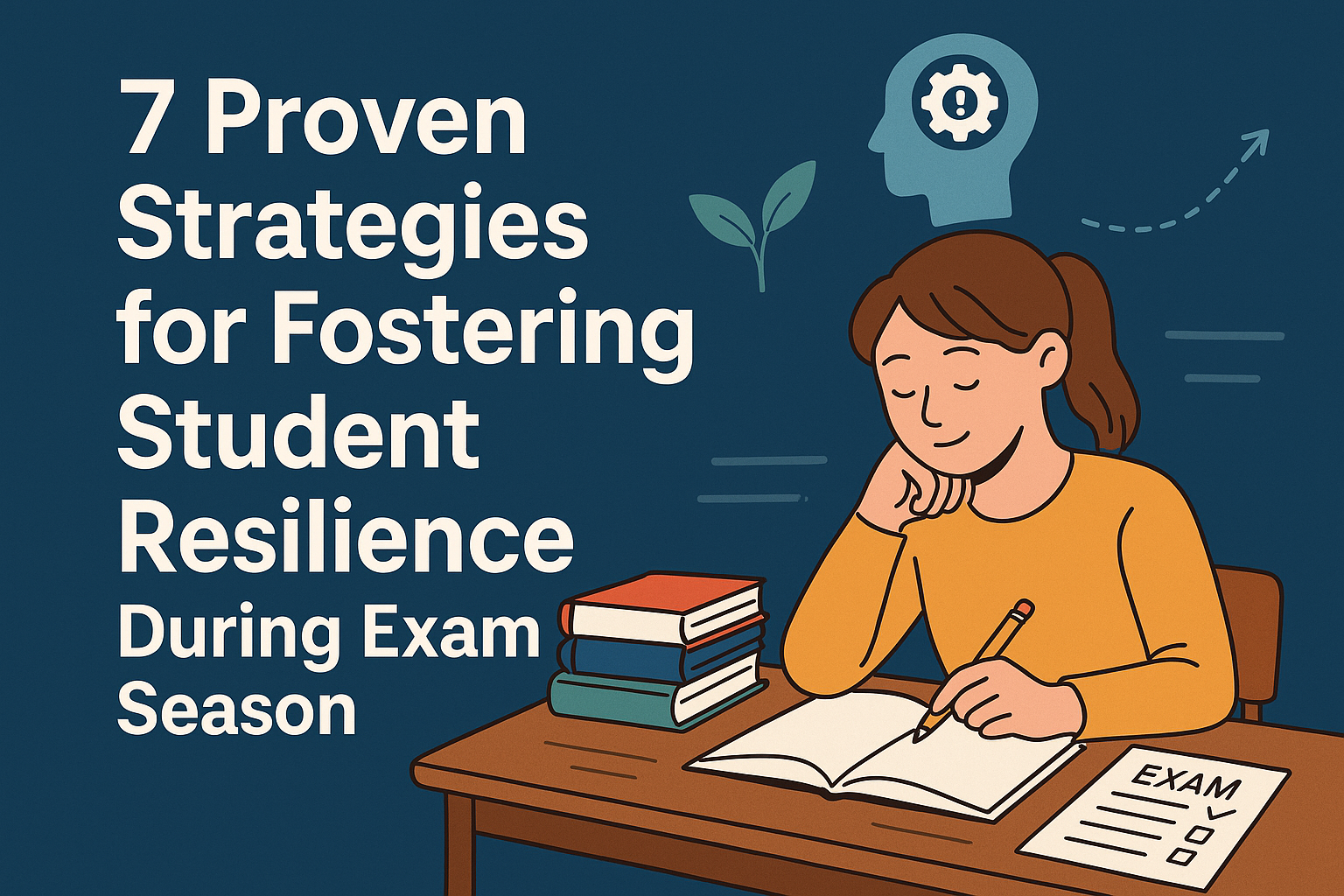
As exam season approaches, high school students often experience heightened levels of stress and anxiety. For many, this period can feel overwhelming, with the pressure to perform leading to emotional challenges that can impact their mental health and academic performance. Teachers play a crucial role in fostering student resilience during these times, providing not only academic support but also emotional guidance that helps students navigate the challenges of exams. In this article, we will explore effective strategies that educators can implement to cultivate resilience among their students during this critical period.
Understanding Student Resilience
Before delving into specific strategies, it’s vital to understand what resilience means in the context of students. Resilience is the ability to bounce back from setbacks, adapt to challenging circumstances, and maintain focus on long-term goals despite immediate difficulties. It’s not just about the ability to endure but also about thriving under pressure. Research shows that resilient students are more likely to achieve academic success, engage in positive social behaviors, and maintain good mental health.
According to a 2020 study published in the Journal of Educational Psychology, students with higher resilience scores reported lower levels of anxiety and better performance during high-pressure situations, such as exams. This highlights the importance of teachers’ roles in helping students cultivate these coping mechanisms.
1. Create a Supportive Classroom Environment
One of the first steps in fostering student resilience is to create a classroom atmosphere built on support and understanding. A positive environment encourages students to express their feelings openly and seek help when needed. Teachers can establish this by:
- Encouraging open dialogue: Allow students to share their worries about exams without fear of judgment. Facilitating discussions about stress and anxiety can help normalize their experiences.
- Building strong relationships: Get to know your students individually. Show genuine interest in their lives, and be approachable. A strong teacher-student relationship fosters trust and makes students more likely to seek support.
- Promoting teamwork: Incorporate group projects or study sessions. Collaborative learning can build a sense of community, where students can support one another emotionally and academically.
2. Teach Time Management and Study Skills
One of the most significant sources of stress during exam season is poor time management. By equipping students with effective study skills and time management techniques, teachers can significantly reduce anxiety levels. Here are some methods:
- Goal setting: Encourage students to set realistic, achievable goals for their study sessions. Break down larger tasks into smaller, manageable parts, allowing students to experience a sense of accomplishment as they progress.
- Study schedules: Help students create personalized study schedules that allocate time for each subject. Emphasizing the importance of balanced study periods can help prevent last-minute cramming.
- Effective study techniques: Teach students various study strategies such as active recall, spaced repetition, and summarization. These techniques are essential in helping students retain information and apply knowledge effectively during exams.
3. Promote a Growth Mindset
Encouraging a growth mindset is pivotal in fostering student resilience. Students with a growth mindset believe their abilities can improve through effort and learning from mistakes. Teachers can cultivate this mindset by: (See: Mental health resources for students.)
- Modeling vulnerability: Share personal experiences where you faced challenges and how you overcame them. This can inspire students to view setbacks as part of the learning process.
- Reframing failure: Help students see failures as opportunities for growth. Discuss how mistakes can lead to insights and improvements in future attempts.
- Encouraging perseverance: Recognize and reward effort rather than just results. Celebrate students’ perseverance in difficult tasks, reinforcing the idea that consistent effort leads to success.
4. Encourage Healthy Coping Strategies
Exam stress can lead to unhealthy coping mechanisms, including procrastination, isolation, and negative self-talk. Teachers can actively promote healthy coping strategies to help students manage their stress effectively. Here are some valuable approaches:
- Mindfulness practices: Introduce mindfulness techniques such as deep breathing exercises, meditation, or yoga. These practices help students calm their minds and focus on the present moment, reducing anxiety.
- Physical activity: Encourage students to engage in regular physical activity. Exercise releases endorphins, which can help alleviate stress and improve mood.
- Healthy lifestyle choices: Emphasize the importance of sleep, nutrition, and hydration, especially during exam season. A well-rested body and mind function better under pressure.
5. Provide Resources and Support Systems
Teachers can enhance their efforts in fostering student resilience by providing access to additional resources and support systems. Being aware of what resources are available can help students feel more secure. Here are some ways to offer support:
- Guidance counseling: Refer students to school counselors who can provide professional support and coping strategies for managing stress and anxiety.
- Peer mentoring: Establish a peer mentoring program where older students can share their experiences and strategies for handling exam stress.
- Workshops and seminars: Organize workshops on time management, study skills, and stress management techniques. Inviting guest speakers who are experts in these areas can add value to these sessions.
6. Celebrate Achievements and Progress
Recognizing students’ efforts and achievements can significantly bolster their resilience. Celebrate not only academic successes but also personal growth and resilience demonstrated during challenging times. Here are some effective ways to celebrate:
- Acknowledgement in class: Take time to highlight individual and group achievements during class discussions. Public recognition can motivate students and reinforce positive behaviors.
- Incentives: Consider implementing a reward system for students who demonstrate resilience, such as completing their study plans, attending study sessions, or helping peers. Rewards can range from certificates to simple verbal praise.
- Showcase progress: Create a bulletin board that showcases students’ study goals and their progress. This visual representation can inspire others and create a sense of community.
7. Maintain Open Communication with Parents
Finally, maintaining an open line of communication with parents can enhance efforts in fostering student resilience. Parents play a pivotal role in a student’s academic life, and their support can significantly impact a student’s ability to cope with stress. Teachers can facilitate this by:
- Regular updates: Send newsletters or emails to inform parents about what students are learning and how they can support their children during exam season.
- Workshops for parents: Organize sessions where parents can learn about how to help their children manage stress, study effectively, and maintain a healthy balance during exams.
- Encouraging involvement: Encourage parents to engage in their students’ academic lives, whether by helping with study sessions or simply being available to listen to their concerns.
8. Incorporate Stress-Relief Activities
In addition to the strategies mentioned, incorporating stress-relief activities directly into the school routine can be beneficial. These can be quick, fun, and engaging, providing students with the necessary breaks they need during intense study sessions. Here are some options:
- Interactive games: Organize short, fun games or brain teasers that encourage teamwork and laughter. These breaks can help reduce stress and improve mood.
- Creative expression: Encourage students to engage in creative activities such as drawing, painting, or even writing. These forms of expression can provide an emotional outlet and enhance resilience.
- Nature breaks: If possible, take students outside for brief periods to enjoy fresh air and nature. Studies show that spending time outdoors can reduce stress and improve mental well-being.
9. Leverage Technology Wisely
In today’s digital age, technology can be both a source of distraction and a helpful tool for enhancing resilience. Teachers can guide students in using technology in ways that promote effective studying and well-being. Here’s how: (See: What is resilience?.)
- Educational apps: Recommend apps that offer study aids, flashcards, or time management tools. These resources can make studying more efficient and engaging.
- Online support groups: Introduce students to online forums or communities where they can connect with peers facing similar challenges. Knowing they’re not alone can foster resilience.
- Digital mindfulness tools: Share apps focused on mindfulness and stress reduction that can help students practice relaxation techniques anywhere, anytime.
10. Frequently Asked Questions (FAQ)
What is student resilience, and why is it important?
Student resilience refers to the ability of students to cope with academic pressures and bounce back from setbacks. It’s essential because resilient students are better equipped to handle stress, maintain their mental health, and succeed academically.
How can teachers assess a student’s resilience?
Teachers can assess resilience through observations of student behavior, participation in class discussions, and feedback from students about their feelings during stressful times. Additionally, surveys or questionnaires can help gauge students’ self-reported resilience levels.
Can resilience be taught, and if so, how?
Yes, resilience can be taught through various strategies, including promoting a growth mindset, teaching coping strategies, and creating supportive environments. Engaging students in discussions about their experiences and providing them with tools to manage stress can help strengthen their resilience.
What role do parents play in fostering resilience in students?
Parents can significantly impact their children’s resilience by providing emotional support, encouraging open communication, and modeling resilience in their own lives. By being involved and understanding the challenges their children face, parents can help foster a supportive home environment.
Are there specific resources available for helping students develop resilience?
Yes, numerous resources are available, including books, online courses, and workshops focused on resilience-building. Schools often also have counseling services and partnerships with organizations dedicated to student mental health and resilience.
11. Real-Life Examples of Student Resilience
Stories of resilient students can provide powerful motivation and context for understanding how resilience manifests in real life. For example, consider a student who struggled to maintain their grades due to personal challenges but sought help from teachers and peers. By utilizing school resources and developing study strategies, they not only improved academically but also built stronger friendships and a support network. This journey highlights that resilience isn’t just about individual effort; it’s also about how support systems can empower students to overcome adversity.
12. The Impact of Teacher Attitude on Student Resilience
Your attitude as a teacher can greatly influence your students’ resilience. A positive, supportive demeanor can make a significant difference in how students perceive challenges. Studies show that teachers who express optimism and confidence in their students’ abilities can foster similar feelings in their students. You create a culture where students feel safe to take risks and make mistakes, ultimately leading to greater resilience and success in their academic pursuits.
As teachers, you have the power to significantly shape your students’ experiences during exam season. By implementing these strategies for fostering student resilience, you can not only help them succeed academically but also equip them with lifelong skills to handle challenges that lie ahead. Remember, resilience is not something students are born with; it’s a skill that can be nurtured and strengthened, especially during the transformative years of high school.
“`
Trending Now
Frequently Asked Questions
How can teachers help students manage exam stress?
Teachers can help students manage exam stress by creating a supportive classroom environment that encourages open dialogue. By facilitating discussions about stress and anxiety, teachers can provide emotional guidance and foster resilience, helping students cope better during high-pressure situations.
What are some effective strategies for building student resilience?
Effective strategies for building student resilience include creating a supportive classroom atmosphere, encouraging open communication, teaching stress management techniques, promoting positive self-talk, and providing resources for emotional support. These approaches help students adapt to challenges and maintain focus on their long-term goals.
Why is resilience important for students during exams?
Resilience is crucial for students during exams as it enables them to bounce back from setbacks, manage stress effectively, and maintain focus on their academic goals. Resilient students tend to perform better academically and exhibit healthier social behaviors, which are essential during high-pressure situations like exams.
What is student resilience and why does it matter?
Student resilience refers to the ability to adapt to challenges, overcome setbacks, and maintain focus on long-term goals. It matters because resilient students are more likely to achieve academic success, experience lower anxiety levels, and enjoy better overall mental health, especially during stressful periods like exam season.
How can a positive classroom environment impact student performance?
A positive classroom environment can significantly impact student performance by fostering open communication and emotional support. When students feel safe to express their concerns and seek help, they are more likely to manage stress effectively, leading to improved academic outcomes during critical times like exams.
Have you experienced this yourself? We’d love to hear your story in the comments.