
“`html
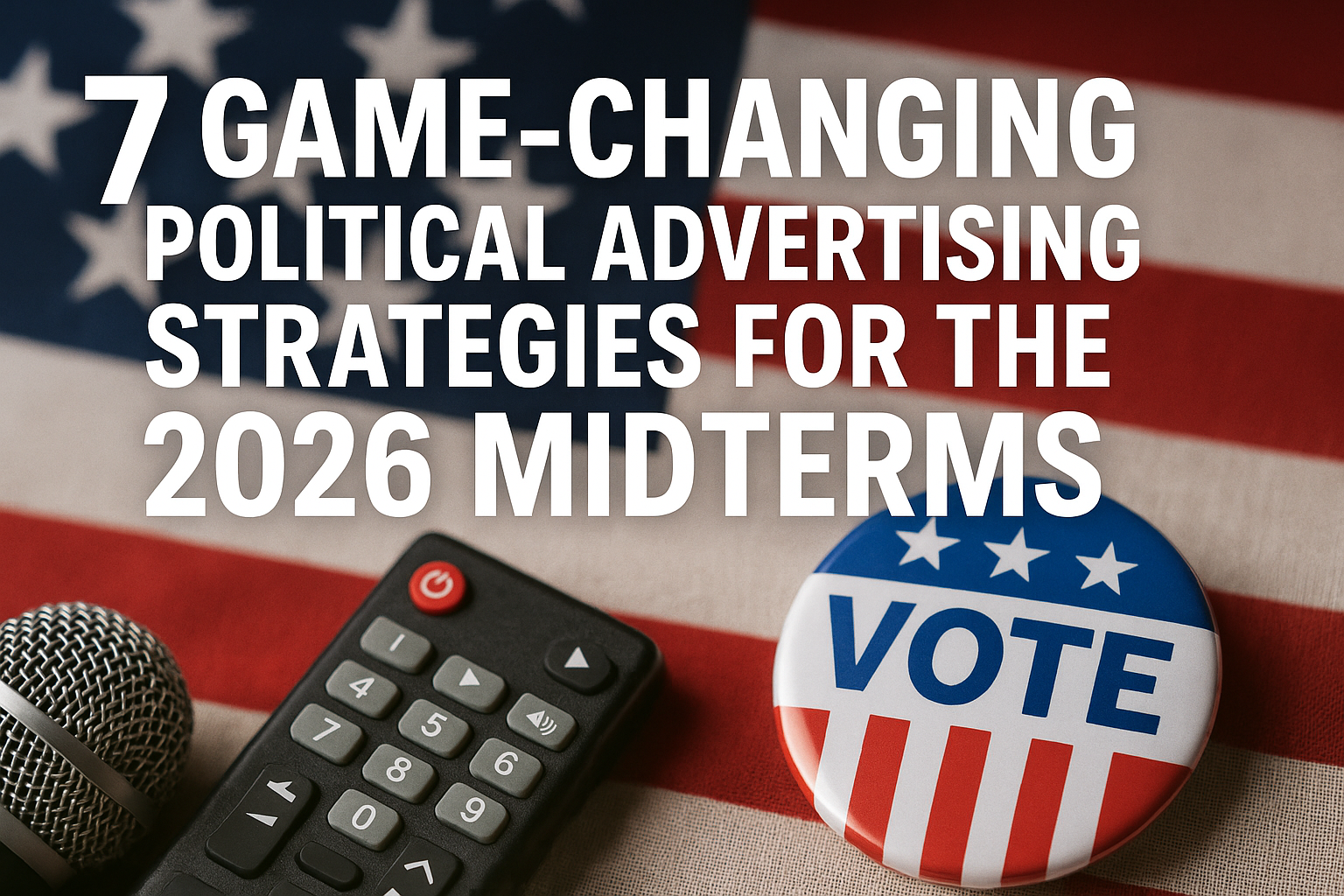
The 2026 midterms are shaping up to be a pivotal moment in American politics, with political advertising spending projected to reach an astounding $11.6 billion. This figure eclipses the total spent during the 2024 presidential election cycle and highlights the fierce competition candidates face as they vie for voter attention. In this article, we’ll explore the best political advertising strategies for midterms that candidates should harness to connect with voters, maximize their ad spend, and navigate a landscape increasingly dominated by digital media.
1. Embrace Digital Media
With the landscape of political advertising evolving rapidly, it’s essential for candidates to prioritize digital media in their campaigns. In recent years, platforms like Facebook, Twitter, and Instagram have become crucial for engaging voters. According to recent trends, over 60% of voters now consume political content online, making digital outreach more critical than ever.
Utilizing targeted ads on social media can significantly increase voter engagement. Candidates can tailor their messages to specific demographics based on interests, location, and voting history. For example, the 2020 elections saw successful campaigns that used algorithm-driven ads to reach swing voters in key states. By focusing on online platforms, candidates can create a more personal connection with potential voters, fostering a sense of community and involvement.
2. Prioritize Authentic Storytelling
In an era where misinformation runs rampant, authenticity is a powerful tool. Voters are increasingly skeptical of traditional political rhetoric, so candidates should focus on crafting genuine narratives that resonate with their audiences. Storytelling humanizes candidates, allowing voters to relate to their experiences and perspectives.
For instance, the campaigns of Alexandria Ocasio-Cortez and Bernie Sanders utilized personal stories to connect with younger voters, emphasizing their grassroots origins and struggles. Authentic storytelling not only builds trust but also encourages voter mobilization. Candidates who share their journeys, challenges, and triumphs can create a compelling narrative that stands out in a crowded field.
3. Invest in Localized Campaigns
Despite the vast reach of national advertisements, localized campaigns remain crucial for midterm success. Understanding local issues and tailoring messages to resonate with district-specific concerns can significantly enhance a candidate’s appeal. Voters often prioritize local representation, so candidates should invest time and resources into grassroots initiatives.
Successful examples include the campaigns of local candidates who engaged with their communities through town halls, forums, and social media. These initiatives not only showcase a candidate’s commitment to local issues but also foster a sense of trust and accountability. As the 2026 midterms approach, candidates should prioritize localized content, highlighting their plans to address pressing community concerns directly.
4. Utilize Data Analytics and Targeting
Data analytics has revolutionized political advertising, allowing campaigns to focus their resources more effectively. By leveraging voter data, campaigns can identify key demographics and tailor their outreach strategies accordingly. This precision targeting can lead to substantial increases in voter turnout, especially among underrepresented groups.
For example, during the 2020 elections, data-driven strategies led to significant engagement among young voters, a demographic often overlooked in political campaigns. By analyzing patterns in social media engagement and voter behavior, candidates can craft personalized messages that resonate deeply with specific voter segments, ultimately driving more effective outreach. (See: CDC Youth Risk Behavior Survey.)
5. Combat Misinformation Head-On
Given the alarming rise in misinformation surrounding political campaigns, candidates must take proactive steps to address false narratives. Effectively combating misinformation not only protects a candidate’s reputation but also fosters a more informed electorate. Transparency and honesty should be central to any campaign strategy.
Successful campaigns have established fact-checking initiatives and responsive social media teams to counteract misinformation swiftly. This approach not only reassures voters but also reinforces a candidate’s commitment to truth and integrity. As the 2026 midterms approach, candidates should prioritize education about their platforms while actively debunking false claims.
6. Engage Voters with Interactive Content
Interactive content is a fantastic way to engage voters and foster dialogue. Tools like polls, quizzes, and live Q&A sessions can create an inviting atmosphere for voter participation. This approach not only informs voters about candidates’ positions but also makes them feel valued and heard.
For instance, during the 2020 cycle, candidates who utilized interactive content saw increased engagement rates and a more profound connection with their audience. By incorporating this strategy into their advertising efforts, candidates can create a two-way communication channel that resonates well with voters, encouraging them to take an active role in the democratic process.
7. Maximize Budget Effectiveness
With the projected spending for the 2026 midterms approaching $11.6 billion, it’s crucial for candidates to maximize the effectiveness of their advertising budgets. Prioritizing high-impact channels and focusing on return on investment (ROI) can help campaigns allocate resources more efficiently.
Strategically balancing between traditional media, such as television and radio, and digital platforms is also essential. While digital media offers targeted outreach, traditional advertisements still hold sway, especially among older demographics. Candidates should experiment with various formats and analyze performance metrics to determine which strategies yield the highest engagement.
As the midterms approach, candidates would benefit from adopting these strategies, ensuring they meet the evolving demands of the electorate while effectively using their advertising budgets. By combining digital innovation with authentic engagement, candidates can better connect with voters and stand out in a competitive landscape.
8. Leverage Influencer Marketing
In today’s media landscape, influencers can wield significant power over public opinion, particularly among younger voters. Collaborating with local influencers, activists, and community leaders can help candidates amplify their messages and reach demographics that traditional media may overlook. Candidates can create partnerships that feel natural and organic, allowing influencers to share their authentic views on the candidate’s platform.
For instance, in the 2020 elections, several campaigns successfully worked with social media influencers to educate voters on issues like voter registration, healthcare, and environmental policies. This strategy not only expands reach but also builds credibility, as voters often trust recommendations from influencers they follow. As midterms approach, candidates should consider ways to engage influencers who align with their values and message. (See: New York Times on social media political ads.)
9. Utilize Video Content Effectively
Video content has become a dominant force in digital marketing, and political advertising is no exception. Short, engaging videos that convey a candidate’s message quickly can capture attention in a crowded media environment. Platforms like TikTok, Instagram Reels, and YouTube provide fantastic opportunities for candidates to showcase their personality, policies, and vision.
In the 2020 election cycle, candidates who effectively utilized video content saw higher engagement rates. For instance, videos that featured personal stories or behind-the-scenes glimpses into a candidate’s life resonated well with audiences. As the midterms approach, incorporating video storytelling into campaigns can enhance relatability and inspire voters to connect with candidates on a deeper level.
10. Implement a Strong Ground Game
While digital strategies are vital, the importance of a robust ground game should not be underestimated. Nothing beats face-to-face interactions when it comes to connecting with voters. Door-to-door canvassing, phone banking, and organizing community events can make a significant impact on voter turnout.
Successful campaigns often prioritize building a network of volunteers who can engage with the community. Organizing local events not only allows candidates to present their policies directly but also provides an opportunity for voters to voice their concerns and ask questions. This personal touch can leave a lasting impression and build loyalty among constituents.
11. Develop a Consistent Brand Identity
A strong and consistent brand identity helps candidates differentiate themselves in a crowded field. This includes visual branding elements such as logos, color schemes, and typography, as well as consistent messaging across all platforms. A cohesive brand identity creates a sense of familiarity and trust, which is vital for voter engagement.
Creating a recognizable and relatable persona can resonate with voters, making it easier for them to connect with a candidate’s message. For instance, campaigns that used a consistent branding strategy during the 2020 elections were able to reinforce their message and build a recognizable presence that carried through to Election Day.
12. Understand Voter Behavior and Trends
Keeping an eye on evolving voter behavior and trends is crucial in formulating effective advertising strategies. Data shows that younger voters, particularly those aged 18-29, are more inclined to engage with campaigns that leverage social issues, climate change, and healthcare. These factors influence their voting decisions significantly.
For instance, studies conducted during the 2020 elections indicated that candidates who aligned their messaging with social justice themes saw an uptick in support from younger demographics. The ability to adapt and pivot based on these trends can empower candidates to refine their advertising strategies and connect more authentically with their target voters.
13. FAQ: Best Political Advertising Strategies for Midterms
What are the most effective platforms for political advertising during midterms?
Social media platforms like Facebook, Twitter, Instagram, and TikTok are some of the most effective due to their wide reach and targeting capabilities. Additionally, local news outlets and community-based platforms can also be effective for localized campaigns.
How can candidates measure the effectiveness of their advertising strategies?
Tracking metrics such as engagement rates, click-through rates, and conversion rates can help candidates assess the effectiveness of their advertising. Utilizing tools like Google Analytics and social media insights provides valuable data to refine strategies based on what works best.
How important is a candidate’s online presence during midterms?
A candidate’s online presence is crucial during midterms, as many voters research candidates online before making decisions. A strong online presence helps candidates communicate their message, engage with voters, and counteract misinformation effectively.
What role does fundraising play in political advertising strategies?
Fundraising plays a significant role as it determines a campaign’s ability to invest in advertising and outreach strategies. Strong fundraising efforts can lead to more robust advertising campaigns across multiple platforms, increasing the chances of voter engagement and turnout.
How can candidates effectively respond to negative advertising from opponents?
Candidates should have a strategy in place to respond swiftly to negative advertising. This can include fact-checking false claims, issuing statements to clarify issues, and even addressing concerns directly through their advertising. Maintaining transparency and showing a commitment to honesty can help counteract the impact of negative ads.
The 2026 midterms are set to be a historical moment for political advertising, with billions at stake and unprecedented challenges ahead. Adopting these best political advertising strategies for midterms can empower candidates, positioning them for success as they navigate the complexities of this dynamic electoral landscape.
“`
Trending Now
- the complete explanation
- read the full story
- 7 Essential Emotional Intelligence Skills Every High School Student Needs Before College
- 7 Essential Strategies for Boosting Emotional Intelligence in Preschoolers
- this guide on 7 effective emotional intelligence activities for kindergarten kids that really work
Frequently Asked Questions
What are effective political advertising strategies for midterms?
Effective political advertising strategies for midterms include embracing digital media, prioritizing authentic storytelling, utilizing targeted ads on social media, engaging with voters through innovative content, and leveraging data analytics to refine campaign approaches. These methods help candidates connect with voters and maximize their advertising spend.
How much are candidates expected to spend on political advertising in 2026?
Political advertising spending for the 2026 midterms is projected to reach approximately $11.6 billion, which surpasses the total spending during the 2024 presidential election cycle, highlighting the competitive nature of the upcoming elections.
Why is digital media important in political advertising?
Digital media is crucial in political advertising because over 60% of voters now consume political content online. Platforms like Facebook, Twitter, and Instagram allow candidates to engage with voters directly and tailor their messages to specific demographics, enhancing voter outreach and engagement.
How can candidates build authenticity in their political campaigns?
Candidates can build authenticity in their campaigns by prioritizing genuine storytelling that resonates with voters. Sharing personal narratives and experiences helps humanize candidates, fostering trust and relatability, especially in an environment where misinformation is prevalent.
What role does targeted advertising play in political campaigns?
Targeted advertising plays a vital role in political campaigns by allowing candidates to tailor their messages to specific demographics based on interests, location, and voting history. This strategic approach enhances voter engagement and increases the likelihood of influencing swing voters in key areas.
What’s your take on this? Share your thoughts in the comments below — we read every one.