
“`html
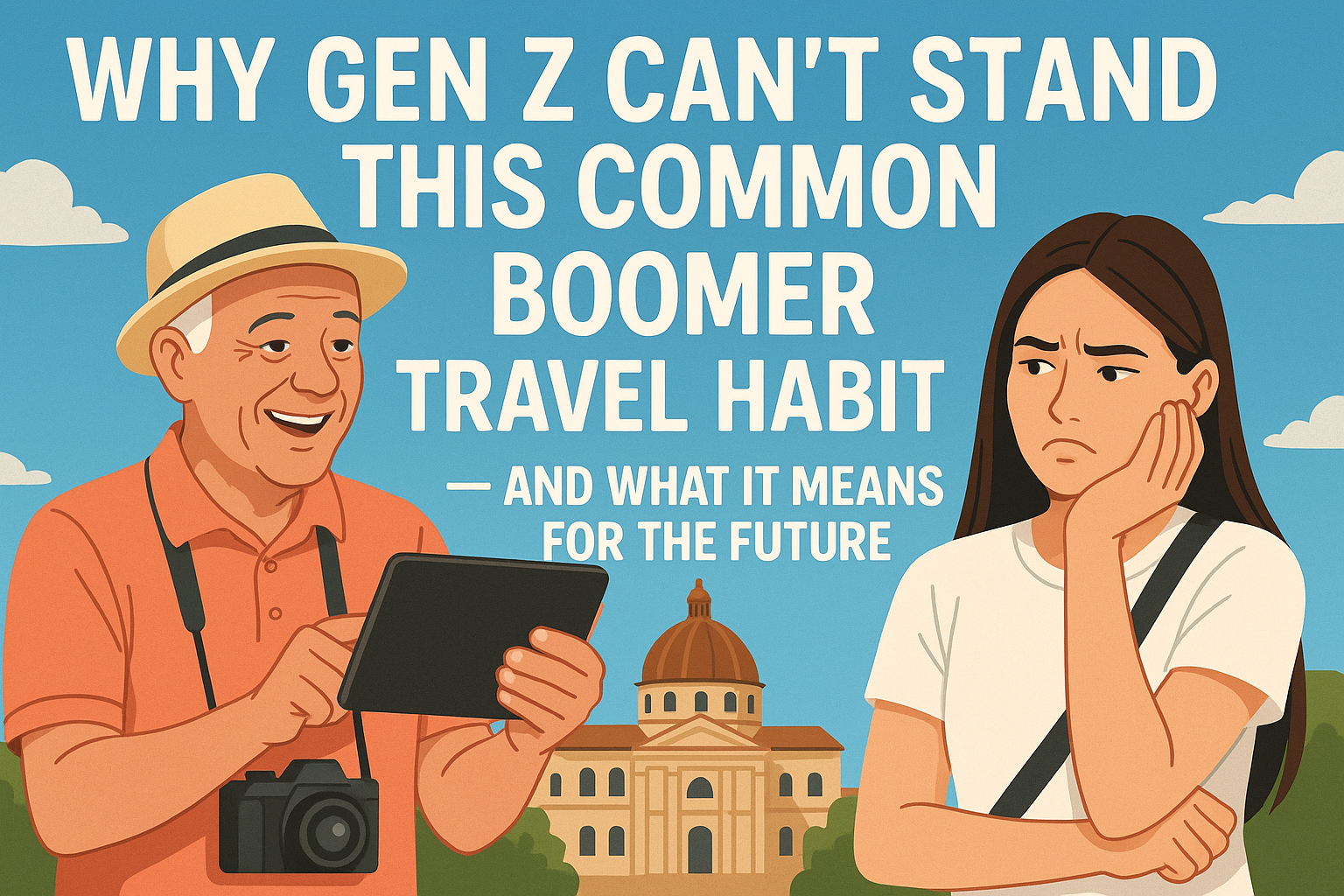
Generational differences often lead to cultural clashes, and nowhere is this more evident than in the realm of travel. Recently, a viral article emerged, highlighting a fascinating report on boomer travel habits that has ignited a heated debate between Gen Z and Baby Boomers. This conversation isn’t just about preferences; it’s a reflection of broader values that define each generation. With a survey of 23,000 participants, including 2,000 people in the U.S., the findings reveal a significant divide in how these two generations approach travel. For Millennials and Gen Z, the rigid, pre-planned itineraries favored by many Boomers represent a frustrating barrier to spontaneity and authenticity. Let’s explore this cultural clash and what it signifies for the future of travel.
The Survey: Unpacking the Data
The report, which compiled responses from a diverse group of travelers, sheds light on a specific travel habit that many Gen Zers find infuriating: the need for detailed travel itineraries. While Boomers often view this organization as a means to ensure a smooth trip, younger generations see it as a limitation. The emphasis on flexibility versus rigidity is a key theme throughout the report, revealing that 70% of Gen Z respondents prefer to leave room in their schedules for spontaneous exploration.
This inclination towards impulsivity can be traced back to the way Gen Z approaches life. Growing up in a world marked by rapid change and uncertainty, this generation values adaptability and authentic experiences over rigid plans. In contrast, Boomers often appreciate the reassurance that a structured itinerary provides. This fundamental difference in travel style is not just a minor issue; it’s a growing point of contention. With over 60% of Gen Z travelers expressing frustration with planned travel, it’s clear that this is more than just a preference—it’s a defining characteristic of their generation.
Boomers: The Champions of Planning
To understand why this clash exists, it’s essential to consider the background of Baby Boomers. Born between 1946 and 1964, this generation grew up during a time of economic stability and increased leisure opportunities. Their formative years were marked by long road trips, meticulously planned vacations, and family-oriented activities. For many, travel was a structured affair, involving extensive research and checklists to ensure everything went smoothly.
For Boomers, a well-planned itinerary is a sign of respect for the destination. It reflects their desire to maximize experiences and avoid missing key attractions. However, as travel trends evolve, these rigid plans can come off as overly prescriptive, leaving little room for the unplanned adventures that make trips memorable. For instance, while a Boomer might insist on visiting all the popular sites in a city, a Gen Z traveler could be more interested in discovering hidden gems—local cafes, street art, or pop-up events—often without a set plan.
The Gen Z Approach: Spontaneity and Authenticity
In contrast, Gen Z approaches travel with a sense of adventure that prioritizes experiences over checklists. This generation is more inclined to embrace spontaneity, allowing them to discover unexpected joys along the way. They often turn to social media platforms, like Instagram and TikTok, for travel inspiration, favoring recommendations from peers over traditional travel guides. This shift reflects a broader cultural trend where authenticity and personal connection are highly valued.
For Gen Z, travel isn’t just about visiting a destination; it’s about immersing oneself in a culture. They want to connect with locals, try new foods, and engage in activities that reflect the authenticity of the place. Ironically, the very planning that Boomers hold dear can stifle this opportunity for genuine connection. A rigid itinerary can lead to a superficial experience, where travelers check off boxes instead of truly engaging with their surroundings. (See: AP News on generational travel trends.)
Bridging the Gap: Finding Common Ground
As these two generations navigate the world of travel, it’s essential to find common ground. One solution could be merging the best of both worlds: a flexible itinerary that allows for spontaneity while still providing some structure. For example, a traveler might plan key activities for each day but reserve afternoons for exploration without a specific agenda. This blend enables Boomers to feel secure in their plans while granting Gen Z the freedom they crave.
Travel agents and companies can also play a vital role in bridging this gap. By understanding the distinct preferences of each generation, they can create experiences that cater to both groups. Tailored travel packages that offer optional activities, free time, and local insights can help satisfy the needs of both Boomers and Gen Zers.
The Impact of Technology on Travel Habits
Technology has dramatically altered travel habits, particularly for younger generations. With smartphones and applications at their fingertips, Gen Z travelers can access real-time information, make spontaneous reservations, and share their experiences with friends—all of which enhances their travel experience. This accessibility empowers them to be more flexible, allowing them to pivot plans on a dime.
In contrast, many Boomers may feel overwhelmed by the rapid advancement of technology. While they might appreciate the convenience of online bookings, they often prefer traditional methods of planning, such as brochures and guidebooks. As both generations adapt to these technological changes, it’s crucial for Boomers to embrace new tools that can simplify travel while maintaining a sense of adventure.
What This Means for the Future of Travel
The clash between Boomer and Gen Z travel habits signals a shift in the way we explore the world. As society continues to evolve, so will our travel preferences. The growing trend towards flexibility and spontaneity among younger generations suggests that travel companies and destinations must adapt to meet these changing needs.
We may soon see a rise in travel experiences that emphasize local culture, environmental sustainability, and authentic engagement. With Gen Z at the forefront, the industry could shift away from cookie-cutter vacations and towards offerings that allow for more personal connections and genuine exploration.
In this evolving landscape, it’s essential for Boomers to recognize the value of spontaneity and for Gen Z to appreciate the benefits of planning. By learning from each other, both generations can enrich their travel experiences while forging a deeper understanding of one another’s perspectives. (See: BBC article on travel habits.)
Understanding Boomer Travel Spending Patterns
Boomers typically allocate a significant portion of their budgets to travel, often prioritizing comfort and convenience in their choices. According to a report from the American Association of Retired Persons (AARP), Boomers plan to spend an average of $6,600 on travel each year, which is higher than the average Millennial travel budget. This spending includes not only transportation and accommodation but also experiences that enhance their trips, such as organized tours or premium dining. This financial commitment often stems from their desire for rich experiences that justify their investment in travel.
Gen Z’s Financial Approach to Travel
On the other hand, Gen Z is much more budget-conscious. Growing up during economic uncertainty, many prioritize affordability over luxury. Surveys indicate that 68% of Gen Z travelers look for budget-friendly options and use technology to find the best deals, often turning to platforms like Airbnb or Hostelworld. They tend to favor unique accommodations, such as shared housing or boutique hotels, which allow for a more immersive experience while keeping costs down. This budget-oriented mindset shapes their travel choices, often leading them to prioritize experiences that are more spontaneous and less structured.
Bridging the Financial Gap: Travel Deals for Both Generations
As both generations navigate their travel preferences, there are opportunities for travel providers to offer deals that appeal to both Boomers and Gen Z. For instance, travel companies can create multi-generational packages that provide discounts for families traveling together. These bundles could offer flexibility in accommodations while including popular attractions that cater to both groups. By understanding the financial motivations of each generation, travel providers can create packages that resonate across age groups, ensuring that diverse travelers can enjoy their journeys without sacrificing their unique preferences.
Frequently Asked Questions
What are some common complaints Boomers have about Gen Z travel habits?
Many Boomers express frustration with Gen Z’s spontaneous approach, believing it leads to missed opportunities or unsafe situations. They may feel that a lack of planning undermines the potential for meaningful experiences.
How can Boomers adapt their travel styles to connect with Gen Z?
Boomers can incorporate more flexibility into their itineraries, allowing for spontaneous adventures. They might also consider exploring social media for travel inspiration and recommendations that resonate with younger generations.
What can Gen Z learn from Boomers about travel?
Gen Z can benefit from understanding the value of thorough research and planning, which can enhance their travel experiences. Learning about historical and cultural aspects of destinations can lead to deeper connections and more enriching experiences.
How do cultural values impact travel preferences between Boomers and Gen Z?
Cultural values play a significant role in shaping travel preferences. Boomers often prioritize experiences that reflect traditional values such as family and structure, while Gen Z seeks authenticity and connection. Understanding these values helps both generations appreciate each other’s travel perspectives. (See: New York Times on Gen Z preferences.)
New Trends in Travel Influencing Both Generations
As travel preferences evolve, new trends are emerging that cater to both Boomers and Gen Z. One such trend is the rise of experiential travel, where the focus is on activities that enhance one’s understanding of a destination. For example, cooking classes, guided nature hikes, or local art workshops are becoming increasingly popular. These experiences often appeal to Boomers seeking depth while providing Gen Z with authentic, engaging activities that resonate with their desire for connection.
Sustainable travel is another growing concern. Many travelers, regardless of generation, are now more conscious of their environmental impact. A survey conducted by Booking.com revealed that 72% of travelers want to stay in eco-friendly accommodations. This shared value opens up opportunities for Boomers and Gen Z to travel together while making responsible choices that reflect their commitment to sustainability.
Final Thoughts: Embracing Change Together
As the gap between Boomer and Gen Z travel habits continues to widen, it opens the door for interesting conversations and new possibilities. While the frustrations expressed by Gen Z towards boomer travel habits are valid, they also serve as an opportunity for growth and understanding. Instead of viewing these differences as barriers, we should embrace them as a chance to learn from one another.
Ultimately, the future of travel lies in our ability to adapt and evolve. Whether you’re a Baby Boomer meticulously crafting your itinerary or a Gen Z traveler ready to wander without a plan, the journey is what matters most. By finding a balance between structure and spontaneity, we can all enjoy enriching travel experiences that resonate with our unique perspectives.
“`
Trending Now
- our breakdown of join nooro as an ios developer: a unique opportunity to shape senior wellness
- the complete explanation
- 7 Essential Emotional Intelligence Skills Every High School Student Needs Before College
- read the full story
- our breakdown of 7 effective emotional intelligence activities for kindergarten kids that really work
Frequently Asked Questions
Why does Gen Z dislike detailed travel itineraries?
Gen Z finds detailed travel itineraries limiting and prefers spontaneity in their travel experiences. A survey revealed that 70% of Gen Z respondents value flexibility, which contrasts with Boomers' structured planning approach.
What do Boomers value in their travel habits?
Boomers typically value organization and detailed planning in their travel habits, viewing structured itineraries as a means to ensure smooth and stress-free trips, which contrasts sharply with Gen Z's preference for adaptability.
How do Gen Z's travel preferences reflect their upbringing?
Gen Z's travel preferences are influenced by their upbringing in a rapidly changing world, leading them to prioritize adaptability and authentic experiences over rigid plans, which they associate with older generations' travel styles.
What percentage of Gen Z travelers prefer spontaneous trips?
Over 70% of Gen Z travelers prefer leaving room in their schedules for spontaneous exploration, highlighting their desire for flexibility in contrast to the structured travel habits favored by Baby Boomers.
Is the travel divide between Boomers and Gen Z significant?
Yes, the travel divide between Boomers and Gen Z is significant, with over 60% of Gen Z expressing frustration with planned travel, indicating a broader cultural clash regarding values and approaches to travel.
Agree or disagree? Drop a comment and tell us what you think.