
“`html
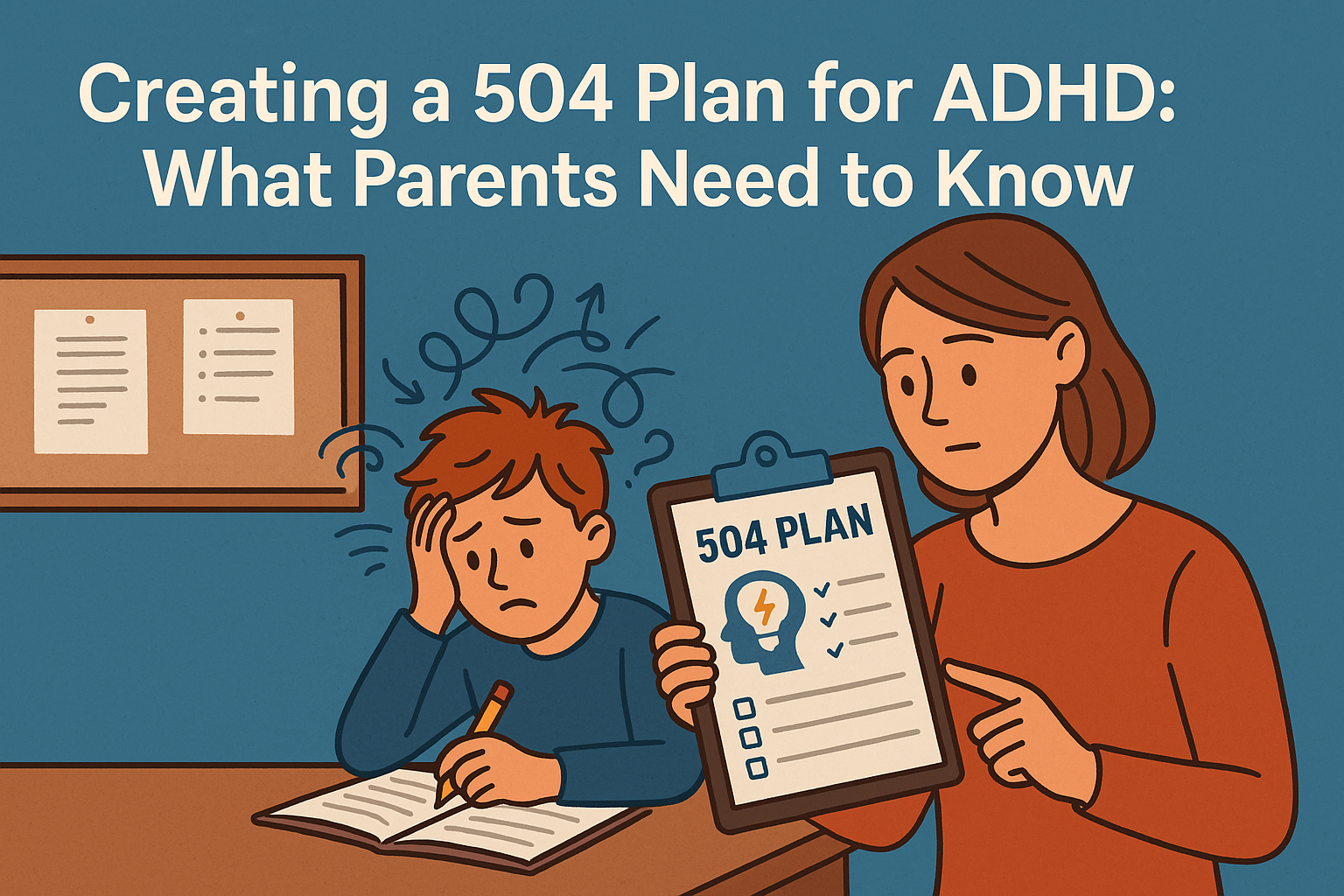
For parents navigating the complexities of ADHD within the educational system, understanding the 504 plan for ADHD can be a game changer. The 504 plan is a critical tool designed to ensure that students with disabilities have equal access to education, and it can be especially vital for children with Attention Deficit Hyperactivity Disorder (ADHD). In this article, we’ll explore what a 504 plan entails, the steps to create one, the benefits it offers, and how to effectively implement it in your child’s school.
Understanding 504 Plans: A Brief Overview
A 504 plan is derived from Section 504 of the Rehabilitation Act of 1973, a federal law that prohibits discrimination based on disability in programs that receive federal funding. Essentially, it requires schools to provide accommodations that enable students with disabilities to fully participate and thrive in their educational environment. Unlike an Individualized Education Program (IEP), which is tailored for students who require specialized instruction, a 504 plan focuses on ensuring equal access through accommodations and modifications.
ADHD is classified as a disability under this law, meaning students with ADHD can qualify for a 504 plan. The accommodations outlined in the plan might include adjustments to teaching methods, classroom environment, or testing procedures. The goal is to support the child in managing their symptoms effectively while allowing them to succeed academically.
Why a 504 Plan Matters for Students with ADHD
Parents often wonder if their child truly needs a 504 plan for ADHD. The answer is typically yes, especially if the symptoms significantly impact their performance at school. Here are several reasons why establishing a 504 plan is crucial:
- Equal Access: A 504 plan guarantees that students with ADHD can access the same educational opportunities as their peers without disabilities.
- Personalized Accommodations: Each child is unique. A 504 plan allows for tailored accommodations that address specific challenges that a child with ADHD may face.
- Legal Protection: Having a 504 plan in place provides legal protections against discrimination, ensuring that schools provide the necessary support.
- Improved Academic Performance: With the right supports, students with ADHD can improve their focus, participation, and overall academic achievements.
Key Steps to Create a 504 Plan for ADHD
Creating a 504 plan for ADHD involves several key steps that parents must follow to ensure a successful outcome. Here’s how to navigate the process:
1. Gather Documentation
Before initiating the 504 plan process, parents should collect relevant documentation that outlines their child’s condition. This includes:
- Medical evaluations from healthcare providers.
- Psychological assessments that detail the impact of ADHD on learning.
- Teacher reports and observations that illustrate the child’s behavior and performance in school.
- Any prior evaluations or IEP documentation, if applicable.
2. Request a 504 Meeting
Once you have your documentation, it’s time to reach out to your child’s school. Formally request a 504 meeting with the school’s 504 coordinator or a designated staff member. Be clear about your intent, emphasizing your child’s needs and the challenges they face due to ADHD.
3. Collaborate with School Staff
During the meeting, collaborate with teachers, school psychologists, and any other relevant staff members. Share the evidence you gathered and discuss your child’s specific needs. It’s essential to communicate openly and work together to create accommodations that will genuinely benefit your child. (See: CDC guidelines on ADHD.)
4. Draft the 504 Plan
Once all parties agree on necessary accommodations, the school will draft the 504 plan. This document should outline:
- The specific accommodations being provided, such as extended test time, preferential seating, or behavioral interventions.
- Clear goals for monitoring progress and effectiveness of the accommodations.
- A schedule for reviewing the plan to ensure it continues to meet the child’s needs.
It’s vital that parents review the draft thoroughly, ensuring that it accurately reflects what was discussed and agreed upon. Don’t hesitate to ask for clarifications or modifications.
Common Accommodations for ADHD
Effective accommodations in a 504 plan for ADHD can vary widely depending on the child’s specific needs. Here are some common accommodations that might be included:
- Extended Time: Allowing additional time on tests and assignments can relieve pressure and help students perform better.
- Preferential Seating: Sitting near the teacher or away from distractions can improve concentration and focus.
- Breaks: Scheduled breaks during lessons can help students manage their energy and regain focus.
- Use of Technology: Allowing the use of devices such as audio recorders or computers for note-taking can aid in learning.
- Modified Assignments: Adjusting the length or difficulty of assignments can make tasks more manageable.
- Behavioral Support: Implementing a behavior intervention plan that rewards positive behavior can help improve self-management.
Each accommodation should be tailored to suit the child. Keep in mind that what works for one student may not work for another. The key is to be flexible and willing to adjust the plan as necessary.
Monitoring and Revising the 504 Plan
Once a 504 plan is in place, it’s not a set-it-and-forget-it situation. Regular monitoring and evaluation are crucial to ensure the accommodations remain effective as the child grows and their needs change. Schools are required to review the 504 plan at least annually, but parents should also be proactive in checking in and discussing their child’s progress.
Don’t hesitate to request a meeting if you notice that your child is struggling even with accommodations in place. You can advocate for revising the plan to include new strategies or supports that may be necessary. Open communication with school staff is vital to ensure that your child receives the support they need.
Current Relevance and Resources for Parents
As awareness of ADHD grows, so does the number of resources available for parents. Many organizations are dedicated to providing support and information regarding 504 plans for ADHD. The following resources can be incredibly helpful:
- National ADHD Resource Center: Offers a wealth of information about ADHD and educational rights.
- CHADD (Children and Adults with Attention-Deficit/Hyperactivity Disorder): Provides tools and guidance for parents navigating ADHD-related challenges.
- Your Local School District: Most districts have resources or teams dedicated to special education and 504 plans. Don’t hesitate to reach out.
In addition to these resources, connecting with other parents facing similar challenges can provide valuable insights and support. Consider joining local or online support groups where experiences and strategies can be shared.
Understanding the Impact of ADHD in the Classroom
ADHD affects children in various ways, which can manifest differently in the classroom. For instance, some students might struggle with impulsivity, leading to difficulty waiting their turn during discussions or interrupting others. Others may have trouble focusing, resulting in missed instructions or incomplete assignments. Understanding these specific challenges is crucial for creating effective accommodations in a 504 plan. (See: NIH ADHD treatment information.)
Statistics from the CDC reveal that approximately 6 million children have been diagnosed with ADHD in the United States. This means that many families are dealing with similar challenges and navigating the educational system for support. By recognizing the prevalence of ADHD, schools can better understand the need for structured support systems.
Expert Perspectives on ADHD and Educational Support
Experts in the field of education and psychology emphasize the importance of comprehensive support for students with ADHD. Dr. Jane Smith, a clinical psychologist specializing in childhood disorders, notes, “Students with ADHD not only face challenges with attention but often struggle with executive functioning skills, which affects their ability to plan, organize, and complete tasks.”
This insight underscores the necessity of incorporating specific strategies within a 504 plan that address not just academic needs but also organizational skills. For instance, providing a daily planner or check-in with a teacher may help students manage their workload more effectively.
Common Myths About 504 Plans for ADHD
There are numerous myths surrounding 504 plans that can lead to misunderstandings among parents and educators. Here are a few common misconceptions:
- Myth 1: A 504 plan is only for students with severe ADHD. Fact: Even mild symptoms can significantly impact a student’s learning, making a 504 plan beneficial for a wide range of needs.
- Myth 2: A 504 plan is the same as an IEP. Fact: While both provide accommodations, IEPs focus on specialized instruction while 504 plans emphasize accessibility.
- Myth 3: All schools automatically provide 504 plans for students with ADHD. Fact: Parents must actively advocate for their child and initiate the process.
FAQ: Common Questions About 504 Plans for ADHD
What is the difference between a 504 plan and an IEP?
A 504 plan provides accommodations to ensure access to the general education curriculum, while an IEP offers specialized instruction tailored to individual needs. An IEP is designed for students who require specific educational services due to their disability.
How do I know if my child qualifies for a 504 plan?
If your child has ADHD and it significantly interferes with their ability to learn or participate in school activities, they may qualify for a 504 plan. Documentation from medical professionals and educational assessments can help determine this.
Can I make changes to the 504 plan after it’s created?
Yes! If you feel that the current accommodations are not meeting your child’s needs, you can request a meeting to discuss modifications. It’s essential to keep communication open with school staff to ensure the plan remains effective.
What should I do if the school denies my request for a 504 plan?
If your request is denied, you have the right to appeal the decision. You can gather further documentation, seek guidance from advocacy groups, or consult with a special education attorney to help navigate the process.
Additional Considerations for Parents
While the 504 plan is crucial, parents should also consider other aspects of their child’s education. For example, fostering a strong partnership with teachers can enhance the effectiveness of accommodations. Regular communication about what is working and what isn’t can lead to better outcomes for your child.
It’s also important to teach self-advocacy skills to your child. As they grow older, encouraging them to express their needs and seek help when necessary can empower them in their educational journey. This skill set not only assists them in school but also prepares them for future challenges in life.
Understanding the Emotional Impact of ADHD
The emotional well-being of students with ADHD can often be overshadowed by academic concerns. Kids with ADHD might experience feelings of frustration, anxiety, or low self-esteem due to their struggles in school. Recognizing this emotional component is essential for developing a comprehensive support plan.
Parents should consider incorporating social-emotional learning strategies into their child’s routine. This can include mindfulness practices, social skills training, or even therapy, which can provide children with coping mechanisms to deal with their emotions effectively.
Conclusion: Empowering Your Child with a 504 Plan for ADHD
Creating a 504 plan for ADHD is an empowering step for parents and children alike. It opens the door for educational success and provides the necessary support for navigating school life. By understanding the process, advocating for your child, and staying involved, you can help ensure that your child not only has access to education but also thrives within it. Remember, each child is unique, and the more informed you are, the better equipped you’ll be to support your child’s educational journey.
“`
Trending Now
- Join Nooro as an iOS Developer:…
- our breakdown of 12 engaging emotional intelligence activities for kids to foster growth
- this guide on 7 essential emotional intelligence skills every high school student needs before college
- 7 Essential Strategies for Boosting Emotional…
- this guide on 7 effective emotional intelligence activities for kindergarten kids that really work
Frequently Asked Questions
What is a 504 plan for ADHD?
A 504 plan for ADHD is a legal document that outlines accommodations and modifications for students with Attention Deficit Hyperactivity Disorder. It ensures they have equal access to education under Section 504 of the Rehabilitation Act of 1973, which prohibits discrimination based on disability.
How do I create a 504 plan for my child with ADHD?
To create a 504 plan for your child with ADHD, start by gathering documentation of their diagnosis and how it affects their learning. Then, request a meeting with school officials to discuss potential accommodations tailored to your child's needs, ensuring they have the support necessary to succeed academically.
What accommodations can be included in a 504 plan for ADHD?
Accommodations in a 504 plan for ADHD may include extended test-taking time, preferential seating, breaks during class, modified assignments, or changes to teaching methods. These adjustments aim to help the student manage their symptoms and improve their educational experience.
Is a 504 plan the same as an IEP?
No, a 504 plan is not the same as an Individualized Education Program (IEP). While both provide support for students with disabilities, an IEP is specifically for those requiring specialized instruction, whereas a 504 plan focuses on accommodations for equal access to education.
Why is a 504 plan important for students with ADHD?
A 504 plan is important for students with ADHD because it ensures they receive necessary accommodations to access the same educational opportunities as their peers. This support can significantly improve their academic performance and overall school experience.
What’s your take on this? Share your thoughts in the comments below — we read every one.