

“`html
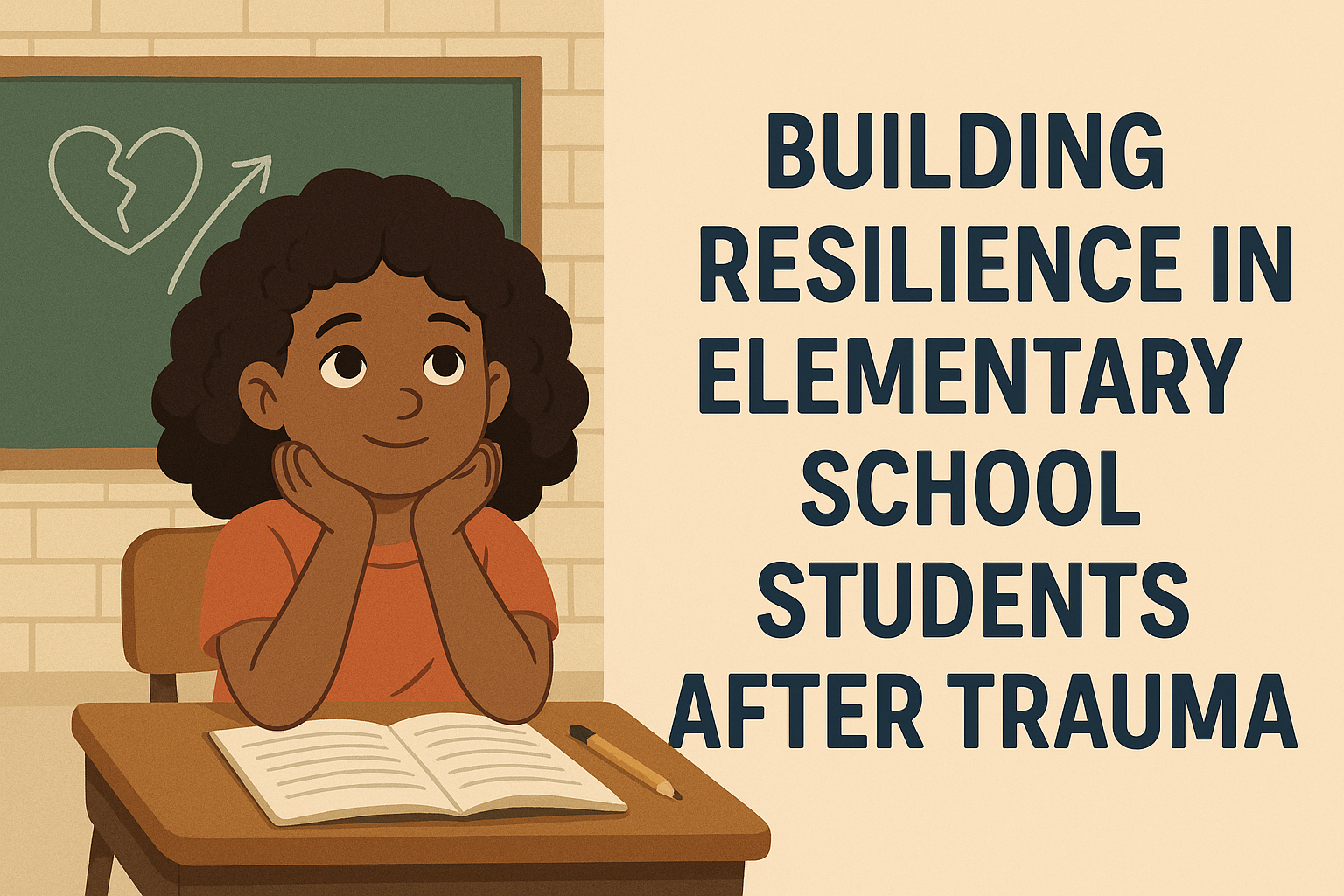
When children experience trauma, it can have profound and lasting effects on their emotional, social, and academic development. For elementary students, the stakes are especially high, as they are in a crucial stage of their growth and learning. Building resilience in these young individuals is not only necessary for their recovery but also for their overall development. Resilience allows children to adapt, cope, and thrive despite adversity. In this article, we’ll explore effective methods for fostering resilience in elementary students after trauma, providing educators, parents, and caregivers with practical insights.
Understanding Trauma in Elementary Students
Trauma can arise from various sources, including abuse, neglect, violence, loss of a loved one, or even natural disasters. For children in elementary school, these experiences can be particularly destabilizing. The American Psychological Association (APA) highlights that children may exhibit a range of emotional and behavioral responses to trauma, including anxiety, depression, withdrawal, and aggression.
These reactions are not just fleeting; they can affect a child’s cognitive performance, relationships with peers, and overall well-being. According to the National Child Traumatic Stress Network, children exposed to trauma are at a higher risk for developing mental health issues later in life. Thus, understanding trauma’s impact is the first step in effectively supporting these children.
The Role of Resilience in Recovery
Resilience in elementary students refers to their ability to bounce back from adversity and manage stress. Building this resilience is vital for several reasons:
- Emotional Regulation: Resilient children learn to manage their emotions, allowing them to navigate challenges more effectively.
- Social Skills: Those with resilience often demonstrate better interpersonal relationships, which are critical during the elementary school years.
- Academic Success: Resilient students typically show improved academic performance, as they are better equipped to handle setbacks.
- Long-Term Health: Building resilience early on can lead to healthier coping mechanisms in adulthood, reducing the risk of mental health disorders.
Ultimately, fostering resilience helps children not just to endure their current challenges but also prepares them for future hurdles.
Key Strategies for Building Resilience
Now that we understand the importance of resilience, let’s dive into some practical strategies that can be employed in schools and homes to support elementary students in their recovery from trauma.
1. Establish a Safe and Supportive Environment
Creating a safe space is foundational for fostering resilience in elementary students. Teachers and caregivers should prioritize creating an environment where children feel secure and valued. This can be achieved through:
- Consistent Routines: Establishing daily routines helps children feel more in control and grounded. Predictability in their environment can alleviate anxiety and promote a sense of safety.
- Positive Relationships: Building strong, trusting relationships with students is essential. When a child knows they have someone to rely on, it can make a significant difference in how they cope with trauma.
- Open Communication: Encouraging open dialogue about feelings and experiences can help children process their trauma. Teachers and parents should be approachable and ready to listen without judgment.
By fostering a nurturing environment, children can begin to rebuild their sense of security, which is crucial for resilience. (See: CDC on child abuse and neglect.)
2. Teach Coping Skills
Resilience is not innate; it can be cultivated through the development of effective coping skills. Educators and parents can introduce various techniques that help children manage their emotions and stress, such as:
- Mindfulness Practices: Techniques like deep breathing, meditation, and yoga can help students calm their minds and bodies. Research has shown that mindfulness can reduce anxiety and foster emotional regulation.
- Problem-Solving Skills: Teaching children how to approach problems systematically can empower them. Encourage them to identify issues, brainstorm solutions, and evaluate the outcomes.
- Emotional Expression: Providing tools for children to express their feelings, whether through art, writing, or verbal communication, can aid in processing trauma and building resilience.
By equipping children with coping strategies, educators and caregivers can help them develop a toolkit for navigating adversity.
3. Foster Connections with Peers
Social connections are a vital component of resilience in elementary students. Building relationships with peers can offer emotional support and a sense of belonging, which are crucial for recovery from trauma. Here are a few ways to encourage peer connections:
- Group Activities: Engaging students in team-building exercises or group projects fosters collaboration and communication. These activities can help children learn to rely on one another.
- Buddy Systems: Pairing students together can create a support network. Buddies can check in on each other’s well-being, reinforcing social ties.
- Social Skills Training: Teaching children about empathy, conflict resolution, and effective communication can improve their ability to form and maintain friendships.
When children have solid friendships and a supportive peer network, they are often better equipped to face challenges.
4. Encourage a Growth Mindset
Developing a growth mindset is essential for fostering resilience in elementary students. This concept, popularized by psychologist Carol Dweck, emphasizes the belief that abilities and intelligence can be developed through effort and learning. To encourage a growth mindset:
- Emphasize Effort Over Outcome: Praise children for their hard work and resilience rather than just the final results. This helps them understand that perseverance is valuable.
- Model Resilience: Share personal stories of overcoming challenges. When students see adults navigating difficulties, it sets a powerful example.
- Promote Self-Reflection: Encourage students to reflect on their experiences, focusing on what they learned from setbacks and how they can apply those lessons in the future.
Nurturing a growth mindset helps students view challenges as opportunities for learning rather than as insurmountable obstacles.
5. Involve Families and Communities
Building resilience in elementary students is not solely the responsibility of schools; families and communities play a crucial role. Engaging parents and caregivers in the process can enhance support systems for children. Here’s how to involve families:
- Workshops and Resources: Offer workshops for parents on understanding trauma, its effects, and how to support their children’s emotional health. Providing resources can empower them to help their kids.
- Community Programs: Collaborate with local organizations to provide extracurricular activities that promote resilience, such as sports, arts, or mentoring programs.
- Regular Communication: Keep parents informed about their child’s progress and well-being. Regular updates can help parents feel connected to their children’s school experience.
By creating a cohesive support network among families, schools, and communities, children are more likely to thrive as they navigate their challenges.
Current Relevance and Future Implications
The COVID-19 pandemic brought unprecedented levels of trauma to children worldwide. Disruptions to schooling, loss of routine, and heightened anxiety have intensified the need for resilience-building strategies. Schools and caregivers must address these challenges proactively, focusing on the mental health and emotional well-being of elementary students.
As we move forward, integrating resilience training into school curricula and community programs will be essential. Schools should consider adopting trauma-informed practices, which emphasize understanding and responding to the effects of trauma on students.
Furthermore, ongoing research into the impacts of trauma and effective resilience-building techniques will continue to inform these strategies. A commitment to supporting the mental health of elementary students must remain a priority, ensuring that they build the necessary skills to cope with adversity throughout their lives.
Benefits of Resilience for Academic Achievement
Building resilience in elementary students not only aids in emotional recovery but also has significant implications for their academic success. Studies indicate that children with higher resilience levels tend to perform better academically. For instance, a report from the American Psychological Association found that resilient students are more likely to demonstrate higher grades and standardized test scores. This can be attributed to their ability to manage stress, stay focused on tasks, and maintain a positive attitude toward learning.
Resilience also enables students to view challenges as opportunities rather than threats. For example, a child who struggles with math might initially feel overwhelmed but can harness resilience to seek help from teachers or peers, practice diligently, and ultimately improve their skills. This process of overcoming academic hurdles not only enhances their knowledge but also builds confidence and further reinforces their resilience.
Expert Perspectives on Resilience in Children
Many experts in child psychology and education emphasize the critical role of resilience in fostering well-rounded individuals. Dr. Kenneth Ginsburg, a pediatrician and author, stresses that resilience is essential for children to navigate life’s challenges successfully. He advocates for a comprehensive approach that includes building secure relationships, teaching problem-solving abilities, and encouraging independence.
Additionally, Dr. Angela Duckworth, known for her research on grit, defines resilience as part of a broader skill set that includes perseverance and passion for long-term goals. She suggests that educators should instill these attributes in students, encouraging them to develop a sense of purpose and commitment to their endeavors.
Creating a Resilience-Focused Culture in Schools
To effectively promote resilience, schools can cultivate a culture that prioritizes emotional well-being. This involves training staff to recognize signs of trauma and respond appropriately. Schools can implement initiatives that focus on social-emotional learning (SEL), which teaches students skills like self-awareness, self-management, and relationship building.
Furthermore, integrating resilience-building activities into the daily curriculum can make a significant difference. For example, schools might incorporate storytelling sessions where students share their experiences and discuss how they overcame difficulties. Such activities not only validate their feelings but also provide peer learning opportunities. Additionally, schools can partner with mental health professionals to offer workshops that equip students with resilience strategies.
Frequently Asked Questions about Resilience in Elementary Students
What are the signs that a child may need help building resilience?
Look for changes in behavior, such as increased withdrawal, anxiety, or aggression. If a child struggles to cope with everyday challenges or shows significant declines in academic performance, they may benefit from resilience-building support.
How can teachers assess a child’s resilience?
Teachers can observe how students respond to setbacks, their willingness to seek help, and their ability to engage with peers. Regular check-ins and discussions about emotional health can also provide insights into a child’s resilience levels.
Are there specific programs that focus on resilience development in children?
Yes, various programs exist that focus on social-emotional learning and resilience building. Programs like the “Resilience Project” and “PATHS (Promoting Alternative Thinking Strategies)” provide structured frameworks for teaching resilience and emotional intelligence in schools.
How can parents support resilience at home?
Parents can create an open environment where children feel safe to express their feelings. Encouraging problem-solving skills, celebrating effort rather than just achievement, and being a positive role model can significantly contribute to a child’s resilience development.
Final Thoughts
Building resilience in elementary students after trauma is a multifaceted endeavor that requires collaboration among educators, parents, and communities. By establishing safe environments, teaching coping skills, fostering peer connections, encouraging a growth mindset, and involving families, we can help children not only recover from their experiences but also thrive in the face of future challenges. Ultimately, investing in resilience is investing in our children’s brighter futures.
“`
Trending Now
Frequently Asked Questions
How can trauma affect elementary school students?
Trauma can significantly impact elementary school students by leading to emotional and behavioral issues such as anxiety, depression, withdrawal, and aggression. These reactions can hinder their cognitive performance and relationships with peers, making it essential to understand and address the effects of trauma on their development.
What are effective ways to build resilience in children?
Effective ways to build resilience in children include promoting emotional regulation, fostering social skills, and encouraging supportive relationships. Educators and caregivers can provide a safe environment, teach coping strategies, and model resilience, helping children adapt and thrive despite adversities they may face.
Why is resilience important for children after trauma?
Resilience is crucial for children after trauma because it enables them to bounce back from adversity, manage stress, and maintain emotional stability. Building resilience supports their overall development, enhancing emotional regulation, social skills, and academic success, which are vital during the formative elementary school years.
What are common signs of trauma in children?
Common signs of trauma in children include changes in behavior, such as increased anxiety, withdrawal from social interactions, mood swings, and difficulties in school. Children may also exhibit physical symptoms like headaches or stomachaches, highlighting the need for understanding and support from caregivers and educators.
How can parents support a child who has experienced trauma?
Parents can support a child who has experienced trauma by providing a stable and nurturing environment, encouraging open communication, and being patient with their emotional responses. Seeking professional help, such as therapy, can also be beneficial in helping the child process their experiences and build resilience.
Agree or disagree? Drop a comment and tell us what you think.



