
“`html
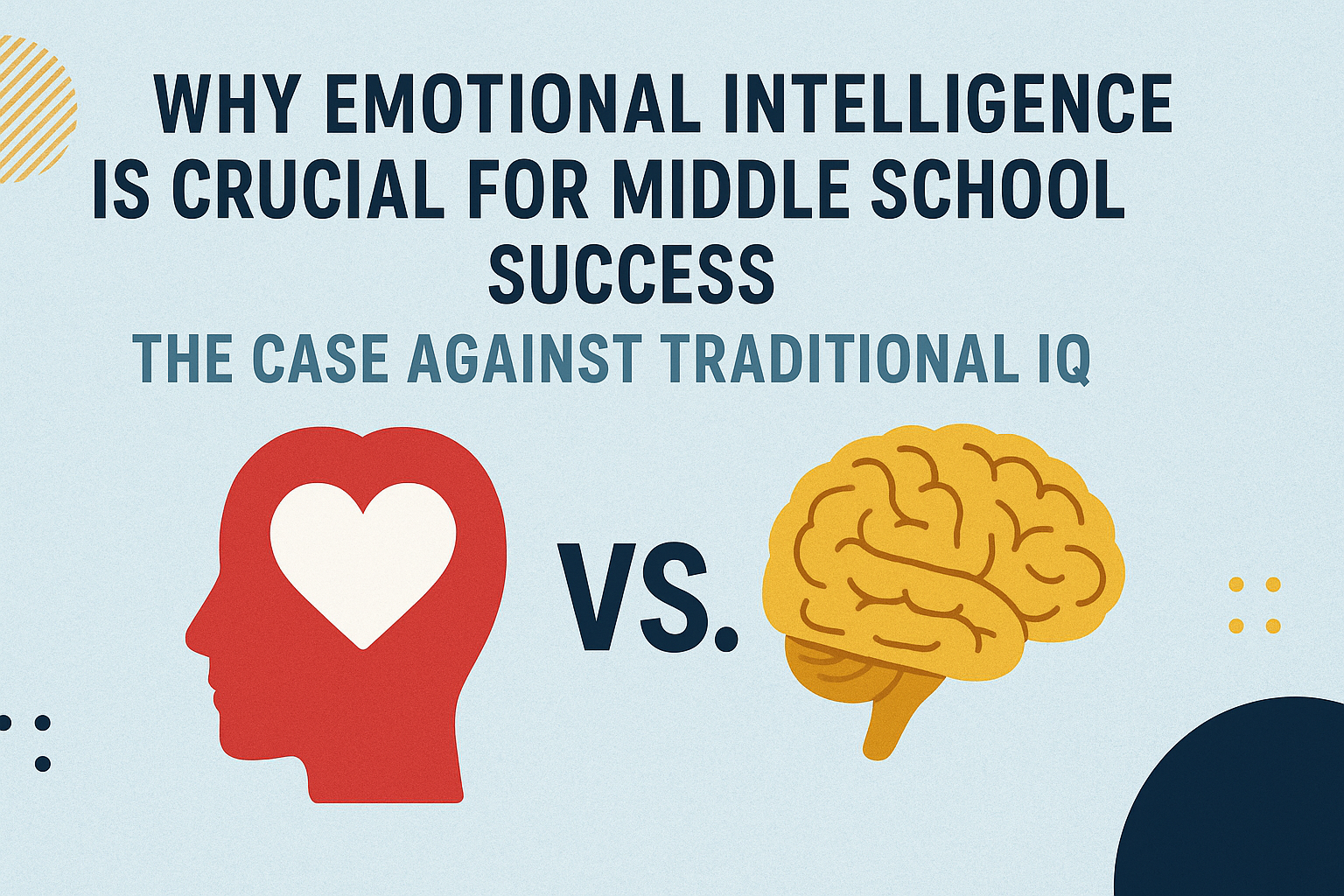
When it comes to academic success in middle school, many individuals often focus on traditional metrics like IQ. However, a growing body of research suggests that emotional intelligence in middle school may play a far more significant role. As students transition into their teenage years, they face a myriad of social, emotional, and academic challenges. Understanding and harnessing emotional intelligence can be a game changer for students navigating this tumultuous period.
The Shift from IQ to Emotional Intelligence
In the past, intelligence quotient (IQ) was often viewed as the primary indicator of a student’s potential. Standardized tests aimed to quantify a student’s cognitive capabilities, evaluating skills in math, reading, and logic. However, as educational paradigms evolve, there’s a growing recognition that emotional intelligence (EI) can be just as important—if not more so.
Emotional intelligence refers to the ability to understand, manage, and utilize one’s emotions effectively while also recognizing and influencing the emotions of others. This skill set is particularly crucial during middle school years when students undergo substantial hormonal changes and social dynamics shift dramatically.
The Foundation of Emotional Intelligence
Emotional intelligence is often broken down into several key components: self-awareness, self-regulation, motivation, empathy, and social skills. Developing these skills in middle school can lead to more significant academic, social, and personal success.
- Self-Awareness: Understanding one’s emotions and how they affect behavior can help students make better decisions.
- Self-Regulation: The ability to manage emotions, especially in stressful situations, leads to improved responses to challenges.
- Motivation: EI fosters intrinsic motivation and a drive to achieve goals, which can be critical during the middle school transition.
- Empathy: Recognizing the emotions of peers can help students build stronger relationships and navigate social complexities.
- Social Skills: Effective communication and conflict resolution skills are vital for collaborating with peers and teachers.
The Role of Emotional Intelligence in Academic Success
Research consistently shows that emotional intelligence is linked to academic performance. A study conducted by the University of Illinois found that students with higher EI tend to achieve better grades and perform better in school activities than their peers with lower EI. The reasons are multifaceted.
First, emotionally intelligent students are better equipped to handle the stress and anxiety often associated with academic pressures. For example, middle schoolers face increased homework loads, standardized testing, and the challenge of maintaining friendships. Those with high emotional intelligence can manage their stress more effectively, leading to better concentration and performance in school.
Second, emotional intelligence enhances collaboration. Group projects are a staple in middle school education, and students who can empathize and communicate well with their peers tend to excel in these collaborative environments. They can navigate conflicts, share responsibilities, and contribute positively to group dynamics.
Social Emotional Learning Programs
Recognizing the importance of emotional intelligence, many schools are increasingly adopting Social Emotional Learning (SEL) programs. These initiatives aim to integrate emotional intelligence training into the curriculum, helping students develop the necessary skills for both academic and life success.
For example, programs like the Collaborative for Academic, Social, and Emotional Learning (CASEL) have gained traction across the United States. These programs typically focus on teaching self-awareness, self-management, social awareness, relationship skills, and responsible decision-making. Research has shown that students participating in SEL programs experience not only improved emotional skills but also higher academic performance and better behavior in school. (See: study on emotional intelligence.)
One notable case is the “PATHS” (Promoting Alternative Thinking Strategies) program, which has been implemented in various middle schools. This program focuses on teaching emotional literacy and self-regulation techniques. Schools that have integrated PATHS have reported significant improvements in students’ emotional skills, leading to a more positive school climate.
Real-World Impact of Emotional Intelligence
To illustrate the impact of emotional intelligence in middle school, consider the case of Alex, a hypothetical student facing the transition into a new school. Alex enters seventh grade feeling anxious and uncertain. However, this school has a robust SEL program emphasizing emotional intelligence. Through the program, Alex learns to recognize feelings of anxiety and employs self-regulation techniques to manage those feelings during stressful situations, such as tests or social interactions.
As a result, Alex finds it easier to engage with classmates, make friends, and participate in class. His academic performance improves, not only due to better emotional regulation but also because he is more motivated to learn and collaborate with peers. This scenario highlights how emotional intelligence can lead to a significant turnaround in a student’s middle school experience.
The Importance of Parental Involvement
While schools play a crucial role in fostering emotional intelligence, parental involvement is also vital. Parents can support their children’s emotional development by modeling emotional intelligence behaviors at home. This can include discussing feelings openly, teaching conflict resolution skills, and providing a safe environment for emotional expression.
For instance, engaging in family discussions about daily challenges and encouraging children to articulate their feelings fosters an emotionally intelligent home environment. Additionally, parents can reinforce what children learn at school about emotional intelligence, ensuring consistency and deeper understanding.
Moreover, workshops and resources available for parents can enhance their understanding of emotional intelligence. Schools should consider offering parent education sessions about emotional intelligence, guiding parents on how to support their children effectively.
Challenges and the Future of Emotional Intelligence in Education
Despite the clear benefits, integrating emotional intelligence into middle school curricula faces challenges. Some educators may lack training in emotional intelligence, making it difficult to teach these concepts effectively. Additionally, budget constraints can hinder the implementation of comprehensive SEL programs.
However, as awareness of the importance of emotional intelligence grows, there’s hope for the future. Educational policymakers are beginning to prioritize SEL initiatives, recognizing that fostering emotional intelligence can lead to healthier, more successful students.
Furthermore, technology presents an opportunity to enhance emotional intelligence education. Online platforms and apps designed to teach emotional skills can provide supplementary resources for students, parents, and educators, making learning more accessible and engaging.
The Role of Emotional Intelligence in Conflict Resolution
Conflict is inevitable among middle school students, whether it’s over a difference in opinion during a group project or misunderstandings in friendship dynamics. Emotional intelligence plays a crucial role in conflict resolution. Students with high emotional intelligence are better equipped to navigate these situations with empathy and effective communication.
For example, when two students disagree on how to approach a project, an emotionally intelligent student might first take a moment to recognize their own emotions of frustration while also empathizing with the other student’s point of view. This awareness allows them to approach the conversation calmly, suggesting ways to collaborate rather than arguing. Schools are increasingly teaching these skills through role-playing and guided discussions, helping students learn to resolve conflicts peacefully.
Statistics Supporting Emotional Intelligence Training
Numerous studies highlight the positive impact of emotional intelligence training in schools. According to a meta-analysis conducted by the journal Child Development, students who participated in SEL programs showed an average increase of 11 percentile points in their academic performance compared to peers who did not receive such training.
Additionally, the Collaborative for Academic, Social, and Emotional Learning (CASEL) reported that schools implementing SEL programs saw a 23% improvement in social and emotional skills among students, underscoring the significant benefits of these programs. These statistics showcase the vital role emotional intelligence can play in shaping not only academic success but also the overall well-being of students.
Integrating Emotional Intelligence Across Subjects
Rather than treating emotional intelligence as a standalone subject, educators are finding ways to integrate EI concepts across various subjects. Teachers can incorporate discussions about emotions during literature studies by analyzing characters’ emotional responses, or during science lessons by discussing how emotions influence human behavior and decision-making.
This integrated approach reinforces emotional learning, making it more relevant and engaging for students. For instance, a history lesson about conflict resolution can be paired with discussions on empathy, encouraging students to draw parallels between historical events and their own lives. This not only enhances their understanding of emotional intelligence but also deepens their overall learning experience.
Frequently Asked Questions About Emotional Intelligence in Middle School
What is emotional intelligence, and why is it important in middle school?
Emotional intelligence is the ability to recognize, understand, and manage our own emotions as well as the emotions of others. In middle school, EI is crucial because students encounter various emotional challenges during their transition into adolescence. Developing EI can lead to better academic performance, improved social relationships, and enhanced mental health.
How can parents help improve their child’s emotional intelligence?
Parents can assist by modeling emotionally intelligent behavior, encouraging open discussions about feelings, and teaching conflict resolution skills. Creating an environment where children feel safe to express their emotions is vital for fostering emotional growth.
What are some activities that can help develop emotional intelligence in schools?
Activities such as role-playing, group discussions about emotions, and collaborative projects can enhance students’ emotional intelligence. Schools can also implement mindfulness practices and reflective journaling to help students become more self-aware and empathetic.
Are there specific SEL programs that have proven effective?
Yes, programs like PATHS, Second Step, and MindUP have shown significant success in promoting emotional intelligence among middle school students. These programs offer structured lessons and activities that help students develop key emotional skills.
How can emotional intelligence impact a student’s future?
Students with high emotional intelligence are more likely to excel in both academic and social environments. They tend to have better relationships, cope better with stress, and demonstrate leadership qualities, which can open doors to future opportunities in both education and careers.
How can emotional intelligence help in bullying situations?
Emotional intelligence can help students recognize when bullying is occurring and empower them to respond appropriately. Students with high EI can identify their emotions and those of others, enabling them to intervene compassionately or seek help from an adult. This not only aids in stopping bullying but also fosters a more supportive school atmosphere.
What role does emotional intelligence play in team sports and extracurricular activities?
In team sports, emotional intelligence is key for effective communication and collaboration. Athletes with high EI can manage their emotions during competitions, motivate teammates, and resolve conflicts, which contributes to better team dynamics. Similarly, in extracurricular activities, students with strong emotional intelligence can lead groups more effectively and create a more inclusive environment.
Conclusion: Embracing Emotional Intelligence for Middle School Success
As middle schoolers face the complexities of adolescence, the role of emotional intelligence becomes increasingly critical. While IQ may open doors, it’s emotional intelligence that helps students walk through those doors successfully. By prioritizing emotional intelligence in middle schools through SEL programs, parental support, and a strong educational foundation, we can foster a generation of emotionally intelligent individuals prepared to navigate the challenges of life.
In a world that often emphasizes academic achievement, let’s not forget the power of emotional intelligence—because, in the long run, it might just be the key to success.
“`
Trending Now
Frequently Asked Questions
Why is emotional intelligence important for middle school students?
Emotional intelligence is crucial for middle school students as it helps them navigate social, emotional, and academic challenges. It enables self-awareness, self-regulation, and empathy, which are essential during this transitional phase. By developing these skills, students can improve their decision-making and interpersonal relationships, leading to greater overall success.
How does emotional intelligence differ from IQ?
Emotional intelligence (EI) focuses on understanding and managing emotions, both personally and in others, while IQ measures cognitive abilities such as logic and reasoning. As educational paradigms shift, EI is increasingly recognized as a vital component of success, particularly in middle school, where social dynamics play a significant role.
What are the key components of emotional intelligence?
The key components of emotional intelligence include self-awareness, self-regulation, motivation, empathy, and social skills. These elements work together to help students understand their emotions, manage stress, relate to others, and achieve their goals, all of which are especially important during the middle school years.
Can emotional intelligence be developed in middle school?
Yes, emotional intelligence can be developed during middle school through targeted activities and practices. Educators and parents can support students by encouraging self-reflection, teaching emotional regulation strategies, and fostering empathy through collaborative projects, ultimately leading to enhanced academic and social outcomes.
What role does emotional intelligence play in academic success?
Emotional intelligence plays a significant role in academic success by enhancing students' ability to manage stress, stay motivated, and maintain positive relationships with peers and teachers. This emotional skill set helps students navigate the complexities of middle school, leading to improved engagement and academic performance.
Agree or disagree? Drop a comment and tell us what you think.