
“`html
Teaching reading to young children, especially kindergarten students, can be both rewarding and challenging. As educators, it’s crucial to foster a supportive and effective learning environment. One of the most effective methods for helping children develop their reading skills is through scaffolding reading strategies. These strategies are designed to assist students as they build their understanding of language, text, and comprehension. This article will explore how to implement scaffolding reading strategies in kindergarten classrooms, providing practical insights and current relevance.
1. Understanding Scaffolding in Education
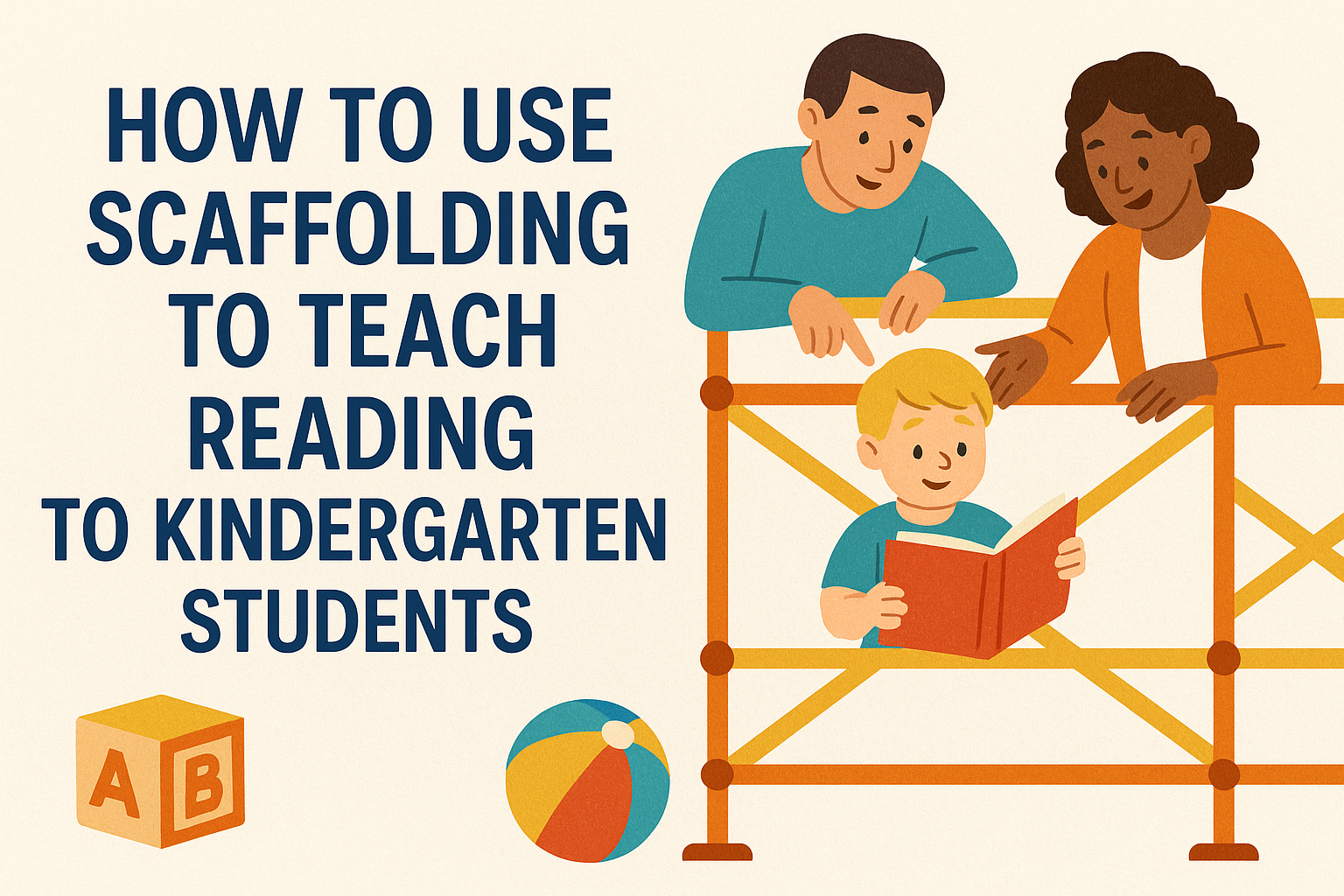
Scaffolding refers to the support given to students as they learn new concepts and skills. Much like the physical scaffolding used in construction, which provides support during the building process, educational scaffolding is temporary assistance that allows learners to reach higher levels of understanding. The key is to gradually remove this support as students become more competent. This approach is particularly effective for kindergarten students, who are just beginning their journeys into literacy.
Scaffolding reading strategies encompass a variety of techniques and exercises that can assist young learners in decoding words, comprehending texts, and developing a love for reading. Teachers can use these strategies to create a structured environment where students feel confident to take risks and learn from their mistakes. By tailoring scaffolding techniques to meet the diverse needs of children, educators can significantly enhance their reading experiences.
2. Key Components of Scaffolding Reading Strategies
When implementing scaffolding reading strategies, several key components are essential to ensure their effectiveness. Understanding these components allows teachers to create an integrated approach to literacy that supports students at various levels of proficiency.
- Modeling: Teachers can demonstrate reading strategies such as predicting, questioning, and summarizing. This modeling helps students understand how to approach texts and think critically about what they read.
- Guided Practice: Following the modeling phase, teachers can facilitate guided practice sessions where students apply the strategies in a supportive setting. This could involve reading together as a class or in small groups.
- Collaborative Learning: Pairing students with peers allows them to engage in discussions about texts, share insights, and learn from one another. Collaboration encourages social interaction and builds communication skills, which are crucial for literacy development.
- Feedback: Providing constructive feedback on students’ reading progress is vital. This can be accomplished through informal assessments, observations, and conversations, helping students understand their strengths and areas for improvement.
By incorporating these components into their teaching, educators can create a robust framework that supports student growth in reading.
3. Practical Scaffolding Strategies for Young Learners
There are numerous practical scaffolding reading strategies teachers can implement in their classrooms. Here are some effective approaches that can benefit kindergarten students:
- Think-Alouds: In this strategy, the teacher verbalizes their thought process while reading a text. This helps students understand how to make predictions, ask questions, and summarize information as they read.
- Picture Walks: Before reading a new book, teachers can guide students through the illustrations, discussing the images and making predictions about the story. This builds background knowledge and sets the stage for comprehension.
- Chunking Text: Breaking down text into manageable sections makes content less overwhelming. Teachers can read a sentence or paragraph, then pause to discuss it with students, ensuring they understand before moving on.
- Use of Interactive Read-Alouds: These are books read aloud to students where they are encouraged to ask questions and make predictions. This interactive approach fosters engagement and comprehension.
Implementing these strategies not only helps students during reading sessions but also promotes a lifelong love for literature.
4. The Role of Assessment in Scaffolding
Assessment plays a critical role in the scaffolding process. By regularly evaluating students’ reading abilities and understanding, teachers can tailor scaffolding reading strategies to meet individual needs. Effective assessments may include: (See: Understanding scaffolding in education.)
- Observational Assessments: Teachers can observe students during reading activities, noting their fluency, comprehension, and engagement.
- Running Records: This involves recording students while they read aloud to analyze their reading behaviors and strategies for decoding.
- Informal Assessments: Simple quizzes, discussions, or reading logs can provide insight into students’ understanding while allowing them to express their thoughts freely.
By using assessment data, educators can adjust their scaffolding techniques. For instance, if a student consistently struggles with decoding, a teacher might provide additional support through phonics activities or targeted interventions.
5. Creating a Literacy-Rich Environment
To support scaffolding reading strategies effectively, creating a literacy-rich environment is essential. Such an environment encourages exploration, curiosity, and a love for reading among kindergarten students. Here are some elements that contribute to this environment:
- Diverse Reading Materials: Having an array of books, including picture books, leveled readers, and non-fiction texts, caters to various interests and reading levels.
- Reading Nooks: Cozy spaces filled with comfortable seating and soft lighting can encourage students to dive into books and enjoy reading independently.
- Print-Rich Displays: Classroom walls adorned with print materials, such as posters of vocabulary words, reading strategies, and students’ work, foster a culture of literacy.
Creating a literacy-rich environment not only supports the scaffolding process but also helps ignite a passion for reading in young learners.
6. Engaging Families in the Reading Process
Involving families in the reading process can significantly enhance the effectiveness of scaffolding reading strategies. When parents and guardians participate, children often show increased motivation and engagement. Here are some ways to engage families:
- Workshops and Resources: Hosting workshops that educate parents about scaffolding reading strategies and how they can support their children at home is invaluable.
- Reading Challenges: Implementing reading challenges that encourage families to read together fosters a sense of community and builds literacy skills.
- Regular Communication: Keeping parents informed about their child’s progress and providing strategies they can implement at home creates a collaborative approach to literacy development.
By actively involving families, educators can create a supportive network that reinforces scaffolding techniques both at school and home.
7. Current Trends and Research in Scaffolding Reading Strategies
Ongoing research in literacy education continues to shed light on effective scaffolding reading strategies. Recent studies suggest that technology can play a role in enhancing these strategies. Educational apps and websites designed for young readers can offer personalized reading experiences, allowing teachers to track progress and tailor instruction effectively.
Additionally, current trends emphasize the importance of social-emotional learning (SEL) in reading instruction. By integrating SEL into literacy practices, educators can create a supportive atmosphere where students feel safe to take risks and express their thoughts. This integration complements scaffolding strategies, fostering resilience and a greater willingness to engage with challenging texts.
8. Challenges in Implementing Scaffolding Strategies
While scaffolding reading strategies offer significant benefits, there are challenges educators may encounter during implementation. Some common obstacles include: (See: Importance of literacy in early education.)
- Diverse Learning Needs: In a kindergarten classroom, students often possess varying levels of literacy readiness. Differentiating instruction to meet each child’s needs can be daunting.
- Time Constraints: Teachers often juggle numerous responsibilities, making it challenging to allocate enough time for scaffolding techniques within the curriculum.
- Resource Availability: Limited access to high-quality reading materials or professional development opportunities may hinder the effective implementation of scaffolding strategies.
Despite these challenges, educators can overcome them through collaboration, professional development, and a commitment to continuous improvement.
9. Practical Examples of Scaffolding Reading Strategies
Real-life examples can illuminate how scaffolding reading strategies work in practice. Consider a classroom where a teacher uses a combination of picture walks and think-alouds with a group of students. Before diving into a new story, the teacher displays the book’s cover and asks students what they think the book might be about, guiding them through the illustrations and asking predictive questions.
Once the students express their thoughts, the teacher begins reading aloud, modeling the think-aloud strategy. For instance, while reading a passage, the teacher might pause to say, “I wonder why the character feels this way,” prompting students to share their predictions and thoughts. Not only does this encourage engagement, but it also nurtures critical thinking skills that are vital for comprehension.
Additionally, in a different scenario, a teacher might use chunking during a reading group. The teacher provides students with a short, complex text. Instead of overwhelming them with the entire passage, the teacher reads a paragraph, stops, and asks students to summarize what they’ve just heard. This process continues, allowing students to digest information step-by-step, making the reading experience less intimidating and more manageable.
10. Statistics Supporting Scaffolding Reading Strategies
Statistics underline the effectiveness of scaffolding reading strategies. A study published in the “Journal of Educational Psychology” found that when teachers employed scaffolding techniques, students showed a 30% improvement in reading comprehension over a semester. Furthermore, according to the National Center for Education Statistics, students who receive focused scaffolding during their early education are 50% more likely to develop strong literacy skills by the end of third grade compared to their peers who do not receive such support.
These findings emphasize the importance of implementing scaffolding reading strategies in early education settings. Schools that prioritize these methods are likely to see significant advancements in their students’ literacy skills, thus setting a solid foundation for future academic success.
11. FAQ on Scaffolding Reading Strategies
What are scaffolding reading strategies?
Scaffolding reading strategies are techniques used by educators to support students in developing their reading skills. These strategies are designed to provide temporary assistance that is gradually removed as students become more proficient readers.
How do I know if my child is benefiting from scaffolding strategies?
Look for signs such as increased engagement during reading activities, improved comprehension skills, and a growing interest in reading. Regular assessments and communication with their teacher can also provide insights into your child’s progress. (See: Teaching reading strategies for children.)
Can scaffolding strategies be used with older students?
Absolutely! While this article focuses on kindergarten students, scaffolding strategies can be adapted for older students as well. The key is to modify the techniques to fit their developmental level and reading abilities.
How can I scaffold my child’s reading at home?
Parents can utilize strategies such as reading together, discussing the story, using visual aids, and encouraging predictions. Providing a variety of reading materials and maintaining a positive reading environment is also beneficial.
Are there specific books that work well with scaffolding strategies?
Books with repetitive text or predictable patterns are excellent for scaffolding, as they allow young readers to anticipate words and phrases. Picture books that are rich in illustrations also help facilitate discussions and predictions.
How important is feedback in scaffolding reading strategies?
Feedback is crucial, as it helps students understand their strengths and areas for improvement. Constructive feedback encourages students to reflect on their reading practices and motivates them to keep developing their skills.
12. Conclusion: The Future of Scaffolding Reading Strategies
Scaffolding reading strategies represent a powerful tool in the arsenal of effective teaching methods for kindergarten students. By providing structured support, teachers can help young learners develop essential reading skills and foster a lifelong love of literature. As research evolves and classroom dynamics shift, the strategies will continue to adapt, ensuring that all students receive the guidance they need to succeed. Ultimately, scaffolding reading strategies underscore the importance of nurturing a supportive learning environment where every child can thrive in their reading journey.
“`
Trending Now
Frequently Asked Questions
What is scaffolding in teaching reading?
Scaffolding in teaching reading refers to the support educators provide to students as they learn new concepts and skills. This temporary assistance helps learners reach higher levels of understanding, similar to physical scaffolding in construction. It is particularly effective for kindergarten students who are beginning to develop their literacy skills.
How can teachers use scaffolding strategies in the classroom?
Teachers can use scaffolding strategies by providing structured support to help students decode words and comprehend texts. This can include modeling reading techniques, offering guided practice, and gradually removing support as students gain confidence and competence in their reading abilities.
Why is scaffolding important for kindergarten students?
Scaffolding is important for kindergarten students because it provides the necessary support as they embark on their literacy journey. It helps them build foundational reading skills, fosters a love for reading, and creates a safe environment for taking risks and learning from mistakes.
What are some examples of scaffolding reading strategies?
Examples of scaffolding reading strategies include modeling reading aloud, using graphic organizers, providing sentence starters, and incorporating interactive read-alouds. These techniques help engage young learners and support their development of comprehension and decoding skills.
How can scaffolding enhance reading experiences for young learners?
Scaffolding enhances reading experiences for young learners by tailoring support to meet their diverse needs. By creating a structured environment and gradually reducing assistance, educators can build students' confidence and skills, ultimately fostering a positive attitude towards reading.
What’s your take on this? Share your thoughts in the comments below — we read every one.