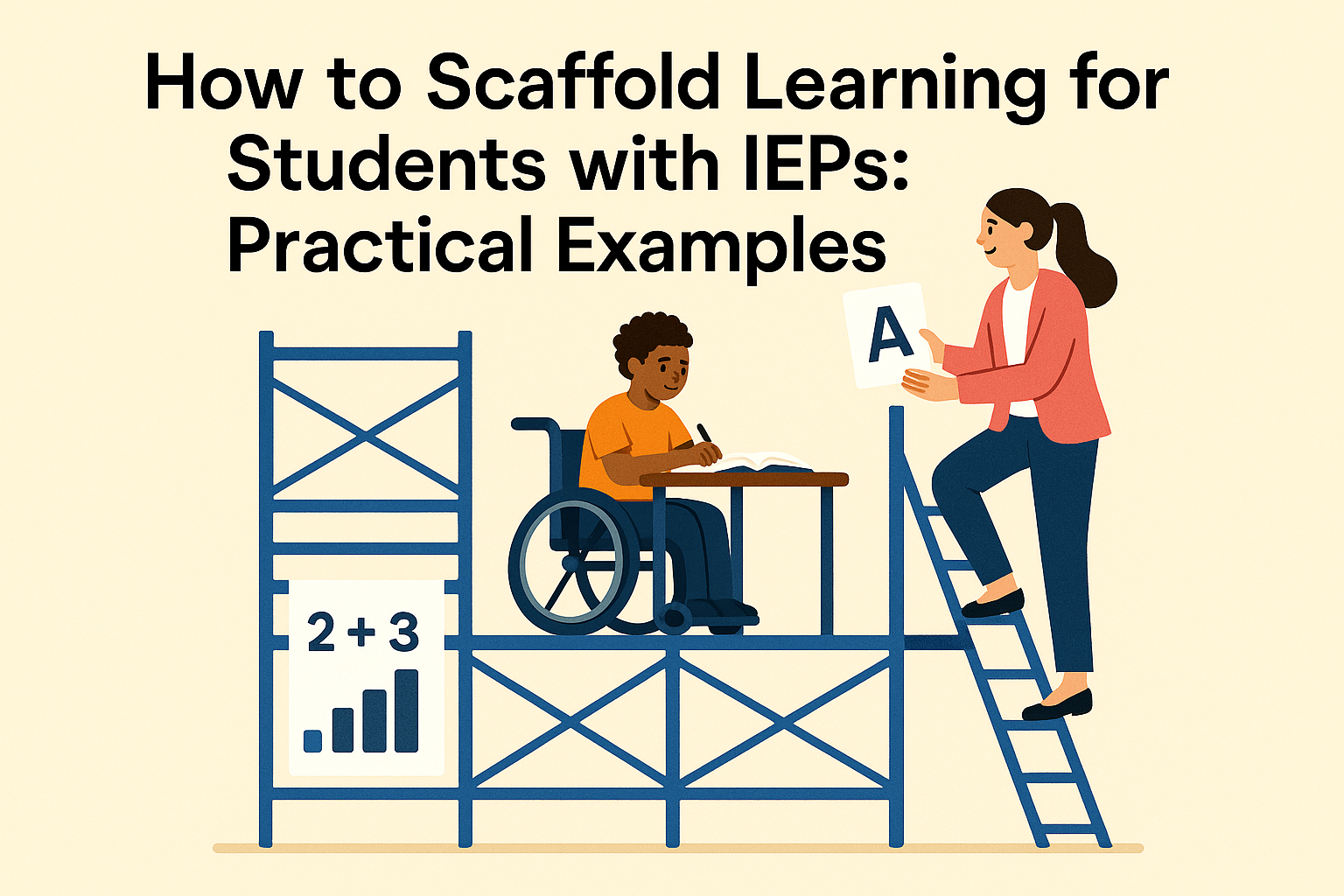

Supporting students with Individualized Education Programs (IEPs) requires a tailored approach to education that meets their unique needs. Scaffolding learning for students with IEPs is essential in helping them achieve their academic goals while also fostering independence and confidence. In this article, we’ll explore nine effective strategies to successfully scaffold learning for these students, providing practical examples that educators can implement in the classroom.
1. Understand Individual Needs
Before implementing any scaffolding techniques, it’s crucial to have a thorough understanding of each student’s specific requirements. IEPs are designed to address individual barriers to learning, considering factors such as cognitive ability, emotional needs, and social skills. Educators should take the time to read and interpret each IEP to identify key goals and accommodations necessary for success.
For instance, a student with dyslexia may benefit from reading materials that incorporate visual aids and phonetic support. By understanding these needs, educators can tailor their scaffolding strategies to align with the student’s IEP goals. This initial assessment phase lays the groundwork for effective scaffolding that is responsive to the student’s learning style.
2. Break Down Tasks into Manageable Steps
Scaffolding involves breaking down complex tasks into smaller, more manageable steps. This is particularly important for students with IEPs who may feel overwhelmed by large assignments. For example, when introducing a research project, instead of assigning the entire project at once, educators can outline a series of smaller tasks such as selecting a topic, gathering sources, creating an outline, and drafting sections. This gradual approach allows students to focus on one aspect at a time, reducing anxiety and increasing engagement.
Additionally, providing clear instructions and specific deadlines for each task can help students stay organized and motivated. Creating a visual timeline or checklist can further aid in helping them understand what is required at each stage of the process.
3. Utilize Visual Supports
Visual supports are a powerful tool when scaffolding learning for students with IEPs. Charts, diagrams, graphic organizers, and pictures can significantly enhance understanding and retention of information. For instance, when teaching a science concept, using a labeled diagram can help students visualize processes, such as the water cycle.
Incorporating technology can also enhance visual supports. Interactive software programs that allow students to manipulate elements on the screen can create a more engaging learning experience. Educators should consider providing printed resources as well, so students can refer back to them during independent work, reinforcing their learning through multiple mediums.
4. Encourage Collaborative Learning
Collaboration can be an effective means of scaffolding learning for students with IEPs. Group work encourages peer interaction, which can boost confidence and provide opportunities for students to learn from one another. For example, pairing students with varying abilities can create a supportive environment where they can share strengths and help each other overcome challenges. (See: learning disabilities fact sheet.)
Educators can set clear roles within groups to ensure that each student contributes to the task. By establishing a culture of co-learning, students with IEPs can feel more included while benefiting from the diverse perspectives and skills of their peers. Additionally, group discussions can foster social skills that are often a focus within IEP goals.
5. Implement Multi-Sensory Approaches
Multi-sensory learning engages various senses to enhance the educational experience. This approach is especially beneficial for students with IEPs, as it caters to different learning styles. For example, a lesson on vocabulary can incorporate visual elements (such as flashcards), auditory components (like songs or chants), and kinesthetic activities (like acting out the meanings of words).
By tapping into multiple senses, educators can create a richer learning environment that helps students retain information more effectively. Research shows that students with IEPs often thrive in settings where they can engage actively with the material rather than passively receiving information.
6. Provide Continuous Feedback
Feedback is vital for student growth. When scaffolding learning for students with IEPs, it’s essential to provide continuous, constructive feedback throughout the learning process. Rather than waiting until the end of a project to give input, educators should offer guidance at various stages, allowing for adjustments and improvements along the way.
This ongoing communication not only helps students refine their work, but it also fosters a growth mindset. Encouraging students to view feedback as a tool for improvement rather than criticism can lead to increased motivation and self-efficacy. Examples of feedback could include verbal suggestions during group tasks or written comments on drafts, highlighting strengths while identifying areas for growth.
7. Incorporate Assistive Technology
Assistive technology can greatly enhance the learning experience for students with IEPs. Tools such as speech-to-text programs, audiobooks, and learning apps can provide the support these students need to engage with the curriculum effectively. For example, a student with writing difficulties might benefit from using dictation software to facilitate their written expression.
Educators should familiarize themselves with various assistive technologies and provide training when necessary. Schools should also work to ensure that these resources are readily available for students who require them. By integrating assistive technology into the classroom, educators can create an inclusive environment that caters to diverse learning needs.
8. Modeling and Demonstration
Modeling is a powerful technique in scaffolding learning. When educators explicitly demonstrate a skill or concept, it helps students understand what is expected of them. For instance, during a math lesson, a teacher might solve a problem on the board, explaining each step as they go. This demonstration provides clarity and sets a clear example for students to follow.
Encouraging students to verbalize their thought processes while working through problems can also strengthen their understanding. This strategy helps them internalize the steps and understand the reasoning behind their actions, making them more independent learners over time.
9. Foster Independence Through Gradual Release
One of the ultimate goals of scaffolding is to help students become independent learners. The gradual release of responsibility model is an effective method to achieve this. Initially, educators provide significant support while students learn new concepts. As students gain confidence and mastery, the support is gradually reduced. (See: milestones and developmental delays.)
The model typically follows a sequence: “I do it” (the teacher demonstrates), “We do it” (the teacher and students work together), and finally, “You do it” (the student works independently). This gradual release encourages students to take ownership of their learning while still providing necessary support until they can confidently apply their skills on their own. Over time, this strategy not only empowers students but also aligns with the ultimate goals of their IEPs.
10. Engage Families in the Process
Involving families in the education of students with IEPs can significantly enhance the scaffolding process. Parents and guardians are crucial partners in helping students succeed. Regular communication with families about their child’s progress, challenges, and successes can create a stronger support system. For instance, educators can provide updates through newsletters or meetings that highlight the strategies being used in the classroom and how families can reinforce these at home.
Moreover, workshops or informational sessions can help parents understand the specific scaffolding techniques being implemented. This knowledge enables them to provide targeted help at home, reinforcing the learning that occurs in school. When families are engaged, it not only strengthens the bond between home and school but also promotes a collaborative approach to education.
11. Monitor and Adjust Strategies
Scaffolding is not a one-size-fits-all approach; it requires constant monitoring and adjustment based on student responses and progress. Regular assessments can provide valuable insights into what’s working and what isn’t. Educators should be prepared to adapt their strategies as needed. For example, if a particular visual aid is not resonating with students, experimenting with different types of supports or teaching methods can help find a more effective approach.
By being responsive and flexible, educators can ensure that scaffolding remains effective and aligned with the evolving needs of their students. This agility is particularly important for students with IEPs, as their needs can vary widely and may change over time.
12. Foster a Positive Classroom Environment
The classroom environment plays a crucial role in the success of scaffolding efforts. Creating a positive, welcoming space can help students feel safe and supported in their learning. This can include establishing routines, setting clear expectations, and encouraging positive interactions among students. A supportive atmosphere allows students with IEPs to take risks in their learning without fear of failure.
Strategies such as celebrating small successes, promoting teamwork, and encouraging a culture of respect can enhance this environment. When students feel valued and secure, they are more likely to engage fully in the learning process and take advantage of the scaffolding opportunities provided. (See: diagnosis of learning disorders.)
13. Frequently Asked Questions (FAQ)
What is scaffolding learning for students with IEPs?
Scaffolding learning for students with IEPs involves providing structured support tailored to each student’s unique needs, allowing them to build skills and confidence gradually until they can perform tasks independently.
Why is scaffolding important for students with IEPs?
Scaffolding is essential for students with IEPs because it meets them where they are in their learning journey, addressing specific barriers they face and providing the necessary support to help them succeed academically and socially.
How can I measure the effectiveness of scaffolding techniques?
To measure effectiveness, educators can use a combination of formative assessments, student feedback, and progress monitoring data. Observations of student engagement and independence can also provide insights into how well scaffolding techniques are working.
Are there specific tools to help with scaffolding?
Yes, various tools can assist with scaffolding, including graphic organizers, assistive technology, visual aids, and organizational apps. Each of these can provide support in different areas of learning, catering to the diverse needs of students with IEPs.
How can I involve parents in the scaffolding process?
Involving parents can be achieved through regular communication about their child’s progress, sharing strategies used in the classroom, and offering suggestions for reinforcing learning at home. Workshops and informational sessions can also empower parents to engage more effectively in their child’s education.
Scaffolding learning for students with IEPs is not just about providing support; it’s about creating a nurturing environment that fosters growth and independence. By incorporating these thirteen strategies, educators can tailor their teaching to meet individual needs, ensuring all students have the opportunity to succeed. These practices not only enhance academic performance but also bolster confidence and self-advocacy, crucial elements for lifelong learning.
Trending Now
Frequently Asked Questions
What are effective strategies for scaffolding learning for students with IEPs?
Effective strategies include understanding individual needs, breaking down tasks into manageable steps, and providing tailored resources. These approaches help address specific barriers, making learning more accessible and engaging for students with IEPs.
How can teachers support students with IEPs in the classroom?
Teachers can support students with IEPs by implementing individualized strategies such as modifying assignments, using visual aids, and incorporating assistive technology. Understanding each student's unique needs as outlined in their IEP is crucial for effective support.
What is the importance of understanding individual needs in IEPs?
Understanding individual needs is vital as it allows educators to tailor their teaching methods to meet each student's unique learning requirements. This ensures that scaffolding techniques align with specific IEP goals, promoting better academic outcomes.
How do you break down tasks for students with IEPs?
Breaking down tasks for students with IEPs involves dividing complex assignments into smaller, manageable steps. This gradual approach helps reduce overwhelm, allowing students to focus on completing one part at a time, which enhances their learning experience.
What role does scaffolding play in education for students with IEPs?
Scaffolding plays a crucial role in education for students with IEPs by providing structured support that helps them build independence and confidence. It involves adapting teaching strategies to meet individual needs, making learning more effective and engaging.
What’s your take on this? Share your thoughts in the comments below — we read every one.