

“`html
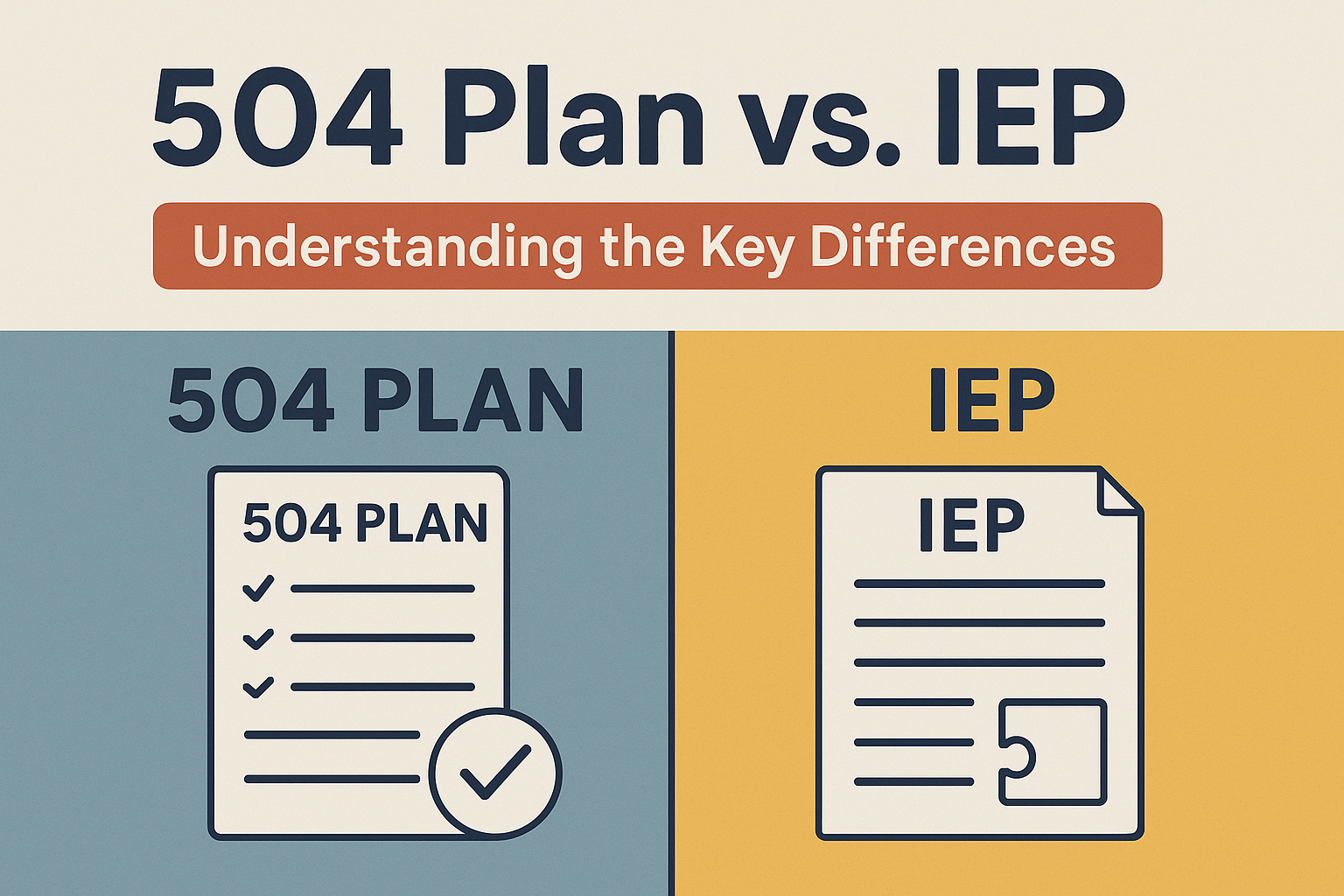
When it comes to supporting students with disabilities, understanding the nuances between a 504 Plan and an Individualized Education Program (IEP) is crucial. Both frameworks are designed to accommodate and support students, but they serve different purposes and have distinct legal foundations. This comprehensive guide will delve into the key differences between a 504 Plan and an IEP, offering insights that can empower parents and educators alike.
1. What Is a 504 Plan?
A 504 Plan derives its name from Section 504 of the Rehabilitation Act of 1973. This civil rights law prohibits discrimination against individuals with disabilities in programs and activities that receive federal funding. A 504 Plan is designed to provide necessary accommodations and modifications to ensure that a student with a disability has equal access to education in a general education setting. This plan is intended for students whose disabilities may not require specialized instruction but still hinder their ability to learn effectively. This builds on which plan suits your child.
For instance, a student with a chronic illness like asthma might need access to medication during school hours or a quiet place to manage symptoms. The 504 Plan would outline these accommodations, ensuring that the student can participate fully in their education without falling behind due to their health condition. It’s essential to note that the 504 Plan does not alter the educational curriculum but rather adjusts the environment and support to enhance learning opportunities.
2. What Is an IEP?
The Individualized Education Program (IEP), on the other hand, is governed by the Individuals with Disabilities Education Act (IDEA), a federal law that ensures students with disabilities receive a free and appropriate public education (FAPE). An IEP is specifically tailored for students who qualify for special education services due to the severity of their disabilities. This plan not only includes accommodations but also outlines specific educational goals and the services the student will receive.
For example, a student with a learning disability such as dyslexia might be provided with specialized reading instruction and additional time on tests. The IEP is a comprehensive document that details the child’s specific needs, measurable goals, and the support services that will be provided to help the child achieve those goals. Parents, educators, and specialists work together to create the IEP, ensuring that it addresses the unique needs of the student.
3. Eligibility Criteria: Who Qualifies?
Eligibility for a 504 Plan and an IEP differs significantly. To qualify for a 504 Plan, a student must have a disability that substantially limits one or more major life activities, such as learning, communicating, or participating in school activities. Importantly, the criteria for what constitutes a disability under Section 504 are broad, allowing for various conditions, including physical, mental, and emotional disabilities.
On the other hand, to qualify for an IEP, a student must meet specific eligibility criteria outlined by IDEA. This typically includes having one or more of the 13 identified disabilities, such as autism, emotional disturbance, or specific learning disabilities. Moreover, the disability must adversely affect the child’s educational performance, necessitating specialized instruction. This distinction is vital for parents and educators to understand, as it determines the type of support and resources available to the student.
4. Key Components of a 504 Plan vs IEP
Both 504 Plans and IEPs contain essential components, but they differ in focus and scope. A 504 Plan primarily includes accommodations and modifications aimed at providing access to the general curriculum. These might involve adjustments like preferential seating, extended time on assignments, or the use of assistive technology. The emphasis here is on leveling the playing field. (See: Section 504 of the Rehabilitation Act.)
In contrast, an IEP includes all the components of a 504 Plan but goes further by detailing specific educational goals, the instructional methods to be used, and the evaluation criteria to assess progress. The IEP outlines the special education services that will be provided, which may involve one-on-one instruction, speech therapy, or counseling services. This makes the IEP a more comprehensive plan, addressing not just access but also the actual educational content and delivery.
5. Service Delivery Models: Where Support Happens
When it comes to the service delivery model, there are fundamental differences between a 504 Plan and an IEP. Students with a 504 Plan typically remain in the general education classroom, where they receive accommodations as needed. This model emphasizes inclusion, allowing students to participate in the same educational environment as their peers while benefiting from the necessary adjustments.
In contrast, IEPs may involve a range of service delivery options, depending on the student’s needs. Some students may receive all their instruction in a general education classroom with support, while others might spend part of their day in a specialized setting. The IEP can dictate services like resource room support, specialized classrooms, or even homebound instruction, depending on the severity of the disability and the child’s unique requirements.
6. Parent Involvement and Rights
Understanding parental rights and involvement is crucial when navigating the differences between a 504 Plan and an IEP. Under the law, parents have the right to be involved in the development of both plans, but the processes differ slightly. For IEPs, parents are considered key members of the IEP team. They have a say in the creation of the plan and must consent to its implementation, which emphasizes the collaborative nature of special education.
On the other hand, while parents are encouraged to participate in the creation of a 504 Plan, their involvement may not be as formalized as it is with an IEP. The school may implement a 504 Plan with less direct input from parents, which can sometimes lead to confusion about parental rights and responsibilities. Nonetheless, parents can advocate for their child’s needs in both settings, ensuring that appropriate accommodations or services are provided.
7. How to Decide Between a 504 Plan and an IEP
Deciding whether to pursue a 504 Plan or an IEP for your child can be daunting. The key lies in understanding your child’s specific needs and the nature of their disability. If your child has a significant disability that requires specialized instruction and services, an IEP may be the better choice. Conversely, if your child requires accommodations to succeed in a regular classroom without altering the educational content, a 504 Plan may suffice.
It’s essential to consider the long-term implications of each option, too. An IEP offers protections and guarantees that can provide a more structured support system. However, if your child’s disability is less severe and they thrive in a general education environment, a 504 Plan might offer the necessary support without the complexities of an IEP. In either case, collaborating with educators, school psychologists, and other professionals can help guide this decision effectively.
8. Monitoring Progress and Updating Plans
Both 504 Plans and IEPs require regular monitoring and updating to ensure they remain effective. For IEPs, schools are mandated to conduct annual reviews and update the plan as necessary. This review process includes assessing the child’s progress towards their goals and making adjustments to services and accommodations based on what is working or what may need to change.
With a 504 Plan, while there isn’t a federal requirement for annual reviews, many schools still conduct them to ensure that the accommodations are effective and continue to meet the student’s needs. It’s advisable for parents to request regular updates and reviews of the 504 Plan, similar to the IEP process, to maintain open communication and ensure their child is receiving appropriate support. (See: Strategies for students with disabilities.)
9. Current Trends and Relevance
In recent years, there has been an increased focus on inclusivity within education, with schools looking for ways to better support all students, particularly those with disabilities. The conversations around 504 Plans and IEPs have evolved alongside these trends, emphasizing the importance of providing individualized support that meets diverse needs.
Furthermore, as mental health issues gain visibility, many schools are recognizing the role of 504 Plans in addressing the needs of students with anxiety, depression, and other mental health conditions. This shift has opened doors for more students to receive support outside the traditional special education model, highlighting the flexibility and broad applicability of 504 Plans.
10. Common Misconceptions About 504 Plans and IEPs
There are numerous misconceptions surrounding 504 Plans and IEPs that can lead to confusion. One common myth is that IEPs are always superior to 504 Plans. While IEPs provide more extensive services, a 504 Plan can effectively support many students who need accommodations without the need for specialized instruction. It’s essential to evaluate each child’s unique situation rather than assume one is better than the other.
Another misconception is that parents cannot advocate for their child after a 504 Plan or IEP is in place. In reality, parents can and should regularly communicate with educators, requesting updates and adjustments as needed. This collaboration is vital to ensure that the plan continues to meet the child’s needs effectively.
11. Statistics on Disability in Education
Understanding statistics related to disabilities in education can provide a clearer picture of the importance of 504 Plans and IEPs. According to the National Center for Education Statistics, approximately 14% of all public school students receive special education services under IDEA. This statistic emphasizes the significant number of students who may benefit from IEPs.
Moreover, the U.S. Department of Education reports that around 1 in 5 students experience learning and attention issues, which may qualify them for a 504 Plan. This data indicates that the potential need for accommodations is quite prevalent, underscoring the relevance of both frameworks in addressing diverse educational needs.
12. FAQ: Frequently Asked Questions
1. What is the main difference between a 504 Plan and an IEP?
The primary difference is that a 504 Plan provides accommodations for students with disabilities to ensure equal access to education, while an IEP offers specialized instruction and services tailored to students with more severe disabilities.
2. Can a student have both a 504 Plan and an IEP?
No, a student cannot have both at the same time, as they serve different purposes. However, a student’s needs can evolve, and they might transition from one to the other depending on their specific requirements. (See: Understanding 504 Plans.)
3. How do I know if my child needs a 504 Plan or an IEP?
Assess your child’s needs and consult with educators and specialists. If your child requires specialized instruction, an IEP might be necessary. If they only need accommodations to succeed in a general education setting, a 504 Plan could suffice.
4. What should I do if I disagree with a school’s decision regarding my child’s plan?
Parents have the right to challenge school decisions. You can request a meeting to discuss your concerns or seek mediation. If necessary, you can also pursue due process procedures to resolve disputes.
5. How often are 504 Plans and IEPs reviewed?
IEPs are reviewed at least annually, while 504 Plans do not have a mandated review schedule. However, regular check-ins and updates are encouraged to ensure they remain effective.
13. Final Thoughts on 504 Plans vs IEPs
Understanding the differences between a 504 Plan and an IEP can significantly impact your child’s educational journey. Both plans serve to support students with disabilities but cater to different needs and circumstances. Whether your child qualifies for a 504 Plan or an IEP, the key is to advocate for the appropriate resources and support to help them thrive in their educational environment.
As you navigate these options, remember to collaborate with educators and specialists to create a personalized approach to your child’s education. The goal is simple: ensuring that every child has the opportunity to succeed, regardless of the challenges they may face. Empower yourself with knowledge, stay informed about your rights, and engage actively in your child’s educational experience.
“`
Trending Now
- this guide on iep accommodations for students with dyslexia and reading challenges
- Transitioning from IEP to 504 Plan in High School: What to Know
- our breakdown of how ieps support english language learners with disabilities
- this guide on iep goals for improving executive function skills
- the complete explanation
Frequently Asked Questions
What is the main difference between a 504 Plan and an IEP?
The primary difference between a 504 Plan and an IEP lies in their legal foundations and purposes. A 504 Plan, based on the Rehabilitation Act of 1973, provides accommodations for students with disabilities to ensure equal access to education, while an IEP, governed by the Individuals with Disabilities Education Act (IDEA), offers specialized instruction and services for students who qualify for special education.
Who qualifies for a 504 Plan?
Students who qualify for a 504 Plan are those with disabilities that substantially limit one or more major life activities, such as learning, but do not necessarily require specialized instruction. This may include students with chronic illnesses, ADHD, or other conditions that impact their educational experience. We covered strategies for scaffolding learning in more detail.
Who is eligible for an IEP?
Eligibility for an IEP is determined by a student’s need for special education services due to the severity of their disabilities. Students must meet specific criteria under the Individuals with Disabilities Education Act (IDEA) and demonstrate that their disability adversely affects their educational performance.
What types of accommodations are included in a 504 Plan?
A 504 Plan may include accommodations such as extended test-taking time, preferential seating, modified assignments, or access to necessary medical support. These adjustments aim to provide students with disabilities equal opportunities to succeed in a general education environment without altering the curriculum.
Can a student have both a 504 Plan and an IEP?
Yes, a student can have both a 504 Plan and an IEP, but this situation is uncommon. Typically, if a student qualifies for an IEP, they will receive specialized instruction and services under IDEA, which may also address the accommodations outlined in a 504 Plan.
What’s your take on this? Share your thoughts in the comments below — we read every one.



