

“`html
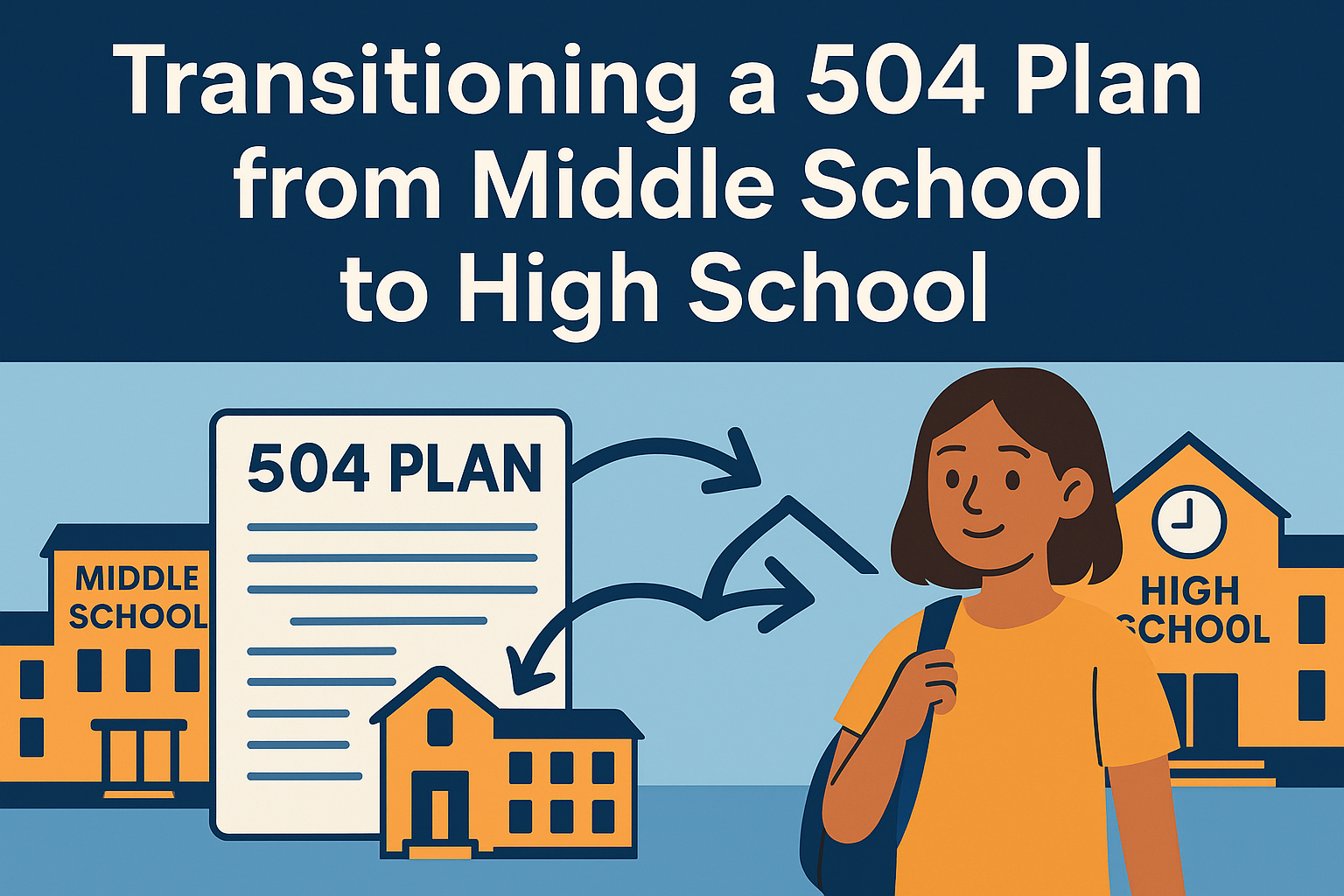
As students prepare to leave middle school and enter high school, the prospect of change can be both exciting and daunting, especially for those with disabilities covered under a 504 plan. This federal law, designed to ensure students receive the accommodations necessary for success in school, requires careful planning and coordination during the transition to high school. Understanding the nuances of the 504 plan transition to high school can help parents, educators, and students navigate this crucial phase effectively.
Understanding 504 Plans: A Quick Overview
A 504 plan is a written document that outlines the specific accommodations a student with a disability may need to access their education fully. This plan is part of Section 504 of the Rehabilitation Act of 1973, which prohibits discrimination against individuals with disabilities in programs that receive federal funding. It’s essential to clarify that a 504 plan is different from an Individualized Education Program (IEP); the latter is specifically tailored for students who qualify for special education services.
Under a 504 plan, students may receive various accommodations, such as extended test-taking time, preferential seating, or modified assignments. These adjustments are designed to create a level playing field, allowing students to demonstrate their knowledge without their disabilities hindering their performance.
The Importance of Transitioning 504 Plans
Transitioning from middle school to high school is a significant milestone for any student, but it can be particularly challenging for those relying on 504 plans. High school often presents a different environment, with varying academic demands, expectations, and social dynamics. Therefore, ensuring a smooth transition is crucial for helping students maintain their academic performance and emotional well-being.
During this transition, students may face new challenges, such as navigating a larger campus, managing multiple teachers, and adapting to different teaching styles. As such, a well-coordinated approach to the 504 plan transition can significantly impact students’ ability to adjust and thrive in their new setting.
Key Points to Address During the 504 Plan Transition
Several important factors should be addressed during the transition process:
- Review Existing Accommodations: It’s essential to evaluate whether the current accommodations in place are still relevant and effective for high school. This review should include input from teachers, parents, and the student.
- Involve the Student: Including the student in discussions around their accommodations empowers them and fosters self-advocacy. They should feel comfortable expressing their needs and preferences.
- Communicate with High School Staff: Early communication with the high school staff, including the 504 coordinator, counselors, and teachers, is vital to ensure everyone is on the same page regarding the student’s needs.
- Update the 504 Plan: If necessary, update the 504 plan to reflect any new accommodations or changes in the student’s circumstances. This may include adjustments for different class formats, such as online learning.
- Consider Social Needs: High school is not only about academics; social interactions play a crucial role in a student’s overall experience. Consider accommodations that may support social integration.
- Plan for Extracurricular Activities: Many students engage in extracurricular activities during high school. Discussing how the 504 plan may extend to these activities can help ensure participation without unnecessary barriers.
Steps to Ensure a Successful Transition
To effectively transition a 504 plan from middle school to high school, follow these critical steps:
1. Early Planning
Start the transition planning process well before the school year begins. Ideally, discussions should commence in the spring of the student’s eighth-grade year. This early planning allows ample time to evaluate existing accommodations and make necessary changes. (See: U.S. Department of Education on 504 Plans.)
2. Schedule Meetings
Organize meetings with key stakeholders, including the middle school 504 team, high school 504 coordinator, and any other relevant staff. These meetings should address the student’s unique needs and how they can be met in the high school environment.
3. Create a Transition Plan
Develop a step-by-step transition plan that outlines specific goals, timelines, and responsible parties. This plan should include actions like notifying teachers about the 504 plan, arranging for any required training, and ensuring that accommodations are in place from the first day of school.
4. Educate the Student
Educating the student about their 504 plan and the accommodations they are entitled to is essential. This knowledge empowers them to advocate for themselves when necessary, whether requesting extended time for a test or discussing seating arrangements in the classroom.
5. Monitor Progress
Once the school year begins, closely monitor the student’s progress. Regular check-ins with teachers and the 504 coordinator can help identify any issues early on. Be proactive in addressing any challenges the student encounters, whether academic or social.
6. Encourage Self-Advocacy
Promoting self-advocacy is crucial during the transition to high school. Encourage the student to speak up about their needs and ask for help when necessary. This skill will serve them well throughout their academic career and beyond. For more on this, see transferring to higher education.
Common Challenges in the 504 Plan Transition
While the transition process is designed to be smooth, several challenges may arise:
1. Increased Academic Pressure
High school often brings a heavier workload and more rigorous academic standards. Some students may struggle to keep up, especially if their 504 plan is not adequately updated to address these changes.
2. Social Dynamics
The social landscape in high school can be complex. Students may face peer pressure or feelings of isolation. Ensuring social accommodations, such as access to support groups or designated staff members, can help facilitate better social integration. (See: NIH on 504 Plans and Learning.)
3. Inconsistent Implementation
Sometimes, high school staff may not fully understand the accommodations outlined in a student’s 504 plan. This inconsistency can lead to frustration for both students and parents. Continuous communication can help mitigate these issues.
The Role of Parents in the Transition Process
Parents play a vital role during the 504 plan transition to high school. They are often the best advocates for their children and can provide invaluable support throughout the process. Here are key actions parents can take:
- Stay Informed: Keep abreast of the school’s policies, the contents of the 504 plan, and any changes to state or federal laws regarding disability rights in education.
- Maintain Open Lines of Communication: Establish a strong rapport with teachers and administrators. Regular communication can help address any issues that arise swiftly.
- Be Proactive: Don’t wait for problems to occur. If something seems off, reach out to the school immediately. Early intervention can often prevent minor issues from escalating.
- Encourage Independence: While it’s essential for parents to be involved, it’s equally important to encourage independence in their children. Allow them to take ownership of their education and accommodations.
Current Relevance: The Impact of COVID-19 on 504 Plans
The COVID-19 pandemic has profoundly affected education systems, including how 504 plans are implemented. Many schools adopted remote learning, leading to unique challenges for students with disabilities. Some accommodations that worked in a traditional classroom may not translate well to online learning.
As schools continue to adapt, it’s crucial to revisit and update 504 plans to address these changes. Virtual learning environments may require additional supports, such as technology accommodations or mental health resources. Ensuring these needs are met is essential for the success of students navigating this new landscape.
Examples of Accommodations for High School Students
Understanding specific accommodations that can be implemented under a 504 plan can greatly assist students as they transition to high school. Here are some examples:
- Extra Time on Tests: Many students benefit from additional time to complete tests, allowing them to fully demonstrate their knowledge without undue pressure.
- Preferential Seating: Sitting at the front of the classroom or away from distractions can help students focus better during lessons.
- Access to Technology: Providing students with laptops, audio books, or assistive technology can enhance learning, especially for those with reading or writing challenges.
- Modified Assignments: Adjusting the length or complexity of assignments can help students manage their workload while still meeting educational standards.
- Support Services: Access to counseling or mentoring programs can provide crucial emotional support that fosters a smoother transition.
Statistics on 504 Plans and Their Impact
Understanding the effectiveness of 504 plans can provide insights into their importance. Research indicates that:
- Students with disabilities who have a 504 plan are 10% more likely to graduate high school compared to those without any support.
- Approximately 2.9 million students in the U.S. are covered by 504 plans, demonstrating their widespread necessity.
- Schools that actively monitor and adjust accommodations see a 15% increase in student satisfaction and performance during transitions to higher grades.
Expert Perspectives on Transitioning 504 Plans
Experts in special education emphasize the importance of collaboration during the transition process. Dr. Emily Carter, a leading advocate for students with disabilities, states, “Successful transitions aren’t just about academics; they also involve social and emotional well-being. Parents and educators must work together to create an environment where students feel safe and supported.”
Additionally, school psychologist Dr. Michael Thompson highlights, “The role of self-advocacy cannot be overstated. Educators and parents should equip students with the skills to articulate their needs and understand their rights under their 504 plans.”
Frequently Asked Questions (FAQ)
What is the timeline for transitioning a 504 plan to high school?
The transition process ideally begins in the spring of the eighth-grade year. This timeline allows for thorough discussions and necessary adjustments to the 504 plan before the student starts high school.
Can any student have a 504 plan?
Yes, students with various disabilities, including physical, mental, and emotional challenges, may qualify for a 504 plan. Each case is evaluated individually to determine eligibility and required accommodations.
What should I do if my child’s 504 accommodations aren’t being implemented?
If accommodations are not being implemented, it’s crucial to communicate directly with the school’s 504 coordinator. Document your concerns and escalate the issue if necessary to ensure your child receives the support they need.
How often should a 504 plan be reviewed?
A 504 plan should be reviewed annually, but it can also be updated more frequently if the student’s needs change or if there are significant changes in their educational environment. (public school acceptance history)
Conclusion: A Roadmap for Success
The transition from middle school to high school is a significant step for students with 504 plans. By understanding the key components of the transition process and actively participating in it, parents, educators, and students can work together to create a supportive environment conducive to success. With the right preparation and communication, students can face high school with confidence, equipped to thrive academically and socially. Remember, the goal is not just to survive high school but to truly excel.
“`
Trending Now
Frequently Asked Questions
What is a 504 plan in education?
A 504 plan is a legal document that outlines specific accommodations for students with disabilities to ensure equal access to education. It is part of Section 504 of the Rehabilitation Act of 1973 and differs from an Individualized Education Program (IEP), which is tailored for students needing special education services.
How do I transition a 504 plan from middle school to high school?
To transition a 504 plan from middle school to high school, it's important to review the current accommodations, communicate with high school staff, and ensure the plan is updated to reflect the new academic environment and challenges. Collaboration among parents, teachers, and students is key for a smooth transition.
What accommodations can be included in a 504 plan?
Accommodations in a 504 plan may include extended test-taking time, preferential seating, modified assignments, and other adjustments tailored to help students with disabilities access their education effectively without their disabilities hindering their performance.
Why is transitioning a 504 plan important?
Transitioning a 504 plan is crucial because high school presents different academic demands and social dynamics. A well-coordinated transition helps students maintain academic performance and emotional well-being, allowing them to adapt successfully to the new environment.
What challenges do students face when moving to high school with a 504 plan?
Students transitioning to high school with a 504 plan may encounter challenges such as navigating larger campuses, managing multiple teachers, and adapting to increased academic expectations. Proper planning and support can help mitigate these challenges.
What’s your take on this? Share your thoughts in the comments below — we read every one.



