
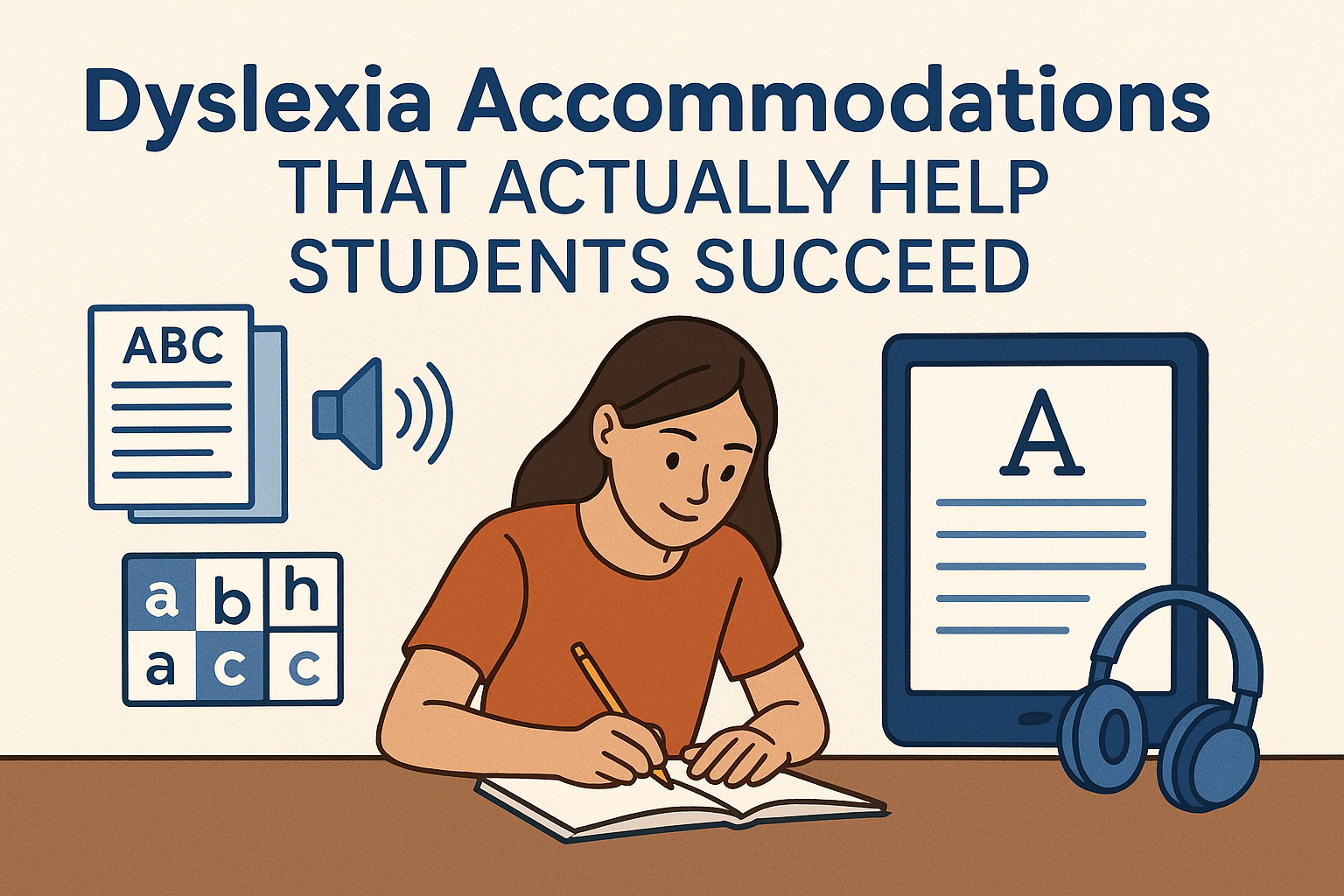

Dyslexia, a specific learning disability that affects reading and related language-based processing skills, impacts around 5 to 10 percent of the population. This condition can pose significant challenges for students in traditional educational settings, often leading to frustration and a lack of self-esteem. Fortunately, the integration of dyslexia accommodations technology has the potential to level the playing field, offering tailored support that can greatly enhance learning experiences. In this article, we’ll delve into the most effective accommodations and technologies that help students with dyslexia thrive.
Understanding Dyslexia and Its Challenges
Dyslexia is characterized by difficulties with accurate and/or fluent word recognition, which in turn affects reading comprehension and spelling. The symptoms range in severity and can include slow reading, difficulty with phonemic awareness, and challenges in decoding words. These difficulties are not reflective of intelligence; many individuals with dyslexia are highly intelligent and creative thinkers.
A significant aspect of dyslexia is its variability in presentation. Each student may exhibit different strengths and weaknesses, making it crucial for educators and parents to understand individual needs. Without appropriate accommodations, students may fall behind in their studies, leading to low self-esteem and disengagement from learning.
The Role of Accommodations in Education
Accommodations are modifications or supports provided to ensure equal access to education for students with dyslexia. They are designed not to change the learning goals but to provide alternative means for students to access the curriculum and demonstrate their understanding. These can range from simple instructional adjustments to advanced technology solutions.
Research has shown that when students with dyslexia receive appropriate accommodations, their academic performance improves significantly. For example, a study conducted by the National Institute of Child Health and Human Development found that providing tailored support can lead to better reading outcomes and higher self-confidence.
Key Dyslexia Accommodations That Make a Difference
When it comes to supporting students with dyslexia, several accommodations stand out as particularly effective. Here are some of the most impactful: For more on this, see accommodating students with dyslexia.
1. Text-to-Speech Software
Text-to-speech (TTS) technology converts written text into spoken words. For students struggling with reading fluency and comprehension, TTS can be a game-changer. Programs like Kurzweil 3000 and Read&Write allow students to listen to content while following along with the text. This dual input reinforces understanding and aids in retention.
Studies have indicated that TTS can improve not only comprehension but also motivation. Students often feel less anxiety when they can hear text read aloud, making it a valuable tool in their educational toolkit. Many modern devices, including tablets and smartphones, come with built-in TTS features, making accessibility easier than ever.
2. Speech-to-Text Technology
For students who struggle with writing due to dyslexia, speech-to-text (STT) technology offers an alternative method of expression. Tools like Dragon NaturallySpeaking and Google Docs Voice Typing allow students to dictate their thoughts instead of writing them down. This can help them articulate ideas more clearly without the barrier of spelling and grammar concerns. (See: Understanding dyslexia and its challenges.)
Additionally, STT can accelerate the writing process, making it easier for students to complete assignments and engage in classroom discussions. By removing the writing barrier, students can focus more on their ideas and creativity.
3. Audiobooks and Accessible Literature
Audiobooks provide an engaging way for students with dyslexia to access literature without the challenge of decoding text. Services like Audible and Learning Ally offer vast libraries of audiobooks that can be paired with physical copies of texts to enhance the learning experience. When a student listens to a book while following along in print, it can improve both comprehension and vocabulary.
Moreover, digital platforms often allow students to customize their reading experience, adjusting speed and voice to suit their preferences. This flexibility can help users retain interest and improve comprehension, making literature more accessible and enjoyable.
4. Extended Time on Tests and Assignments
Many students with dyslexia require extra time to complete assignments and tests. The extra time allows them to read questions carefully and think through their responses without the pressure of a ticking clock. This accommodation is widely recognized and supported by educational institutions.
Research from the University of South Florida underscores that providing extended time can significantly enhance performance among students with learning difficulties. By affording more time, educators ensure that students can demonstrate their knowledge and skills without the added stress of time constraints.
5. Customized Study Guides and Graphic Organizers
Customized study guides that break down information into manageable parts can significantly assist students with dyslexia. These guides can use bullet points, visuals, and clear formatting to highlight key concepts. Furthermore, tools like graphic organizers help students visualize relationships between ideas, making it easier for them to process and retain information.
For instance, a concept map can help a student organize thoughts before writing an essay, reducing overwhelm and structuring their ideas more clearly. These visual aids can be especially helpful in subjects that require critical thinking and complex organization.
6. Alternative Format Assessments
Allowing students to demonstrate their knowledge through alternative formats can also be a significant accommodation. Instead of traditional written tests, educators might offer options like oral presentations, visual projects, or even video submissions. This flexibility allows students to showcase their understanding in ways that align with their strengths.
Alternative assessments can reduce anxiety and allow for a more comprehensive evaluation of a student’s grasp of the material. They can also foster creativity and empower students to take ownership of their learning.
The Integration of Technology in Dyslexia Accommodations
As technology becomes increasingly integrated into education, the potential for dyslexia accommodations technology to revolutionize learning continues to grow. Innovations in educational technology are enabling more personalized learning experiences than ever before. (See: Dyslexia facts and statistics.)
For example, platforms like Microsoft Learning Tools offer reading and writing support directly within popular software applications. These tools often include TTS features, dictation, and customizable text settings, making them ideal for students with dyslexia. This means that accommodations can be seamlessly integrated into everyday tasks, reducing stigma and helping students feel like their peers.
Considerations for Implementing Accommodations
While the benefits of dyslexia accommodations technology are clear, effective implementation requires thoughtful planning and collaboration. Here are some considerations for educators, parents, and policymakers:
- Individualization: Each student with dyslexia has unique needs. It’s crucial to assess these needs and tailor accommodations accordingly. Consultations with specialists, such as special education teachers or school psychologists, can provide valuable insights.
- Professional Development: Training educators on the use of technology and accommodations is essential. Well-informed teachers are better equipped to support students and integrate accommodations into their teaching practices effectively.
- Monitoring and Feedback: Continuous assessment of the effectiveness of accommodations is necessary. Regular feedback from students, parents, and educators can help identify what’s working and what needs adjustment.
- Fostering a Supportive Environment: Ensuring that the entire educational setting is supportive of students with dyslexia is crucial. Promoting awareness among peers and faculty can foster understanding and reduce stigma.
Current Relevance and Future Directions
The conversation around dyslexia accommodations is evolving, especially as educational environments become more inclusive. With the rise of digital learning platforms, there’s an opportunity to break down barriers and integrate accommodations into standard practices. Innovative technologies can provide not just additional support but also opportunities for engagement and empowerment.
As we move forward, it’s vital to remain attuned to the voices of students with dyslexia. Their experiences and feedback should inform the development of new technologies and methods of accommodation. Moreover, ongoing research into effective interventions will continue to shape the landscape of special education.
In a world rapidly becoming reliant on technology, investing in dyslexia accommodations technology isn’t just a moral obligation; it’s a necessary step toward equity in education. By leveraging these tools and strategies, we can better support students with dyslexia, helping them to overcome challenges and achieve their full potential.
Understanding the Impact of Dyslexia Accommodations Technology
The growing body of research supports the idea that integrating dyslexia accommodations technology into educational settings can lead to significant improvements in outcomes. A study published in the journal “Learning Disabilities Research & Practice” revealed that students using TTS and STT technologies had vastly improved reading fluency and writing quality compared to their peers who did not use these technologies. This highlights not only the efficacy of these tools but also their critical role in fostering a more inclusive learning environment.
Statistics on Dyslexia and Technology Use
Statistics highlight the transformative potential of technology for students with dyslexia. According to the International Dyslexia Association, about 85% of children with learning disabilities have dyslexia. Meanwhile, a survey by the National Center for Learning Disabilities found that about 64% of educators have reported increasing the use of technology in their classrooms, with many noting its effectiveness in supporting students with learning differences. This trend underlines the importance of adopting more tech-based solutions for accommodating diverse learning needs.
Expert Perspectives on Effective Accommodations
Experts in special education emphasize the importance of adopting a multifaceted approach when implementing dyslexia accommodations technology. Dr. Sally Shaywitz, a leading researcher in dyslexia, states, “Technology is a powerful tool that can empower students with dyslexia to overcome learning barriers. The key is making these tools accessible and training educators to use them effectively.” This insight reinforces the necessity for training and support for teachers and students alike. (See: Dyslexia accommodations in education.)
Common Myths About Dyslexia Accommodations Technology
There are several misconceptions surrounding dyslexia accommodations technology that can hinder effective implementation: (Roberts Academy support services)
- Myth 1: Technology takes away from learning.
Truth: In reality, technology can enhance learning by providing multiple avenues for understanding and expression. - Myth 2: All students with dyslexia need the same accommodations.
Truth: Each student’s needs are unique. Personalized accommodations based on individual strengths are essential. - Myth 3: Accommodations are unfair advantages.
Truth: Accommodations level the playing field, allowing students with dyslexia to perform to the best of their abilities.
Frequently Asked Questions (FAQ) About Dyslexia Accommodations Technology
What types of technology are most beneficial for students with dyslexia?
Technology such as text-to-speech software, speech-to-text applications, audiobooks, and digital note-taking tools are particularly beneficial. These technologies help students access information more easily and express their understanding without traditional barriers.
Can dyslexia accommodations technology be used in standard classroom settings?
Absolutely! Many schools are beginning to integrate these technologies into their standard curriculum, allowing all students to benefit from the enhanced learning experiences they provide.
How can parents advocate for their child’s needs regarding dyslexia accommodations?
Parents can advocate by collaborating with teachers and school administrators to discuss specific needs and the potential benefits of various technologies. Keeping an open line of communication and being informed about available resources can also be powerful advocacy strategies.
Is it necessary for all students with dyslexia to use technology?
No, not all students with dyslexia will require or prefer to use technology. It’s important to assess the individual student’s needs and preferences when determining the best accommodations.
What role do teachers play in facilitating the use of dyslexia accommodations technology?
Teachers play a crucial role in facilitating the use of these technologies by providing training and guidance, setting up tools for student use, and creating an inclusive classroom environment that encourages all students to explore and utilize available resources.
Trending Now
Frequently Asked Questions
What are effective accommodations for students with dyslexia?
Effective accommodations for students with dyslexia include extended time for tests, access to audiobooks, the use of text-to-speech technology, and providing notes or outlines. These modifications help students better access the curriculum and demonstrate their understanding without altering the learning goals.
How can technology help students with dyslexia?
Technology can significantly assist students with dyslexia through tools like speech-to-text software, audiobooks, and apps designed to enhance reading skills. These resources provide alternative methods for learning and help improve reading comprehension and fluency.
What challenges do students with dyslexia face in school?
Students with dyslexia often face challenges such as slow reading, difficulties with phonemic awareness, and struggles with decoding words. These issues can lead to frustration, low self-esteem, and disengagement from learning if not addressed with appropriate accommodations.
Why is understanding individual needs important for students with dyslexia?
Understanding individual needs is crucial for students with dyslexia because the condition varies widely among individuals. Tailored accommodations based on specific strengths and weaknesses help ensure that each student receives the support necessary to succeed academically.
What impact do accommodations have on students with dyslexia?
Accommodations have a positive impact on students with dyslexia by improving their academic performance and self-esteem. Research indicates that when appropriate supports are provided, students are more likely to engage with the curriculum and achieve their learning goals.
What’s your take on this? Share your thoughts in the comments below — we read every one.



