

“`html
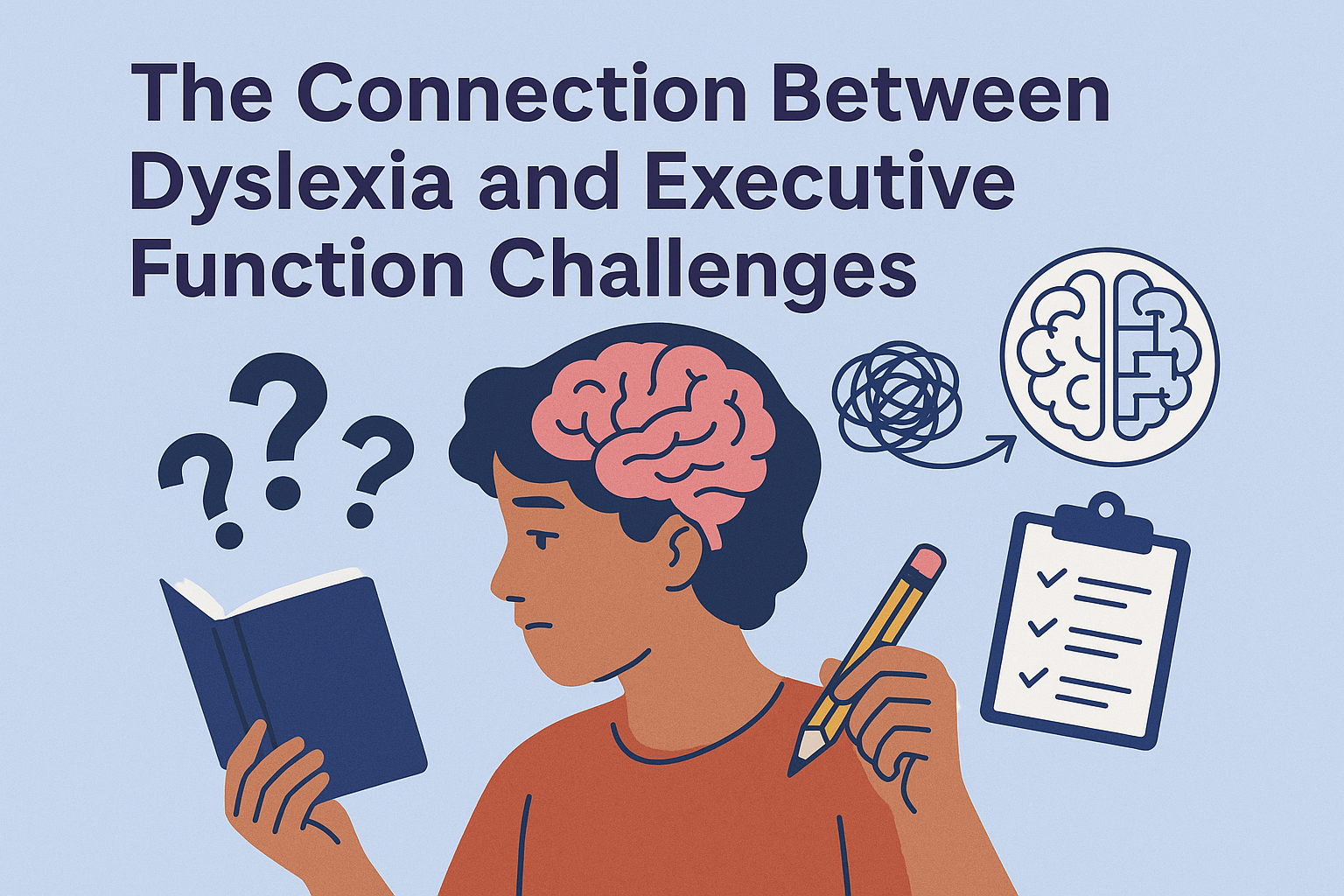
Dyslexia is often perceived solely as a reading disorder, but the reality is much more complex. Recent research highlights a critical link between dyslexia and challenges in executive function, which can impact a child’s academic performance and daily life. Understanding this connection is vital for parents, teachers, and anyone involved in supporting individuals with dyslexia. It opens up new avenues for intervention and support, fostering greater success for those affected.
What Is Dyslexia?
Dyslexia is primarily characterized by difficulty with accurate and/or fluent word recognition and by poor spelling and decoding abilities. According to the International Dyslexia Association, this learning disability stems from a deficit in the phonological component of language, which is crucial for reading. However, dyslexia isn’t just a reading problem; it can impact various cognitive functions and processes.
Individuals with dyslexia often exhibit a range of symptoms that can vary widely. These may include difficulties with phonemic awareness, spelling, and writing. However, as more research unfolds, we’re discovering that dyslexia can also be intertwined with executive function challenges, which are essential for managing everyday tasks and learning effectively.
Understanding Executive Function
Executive function refers to a set of cognitive processes that include working memory, flexible thinking, and self-control. These functions are crucial for organizing thoughts, prioritizing tasks, and regulating emotions. Executive function skills help individuals manage their actions and understand the consequences of their choices.
These skills are vital not just for academic success but also for personal relationships and workplace performance. They allow individuals to plan, focus attention, remember instructions, and juggle multiple tasks successfully. When these skills are compromised, as can be the case for those with dyslexia, the resultant challenges can significantly impede a person’s ability to succeed.
The Interplay Between Dyslexia and Executive Function
Research indicates that many children with dyslexia also experience difficulties in executive functioning. A study published in the journal Learning Disabilities Research & Practice found that children with dyslexia scored lower on measures of executive function compared to their peers without learning disabilities. This overlap suggests that the issues associated with dyslexia extend beyond reading and writing; they encompass broader cognitive challenges.
For instance, a child with dyslexia might struggle not only with reading but also with organizing their schoolwork or following multi-step instructions. This can result from difficulties with working memory, a key component of executive function. If a child cannot hold onto information long enough to act on it, tasks can seem overwhelming.
Identifying Executive Function Challenges in Dyslexic Students
Recognizing the signs of executive function challenges in students with dyslexia is crucial for implementing effective interventions. Some common indicators include: (See: Understanding Dyslexia from NIH.)
- Difficulty starting or completing tasks.
- Challenges in organizing materials or assignments.
- Problems with time management, such as missing deadlines.
- Struggles with self-monitoring, such as not realizing when they’ve made an error.
- Difficulty transitioning between tasks.
Each child is unique, and their challenges may manifest differently. However, understanding these common patterns can empower educators and parents to tailor support strategies that address both dyslexia and executive function needs.
Strategies to Support Dyslexia and Executive Function
When it comes to supporting children with dyslexia and executive function challenges, a multi-faceted approach is often most effective:
1. Structured Education Plans
Implementing an Individualized Education Plan (IEP) or a 504 Plan can provide specific accommodations tailored to the student’s needs. This might include extra time for tests, access to assistive technology, or modified assignments that reduce the cognitive load.
2. Use of Technology
Assistive technology tools can be invaluable. For example, text-to-speech programs can help students access written material, while organizational apps can assist with managing tasks and deadlines. These tools can alleviate some of the burdens associated with executive function challenges.
3. Explicit Instruction in Executive Function Skills
Teaching executive function skills directly can empower children to improve their self-regulation and organizational abilities. Techniques such as modeling how to break a task into manageable parts, using graphic organizers, and encouraging the use of checklists can bolster these essential skills.
4. Environment and Routine
Creating a structured environment at home and school can help children with dyslexia and executive function challenges thrive. Consistent routines and clear expectations can provide the stability needed for children to focus on learning.
5. Collaboration with Professionals
Engaging with educational psychologists or occupational therapists can provide additional insights into specific strategies tailored to individual needs. These professionals can offer assessments that help clarify the executive function challenges specific to each learner.
The Importance of Awareness and Advocacy
Raising awareness about the connection between dyslexia and executive function challenges is critical. Parents, educators, and even the students themselves benefit from understanding how these two areas interact. By advocating for resources and support, families can create a more conducive learning environment. (See: Executive Function and Child Development from CDC.)
Moreover, schools need to be equipped with training and resources to recognize these challenges. Professional development workshops could greatly enhance educators’ awareness and understanding of executive function, resulting in better support for students with dyslexia.
Current Research and Future Directions
Ongoing research continues to shed light on the connection between dyslexia and executive function. Studies are increasingly utilizing neuroimaging techniques to explore brain activity and structure in individuals with dyslexia. This research may unveil how executive functions are influenced at a neurological level and guide the development of targeted interventions.
As we learn more, the hope is to develop comprehensive frameworks that guide educational practices, ensuring that children with dyslexia receive the support they need to flourish academically and socially. This field of study is still evolving, and there’s much more to uncover.
FAQs About Dyslexia and Executive Function
What are some common signs of executive function challenges in children with dyslexia?
Common signs may include difficulties with organization, time management, and focusing on tasks. Children might struggle to keep their materials organized, miss deadlines, or feel overwhelmed by multi-step tasks.
Can executive function challenges impact social interactions?
Yes, difficulties with executive function can affect social skills. For instance, a child may struggle to understand social cues or have trouble regulating their emotions, which can impact their friendships and social interactions.
Are there specific interventions for executive function issues in dyslexia?
Yes, interventions may include using visual schedules, teaching problem-solving strategies, and practicing mindfulness techniques to improve self-regulation. Additionally, direct instruction in executive function skills can be beneficial.
How can parents support their child with dyslexia and executive function challenges at home?
Parents can create a structured home environment with clear routines, use organizational tools like planners or apps, and encourage their child to break tasks into smaller, manageable parts. Open communication about challenges and successes is also key.
Is there a connection between executive function and success in adulthood for individuals with dyslexia?
Yes, executive function skills are crucial for success in many areas of life, including academic performance, career advancement, and personal relationships. Strengthening these skills can help individuals with dyslexia navigate challenges more effectively as they transition into adulthood. There’s a fuller look at Roberts Academy's new support.
Additional Insights into Dyslexia and Executive Function
Understanding the nuances of dyslexia and its relationship with executive function can lead to more effective teaching methods. For instance, consider the role of working memory, which is critical in learning environments. Students with dyslexia may struggle to hold onto information while simultaneously processing new data. This challenge can be compounded by their need to decode written text. Educators can use techniques like chunking information, where lessons are broken into smaller, manageable parts, to help students better retain and process information.
Another aspect worth exploring is the impact of emotional regulation on executive function and dyslexia. Children with dyslexia often experience frustration and anxiety due to their difficulties, which can further exacerbate executive function challenges. Educators and parents can support emotional regulation by creating a safe space for learning, where mistakes are viewed as opportunities for growth rather than failures. Positive reinforcement and encouragement can boost confidence and help reduce anxiety, leading to improved executive function performance.
Statistics and Studies on Dyslexia and Executive Function
Recent studies provide compelling statistics regarding the overlap between dyslexia and executive function difficulties. According to a 2020 study by the National Center for Learning Disabilities, approximately 70% of children with dyslexia also experience challenges with executive function. This statistic underscores the necessity for integrated approaches in educational settings that address both reading difficulties and executive function skills.
Additionally, research indicates that improving executive function can have a direct impact on academic performance. A longitudinal study published in the journal Child Development found that interventions focusing on enhancing executive function skills led to significant improvements in reading comprehension and overall academic achievement in children with learning disabilities, including dyslexia. These findings highlight the importance of addressing executive function in tandem with dyslexia to foster academic success.
Conclusion: The Path Forward
The intersection of dyslexia and executive function challenges presents a nuanced landscape for educators and parents. By understanding this relationship, we can create tailored strategies that not only address reading difficulties but also equip children with the executive functioning skills necessary for their overall success. Through awareness, effective strategies, and continued research, we can foster an environment where children with dyslexia thrive, not just academically but in all areas of life.
“`
Trending Now
Frequently Asked Questions
What is the connection between dyslexia and executive function?
Dyslexia is often viewed as a reading disorder, but it is linked to executive function challenges. These challenges can affect a child's ability to manage tasks, organize thoughts, and regulate emotions, which are crucial for academic performance and daily life.
How does dyslexia impact executive function skills?
Individuals with dyslexia may experience difficulties with executive function skills such as working memory, flexible thinking, and self-control. These impairments can hinder their ability to prioritize tasks, follow instructions, and manage daily activities effectively.
What are the symptoms of dyslexia beyond reading difficulties?
Beyond reading challenges, dyslexia symptoms can include issues with phonemic awareness, spelling, and writing. Individuals may also struggle with organizational skills and task management due to associated executive function difficulties.
Why is understanding the link between dyslexia and executive function important?
Recognizing the connection between dyslexia and executive function is crucial for parents and educators. It enables them to provide targeted interventions and support, helping individuals with dyslexia achieve greater success academically and in everyday life.
What are executive function skills and why are they important?
Executive function skills encompass cognitive processes like working memory, planning, and self-control. These skills are essential for organizing thoughts, focusing attention, and managing multiple tasks, which are vital for academic success and personal relationships.
What’s your take on this? Share your thoughts in the comments below — we read every one.



