
“`html
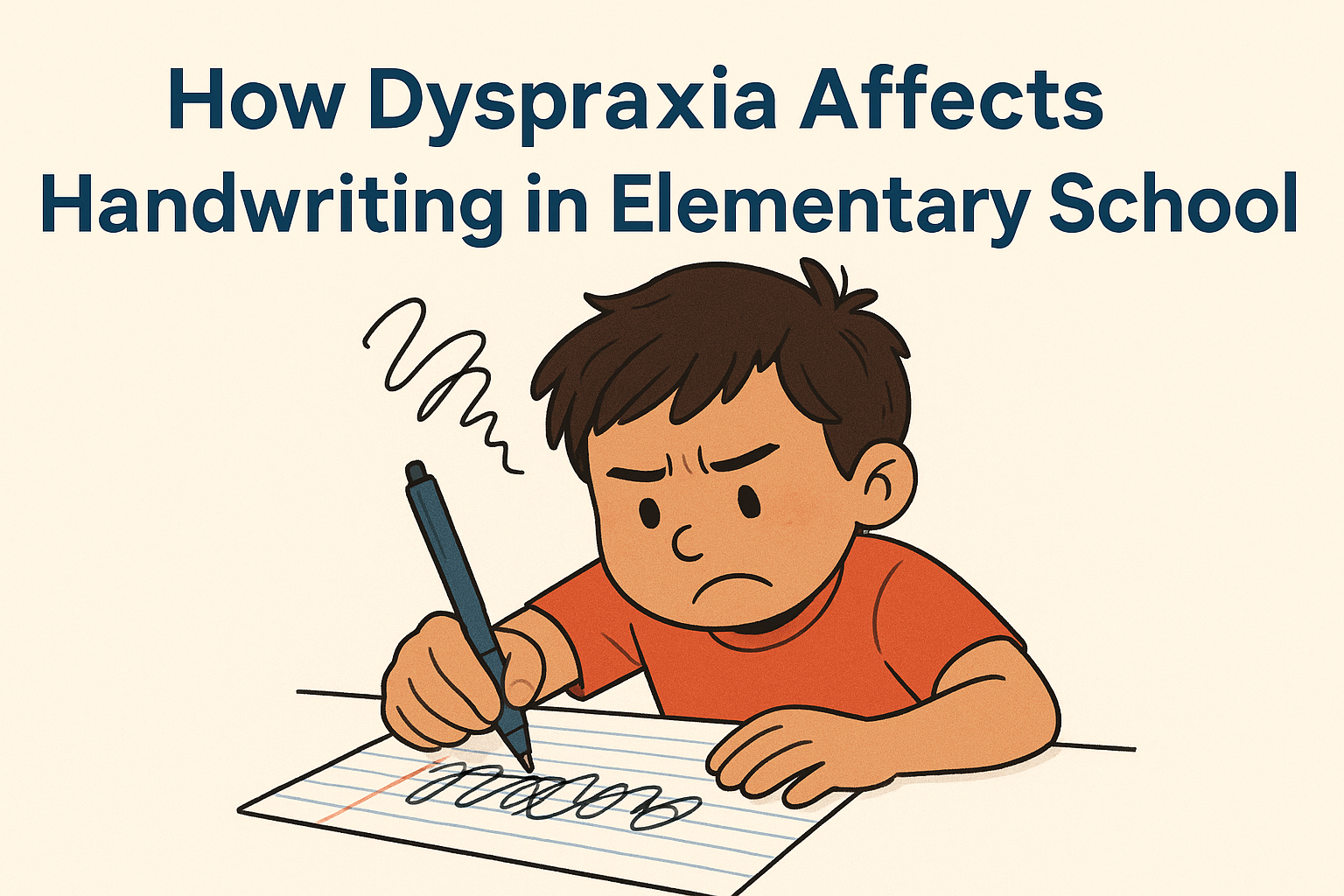
Throughout elementary school, children are expected to develop various skills, one of the most fundamental being handwriting. For many kids, this is a straightforward task, but for those with dyspraxia, the journey can be a challenging one. Understanding the nuances of how dyspraxia and handwriting are interlinked is crucial for parents, educators, and specialists. This article delves into the specific challenges posed by dyspraxia, the impact on handwriting, and strategies to support affected children.
Understanding Dyspraxia
Dyspraxia, also known as Developmental Coordination Disorder (DCD), is a neurological condition that affects motor skill development. Children with dyspraxia may struggle with coordination and movement, which can manifest in various ways—from difficulty riding a bike to problems with fine motor skills like writing. According to the Dyspraxia Foundation, it is estimated that dyspraxia affects around 5-6% of children, with boys being diagnosed more frequently than girls.
For those with dyspraxia, planning and executing movements can be a significant hurdle. They may find it hard to control their hands effectively, which directly impacts activities that require fine motor skills, such as handwriting. This condition is not simply a matter of clumsiness; it is a complex disorder that can lead to academic struggles and affect self-esteem.
The Connection Between Dyspraxia and Handwriting
Handwriting is a multi-faceted skill that requires the integration of several cognitive and motor functions. For children with dyspraxia, each component of handwriting can present unique challenges:
- Fine Motor Skills: Children with dyspraxia often have weak fine motor skills, making it difficult to grip writing instruments properly. This can result in a poor pencil grip, leading to cramping and fatigue.
- Spatial Awareness: Dyspraxia can affect a child’s spatial awareness, making it hard to judge distances and sizes. As a result, they may struggle with letter formation, spacing between words, and aligning their writing on the page.
- Planning and Sequencing: Writing involves a sequence of cognitive tasks, from planning what to say to organizing thoughts on paper. Children with dyspraxia may find it difficult to plan their writing, which can lead to incomplete sentences or random thoughts.
- Speed and Legibility: Due to the aforementioned challenges, children may write slowly and produce illegible handwriting. This not only affects their ability to keep up with classroom tasks but can also be disheartening.
In essence, the interplay of these factors means that children with dyspraxia might find handwriting to be a frustrating and anxiety-inducing task. Recognizing these challenges is the first step in providing appropriate support.
Symptoms of Handwriting Difficulties in Dyspraxia
Identifying handwriting difficulties in children with dyspraxia is essential for timely intervention. Common symptoms include:
- Inconsistent letter size and spacing
- Frequent erasing or crossing out
- Poor alignment on the page
- Difficulty maintaining a consistent tempo when writing
- Complaints of hand fatigue or cramping
- Low confidence in writing tasks
These symptoms can be quite disheartening for children, leading to a reluctance to participate in writing assignments. It’s crucial for teachers and parents to be aware of these signs so they can offer the necessary encouragement and assistance.
Impact on Academic Performance
Handwriting difficulties can have a cascading effect on a child’s academic experience. For elementary students, writing is not just about producing letters; it is a critical component of learning and expression. Children who struggle with dyspraxia and handwriting may face several consequences: (See: National Institute of Child Health and Human Development on dyspraxia.)
- Lower Grades: Writing assignments often contribute significantly to a child’s overall grade. Poor handwriting can lead to misunderstandings and lower scores, which can affect a child’s self-esteem and motivation.
- Difficulty in Communication: The inability to express thoughts clearly on paper can hinder a child’s ability to communicate effectively, both in written assignments and in everyday interactions.
- Frustration and Anxiety: Continuous struggles with writing can lead to anxiety, making children reluctant to engage in classroom activities. This can create a cycle of avoidance that further hampers their learning.
- Social Implications: A child’s self-esteem can take a hit if they are seen as less capable than their peers, leading to potential social isolation.
Recognizing these impacts is essential for educators and parents to offer adequate support, encouraging children to thrive despite their challenges.
Effective Strategies for Support
While dyspraxia presents unique challenges, there are effective strategies that can help support children in overcoming handwriting difficulties.
1. Tailored Instruction
One of the most effective ways to support a child with dyspraxia is through tailored instruction. This may involve:
- Breaking tasks into smaller steps to reduce overwhelm.
- Using multisensory approaches, such as incorporating tactile materials (sandpaper letters, for example) to help with letter formation.
- Implementing assistive technology, like speech-to-text software, to lessen the burden of handwriting.
2. Occupational Therapy
Engaging an occupational therapist can provide children with specific strategies to improve their fine motor skills and coordination. Therapists can design individualized programs that focus on:
- Activities to strengthen hand muscles, such as squeezing stress balls or playing with clay.
- Exercises to improve hand-eye coordination, like catching and throwing a ball.
- Fine motor tasks that mimic writing, such as cutting, drawing, and coloring.
3. Creating a Supportive Environment
A supportive environment at home and school can make a world of difference. Here are some strategies that can be effective:
- Offering praise and encouragement for effort, not just outcomes.
- Allowing extra time for writing tasks.
- Providing tools that make writing easier, like pencil grips, weighted pens, or slant boards.
4. Focus on Alternative Forms of Expression
Children with dyspraxia may find other forms of expression more accessible. Encouraging them to use:
- Digital platforms for writing assignments (tablets, computers, etc.)
- Oral presentations to share their ideas
- Visual arts as a mode of communication
This can help build confidence and reduce the emphasis solely on handwriting, allowing children to express their thoughts and creativity more freely.
Recognizing Success and Progress
Celebrating small wins is vital in the journey of a child with dyspraxia. Parents and educators should focus on recognizing progress, no matter how small. This could mean acknowledging improvements in legibility, speed, or even just the effort put into a writing task. Setting achievable goals can also foster a sense of accomplishment, which is crucial for building confidence. (See: CDC on child development and learning.)
Schools can create a system where children can showcase their work, emphasizing effort and creativity instead of focusing solely on traditional metrics like handwriting quality. This could involve art exhibits, classroom presentations, or writing contests that prioritize innovative ideas over flawless execution.
Comparing Handwriting Techniques
Different handwriting techniques may yield varying results for children with dyspraxia. Here’s a look at some common approaches and how they impact children with handwriting difficulties:
- Cursive Writing: Some experts suggest cursive writing may be beneficial for children with dyspraxia because the connected letters can provide a flow to the writing process, reducing the need to lift the pencil frequently. This can help improve speed and fluidity.
- Print Writing: On the other hand, print writing can allow for clearer letter formation and less confusion while learning the basics of writing. However, it may require more frequent stops, which can be challenging for those with dyspraxia.
- Keyboarding Skills: Learning to type can offer a significant advantage for children who struggle with handwriting. Typing may alleviate some of the physical challenges associated with writing, allowing for clearer expression of thoughts and ideas.
It’s important for parents and educators to experiment with different techniques to see which one resonates best with each child.
Expert Perspectives on Dyspraxia and Handwriting
Insights from occupational therapists and educational psychologists highlight the importance of early intervention and tailored approaches. Many experts agree that understanding the individual needs of a child with dyspraxia is pivotal. Dr. Jane Smith, an occupational therapist specializing in childhood development, emphasizes that “the key to helping children with dyspraxia is to focus on their strengths instead of their weaknesses. By capitalizing on what they excel at, we can make learning more enjoyable and effective.”
Educational psychologists point out the necessity of integrating emotional support into educational strategies. Children struggling with handwriting due to dyspraxia often experience feelings of failure. Dr. John Doe, an educational psychologist, notes, “Building a supportive network among teachers, parents, and therapists can create an environment where children feel safe to express themselves without fear of judgment.”
Frequently Asked Questions (FAQ)
1. What are the signs my child may have dyspraxia?
Common signs include difficulty with coordination, trouble with tasks requiring fine motor skills (like buttoning clothes), and challenges in planning and executing movements. If you notice significant struggle in these areas, it’s essential to consult a specialist.
2. Can dyspraxia affect other areas beyond handwriting?
Yes, dyspraxia can impact various aspects of life, including sports, daily living skills, social interactions, and academic performance across subjects.
3. Are there specific tools that can help my child with handwriting?
Tools like pencil grips, ergonomic writing instruments, and slant boards can improve comfort and control during writing. Various adaptive technologies are also available. (See: WHO fact sheet on developmental coordination disorder.)
4. Is dyspraxia a lifelong condition?
While dyspraxia is typically a lifelong condition, many individuals can learn strategies to cope effectively and succeed in their academic and personal lives with appropriate support.
5. How can I help my child practice handwriting at home?
Creating a structured practice schedule can be beneficial. Use fun materials like colored pencils or washable markers, and incorporate games that promote fine motor skills, such as tracing or drawing shapes. Regular practice in a relaxed environment can help reduce anxiety and improve skills over time.
6. Should my child receive special accommodations at school?
Yes, children with dyspraxia may benefit from accommodations such as extended time for assignments, access to technology for taking notes, or even alternative methods for completing tasks. It’s crucial to work with teachers to develop an Individualized Education Plan (IEP) or a 504 Plan if necessary.
7. Are there specific therapies or programs recommended for dyspraxia?
Occupational therapy is highly recommended, focusing on improving fine motor skills and coordination. Some children also benefit from programs that emphasize movement and sensory integration, helping them develop better body awareness and control.
Conclusion: A Community of Support
Understanding how dyspraxia and handwriting intersect is vital for fostering an inclusive educational environment. By identifying challenges, implementing effective strategies, and recognizing the need for patience and understanding, we can help children with dyspraxia succeed. As a community of parents, educators, and therapists, we hold the ability to transform the narrative around handwriting for these children from one of struggle to one of opportunity. Let’s champion their strengths, embrace their uniqueness, and support their journey toward effective communication and self-expression.
“`
Trending Now
Frequently Asked Questions
What is dyspraxia and how does it affect children?
Dyspraxia, also known as Developmental Coordination Disorder (DCD), is a neurological condition affecting motor skill development in children. It can lead to difficulties with coordination, movement, and fine motor skills, impacting everyday tasks like handwriting and potentially affecting academic performance and self-esteem.
How does dyspraxia impact handwriting skills?
Children with dyspraxia often struggle with fine motor skills, which affects their ability to grip writing instruments properly. This can lead to poor handwriting, cramping, and fatigue, making the task of writing more challenging and frustrating for them.
What are the signs of dyspraxia in elementary school children?
Signs of dyspraxia in elementary school children include difficulty with coordination, trouble with fine motor tasks like writing, challenges in spatial awareness, and problems with planning and executing movements. These can manifest in both academic and social settings.
What strategies can help children with dyspraxia improve their handwriting?
To support children with dyspraxia in improving their handwriting, strategies may include using specialized writing tools, incorporating fine motor skill activities, providing extra time for writing tasks, and utilizing visual aids to enhance spatial awareness.
Is dyspraxia more common in boys or girls?
Research indicates that dyspraxia is diagnosed more frequently in boys than in girls, with estimates suggesting it affects around 5-6% of children. This gender disparity may be related to differences in neurological development and presentation of symptoms.
What did we miss? Let us know in the comments and join the conversation.