
“`html
When it comes to nurturing the abilities of students with dyspraxia, fine motor skills activities are essential. These exercises not only help improve coordination and dexterity but also boost self-confidence in tackling daily tasks. If you’re an educator or a parent looking for effective ways to support children with dyspraxia, this comprehensive guide will explore various engaging activities that can make a significant difference.
Understanding Dyspraxia and Its Impact on Fine Motor Skills
Dyspraxia, also known as Developmental Coordination Disorder (DCD), is a neurological condition that affects motor skill development. Children with dyspraxia often struggle with planning and executing movements, making everyday tasks like writing, buttoning clothes, or even playing sports challenging. The overall prevalence of dyspraxia in children is estimated to be around 5-6%. However, the symptoms and severity can vary widely, affecting each child differently.
Fine motor skills are crucial as they involve smaller muscle groups responsible for tasks like grasping, manipulating objects, and hand-eye coordination. For students with dyspraxia, these skills can lag behind their peers, leading to frustration and lower self-esteem. However, targeted fine motor skills dyspraxia activities can provide the necessary support for improvement.
Essential Benefits of Fine Motor Skills Activities
Engaging in fine motor skills activities offers numerous benefits for students with dyspraxia. Here are some of the key advantages:
- Improved Coordination: Regular practice can enhance hand-eye coordination, making it easier for children to perform tasks that require precision.
- Increased Independence: Mastering fine motor skills enables children to complete daily tasks on their own, fostering autonomy.
- Boosted Confidence: Successfully completing activities builds self-esteem, encouraging children to tackle more complex challenges.
- Social Interaction: Many activities can be done in groups, promoting teamwork and communication among peers.
- Enhanced Academic Performance: Improved fine motor skills can lead to better writing and drawing abilities, impacting overall school performance positively.
Creative Fine Motor Skills Dyspraxia Activities
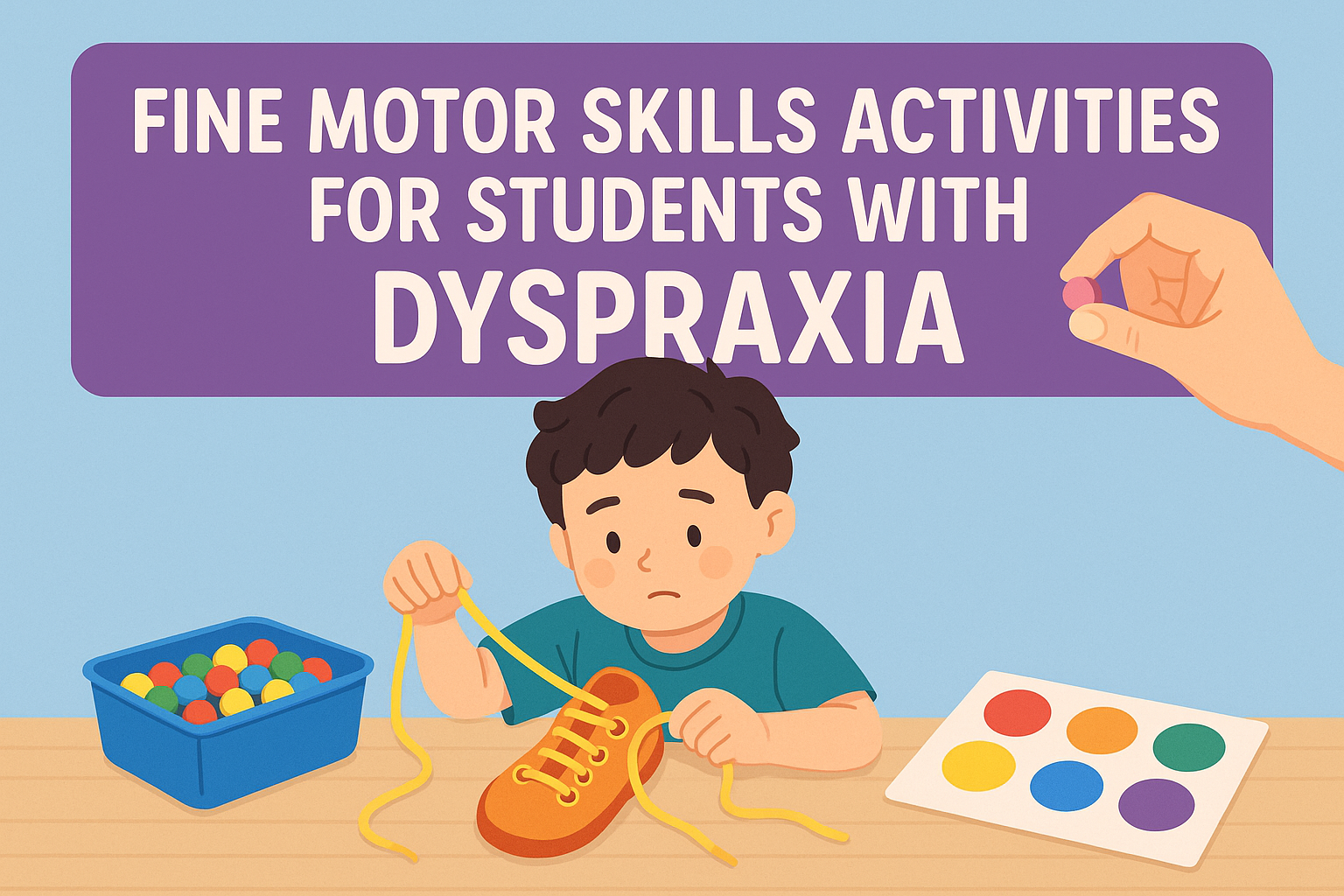
Here are some engaging activities designed to help students with dyspraxia enhance their fine motor skills:
1. Play Dough Creations
Using play dough is a fantastic way to strengthen hand muscles and improve dexterity. Students can roll, pinch, flatten, and mold the dough into different shapes. Set challenges such as creating specific objects or animals, which can enhance imaginative play and creativity.
2. Beading Projects
Stringing beads on a thread or wire can significantly improve hand-eye coordination. You can create colorful necklaces or bracelets, which not only serve as a fine motor skills activity but also allow for personalization and creativity. Start with larger beads for beginners and gradually move to smaller ones as their skills improve. (See: Child Development by WHO.)
3. Scissors Skills
Cutting paper with scissors is an excellent way to practice fine motor skills. Begin with simple lines and shapes, progressing to more complex patterns. To make it fun, incorporate cutting activities into art projects, where students can create collages or scrapbook pages.
4. Painting and Drawing
Encouraging students to engage in painting and drawing can improve grip strength and wrist mobility. Use different tools such as brushes, sponges, or even fingers to create art. Activities like coloring within lines or tracing shapes can also be beneficial.
5. Puzzles and Building Blocks
Working on puzzles requires precise movements and problem-solving skills, making them ideal for enhancing fine motor skills. Choose puzzles with varying difficulty levels based on the child’s ability. Additionally, building blocks allow children to experiment with balance and structure while improving grip and hand strength.
6. Gardening Activities
Gardening offers a fantastic opportunity for fine motor skill development through planting, digging, and watering. Tasks like planting seeds or transferring soil can be not only therapeutic but also educational, teaching children about nature and responsibility.
Incorporating Technology into Fine Motor Skills Development
With the rise of technology, there are numerous applications and tools designed specifically for children with dyspraxia. These digital resources can complement traditional activities:
- Interactive Apps: Numerous apps offer games and exercises targeting fine motor skills. Programs that focus on tracing, tapping, or dragging can be engaging and beneficial.
- Tablet Drawing: Using a tablet and stylus for drawing can enhance fine motor skills while offering a modern twist to art activities. The digital platform often provides instant feedback, keeping students motivated.
- Online Tutorials: YouTube and similar platforms host countless tutorials for various crafts and activities, helping children learn through visual examples.
Creating a Supportive Learning Environment
For students with dyspraxia, the right environment can make all the difference. Here’s how to foster a supportive atmosphere:
- Adaptive Tools: Incorporate tools like pencil grips, adaptive scissors, or stability balls to help with posture and grip while working on fine motor tasks.
- Visual Aids: Use charts, step-by-step guides, and color-coded systems to help children understand the tasks better.
- Positive Reinforcement: Celebrate small achievements to motivate students and build their confidence. Acknowledging progress, no matter how minor, encourages continued effort.
Collaborating with Parents and Caregivers
Collaboration between educators and families plays a critical role in supporting students with dyspraxia. Here are ways to strengthen this partnership:
- Regular Communication: Keep parents updated on their child’s progress and provide them with strategies to reinforce fine motor skills at home.
- Workshops and Training: Organize workshops for parents to learn effective fine motor skills dyspraxia activities that can be practiced at home.
- Resource Sharing: Share books, articles, and online resources that can guide families in supporting their child’s development.
Evaluating Progress and Adjusting Activities
Finally, it’s crucial to evaluate the progress of students regularly. Here’s how to effectively track and adjust activities: (See: Facts about Dyspraxia from CDC.)
- Set Goals: Establish specific, measurable goals for each child based on their individual needs and abilities. For example, a goal could be to string ten beads independently.
- Regular Assessments: Conduct periodic assessments to determine if the child is meeting their goals and if any adjustments are needed in the activities.
- Feedback Mechanism: Encourage students to provide feedback on activities, helping you identify what works best for them and what they enjoy.
Real-Life Examples of Success
Seeing the impact of fine motor skills activities in real-life scenarios can be incredibly motivating for educators and parents alike. For instance, a study conducted by the University of Manchester found that children with dyspraxia who participated in structured fine motor skills activities showed a marked improvement in their classroom performance and social interactions within just three months. Another example involves a group of students who participated in a beading project over several weeks. Their teacher reported that not only did their dexterity improve, but they began to take pride in their creations and even started to share their work with classmates, fostering a sense of community.
Statistics on Dyspraxia and Fine Motor Skills Development
Understanding the broader context of dyspraxia can highlight the importance of fine motor skills activities. Research indicates that children with dyspraxia are five times more likely to struggle with fine motor tasks compared to their peers. An estimated 80% of children with dyspraxia also experience difficulties with handwriting, which can affect their overall academic performance. These statistics underscore the critical need for targeted interventions, making fine motor skills dyspraxia activities not just beneficial, but necessary for many children.
Frequently Asked Questions (FAQ)
What age should children start fine motor skills activities?
Fine motor skills activities can be beneficial for children as young as two years old. Tailoring the complexity of activities to match the child’s developmental stage is important, as younger children will require simpler tasks.
How often should fine motor skills activities be practiced?
Consistency is key! It’s recommended to incorporate fine motor activities into daily routines, even if just for short periods. Aim for at least 10-15 minutes a day to see gradual improvements.
Are there specific tools that can help with fine motor skills development?
Yes! Some effective tools include specialized scissors, easy-to-hold writing instruments, and textured toys. These tools can make practicing fine motor skills easier and more enjoyable for children with dyspraxia.
Can fine motor skills activities also support children without dyspraxia?
Absolutely! While these activities are tailored for children with dyspraxia, they can benefit all children by enhancing their coordination, concentration, and creativity. (See: Understanding Developmental Coordination Disorder.)
What are some inexpensive fine motor skills activities that can be done at home?
Some cost-effective activities include playing with rice or pasta (pouring and sorting), using old magazines for cutting and collage-making, or even simple card games that require shuffling and dealing cards.
How can I make fine motor skills activities more engaging for my child?
Incorporate themes or stories into activities to make them more relatable and exciting. For example, if a child loves dinosaurs, use dinosaur-shaped cookie cutters with play dough, or create a dinosaur-themed beading project. This personal touch can significantly increase their interest and willingness to participate.
Are there community resources available for children with dyspraxia?
Many communities offer programs specifically designed for children with developmental coordination disorders. Look for local occupational therapy clinics, special needs organizations, or community centers that host workshops or activities aimed at improving fine motor skills.
What should I do if I notice my child is struggling significantly with fine motor skills?
If you observe substantial difficulties, it might be beneficial to consult with a pediatrician or an occupational therapist. They can provide professional assessments and tailored interventions to support your child’s unique needs.
As we’ve explored, engaging in fine motor skills dyspraxia activities not only aids in the development of essential skills but also fosters a sense of achievement and independence among students with dyspraxia. By employing a variety of techniques and maintaining a supportive environment, educators and parents can significantly enhance the lives of these children, paving the way for greater success in their everyday activities.
“`
Trending Now
- IEP Accommodations for Students with Dyslexia and Reading Challenges
- our breakdown of transitioning from iep to 504 plan in high school: what to know
- How IEPs Support English Language Learners with Disabilities
- this guide on iep goals for improving executive function skills
- Understanding Your Child’s IEP: A Parent’s Guide for Elementary School
Frequently Asked Questions
What are fine motor skills activities for dyspraxia?
Fine motor skills activities for dyspraxia include exercises that enhance coordination and dexterity, such as threading beads, using playdough, or drawing. These activities focus on developing the smaller muscle groups involved in tasks like writing, buttoning clothes, and manipulating objects, helping children improve their motor skills.
How can fine motor skills help children with dyspraxia?
Fine motor skills are essential for children with dyspraxia as they enable better coordination and independence in daily tasks. Improving these skills can lead to increased self-confidence and reduced frustration, allowing children to perform activities like writing and buttoning clothes more effectively.
What benefits do fine motor skills activities provide?
Fine motor skills activities offer several benefits, including improved coordination, increased independence, boosted confidence, and enhanced social interaction. These advantages help children with dyspraxia tackle everyday tasks more effectively and promote a sense of accomplishment.
What is dyspraxia and how does it affect children?
Dyspraxia, or Developmental Coordination Disorder (DCD), is a neurological condition that affects motor skill development in children. It can lead to difficulties in planning and executing movements, making everyday activities like writing or playing sports challenging and potentially impacting self-esteem.
How can parents support children with dyspraxia?
Parents can support children with dyspraxia by engaging them in fine motor skills activities that are both fun and effective. Providing a variety of exercises, encouraging practice, and celebrating successes can help improve their coordination and build confidence in their abilities.
What did we miss? Let us know in the comments and join the conversation.