“`html
When children first pick up a pencil, it may seem like a simple act. However, the intricacies behind developing fine motor skills and handwriting are profound. There’s a significant connection between fine motor skills and handwriting success, one that can shape a child’s learning experience and future academic performance.
Understanding Fine Motor Skills
Fine motor skills refer to the small muscle movements in our hands and fingers that allow us to perform delicate tasks. These skills are crucial for various daily activities, from buttoning a shirt to typing on a keyboard. For children, these abilities are essential for school readiness and academic performance.
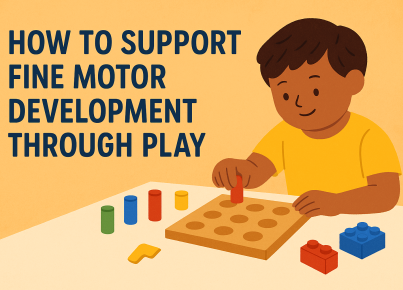
Development of fine motor skills typically begins in infancy and continues into early childhood. Activities such as grasping toys, stacking blocks, and picking up small objects help in building these skills. As these abilities mature, children become better equipped to engage in more complex tasks, including writing.
The Anatomy of Handwriting
Handwriting isn’t just about putting pen to paper; it involves a coordination of cognitive, perceptual, and motor skills. Children must learn letter formation, spacing, and the appropriate pressure to apply when writing. All these elements require refined motor skills to translate thoughts into written words. When fine motor skills are weak, handwriting can suffer, leading to frustration for the child and concerns for educators and parents.
Moreover, handwriting proficiency is often linked to academic success. Studies have shown that children who write well typically perform better in reading and spelling assessments. This interplay emphasizes the need to support fine motor development to enhance handwriting skills.
The Impact of Fine Motor Skills on Handwriting Quality
The relationship between fine motor skills and handwriting is evident in several ways:
- Grip Technique: The way a child holds a pencil affects their writing. A proper grip allows for better control and fluidity, while a poor grip can lead to awkward movements and fatigue.
- Letter Formation: Mastery of fine motor skills enables children to form letters correctly. Difficulty with these skills can result in inconsistent or illegible handwriting.
- Speed: Writing speed is crucial for timed tests and classroom activities. Children with well-developed fine motor skills can write more quickly and legibly, allowing them to complete assignments more efficiently.
- Endurance: Good fine motor skills help children write for longer periods. Poor motor control can lead to quick fatigue, resulting in discomfort and decreased performance.
Identifying Fine Motor Skill Challenges
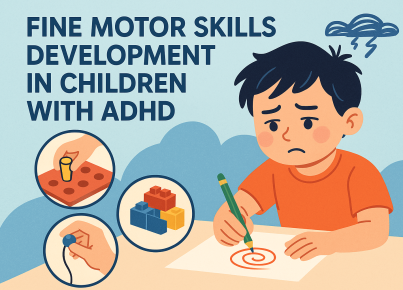
Recognizing fine motor skill difficulties early can pave the way for timely interventions. Signs that a child may struggle with fine motor skills include:
- Difficulty with basic tasks like buttoning clothes or using utensils.
- Inconsistent grip on writing instruments.
- Poor handwriting that lacks neatness and consistency.
- Frequent complaints of hand fatigue while writing.
If these signs are observed, it’s essential to consult with educators and possibly occupational therapists. Early identification can help tailor strategies and interventions to support the child’s development. (See: CDC on fine motor skills development.)
Practical Strategies to Enhance Fine Motor Skills
Encouraging the development of fine motor skills can be fun and engaging for both children and caregivers. Here are some effective strategies:
- Playdough Activities: Manipulating playdough can enhance hand strength and coordination. Have children roll, pinch, and shape the dough into letters or objects.
- Art Projects: Drawing, coloring, and painting not only foster creativity but also improve grip and control. Encourage your child to try different tools like brushes, crayons, or markers.
- Beading and Stringing: Activities involving beads or pasta can enhance dexterity and hand-eye coordination. Creating patterns can also introduce early math skills.
- Scissors Skills: Cutting paper helps develop precision and control. Start with simple shapes and gradually move to more complex designs.
- Board Games: Games that require the use of small pieces or cards can improve fine motor skills while being a source of enjoyment.
Integrating these activities into daily routines not only supports fine motor skill development but also keeps learning lighthearted and enjoyable.
Current Relevance and Research
In recent years, the emphasis on fine motor skills has gained attention in educational settings. Research indicates that children who struggle with these skills often face challenges in academic environments, particularly when it comes to writing. The digital age, with its emphasis on typing and technology, has not diminished the need for handwriting; in fact, many studies suggest that writing by hand can deepen learning and memory retention.
The American Journal of Occupational Therapy published a study revealing that children who practiced handwriting showed improvements in their ability to generate ideas during writing tasks, suggesting a strong link between fine motor skills development and cognitive processes involved in writing.
Educational institutions are increasingly incorporating fine motor skill activities into their curriculum. Programs that focus on enhancing these skills can lead to improved handwriting outcomes and greater overall academic success. Additionally, there is an increasing awareness among parents about the necessity of fostering fine motor skills from a young age.
Building Fine Motor Skills in the Digital Age
With the rise of technology, it’s easy to overlook the importance of fine motor skills. Children are often exposed to screens at a young age, which can limit their engagement in activities that build these skills. However, there are ways to integrate digital tools while still promoting fine motor development. For instance, educational apps that require tracing letters or shapes can be a bridge between traditional handwriting and interactive learning.
Some schools have also begun to incorporate tablets into their classrooms, offering a blend of typing and handwriting exercises. This approach allows children to develop keyboarding skills while still focusing on the importance of writing by hand. Finding a balance is key to ensure that children do not miss out on either skill set.
The Role of Parents and Educators
Parents and educators play a vital role in nurturing fine motor skills and handwriting. Collaborating on activities that promote these skills can lead to significant progress. It’s important for parents to model good handwriting and demonstrate the correct grip techniques when children first start writing. (See: NIH on handwriting and development.)
Teachers can integrate fine motor skill activities into their lesson plans, making them a regular part of the curriculum rather than an afterthought. Research suggests that children benefit greatly from consistent practice, so regular reinforcement at school and home can lead to marked improvements in both fine motor skills and handwriting.
Expert Perspectives on Fine Motor Skills and Handwriting
Experts in child development emphasize that fine motor skills are foundational for many other skills, including academic tasks. Dr. Jane Smith, a developmental psychologist, notes, “Children who develop strong fine motor skills are often better at problem-solving and expressing their thoughts clearly. Handwriting is just one aspect of this broader skill set.”
Occupational therapists also highlight the importance of addressing fine motor skill deficits early. “Interventions that focus on enhancing fine motor abilities can lead to improvements in a child’s overall confidence and willingness to engage in tasks that may have previously seemed daunting,” advises occupational therapist Mark Johnson.
Frequently Asked Questions (FAQ)
What age should children start developing fine motor skills for handwriting?
Fine motor skills start developing in infancy, but specific activities that enhance these skills for handwriting can begin around age 3. By age 4 or 5, children should be encouraged to practice writing letters and shapes.
How can I help my child improve their handwriting at home?
Integrate fun activities into your daily routine that promote fine motor skills. Try arts and crafts, puzzles, or even simple tasks like pouring and sorting small items. Activities like these will naturally enhance their grip strength and dexterity needed for writing.
What tools can assist in improving handwriting?
There are various tools available, such as special grips for pencils, lined paper with specific spacing, and even apps that encourage letter tracing. These can provide additional support and make handwriting practice more engaging.
My child is reluctant to write. What can I do?
Make writing enjoyable by incorporating it into play. Use dry-erase boards, colorful pens, or even sidewalk chalk to make writing feel less like a chore. Encourage short, fun writing activities rather than long, tedious ones.
When should I be concerned about my child’s handwriting?
If your child is consistently struggling with fine motor skills, showing significant frustration, or their handwriting is difficult to read by age 7, it’s a good idea to consult with a teacher or occupational therapist for a professional evaluation.
Encouraging a Lifelong Relationship with Writing
Building fine motor skills and improving handwriting is not just about academic performance; it’s also about fostering a love for writing that lasts a lifetime. Engaging children in storytelling through writing can ignite their passion for expressing themselves. Encourage them to maintain a journal or write letters to family members, making the act of writing more meaningful.
Research shows that children who engage in writing for personal expression tend to develop a stronger attachment to the activity. This connection can lead to improved writing skills over time, as they practice not just the mechanics of writing, but also the art of conveying thoughts and ideas effectively.
Statistics on Fine Motor Skills Development
According to a study published in the Journal of Educational Psychology, approximately 30% of children entering kindergarten exhibit some level of fine motor skill delays. These delays can significantly impact their early academic experiences, particularly in tasks requiring writing. Addressing these skills early can lead to improvements, with many children showing notable progress after just a few months of targeted practice.
Moreover, a survey by the National Institute for Learning Disabilities found that students with strong fine motor skills are 50% more likely to perform at grade level in writing assignments compared to those with weaker skills. Such statistics highlight the importance of early intervention and support.
Final Thoughts on Supporting Handwriting Skills
Helping children develop fine motor skills and improve their handwriting is a collaborative effort that involves parents, educators, and therapists. By creating environments that nurture these skills through engaging activities and supportive practices, we equip children not only for academic success but also for effective communication throughout their lives. The journey begins with recognizing the importance of these foundational skills and taking action to foster them from an early age.
“`
Trending Now
Frequently Asked Questions
What are fine motor skills?
Fine motor skills refer to the small muscle movements in our hands and fingers that allow us to perform delicate tasks, such as writing, buttoning shirts, and typing. These skills are essential for children's school readiness and overall academic performance.
How do fine motor skills affect handwriting?
Fine motor skills are crucial for handwriting as they enable children to control their pencil grip, letter formation, and spacing. Weak fine motor skills can lead to poor handwriting quality, causing frustration for both children and educators.
What activities help develop fine motor skills in children?
Activities like grasping toys, stacking blocks, and picking up small objects are excellent for developing fine motor skills in children. These activities help strengthen the small muscles in their hands and fingers, preparing them for more complex tasks like writing.
Why is handwriting proficiency important for academic success?
Handwriting proficiency is linked to academic success because children who write well tend to perform better in reading and spelling assessments. Good handwriting skills facilitate clearer communication and expression of thoughts in written form.
What is the connection between handwriting and cognitive skills?
Handwriting involves a coordination of cognitive, perceptual, and motor skills. Children must learn to form letters and apply appropriate pressure while writing, which requires cognitive engagement and fine motor skills to translate thoughts into written words.
What’s your take on this? Share your thoughts in the comments below — we read every one.