
“`html
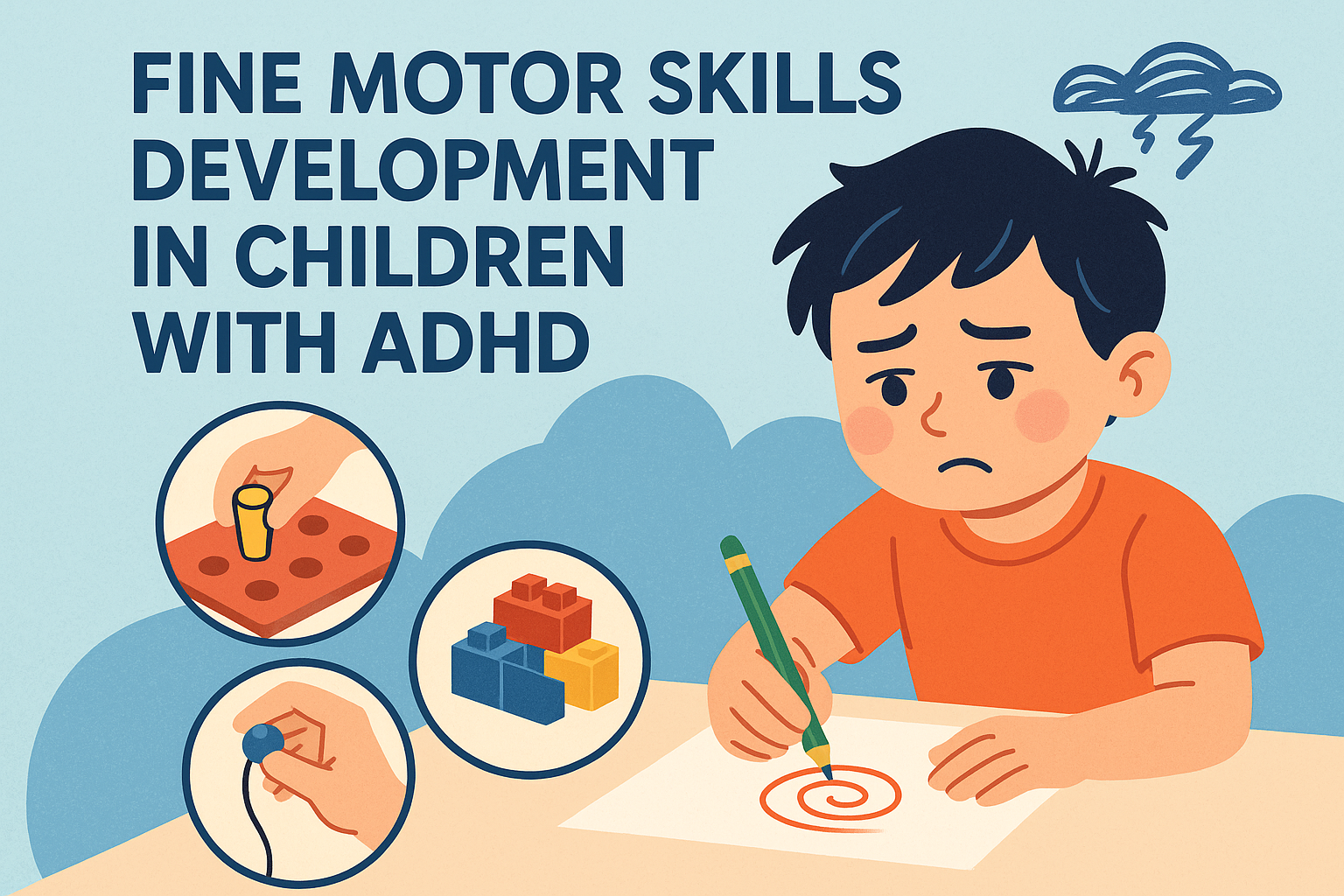
Understanding how fine motor skills impact children with ADHD is crucial for parents, educators, and therapists. The development of fine motor skills ADHD children often face can be a complex journey, marked by unique challenges and triumphs. In this article, we’ll explore the intricacies of fine motor skills in children diagnosed with ADHD, their significance, the difficulties these children encounter, and effective strategies to foster skill development.
What Are Fine Motor Skills?
Fine motor skills involve the coordination of small muscles in the hands and fingers. These skills are essential for tasks such as writing, buttoning shirts, using scissors, and tying shoelaces. Fine motor skills require precision and control, which can be particularly challenging for children with ADHD.
Children typically develop fine motor skills gradually, starting from infancy and continuing into early childhood. Skills such as grasping a toy, drawing shapes, and manipulating small objects evolve as children gain experience and dexterity. However, for ADHD children, this development may not follow the average trajectory. Understanding this difference can help caregivers address specific needs effectively.
ADHD and Its Impact on Fine Motor Skills
Attention Deficit Hyperactivity Disorder (ADHD) is characterized by symptoms of inattention, hyperactivity, and impulsivity. While these traits are well-documented, their effect on fine motor skills is less frequently discussed. Research indicates that children with ADHD often struggle with tasks requiring fine motor precision. Studies have shown that these children may have delayed fine motor skill development compared to their peers, impacting their ability to perform everyday tasks.
For instance, a study published in the journal Developmental Medicine & Child Neurology found that children with ADHD exhibited significantly poorer performance on fine motor tasks compared to those without the diagnosis. This discrepancy can contribute to difficulties in academic settings, where writing and other fine motor tasks are essential for success.
Why Fine Motor Skills Matter for ADHD Children
The development of fine motor skills is not merely about completing tasks; it plays a vital role in overall childhood development. Fine motor skills are linked to cognitive and social-emotional development. When children can effectively use their hands to manipulate objects, they gain confidence in their abilities, promoting a sense of independence.
Moreover, fine motor skills are critical for academic success. Many classroom activities require the ability to write, draw, and handle various school supplies. For ADHD children, difficulties in these areas can lead to frustration, decreased self-esteem, and even behavioral issues. By focusing on fine motor skill development, caregivers and educators can help these children thrive in both social and academic environments.
Common Challenges Faced by ADHD Children
Children with ADHD may experience a range of challenges when developing fine motor skills. These include:
- Impaired Coordination: Many ADHD children struggle with hand-eye coordination, making tasks like writing or coloring particularly challenging.
- Difficulty with Focus: Sustaining concentration on fine motor tasks can be hard, causing children to rush through activities or abandon them altogether.
- Impulsivity: Impulsive behaviors may lead to careless mistakes, further hindering skill development.
- Frustration: Repeated failures can lead to increased frustration, which may result in avoidance of fine motor activities altogether.
Identifying these challenges is the first step toward implementing effective interventions that can support the growth of fine motor skills in ADHD children. (See: CDC guidelines on ADHD.)
Strategies to Support Fine Motor Skills Development
Fostering fine motor skills in children with ADHD requires a multifaceted approach. Here are some effective strategies that can help:
1. Create a Structured Environment
Establishing a predictable routine can provide children with a sense of stability. Create a dedicated space for fine motor activities that is free from distractions. This helps children focus better on the tasks at hand.
2. Use Engaging Tools and Materials
Utilizing engaging and age-appropriate tools can make fine motor practice more enjoyable. For example, consider using:
- Playdough or modeling clay to promote hand strength.
- Scissors with unique shapes or designs to make cutting more fun.
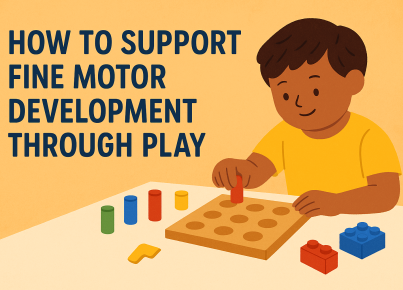
- Puzzle pieces or building blocks that require manipulation to enhance dexterity.
3. Incorporate Fine Motor Activities into Daily Routines
Integrating fine motor tasks into everyday activities can help reinforce skills. Encourage children to help with cooking (measuring ingredients, stirring), gardening (planting seeds, pulling weeds), or even household chores (folding laundry, sorting items). These activities not only build fine motor skills but also enhance their sense of responsibility and competence.
4. Gradual Skill Building
Start with simple tasks and gradually increase their complexity. This approach allows children to experience success without becoming overwhelmed. For instance, begin with coloring and then progress to tracing shapes, followed by free drawing.
5. Offer Positive Reinforcement
Celebrate successes, no matter how small. Positive reinforcement can motivate children and encourage them to persist with challenging tasks. Praise their efforts and highlight improvements to boost their self-esteem.
6. Collaborate with Professionals
Involving occupational therapists can provide specialized support for fine motor skills development. These professionals can tailor activities to meet each child’s individual needs, focusing on specific challenges they may face. They often use therapeutic techniques that blend play with skill-building, making the process enjoyable.
Current Research Trends and Future Directions
Research into fine motor skills and ADHD has gained traction in recent years, revealing more about the underlying mechanisms at play. One area of focus is the neurological aspects of fine motor control in children with ADHD. Studies illustrate that brain differences can contribute to the challenges these children face. Understanding these neurobiological factors can lead to better interventions tailored to individual needs.
Moreover, the integration of technology in skill development is becoming increasingly popular. Apps and interactive games designed to improve fine motor skills can provide children with engaging ways to practice. For instance, programs that require users to perform precise finger movements can offer valuable practice while capturing their interest.
As we learn more about the specific needs and strengths of ADHD children, we can design interventions that are more effective and supportive. The future seems promising, with a greater understanding of how best to assist these children in overcoming their challenges.
Empowering Children with ADHD: The Role of Parents and Educators
Parents and educators play a vital role in the development of fine motor skills in children with ADHD. Their involvement can make a significant difference in how children perceive their abilities and approach challenges. Building a supportive network that includes family members, teachers, and specialists can lead to better outcomes for these children. (See: NIH on ADHD diagnosis and symptoms.)
Open communication is key. Parents should feel empowered to discuss their child’s unique needs with educators, allowing for collaboration on strategies that work best. By sharing observations and insights, parents can help educators tailor their approaches to support fine motor skill development effectively. For instance, if a child struggles with a particular writing task in school, a parent might suggest techniques that have shown to be successful at home.
Creating a positive feedback loop between home and school can also enhance motivation. When children see consistent support from both environments, they feel more secure and capable of tackling fine motor tasks. This unified approach can help foster resilience in overcoming challenges.
Real-Life Examples of Success
Hearing about success stories can be incredibly motivating for parents and teachers alike. For example, consider the case of a young boy named Max. Max struggled with fine motor skills, especially with writing in school. His teachers noticed that while he had great ideas, he often became frustrated when it came to putting them on paper.
After implementing several strategies discussed above, such as using adaptive writing tools and incorporating fine motor activities into his daily routine, Max’s confidence began to grow. His teachers collaborated with his parents to provide consistent reinforcement, and they celebrated every small victory. Eventually, Max not only improved his writing but also gained a newfound love for drawing, allowing him to express his creativity in ways he hadn’t before.
Many parents report similar experiences where a structured approach, combined with encouragement and proper tools, led their children to excel in areas they once found daunting. These stories highlight the importance of perseverance and adaptation.
FAQs About Fine Motor Skills in ADHD Children
1. What can I do at home to help my child develop fine motor skills?
Engage in activities like arts and crafts, cooking, or playing with building blocks. Simple tasks such as threading beads or playing with clay can make fine motor skill development fun and effective.
2. How can I tell if my child is struggling with fine motor skills?
Signs may include difficulty with tasks like holding a pencil correctly, trouble cutting with scissors, or a lack of interest in activities that require hand-eye coordination. If you notice these behaviors, consider consulting a pediatrician or occupational therapist.
3. Are there specific tools that can help with fine motor skills for ADHD children?
Yes! Tools such as special grips for pencils, adaptive scissors, and engaging fidget toys can help improve dexterity and make fine motor practice more enjoyable.
4. Does physical activity impact fine motor skill development?
Absolutely! Activities that promote overall motor skills, such as swimming, dancing, or playing sports, can enhance hand-eye coordination and strength, indirectly benefiting fine motor skills.
5. Can fine motor skills improve with age?
Yes, many children develop their fine motor skills as they age and gain more practice. However, targeted interventions can help accelerate this development, especially for children with ADHD.
6. What are some examples of fine motor activities for home practice?
Consider engaging in activities such as coloring, cutting paper into shapes, building with LEGO, or even playing card games that require shuffling. These activities are not just fun; they also provide essential practice for hand-eye coordination and dexterity.
7. How can sensory activities help with fine motor skills?
Sensory activities, like playing with textured materials (e.g., rice, sand, or water beads), can enhance a child’s tactile awareness, which is crucial for fine motor development. These activities help children learn how to manipulate objects more effectively and can make the experience more engaging for those with ADHD.
8. Are there support groups for parents of children with ADHD?
Yes! Many organizations offer support groups and resources for parents of children with ADHD. These platforms provide a space for sharing experiences, accessing valuable information, and connecting with others facing similar challenges.
Conclusion: Empowering Children with ADHD
The journey of developing fine motor skills ADHD children face can be both challenging and rewarding. With a structured approach, engaging activities, and the support of caregivers and professionals, these children can enhance their fine motor skills significantly. It’s essential to remain patient and understanding, as every child develops at their own pace.
Ultimately, fostering fine motor skills not only facilitates academic success but also helps build confidence and independence in children with ADHD. By equipping them with the necessary tools and strategies, we empower them to navigate their world with greater ease and assurance.
“`
Trending Now
Frequently Asked Questions
What are fine motor skills and why are they important for children with ADHD?
Fine motor skills involve the coordination of small muscles in the hands and fingers, essential for tasks like writing and buttoning shirts. For children with ADHD, developing these skills can be particularly challenging, impacting their ability to perform everyday tasks effectively.
How does ADHD affect fine motor skills in children?
Children with ADHD often experience delays in fine motor skill development due to their symptoms of inattention and impulsivity. Research shows they may struggle with tasks requiring precision, leading to poorer performance compared to their peers without ADHD.
What challenges do children with ADHD face in developing fine motor skills?
Children with ADHD may face unique challenges in fine motor skill development, including difficulties with focus, coordination, and control. These challenges can hinder their ability to engage in activities that require dexterity, such as writing or using scissors.
What strategies can help improve fine motor skills in children with ADHD?
Effective strategies to foster fine motor skills in children with ADHD include engaging them in fun, hands-on activities such as arts and crafts, using adaptive tools, and breaking tasks into smaller, manageable steps to enhance their focus and confidence.
At what age do children typically develop fine motor skills?
Fine motor skills develop gradually, starting from infancy and continuing into early childhood. Children begin with basic skills like grasping toys and progress to more complex tasks like drawing shapes and manipulating small objects as they gain experience.
Have you experienced this yourself? We’d love to hear your story in the comments.