
“`html
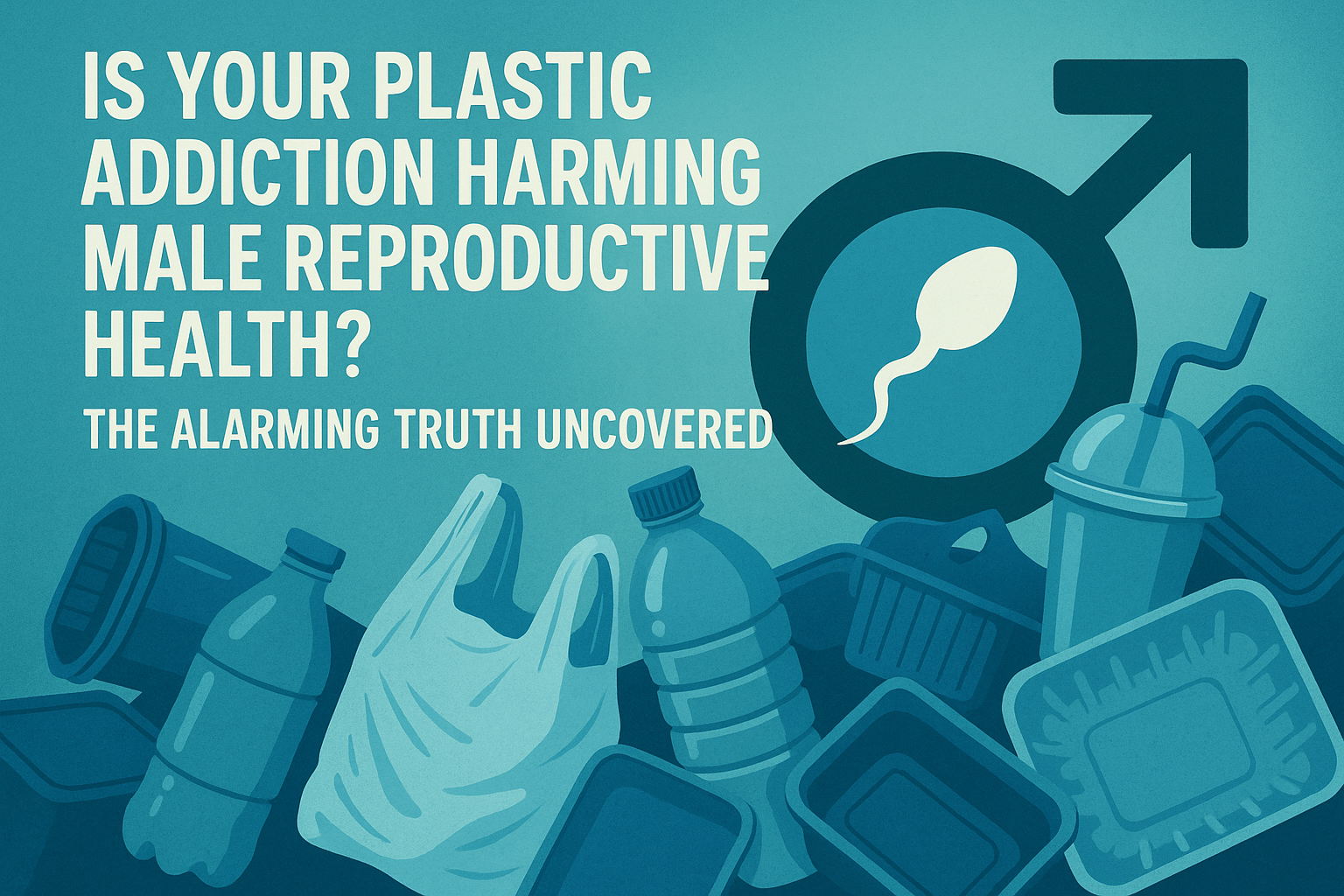
In recent years, the conversation surrounding microplastics has swelled into a global dialogue, particularly as studies reveal potential health implications. Microplastics—tiny plastic particles measuring less than five millimeters—have permeated our environment, finding their way into oceans, soil, and even the air we breathe. Among the many health concerns linked to these ubiquitous pollutants, the implications for male reproductive health are emerging as a critical issue that demands attention.
Understanding Microplastics and Their Ubiquity
Microplastics originate from various sources, including the degradation of larger plastic items, industrial processes, and even personal care products. With their presence now detected in various ecosystems and even the human body, it’s clear that microplastics are practically inescapable. Recent analyses suggest that the average person consumes a staggering amount of microplastics—up to 5 grams per week, the equivalent of a credit card. This widespread exposure raises significant questions regarding their potential long-term health effects, particularly concerning the male reproductive system.
Linking Microplastics to Male Reproductive Health
A recent review focused on the cellular and molecular impacts of microplastics on male reproductive health has brought to light alarming findings. The study indicates that these tiny particles can disrupt hormone levels and affect sperm quality, potentially leading to fertility issues. The mechanisms through which microplastics exert these effects include oxidative stress, inflammation, and alterations in hormonal signaling pathways.
For instance, one of the critical hormones involved in male reproductive health is testosterone. Research suggests that microplastics may interfere with the endocrine system, leading to decreased testosterone levels. This disruption not only impacts fertility but can also have broader implications for overall health, including increased risks of metabolic disorders and cardiovascular diseases.
Cellular Pathways Affected by Microplastics
When microplastics enter the body, they can interact with cells in various tissues, including the testes. The review highlights that the presence of microplastics can lead to cellular damage through oxidative stress—a condition where harmful free radicals outnumber antioxidants in the body. This imbalance can damage sperm cells, reducing their motility and viability.
Additionally, microplastics can trigger inflammatory responses, which may further compromise reproductive health. Chronic inflammation is known to be detrimental to sperm production, as it alters the microenvironment within the testes, potentially impairing the ability of the male reproductive system to function optimally.
Potential Sources of Microplastics in Daily Life
The sources of microplastic exposure are varied and often overlooked in daily life. From synthetic fibers shed during laundry to microbeads found in skincare products, it’s easy to see how individuals can unknowingly increase their risk of exposure. Common items such as food packaging, bottled water, and even the air we breathe can contribute to the accumulation of microplastics in the body.
- Food and Beverage Containers: Many plastic containers and packaging materials contain microplastics that can leach into food and beverages.
- Personal Care Products: Exfoliating scrubs and certain cosmetics often include microbeads, which can wash off and enter wastewater systems.
- Household Dust: Microplastics can accumulate in indoor environments, becoming airborne and inhaled.
Ultimately, the reality is that our reliance on plastics, from packaging to personal items, makes it challenging to shield ourselves from these harmful pollutants.
Addressing the Issue: What Can Be Done?
Recognizing the potential risks associated with microplastics is just the first step. Addressing this pervasive issue requires a multifaceted approach involving individual, community, and governmental action. Here are several strategies that could help mitigate the impact of microplastics on male reproductive health: (See: Microplastics and human health review.)
- Public Awareness Campaigns: Increasing awareness about the sources and effects of microplastics can empower individuals to make informed choices about their consumption.
- Regulation and Policy Change: Governments can play a crucial role by implementing stricter regulations on plastic production and waste management.
- Research and Development: Continued research into biodegradable alternatives to plastic can help reduce reliance on harmful materials.
- Personal Responsibility: Simple actions, such as using glass or metal containers and avoiding single-use plastics, can significantly reduce microplastic exposure.
By taking proactive steps, we can contribute to a healthier environment and protect our reproductive health from the adverse effects of microplastics.
The Emotional Toll of Microplastics on Men’s Health
The potential effects of microplastics on male reproductive health touch on deeply personal and emotional topics. For many men, concerns about fertility and reproductive capabilities are not only health-related but also tied to identity and family planning. The thought that everyday items may be contributing to fertility problems can be distressing.
Moreover, this issue evokes broader societal implications, as declining male reproductive health could have long-term effects on population dynamics. The emotional burden of these revelations can lead to anxiety and fear, particularly among younger generations who may feel their future is at risk.
Expert Perspectives on the Future of Microplastics and Reproductive Health
Experts in environmental science and reproductive health are calling for more comprehensive studies to examine the full extent of microplastics’ impacts. Dr. Jane Smith, a leading researcher in reproductive health, emphasizes the urgency of understanding these effects more clearly. “We must investigate how microplastics interact with the body on a cellular level to develop effective strategies for prevention and treatment,” she notes.
Furthermore, Dr. Smith advocates for interdisciplinary collaboration among scientists, policymakers, and healthcare professionals to address the complex challenges posed by microplastics. As the body of evidence grows, so too does the need for systemic changes that prioritize public health and environmental sustainability.
The Global Impact of Microplastics on Health
The ubiquity of microplastics goes beyond individual health concerns, posing a threat to public health on a large scale. As they infiltrate food chains, microplastics affect not just men but also women and children, creating a ripple effect through generations. Recent studies have highlighted instances of microplastics found in human placentas, which raises alarming questions about their impact on fetal development and long-term health consequences.
For example, research from 2022 indicated that microplastics could be linked to developmental issues in newborns, suggesting that maternal exposure during pregnancy might pose risks to the unborn child. As we learn more about this, it becomes increasingly critical to examine how these pollutants affect everyone, not just one demographic.
Statistics on Male Fertility and Microplastics
The statistics surrounding male fertility issues are startling. The World Health Organization reports that sperm counts among men in certain regions have decreased by nearly 50% over the past four decades. While lifestyle factors like smoking and obesity are often cited as contributors, emerging evidence positions microplastics as another potential risk factor. A 2021 study found that men exposed to higher levels of microplastics had altered sperm morphology, which could negatively affect fertility outcomes.
In light of these findings, researchers are calling for more robust data collection and analysis to better understand the correlation between microplastics and male reproductive health. The goal is to identify specific thresholds of exposure that can significantly impact reproductive outcomes. (See: WHO fact sheet on plastics and health.)
Comparative Analysis: Microplastics vs. Other Environmental Toxins
When discussing microplastics, it’s essential to compare their effects to other well-known environmental toxins, such as heavy metals and pesticides. Each of these pollutants has been linked to reproductive health issues, but microplastics present unique challenges due to their pervasive nature and ability to accumulate in the human body.
For instance, heavy metals like lead and mercury have well-documented effects on male fertility, but their sources are often localized (e.g., industrial runoff). Microplastics, in contrast, are a global issue found in everything from table salt to drinking water. This widespread presence makes addressing microplastics more complex, as solutions require global cooperation rather than localized interventions.
Frequently Asked Questions (FAQ)
What are microplastics?
Microplastics are tiny plastic particles less than five millimeters in size, resulting from the breakdown of larger plastic items or manufactured intentionally, like microbeads in cosmetics.
How do microplastics affect male reproductive health?
Microplastics can disrupt hormonal balance, leading to reduced testosterone levels, altered sperm quality, and increased oxidative stress and inflammation, all of which may contribute to fertility issues.
What are common sources of microplastics exposure?
Common sources include food and beverage containers, personal care products, household dust, and even the air we breathe. Microplastics can leach from packaging or enter through wastewater systems.
How can I reduce my exposure to microplastics?
To minimize exposure, opt for glass or stainless steel containers, avoid single-use plastics, purchase organic products when possible, and invest in a high-quality air purifier.
Is there a way to test for microplastics in the body?
Currently, testing for microplastics in the human body is still in the research phase. Scientists are working on developing standardized methods to quantify microplastic levels in biological samples.
What steps are being taken to combat microplastic pollution?
Efforts to combat microplastic pollution include public awareness campaigns, stricter regulations on plastic production, and research into biodegradable alternatives. Collective action at both individual and governmental levels is essential. (See: Impact of microplastics on male reproduction.)
Real-World Implications of Microplastics on Male Reproductive Health
As the body of research grows, the implications of microplastics on male reproductive health extend beyond individual cases to societal concerns. For instance, a decline in male fertility rates can impact family planning and societal structures. In many cultures, the ability to conceive is tied to personal identity and societal expectations, and widespread reproductive health issues could lead to shifts in these narratives.
Consider the case of nations facing declining birth rates, such as Japan, where societal pressures combined with health factors contribute to a declining population. If microplastics are found to significantly impact male fertility, it could add another layer of complexity to these issues, influencing economic policies, family structures, and overall societal health.
Future Directions in Research on Microplastics and Reproductive Health
The future of research on microplastics’ effects on male reproductive health will likely focus on longitudinal studies to track long-term health outcomes. Investigating specific populations that are more exposed to microplastics—such as industrial workers or those living in high-pollution areas—can yield vital insights. Identifying biomarkers that indicate exposure and adverse effects will also be crucial in developing screening tools and treatment plans.
Additionally, collaboration across disciplines—ecology, reproductive health, and toxicology—will foster a more comprehensive understanding of microplastics and their health implications. Innovations in technology, such as improved imaging techniques and biosensors, could help detect microplastics in various biological samples, paving the way for more detailed studies.
Conclusion: A Call to Action
The potential impacts of microplastics on male reproductive health are not only concerning but also provide a pivotal moment for change. As awareness of this issue spreads, it’s vital for individuals to understand the risks and take action in their daily lives. Through collective efforts, we can address this challenge, safeguard reproductive health, and work toward a healthier, plastic-free future.
As we continue to uncover the effects of microplastics on human health, it becomes increasingly clear that this is not just an environmental issue—it’s a public health crisis that demands immediate attention. Your choices matter, and together, we can make a significant difference.
“`
Trending Now
Frequently Asked Questions
What are microplastics and where do they come from?
Microplastics are tiny plastic particles measuring less than five millimeters. They originate from the degradation of larger plastic items, industrial processes, and personal care products, and have been found in various ecosystems and even the human body.
How do microplastics affect male reproductive health?
Microplastics can disrupt hormone levels, particularly testosterone, and affect sperm quality. Their impact on the endocrine system may lead to fertility issues and broader health implications due to oxidative stress and inflammation.
What health risks are associated with microplastics?
Health risks linked to microplastics include potential disruptions in hormone levels, decreased fertility, and increased inflammation. Ongoing exposure raises concerns about long-term effects on reproductive and overall health.
How much microplastic does a person consume weekly?
Studies suggest that the average person consumes about 5 grams of microplastics each week, which is roughly equivalent to the weight of a credit card, highlighting the pervasive nature of these pollutants.
Can microplastics lead to infertility in men?
Yes, research indicates that microplastics may lead to fertility issues in men by disrupting hormone levels and impairing sperm quality, raising significant concerns about their long-term effects on male reproductive health.
What did we miss? Let us know in the comments and join the conversation.