
“`html
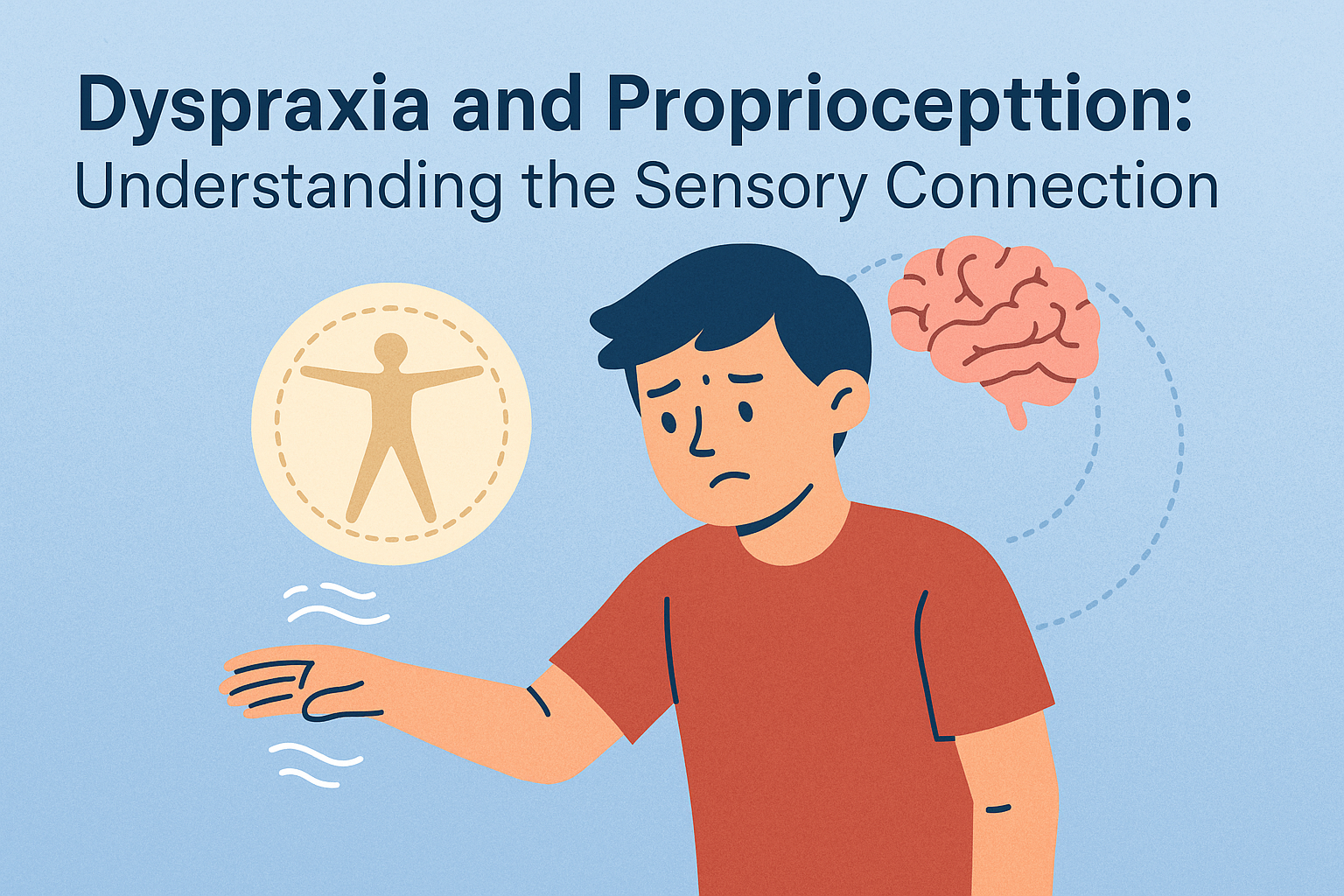
Understanding the dyspraxia proprioception connection is crucial for parents, educators, and therapists who work with individuals facing challenges related to coordination and sensory processing. Dyspraxia, also known as Developmental Coordination Disorder (DCD), significantly impacts motor skills, while proprioception—the body’s ability to sense its position in space—plays a vital role in daily activities. This article delves into the relationship between dyspraxia and proprioception, offering insights into their implications and practical advice for managing the symptoms.
What is Dyspraxia?
Dyspraxia is a neurological condition that affects planning and coordination, manifesting through difficulties in performing tasks that require fine and gross motor skills. It often appears in childhood and can persist into adulthood, affecting various areas of life including academic performance, sports, and daily living activities.
The condition is characterized by a lack of coordination, poor balance, and difficulty with activities that require precise movements such as writing, buttoning clothes, or participating in sports. Individuals with dyspraxia may also struggle with sequencing tasks, which can lead to frustration and low self-esteem. Research indicates that approximately 5-6% of children are diagnosed with dyspraxia, making it a relatively common developmental disorder.
Understanding Proprioception
Proprioception refers to the body’s ability to perceive its position and movement in space. This sensory system allows us to perform tasks without constantly relying on visual feedback. For instance, proprioception enables you to touch your nose with your eyes closed or walk without having to look down at your feet.
This sensory input is vital for effective coordination and balance. The proprioceptive system is comprised of specialized receptors located in muscles, joints, and connective tissues that send signals to the brain about bodily movements. When functioning properly, proprioception helps facilitate smooth and coordinated movements, which are essential for daily life activities.
The Dyspraxia Proprioception Connection
The dyspraxia proprioception connection is significant because many individuals with dyspraxia experience proprioceptive deficits. This means their bodies may not accurately interpret sensory information regarding their position and movements, leading to the coordination difficulties characteristic of dyspraxia.
Research has shown that proprioceptive challenges can exacerbate the symptoms of dyspraxia. For example, a child with dyspraxia may have trouble with tasks like catching a ball or running due to poor proprioceptive feedback, making them more prone to accidents and injuries. Furthermore, the interplay between dyspraxia and proprioception can create a cycle where difficulties in movement lead to reduced confidence, which in turn can further inhibit physical activity and skill development.
Symptoms of Dyspraxia Related to Proprioceptive Deficits
Individuals with dyspraxia often exhibit a range of symptoms directly linked to proprioceptive issues. These can include:
- Clumsiness: Frequent tripping, dropping things, or bumping into objects.
- Poor Spatial Awareness: Difficulty judging distances, leading to overreaching or underreaching in tasks.
- Inconsistent Motor Skills: Fluctuations in ability depending on the context or type of activity.
- Difficulty with Team Sports: Challenges in understanding the dynamics of movement in relation to other players.
- Fatigue: Increased energy expenditure for everyday tasks, leading to tiredness.
- Low Muscle Tone: Some might also experience low muscle tone, which can further complicate physical activities.
Recognizing these symptoms early can be crucial in providing support and interventions that help improve coordination and sensory processing. (See: National Institute of Child Health and Human Development on dyspraxia.)
Diagnosis and Assessment
Diagnosing dyspraxia often involves a comprehensive evaluation by healthcare professionals, including pediatricians, occupational therapists, and psychologists. The assessment might include standardized tests to measure motor skills, coordination, and proprioceptive abilities.
Parents and caregivers play a crucial role in the diagnostic process by providing detailed observations about the child’s behavior and development. The Dyspraxia Foundation offers resources and checklists that can help identify potential symptoms of dyspraxia, aiding in early diagnosis and intervention.
Practical Insights for Managing Dyspraxia and Proprioceptive Difficulties
Managing dyspraxia and its proprioceptive components requires a multi-faceted approach. Here are some practical strategies:
- Occupational Therapy: Engaging with an occupational therapist can help individuals develop strategies to improve coordination and motor skills. Techniques may include activities focusing on fine motor skills, sensory integration, and proprioceptive feedback.
- Physical Activities: Encouraging participation in sports and physical activities can help strengthen motor skills. Structured activities like swimming, martial arts, or dance can be particularly beneficial, as they combine movement with rhythm and coordination.
- Proprioceptive Activities: Activities that enhance proprioceptive input, such as jumping on a trampoline, bear crawling, or pushing heavy objects, can improve body awareness and coordination.
- Routine and Consistency: Establishing routines can help individuals predict what to expect and improve confidence in their movements. Consistent practice through repetitive tasks can also enhance motor skills.
- Assistive Technology: Tools such as weighted vests, slant boards, or specially designed writing tools can provide support in everyday tasks, helping to reduce frustration and promote independence.
These strategies aim to create a supportive environment where individuals can thrive, building their confidence and abilities.
Current Relevance and Future Directions
As awareness of dyspraxia grows, so does research into the dyspraxia proprioception connection. Recent studies have highlighted the importance of early intervention and tailored support systems that address both dyspraxia and proprioceptive challenges. This ongoing research is essential for developing effective treatment protocols that can benefit individuals across the spectrum of dyspraxia.
Moreover, increasing public awareness is vital. Many individuals live with undiagnosed dyspraxia due to a lack of understanding or resources. Schools, community organizations, and healthcare providers must work collaboratively to ensure that support is accessible and that families are informed about available resources.
By fostering a more aware society, we not only empower those affected but also encourage resource allocation for research and development in therapeutic strategies.
In-Depth Exploration of Proprioceptive Activities
Engaging in proprioceptive activities can significantly benefit individuals with dyspraxia. These activities stimulate the proprioceptive system, helping improve body awareness and coordination. Here’s a closer look at some effective proprioceptive activities that can be incorporated into daily routines:
- Heavy Work Activities: Activities that require pushing, pulling, or lifting can provide substantial proprioceptive feedback. Examples include moving furniture (with supervision), carrying grocery bags, or pushing a stroller. These activities help reinforce body awareness and can make daily chores more engaging.
- Obstacle Courses: Setting up an obstacle course at home or in a safe outdoor space encourages movement in various directions and planes. Activities can include crawling under tables, jumping over cushions, and balancing on low beams. This not only develops motor skills but also boosts confidence as children navigate the course.
- Yoga and Stretching: Yoga offers a gentle way to enhance proprioceptive input through controlled movements and body awareness. Simple poses like downward dog or child’s pose can improve strength and flexibility while promoting relaxation.
- Dance and Movement Games: Dance can be a fun way to develop coordination and rhythm. Movement games that involve following directions or mimicking actions can enhance body awareness and social skills as well.
- Weighted Equipment: Using weighted blankets or vests during specific activities can provide calming proprioceptive input, making it easier to focus on tasks.
Expert Perspectives on Dyspraxia and Proprioception
Experts in pediatric therapy emphasize the importance of understanding the dyspraxia proprioception connection in treatment plans. Dr. Sarah Thompson, a pediatric occupational therapist, states, “Addressing proprioceptive deficits in children with dyspraxia is essential for their development. If we can improve their proprioceptive input, we often see improvements in their overall coordination and confidence.” (See: CDC resources on child development.)
Additionally, clinical psychologist Dr. John Miller highlights the psychological aspects, stating, “The emotional toll of dyspraxia can be significant. When children struggle with coordination, it often leads to feelings of inadequacy. By focusing on proprioceptive strategies, we not only enhance their physical capabilities but also support their mental well-being.”
Statistics and Research on Dyspraxia
Research continues to shed light on the prevalence and impact of dyspraxia. According to a study published in the Journal of Developmental Medicine & Child Neurology, approximately 5-10% of children are affected by dyspraxia, with boys diagnosed more frequently than girls. Furthermore, a longitudinal study found that children with dyspraxia often experience ongoing difficulties into adolescence, affecting their academic performance and social interactions.
The connection between proprioception and dyspraxia has also been explored through various studies. A 2021 research paper noted that targeted proprioceptive activities led to a 30% increase in motor skill proficiency among children with dyspraxia after a 12-week intervention.
Frequently Asked Questions
What are the early signs of dyspraxia?
Early signs of dyspraxia can include delayed milestones in physical development, difficulty with hand-eye coordination, trouble with tasks like tying shoelaces or using utensils, and challenges in participating in group games or sports.
How can I help my child with dyspraxia at home?
At home, you can support your child by encouraging regular physical activity, establishing routines, and engaging in fun proprioceptive activities. Using visual aids and checklists can also help them organize tasks more effectively.
Is dyspraxia associated with other conditions?
Yes, dyspraxia is often associated with other conditions such as ADHD, dyslexia, and anxiety disorders. It’s important to address these co-occurring conditions as part of a comprehensive treatment plan.
Can adults have dyspraxia?
Yes, while dyspraxia is often diagnosed in childhood, many individuals continue to experience symptoms into adulthood. They may have difficulty with organization, time management, and maintaining physical coordination in daily tasks.
What should I do if I suspect my child has dyspraxia?
If you suspect your child has dyspraxia, the first step is to consult with a healthcare professional who specializes in developmental disorders. They can provide a comprehensive evaluation and recommend appropriate interventions and support systems. (See: NIH information on proprioception.)
The Role of Schools in Supporting Children with Dyspraxia
Schools play a pivotal role in recognizing and supporting students with dyspraxia. Educators can implement individualized education plans (IEPs) tailored to address the specific needs of these students. This might involve adjustments in teaching methods, such as using more visual aids or providing extra time for tasks that require fine motor skills.
Additionally, schools can promote an inclusive environment by fostering understanding among peers about dyspraxia. Activities that encourage teamwork and empathy can help integrate students with dyspraxia into group settings, reducing feelings of isolation. By training staff to recognize the signs and symptoms, schools can ensure timely interventions are in place, supporting both academic and social development.
The Importance of Parental Support
Parental involvement is crucial in navigating the challenges associated with dyspraxia. Parents are the frontline advocates for their children, and their awareness of the dyspraxia proprioception connection can empower them to seek appropriate support. Joining support groups or networks can provide valuable insights and encouragement from others facing similar experiences.
Communicating openly with educators and therapists about the child’s progress and struggles can lead to a more cohesive support system. Parents can also reinforce therapy strategies at home, ensuring that the skills learned are practiced regularly.
Long-term Outlook for Individuals with Dyspraxia
The long-term outlook for individuals with dyspraxia can be positive, especially with early intervention and ongoing support. Many children with dyspraxia develop coping strategies that allow them to navigate challenges effectively. With time, they may find their unique strengths, whether in academics, the arts, or athletics, proving that dyspraxia does not define their abilities.
Engaging in supportive communities and environments can bolster self-esteem and social skills, ensuring that individuals with dyspraxia lead fulfilling lives. As awareness increases, more resources and strategies will become available, helping to create an inclusive society for all.
“`
Trending Now
Frequently Asked Questions
What are the symptoms of dyspraxia?
Symptoms of dyspraxia include poor coordination, balance issues, and difficulties with fine and gross motor skills. Individuals may struggle with tasks like writing, dressing, or participating in sports, often leading to frustration and low self-esteem. These challenges typically manifest in childhood and can persist into adulthood.
How does dyspraxia affect daily life?
Dyspraxia can significantly impact daily life by hindering academic performance, sports participation, and everyday activities. Individuals may find it challenging to complete tasks that require coordination and planning, which can lead to difficulties in social situations and increased feelings of frustration.
What is the role of proprioception in motor skills?
Proprioception plays a crucial role in motor skills by allowing the body to sense its position and movement in space. This sensory feedback is essential for coordination and balance, enabling individuals to perform tasks without relying solely on visual cues, such as walking or reaching for objects.
Can dyspraxia be diagnosed in adults?
Yes, dyspraxia can be diagnosed in adults, although it is often identified in childhood. Many adults may not realize they have dyspraxia until they encounter difficulties in tasks requiring coordination and motor skills. A thorough assessment by a healthcare professional can confirm the diagnosis.
What therapies are effective for managing dyspraxia?
Effective therapies for managing dyspraxia include occupational therapy, physical therapy, and sensory integration therapy. These approaches focus on improving coordination, motor skills, and sensory processing, helping individuals develop strategies to cope with their challenges and enhance daily functioning.
Agree or disagree? Drop a comment and tell us what you think.