

“`html
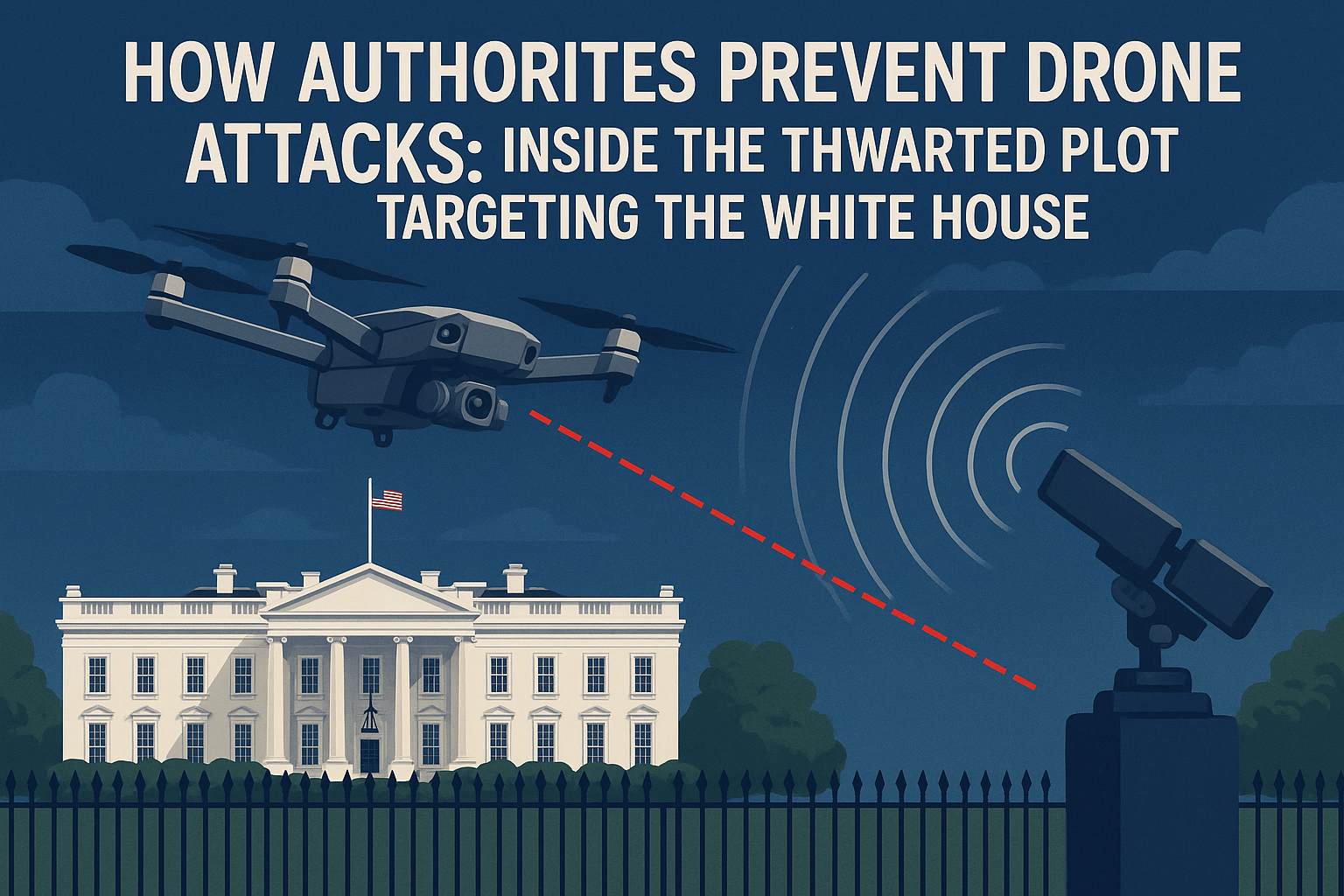
On a seemingly ordinary day in June 2026, the intersection of sports and security took a chilling turn when U.S. authorities successfully thwarted a planned drone and gun attack on the White House during a major UFC event. This dramatic security incident has raised urgent questions about public safety and the measures that law enforcement agencies employ to prevent such threats. How authorities prevent drone attacks has become a critical conversation in light of this event, prompting a closer look at the investigative processes, operational tactics, and the implications for national security.
The Context of the Threat
The planned attack coincided with a high-profile UFC event, which naturally drew massive crowds and garnered extensive media coverage. While large gatherings like these often attract sports fans and celebrities, they can also present attractive targets for those looking to cause chaos or make political statements. The attention on the UFC event heightened the stakes for law enforcement agencies tasked with ensuring public safety.
According to reports, the plot involved both drones and firearms, indicating a sophisticated and potentially lethal approach. The combination of these two elements underscores a worrying trend in modern terrorism, where attackers blend conventional weapons with technology to increase their range and impact. Authorities had to act quickly, as any delay could have resulted in devastating consequences.
How Authorities Responded
As soon as intelligence about the potential threat surfaced, several U.S. agencies, including the Secret Service and Federal Bureau of Investigation (FBI), sprang into action. Their first step involved gathering intelligence to assess the credibility of the threat. This often includes monitoring online chatter, tracking suspicious individuals, and collaborating with local law enforcement.
In this instance, the investigation revealed that the individuals involved had developed a plan that involved flying drones over the White House during the UFC event, potentially using firearms to create panic and chaos. Authorities worked with drone detection technology, which has become increasingly important in recent years as drone usage has surged in both commercial and recreational sectors. Related reading: dinner night tensions.
Drone detection systems can identify unauthorized drones in restricted airspace and assess their capabilities. Combining these systems with traditional surveillance methods ensured that law enforcement could effectively neutralize the threat before it escalated.
The Investigative Process
The investigative process is multi-faceted and complex. For this incident, the FBI led the investigation, which involved analyzing digital footprints and reviewing communications among the suspects. Authorities often utilize a combination of data analysis, witness interviews, and surveillance footage to piece together the threat and identify the individuals involved.
By employing advanced data analytics, agencies can identify patterns that help in recognizing potential threats. This includes tracking certain keywords or phrases used in online messages, which can indicate planning for malicious activities. In some instances, informants may provide crucial information about planned attacks, which can serve as an early warning system.
As developments unfolded, the identities of the suspects remained confidential while investigations continued. This is a common practice, enabling authorities to gather all relevant information without jeopardizing ongoing operations or compromising the safety of potential witnesses. (See: public safety at large gatherings.)
The Implications for Public Safety
The successful prevention of this attack has significant implications for public safety. It serves as a reminder of the vulnerabilities present in high-profile events and the necessity for robust security measures. In the wake of this incident, many are left wondering how authorities prevent drone attacks and what future safeguards might look like.
Public confidence in security measures can be fragile, especially in light of events that involve credible threats. Authorities must balance transparency with operational security to maintain trust among the public while ensuring that their methods remain effective. Following the thwarted attack, there is likely to be increased funding and resources allocated to enhancing drone detection technology and improving overall event security.
Furthermore, this incident will likely lead to new policies and procedures for managing the security of large events. The combination of drone and firearm threats necessitates a proactive approach, where intelligence sharing among various law enforcement agencies becomes paramount.
Technological Advances in Threat Mitigation
In recent years, technological advances have played a crucial role in how authorities prevent drone attacks. The integration of advanced surveillance systems, drone detection technologies, and artificial intelligence (AI) has transformed security protocols. These tools allow for real-time monitoring and rapid response to emerging threats.
One prominent example is the use of counter-drone technology, which includes systems that can disable or intercept unauthorized drones in restricted airspace. These systems employ various methods, such as GPS jamming or signal disruption, to neutralize drones before they can carry out their intended actions.
Furthermore, machine learning algorithms are being implemented to analyze vast amounts of data generated by surveillance systems, allowing authorities to detect anomalies and potential threats more efficiently. This proactive strategy ensures that law enforcement can stay one step ahead of those who may seek to exploit vulnerabilities during major events.
A Look Ahead: Evolving Threats and Responses
The evolution of technology has led to increasingly sophisticated threats, challenging authorities to adapt and respond effectively. As the methods used by potential attackers become more complex, so too must the strategies employed by law enforcement. This incident serves as a case study in how to manage emerging risks in public safety.
You might be wondering how future events will be secured in light of this threat. Expect a greater emphasis on collaboration between federal, state, and local agencies, as well as private sector partnerships that leverage technological advancements. For instance, companies specializing in drone detection may collaborate with government bodies to create comprehensive security solutions.
Moreover, public awareness and cooperation will play a pivotal role in enhancing security measures at large events. Authorities often encourage attendees to report suspicious behavior or activities, creating a community-based approach to security that can yield valuable intelligence.
Training and Preparedness for Law Enforcement
In the face of sophisticated threats, training and preparedness of law enforcement agencies become paramount. Many agencies are now implementing specialized training programs focusing on drone threats and counter-drone tactics. This training often includes simulation exercises that prepare officers to respond quickly to potential drone attacks in real-time scenarios.
In addition to tactical training, agencies also engage in scenario planning, where they analyze past incidents to refine their response strategies. This includes learning from both successful interventions and failures, ensuring that every potential angle is covered. (See: recent drone attack security measures.)
Furthermore, continuous collaboration with tech developers helps law enforcement stay updated on emerging drone technologies. Keeping abreast of advancements allows agencies to anticipate potential threats and modify their training accordingly, ensuring they can adapt to new methods of attack.
International Perspectives on Drone Defense
While the U.S. has made significant strides in drone attack prevention, looking at international practices can provide additional insights. Countries like the UK, Israel, and China have developed robust counter-drone frameworks. For instance, the UK’s counter-drone strategy includes legislation that allows for the use of various countermeasures to neutralize drone threats, which may serve as a model for U.S. policy refinement.
In Israel, military and law enforcement agencies work closely with innovative tech companies to develop cutting-edge drone detection and neutralization technologies. This collaboration often results in real-world application and testing of new systems in controlled environments before they are deployed in public spaces.
China’s approach, on the other hand, emphasizes advanced AI and surveillance technologies, utilizing vast data networks to track and identify drone activities. This model raises questions about privacy and civil liberties, which are critical considerations for U.S. authorities when shaping their response to drone threats.
FAQ: How Authorities Prevent Drone Attacks
What technologies are used to detect unauthorized drones?
Authorities utilize a mix of radar systems, radio frequency scanning, and visual detection methods to identify unauthorized drones in restricted airspace. Some systems can even employ artificial intelligence to analyze flight patterns and distinguish between benign and suspicious drone activity.
How do law enforcement agencies respond to drone threats in real-time?
When a drone threat is detected, agencies typically activate their emergency response protocols, which may include deploying drones to monitor the situation, using counter-drone technology to neutralize the threat, and coordinating with local law enforcement to manage the crowd and maintain safety.
Are there legal frameworks governing drone usage and countermeasures?
Yes, there are various legal frameworks, both at federal and state levels, governing drone operations, particularly concerning privacy, airspace regulations, and counter-drone measures. The FAA oversees drone regulations, while local authorities may implement additional restrictions, especially during large public events.
What role does public cooperation play in preventing drone attacks?
Public cooperation is essential in enhancing security. Authorities encourage event attendees to report suspicious behavior or drone activity, which can provide critical intelligence. Community engagement in security measures fosters a vigilant environment and aids law enforcement in detecting potential threats swiftly.
How can event organizers enhance security against drone threats?
Event organizers can enhance security by collaborating with law enforcement to implement comprehensive security plans, including deploying drone detection technologies, training staff to recognize threats, and ensuring clear communication channels for reporting suspicious activities. Conducting risk assessments before events can also help identify vulnerabilities. (See: technology in modern terrorism.)
Understanding the Psychology Behind Drone Attacks
To effectively combat threats like drone attacks, understanding the psychology behind such actions is crucial. Many attackers are motivated by a desire for notoriety or to send a political message. They often see high-profile events as platforms to amplify their voices, however misguided. This understanding can help authorities preemptively design strategies that address not just the physical threat, but also the underlying motivations.
Psychological profiling of potential offenders can guide law enforcement in identifying individuals or groups that may pose risks. For instance, social media monitoring has become a vital tool, allowing authorities to spot concerning trends or sentiments that could indicate planning for nefarious acts.
The Future of Drone Defense Strategies
As drone technology continues to evolve, so too must the strategies to counteract threats. Experts predict that in the coming years, we might see a shift toward more automated and AI-driven responses to drone threats. This could include the use of drones equipped with advanced sensors that can autonomously detect and neutralize unauthorized drones.
Moreover, as public events become increasingly digitalized, integrating cybersecurity measures with physical security protocols will be essential. Authorities will need to ensure that the digital infrastructures supporting events are secure from remote hacking or drone hijacking attempts, which could further complicate the threat landscape.
Conclusion: The Ongoing Battle Against Drone Threats
The thwarted drone attack during the UFC event is a stark reminder of the evolving threats faced by authorities tasked with maintaining public safety. As technology advances and methods of attack become more sophisticated, so too must the measures taken to prevent these incidents. The investigative processes and tools used by law enforcement play a crucial role in mitigating risks, and public engagement remains vital in fostering a culture of vigilance.
Ultimately, how authorities prevent drone attacks will continue to be shaped by innovation, collaboration, and a concerted effort to stay ahead of potential threats. This incident may serve as a catalyst for change in how events are secured, ensuring that the safety of the public remains a top priority.
“`
Trending Now
Frequently Asked Questions
How do authorities prevent drone attacks?
Authorities prevent drone attacks by gathering intelligence, monitoring online activities, and collaborating with local law enforcement. They assess threats by tracking suspicious individuals and employing advanced technology to detect and neutralize potential risks before they escalate.
What happened during the planned drone attack on the White House?
In June 2026, U.S. authorities thwarted a planned drone and gun attack on the White House coinciding with a major UFC event. The plot highlighted the growing concern over sophisticated threats combining drones and firearms, necessitating immediate and coordinated law enforcement action.
Why are large events like UFC targets for attacks?
Large events such as UFC gatherings attract massive crowds and significant media attention, making them appealing targets for individuals or groups looking to cause chaos or make political statements. This combination of high visibility and vulnerability increases security risks. There’s a fuller look at cyberattack on defense contractor.
What role do the Secret Service and FBI play in preventing drone attacks?
The Secret Service and FBI play crucial roles in preventing drone attacks by gathering intelligence, assessing threats, and coordinating responses. They monitor potential risks and collaborate with other agencies to ensure public safety during high-profile events.
What trends are emerging in modern terrorism related to drones?
Modern terrorism is increasingly characterized by the blending of conventional weapons with technology, such as drones. This trend poses new challenges for law enforcement, as attackers seek to enhance their range and impact, necessitating more sophisticated prevention strategies.
What’s your take on this? Share your thoughts in the comments below — we read every one.



