

“`html
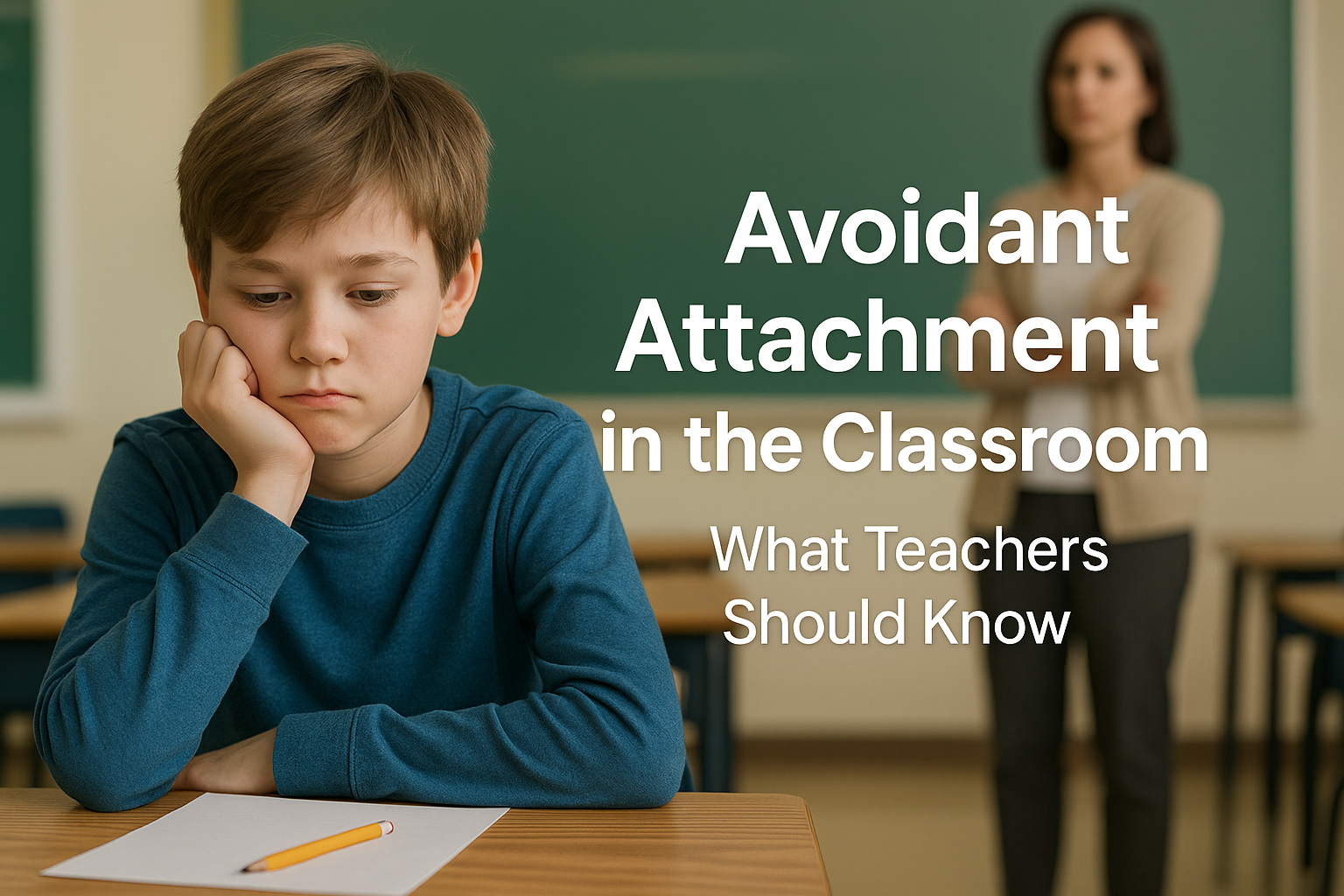
In the realm of education, understanding the psychological dynamics of students can significantly impact their learning experiences. One of the less discussed yet crucial aspects is avoidant attachment in education. This form of attachment can shape how students interact with teachers, peers, and the learning environment itself. Below, we delve into the nuances of avoidant attachment, its implications for educators, and how teachers can better support students who may exhibit these traits.
What is Avoidant Attachment?
Avoidant attachment is one of the four primary attachment styles identified in psychological research. This attachment style typically develops during early childhood, often influenced by caregivers’ responses to a child’s needs. Children who develop an avoidant attachment style may have experienced inconsistent emotional availability from their caregivers, leading them to withdraw or avoid emotional connections as a self-protective mechanism.
Avoidant attachment manifests in various behaviors, such as reluctance to engage in emotional discussions, difficulty forming close relationships, and a tendency to prioritize self-reliance over seeking help. In a classroom setting, these traits can be particularly pronounced, affecting the student’s academic performance and social interactions.
The Impact of Avoidant Attachment on Learning
Students with avoidant attachment may struggle to engage fully in the learning process. Because they are often emotionally distant, they might miss out on collaborative learning experiences that involve discussion, group work, or peer feedback. Studies have shown that students with avoidant attachment are less likely to seek help from teachers or peers, which can hinder their academic progress. For more on this, see inspiring educational leadership tips.
Research indicates that avoidant attachment is linked to lower academic achievement and decreased motivation. For instance, a student who does not feel comfortable asking questions or participating in discussions may lag behind their peers. Additionally, their reluctance to engage can create a barrier that makes it challenging for teachers to assess their understanding and provide necessary support.
Recognizing Signs of Avoidant Attachment in the Classroom
As educators, recognizing the signs of avoidant attachment is crucial for tailoring interventions and support strategies. Here are some typical behaviors to observe:
- Emotional Withdrawal: Students may seem detached or indifferent during emotional discussions, often avoiding eye contact and showing little interest in sharing personal experiences.
- Avoidance of Group Work: These students may shy away from collaborative tasks, preferring to work independently, which could stem from discomfort in relying on others.
- Limited Expressiveness: They might have difficulty expressing their thoughts and feelings, often resorting to brief, one-word answers when asked to elaborate.
- Self-Reliance: Students may insist on handling tasks alone, even when assistance is clearly needed, highlighting their discomfort with interdependence.
Recognizing these behaviors can help teachers differentiate between students who simply need more time to adjust to classroom dynamics and those who genuinely struggle due to underlying attachment issues.
The Role of Teachers in Supporting Students
Teachers play a pivotal role in creating an environment conducive to the emotional well-being of all students, including those with avoidant attachment. Here are several strategies that educators can implement:
- Fostering a Safe Environment: Establishing a classroom climate where students feel safe to express themselves is essential. This can be done through establishing clear expectations, consistent routines, and showing empathy towards students’ feelings.
- Gradual Engagement: For students exhibiting avoidant behaviors, gradual engagement in group activities can be beneficial. Start with small group discussions, allowing them to participate without feeling overwhelmed.
- Encouraging Open Communication: Create opportunities for students to share their thoughts in ways that feel comfortable for them. This might involve using anonymous question boxes or digital platforms where students can express themselves without the fear of judgment.
- Building Trust: Building trust with students who have avoidant attachment may take time. Consistency in interactions, along with showing genuine interest in their well-being, will help these students feel more secure in the classroom.
Implementing these strategies can help mitigate the challenges posed by avoidant attachment, allowing students to thrive both academically and emotionally. (See: Attachment theory overview.)
Collaboration with Parents and Caregivers
Collaboration with parents and caregivers can enhance the support provided to students with avoidant attachment. Educators should engage with families to discuss their child’s behavior, emphasizing the importance of emotional availability at home. Providing parents with resources about attachment styles can help them understand their child’s behavior and foster a more supportive home environment.
Regular communication between teachers and parents can also create a consistent approach to managing avoidant behaviors. For instance, if a parent notices their child withdrawing at home, they can work with the teacher to identify patterns and implement strategies that can be practiced consistently in both environments.
Current Relevance and Importance of Addressing Avoidant Attachment in Education
Understanding and addressing avoidant attachment in education is increasingly relevant in today’s classroom settings. With rising awareness of mental health issues among students, educators have a responsibility to adapt their approaches to meet various emotional and psychological needs.
The COVID-19 pandemic has exacerbated feelings of isolation and anxiety for many students, potentially intensifying avoidant attachment behaviors. As schools navigate the aftermath of the pandemic, there is an urgent need for teachers to recognize the implications of attachment styles on student learning and social interaction.
Educational systems are beginning to emphasize social-emotional learning (SEL) as a fundamental component of education. Schools that integrate SEL programs can foster environments where all students feel valued and understood, which is essential for those with avoidant attachment.
Research and Statistics on Avoidant Attachment in Education
Several studies have shed light on the prevalence and impact of avoidant attachment in educational contexts. For instance, a 2021 study published in the Journal of Educational Psychology found that approximately 20% of students reported traits associated with avoidant attachment styles. Interestingly, the research also indicated that students with avoidant attachment tended to have lower engagement levels in class activities, which correlated with a 15% decrease in overall academic performance compared to their securely attached peers.
Furthermore, an analysis of school counseling data showed that students exhibiting avoidant behaviors were more likely to be referred for additional support services, demonstrating the systemic challenges they face in traditional educational settings. Understanding these statistics can help educators frame their approach to supporting students with avoidant attachment more effectively.
Comparative Analysis: Avoidant vs. Secure Attachment in Education
Comparing avoidant attachment with secure attachment can provide valuable insights into the learning experiences of students. Students with secure attachment generally demonstrate higher levels of engagement, confidence, and willingness to participate in group activities. They are more likely to seek assistance when needed and benefit from collaborative learning environments.
In contrast, students with avoidant attachment may struggle to engage, often missing opportunities for teamwork and peer learning. This can lead to a significant achievement gap over time, as secure students continue to benefit from the social learning that occurs in group settings. Understanding these differences can guide educators in tailoring their teaching strategies to meet the diverse needs of their classroom. (See: Parental attachment and child development.)
Frequently Asked Questions about Avoidant Attachment in Education
What are the long-term effects of avoidant attachment in students?
Long-term effects of avoidant attachment can include difficulties in forming relationships, lower self-esteem, and challenges in emotional regulation. These students may also struggle in professional settings where collaboration is key.
How can teachers identify avoidant attachment in their students?
Teachers can identify avoidant attachment by observing behaviors such as emotional withdrawal, reluctance to participate, and a strong preference for working alone. Regular check-ins and open communication can also help unveil underlying issues.
What role does classroom environment play in avoidant attachment?
The classroom environment can play a significant role in either exacerbating or alleviating avoidant attachment behaviors. A supportive, nurturing environment encourages students to engage and connect, while a harsh or overly competitive atmosphere may reinforce their withdrawal.
Can avoidant attachment be changed or improved over time?
Yes, avoidant attachment can be improved with consistent support, therapeutic interventions, and a strong emphasis on building trust in relationships with teachers and peers. Educators can play a vital role in this process.
What strategies can parents use to support children with avoidant attachment?
Parents can support children with avoidant attachment by fostering open communication, being emotionally available, and encouraging social interactions in low-pressure settings. Consistent routines and positive reinforcement can also help build their child’s confidence.
Deeper Insights into Avoidant Attachment and Educational Outcomes
Understanding the nuances of avoidant attachment extends beyond recognizing symptoms; it involves a deeper analysis of how these attachment styles impact educational outcomes. For instance, studies suggest that students with avoidant attachment might excel in tasks requiring independent work due to their reliance on self-sufficiency. However, over time, this can lead to difficulties in collaborative environments, where teamwork is essential for success.
A 2022 study published in Child Development explored the relationship between attachment styles and academic performance. It found that avoidant students not only exhibited lower grades but also reported feelings of isolation during group work, which further perpetuated their disengagement. This creates a vicious cycle where their academic performance suffers, leading to increased anxiety about participating in collaborative settings.
Educators can benefit from this knowledge by recognizing that while avoidant students might perform well in solitary tasks, fostering their ability to work in groups can enhance overall academic success. Tailoring assignments that blend individual and group work could help bridge this gap.
The Importance of Training for Educators
To effectively address avoidant attachment in the classroom, educators must be equipped with the right training and resources. Professional development sessions focusing on attachment theory, trauma-informed teaching, and emotional intelligence can provide teachers with the tools they need to better understand and support their students.
Workshops can include role-playing scenarios, case studies, and discussions on how to build rapport with avoidant students. By arming teachers with this knowledge, they can create more inclusive and supportive classrooms that recognize the varying emotional needs of their students.
Success Stories: Overcoming Avoidant Attachment in Education
There are numerous success stories of students with avoidant attachment who have thrived in school environments after receiving the appropriate support. For instance, a recent case study highlighted a middle school student named Jake, who struggled with avoidant behaviors. After his teachers implemented gradual engagement techniques, Jake gradually became more comfortable participating in group projects. By the end of the school year, he expressed a newfound confidence in his ability to work collaboratively, showcasing how effective strategies can make a significant difference in a student’s educational journey.
Another example comes from a high school setting, where teachers noticed a pattern of avoidance in a student named Sarah. By fostering a strong teacher-student relationship based on trust and open communication, Sarah began to share her thoughts during class discussions. This not only improved her academic performance but also her social skills, illustrating the importance of a supportive educational environment.
Conclusion: A Call to Action for Educators
Educators must recognize the profound impact of avoidant attachment behaviors on students’ educational experiences. By understanding these dynamics, teachers can create strategies that not only enhance academic success but also promote emotional well-being. Addressing avoidant attachment in education isn’t just about helping individual students; it’s about cultivating a classroom atmosphere that values emotional connection and support.
As we move forward, let’s strive to create learning environments that empower all students, especially those who find it difficult to reach out. In doing so, we nurture not just learners, but resilient individuals who can thrive in both educational settings and later in life.
“`
Trending Now
Frequently Asked Questions
What is avoidant attachment in children?
Avoidant attachment is a psychological style that develops in early childhood when caregivers are inconsistently available to meet a child's emotional needs. This leads children to withdraw and avoid forming close emotional connections as a protective mechanism against potential rejection or disappointment.
How does avoidant attachment affect learning?
Students with avoidant attachment often struggle to engage fully in the learning process. Their emotional distance can hinder participation in collaborative activities, and they are less likely to seek help from teachers or peers, which can negatively impact their academic performance and motivation.
What are the signs of avoidant attachment in students?
Signs of avoidant attachment in students include reluctance to engage in emotional discussions, difficulty forming close relationships with peers and teachers, and a strong preference for self-reliance, often avoiding situations where they might need to seek help.
How can teachers support students with avoidant attachment?
Teachers can support students with avoidant attachment by fostering a safe and inclusive classroom environment, encouraging open communication, and building trust. Implementing structured group activities and providing consistent feedback can help these students feel more comfortable engaging with peers and seeking assistance. There’s a fuller look at pros and cons of competency-based education.
What impact does avoidant attachment have on academic achievement?
Research indicates that avoidant attachment is associated with lower academic achievement. Students exhibiting this attachment style may lack motivation and miss out on collaborative learning opportunities, ultimately hindering their overall academic progress and performance.
What did we miss? Let us know in the comments and join the conversation.



