

“`html
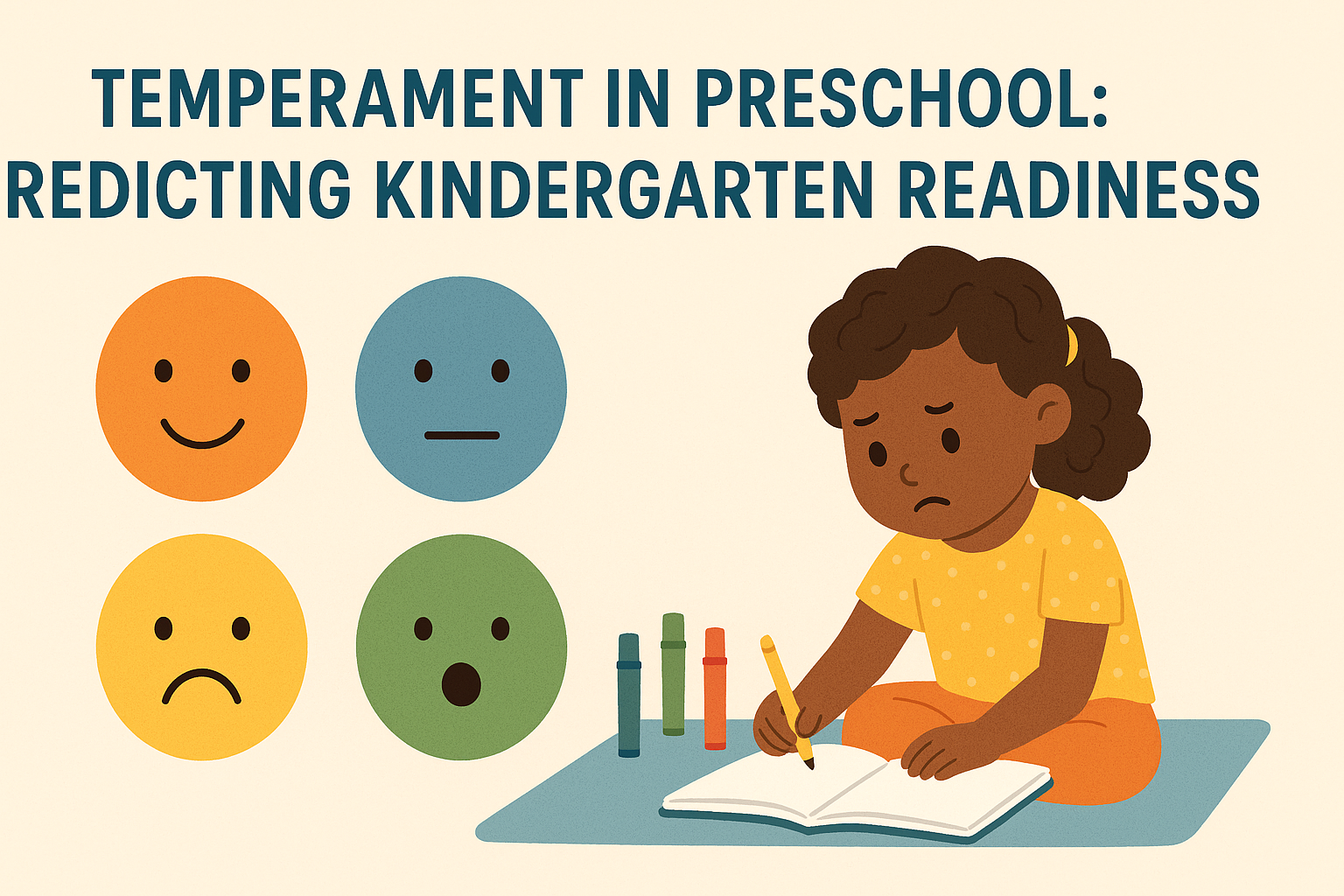
As children transition from preschool to kindergarten, one of the significant factors influencing their readiness is their preschool temperament. Understanding how temperament affects a child’s ability to adapt to a structured learning environment can provide crucial insights for parents and educators alike. This article delves into the nuances of preschool temperament, its implications for kindergarten readiness, and practical strategies that can aid in fostering a supportive environment.
Understanding Preschool Temperament
Temperament refers to the innate traits that influence how children interact with the world around them. These traits, which are evident from a very young age, encompass a child’s mood, activity level, emotional reactivity, and sociability. Research indicates that these inherent characteristics can significantly affect children’s behaviors, learning styles, and the way they cope with stress.
In the context of preschool, temperament can be categorized into several dimensions, including:
- Activity Level: The extent to which a child is active, moving around, and engaging with their environment.
- Emotional Reactivity: How intensely a child responds to stimuli, including frustration, joy, and excitement.
- Sociability: The ease with which a child interacts with peers and adults.
- Attention Span: How well a child can focus on tasks and stay engaged.
- Adaptability: The ability to adjust to new situations and environments.
These dimensions of preschool temperament can interact in complex ways, shaping a child’s readiness to learn and adapt to the structured environment of kindergarten.
The Link Between Temperament and Kindergarten Readiness
Kindergarten readiness encompasses a child’s ability to meet the social, emotional, and academic challenges of the classroom. Factors such as communication skills, emotional regulation, and the ability to follow instructions play a crucial role in this transition. Given that preschool temperament influences these areas, understanding this link is essential for parents and educators.
Research published in various child development journals highlights the correlation between temperament traits and school readiness. For instance, children with a high activity level may thrive in dynamic, interactive learning environments, while those with lower activity levels might excel in more structured settings. Similarly, children who are adaptable and have a positive mood tend to adjust to new routines and expectations more easily.
Moreover, emotional regulation is a key component of kindergarten readiness. Children who can manage their emotions effectively are more likely to succeed in social situations and cope with challenges that arise in the classroom. For example, a child who displays high emotional reactivity might struggle during group activities if they have difficulty managing frustration.
Identifying Your Child’s Temperament
Recognizing your child’s temperament is the first step in supporting their development and readiness for kindergarten. Observation is a powerful tool in this process. Parents can take note of their child’s reactions in various situations, such as during playdates, structured activities, or family gatherings.
Here are some questions to guide your observations: (See: CDC on child temperament.)
- How does your child respond to new environments or changes in routine?
- Does your child seek out social interactions, or do they prefer solitary play?
- How does your child handle frustration or disappointment?
- What is your child’s general mood throughout the day?
In addition to personal observations, developmental screenings and temperament assessments conducted by pediatricians or child psychologists can provide a more structured evaluation of your child’s temperament. These assessments can highlight strengths and areas for growth, helping parents tailor their support strategies.
Strategies to Support Preschoolers Based on Temperament
Once you’ve identified your child’s temperament, you can implement strategies to support their growth and readiness for kindergarten. Here are some tailored approaches based on different temperament traits:
For Active Children
Children with high activity levels thrive when given opportunities to move and explore. To support these preschoolers, consider the following tactics:
- Incorporate Movement: Engage them in activities that allow physical movement, such as outdoor play, dance, or movement-based learning games.
- Provide Hands-On Learning: Use interactive materials that encourage exploration and creativity, such as building blocks or art supplies.
- Set Clear Expectations: Help them understand classroom routines and expectations, allowing for predictable transitions that can ease their energy into focus.
For Emotionally Reactive Children
Children who display high emotional reactivity may need more support in managing their feelings. Here are some suggestions:
- Teach Emotional Language: Help your child identify their feelings by teaching them words to describe their emotions, empowering them to express themselves better.
- Practice Coping Strategies: Introduce techniques such as deep breathing or counting to ten that can help them manage overwhelming emotions.
- Positive Reinforcement: Acknowledge their efforts in managing their feelings, reinforcing positive behavior and emotional regulation.
For Introverted or Solitary Children
Children who are more reserved or prefer solitary play may find social interactions challenging. Here’s how to support them:
- Encourage Gradual Socialization: Organize small playdates with one or two peers to ease the pressure of larger groups.
- Model Social Skills: Demonstrate how to engage with others through role-play, making it easier for them to mimic these interactions.
- Respect Their Space: Give them the freedom to engage in solitary activities while gradually introducing opportunities for group play.
Current Relevance of Preschool Temperament
In the wake of the COVID-19 pandemic, many children have faced disruptions in their early education. As preschool environments shifted, understanding preschool temperament became even more critical in predicting kindergarten readiness. Children might exhibit heightened anxiety or changes in their emotional responses due to altered social interactions and learning structures.
Educators and parents are now increasingly recognizing the importance of supporting emotional well-being alongside academic learning. Teachers can adapt their teaching styles and classroom environments to better align with varying temperamental needs, creating a more inclusive environment that promotes all children’s readiness.
Long-term Effects of Preschool Temperament
Understanding preschool temperament isn’t just critical for immediate kindergarten readiness; it can have lasting effects on a child’s educational journey. Research suggests that children whose temperaments are well-supported in preschool tend to have better outcomes in later schooling. For example, a study conducted by the Institute of Child Development found that children with a balanced temperament showed higher academic achievements in third grade compared to those whose temperament was not adequately nurtured. See also temperament insights from Dr. Lynch.
Additionally, emotional intelligence developed during preschool years can influence social relationships later on. Children who learn to navigate their emotions and recognize those in others tend to have healthier interactions throughout their lives. This can lead to a greater sense of belonging and improved collaboration in group settings, essential skills in both academic and social contexts. (See: NIH resources on temperament.)
Expert Perspectives on Preschool Temperament
Experts in child development emphasize the role of temperament in education. Dr. Karen Smith, a child psychologist specializing in early childhood education, notes, “Understanding a child’s temperament can guide parents and educators in creating supportive environments tailored to each child’s needs. When children feel understood and supported, they are more likely to thrive academically and socially.”
Moreover, Dr. James Lee, an early childhood educator, has highlighted the importance of adapting teaching methods to accommodate diverse temperaments. He states, “Incorporating varied teaching strategies that cater to different temperamental traits not only engages children but also fosters a love for learning.”
Comparing Temperament and Learning Styles
While temperament refers to inherent traits, learning styles encompass the preferred methods by which a child engages with information. There can be significant overlap between the two, but they are distinct concepts. For instance, a child with a high activity level might prefer kinesthetic learning, while an introverted child may excel in solitary learning environments.
Understanding these differences allows parents and educators to tailor their approaches more effectively. For example, children who thrive on social interaction may benefit from group projects and collaborative learning, whereas those who prefer solitude might excel in independent tasks that allow them to explore at their own pace.
FAQ about Preschool Temperament
What is preschool temperament?
Preschool temperament refers to a child’s innate personality traits that influence how they interact with others and respond to their environment. Key dimensions include activity level, emotional reactivity, sociability, attention span, and adaptability.
Why is preschool temperament important for kindergarten readiness?
Understanding a child’s temperament helps parents and educators support their emotional and academic growth, making it easier for them to adapt to the challenges of kindergarten.
How can I assess my child’s temperament?
Observation during various activities and interactions can provide insights into your child’s temperament. Additionally, formal assessments by professionals can help identify temperament traits.
What strategies can support different temperamental traits?
Strategies vary by temperament but may include incorporating movement for active children, teaching emotional language for emotionally reactive children, and encouraging gradual socialization for introverted children.
How can I help my child if they struggle with social interactions?
Encouraging small social gatherings, modeling social skills, and respecting their need for space can significantly aid children who find social interactions challenging.
Long-term Impact of Understanding Preschool Temperament
Recognizing and responding to preschool temperament can influence not only immediate kindergarten readiness but also long-term academic and social success. Research shows that children who experience tailored support based on their temperament are more likely to develop resilience and positive social skills. In a study published in the Journal of Educational Psychology, children identified as adaptable and emotionally aware had better relationships with peers and higher engagement in school activities.
Moreover, the adaptability learned in preschool can carry over into later educational experiences, making transitions smoother. Whether moving to a new school or adjusting to higher academic demands, children who have been nurtured according to their temperament are better equipped to handle change. For instance, children who are naturally more cautious but receive encouragement to take manageable risks often develop confidence that benefits them throughout their education. We covered importance of fine motor skills in more detail.
Strategies for Educators: Creating a Temperament-Friendly Classroom
For educators, creating a classroom that caters to various temperaments can enhance the learning experience for all children. Here are some strategies that can be implemented:
- Flexible Seating Arrangements: Allow children the option to choose seating that fits their comfort level, whether it’s a more active space or a quiet corner.
- Routine with Flexibility: While having a structured routine is important, allowing some flexibility for children to engage in activities that resonate with their temperament can foster a sense of control.
- Inclusive Group Activities: Design activities that can be adapted for small or large groups, catering to both children who thrive in social settings and those who prefer more solitary tasks.
- Encourage Expression: Create opportunities for children to express their feelings, whether through art, storytelling, or discussions, allowing them to connect their emotional experiences to learning.
Final Thoughts on Preschool Temperament and Kindergarten Readiness
As children prepare to enter kindergarten, understanding their preschool temperament provides valuable insights into their readiness for this critical transition. By recognizing and supporting their unique traits, parents and educators can foster an environment that nurtures emotional regulation, social skills, and academic learning.
Ultimately, each child is different, and there is no one-size-fits-all approach to readiness. However, with awareness and intentional strategies tailored to a child’s temperament, we can enhance their kindergarten experience and set them on a positive trajectory for their educational journey. Remember, the goal is to create a supportive atmosphere that allows each child to thrive, preparing them for the exciting opportunities that lie ahead.
“`
Trending Now
- Exciting Opportunity for a Full-Stack Rails Engineer at Mitre Media: Shape the Future of FinTech
- Pincer Grasp Activities for Toddlers and…
- The Role of Semantics in Reading…
- Hand-Eye Coordination Activities for Elementary School Students
- this guide on why some children with adhd struggle with hand-eye coordination
Frequently Asked Questions
What is preschool temperament?
Preschool temperament refers to the innate traits that influence how children interact with their environment. These traits, which include activity level, emotional reactivity, sociability, attention span, and adaptability, play a significant role in shaping a child's behavior, learning styles, and their ability to cope with stress during preschool and beyond.
How does temperament affect kindergarten readiness?
Temperament significantly impacts kindergarten readiness by influencing a child's social, emotional, and academic capabilities. Traits like emotional regulation, communication skills, and adaptability help children navigate the structured learning environment of kindergarten, affecting their ability to follow instructions and engage with peers.
What are the dimensions of preschool temperament?
The dimensions of preschool temperament include activity level, emotional reactivity, sociability, attention span, and adaptability. Each of these traits interacts to shape how children respond to their environment and their readiness for the challenges of kindergarten.
Why is understanding preschool temperament important?
Understanding preschool temperament is crucial for parents and educators as it provides insights into a child's unique behaviors and learning styles. This knowledge can help create supportive environments that facilitate smoother transitions to kindergarten and promote overall development.
What strategies can support children with different temperaments in preschool?
To support children with varying temperaments, strategies such as creating structured routines, offering choices to enhance adaptability, and providing emotional support can be effective. Tailoring approaches to individual needs helps foster a positive learning environment that accommodates diverse temperamental traits.
What did we miss? Let us know in the comments and join the conversation.



