
“`html
As the education landscape evolves, many are finding themselves questioning the efficacy of traditional teaching methods. Enter competency-based education (CBE), a refreshing approach that emphasizes mastery over the mere accumulation of grades. This article serves as a comprehensive guide for educators looking to transition from traditional teaching to competency-based models, highlighting key concepts, practical strategies, and insights that can facilitate this transformative journey.
Understanding Competency-Based Education
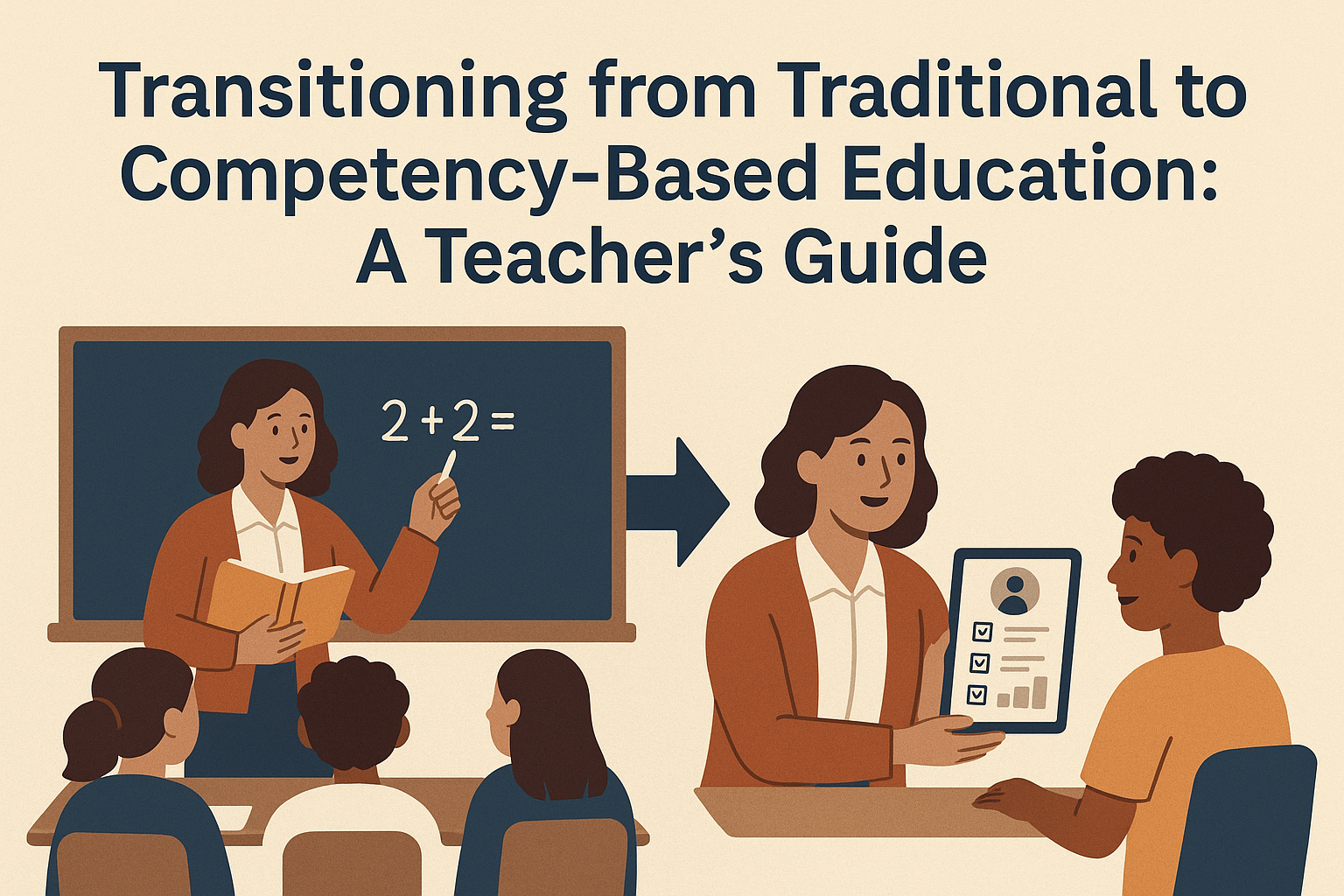
Competency-based education isn’t just a buzzword; it’s a robust framework that prioritizes what students know and can do rather than how long they’ve spent in a classroom. In traditional educational systems, students often progress at the same pace regardless of their mastery of the material. CBE flips this model on its head.
In CBE, learning is personalized and self-paced, allowing students to progress as soon as they demonstrate mastery of a subject or skill. This paradigm shift has roots in both cognitive science and neuroscience, focusing on how people learn and retain information. According to the Bill & Melinda Gates Foundation, schools implementing CBE have reported increased student engagement and improved learning outcomes.
The Need for Transition: Why Move to Competency-Based Education?
Why should educators consider making the switch? The answer lies in the changing demands of the workforce and the individual needs of students. Traditional education often fails to equip students with the skills necessary for today’s job market, where critical thinking, problem-solving, and adaptability reign supreme.
The U.S. Bureau of Labor Statistics indicates that 65% of jobs in the future will require postsecondary education and training. This aligns with the goals of competency-based education, which prepares students for real-world applications of knowledge and skills. Moreover, CBE caters to diverse learning styles and paces, making education more inclusive and accessible. In a world where information is abundant, it’s essential for students to learn how to apply what they know effectively.
Key Principles of Competency-Based Education
For educators ready to embrace CBE, it’s crucial to understand its foundational principles:
- Mastery Learning: This principle ensures that students achieve a deep understanding of content before moving on to more complex topics. The emphasis is on mastery, not just completion.
- Individualized Learning Paths: Education becomes tailored to each student’s needs, allowing them to progress at their own pace. This principle acknowledges that learning isn’t a one-size-fits-all process.
- Assessment as a Learning Tool: Assessments are designed not just to measure learning but to enhance it. Formative assessments play a crucial role in identifying areas of improvement and guiding instruction.
- Flexible Learning Environments: CBE encourages learning beyond the traditional classroom. Online platforms, community resources, and real-world experiences can all play a role in a student’s educational journey.
- Collaborative Learning: CBE fosters a community of learners where students can work together, share knowledge, and learn from one another.
These principles help define competency-based education while providing a framework for effective teaching and learning.
Steps for Transitioning to Competency-Based Education
Transitioning from traditional methods to competency-based education can be a daunting task, but with careful planning and execution, it is entirely achievable. Here’s a step-by-step approach for educators:
1. Identify Competencies
The first step in the transition involves defining the competencies students need to master. Collaborate with colleagues to create clear, measurable goals that align with standards and prepare students for future success. These competencies should be specific, observable, and relevant to the students’ futures.
2. Develop Assessment Methods
In CBE, assessments are crucial in determining whether students have achieved mastery. Develop varied assessment methods, including projects, presentations, and practical applications, to gauge understanding. Consider incorporating self-assessments and peer assessments to promote reflection and collaborative learning. (See: Competency-Based Education Overview.)
3. Create Individualized Learning Plans
With competencies and assessments in place, it’s time to focus on individual learning paths. Each student should have a personalized learning plan that outlines their goals, preferred learning strategies, and the resources they need. This fosters ownership of their education and encourages self-directed learning.
4. Utilize Technology
Technology plays a vital role in facilitating competency-based education. Online platforms, learning management systems (LMS), and educational software can help track progress, offer personalized resources, and provide timely feedback. Tools like Google Classroom or Moodle can streamline communication and resource sharing, making it easier for both teachers and students.
5. Foster a Supportive Culture
Transitioning to CBE requires a cultural shift within the classroom. It’s essential to create an environment that encourages risk-taking, resilience, and collaboration. Establishing a growth mindset among students can empower them to view challenges as opportunities for growth rather than obstacles.
6. Continual Reflection and Improvement
Finally, transitioning to competency-based education is an ongoing process. Regularly assess the effectiveness of your strategies and be open to feedback from students and colleagues. Adapting and evolving your approach ensures that you remain responsive to the needs of your students.
Challenges in Implementation and How to Overcome Them
While the benefits of competency-based education are compelling, the transition is not without challenges. Here are some common hurdles educators face when implementing CBE, along with strategies to address them:
Resistance to Change
Any change in educational practices can provoke resistance, whether from educators, students, or parents. To overcome this, communicate clearly about the benefits of CBE and involve all stakeholders in the transition process. Offer professional development opportunities to help educators feel more comfortable with the new model.
Resource Limitations
Implementing competency-based education may require additional resources, such as new technology or training programs. Schools can seek grants or partnerships with organizations that support educational innovation. Sharing resources and best practices with other educators can also alleviate budget constraints.
Assessment Alignment
Creating assessments that accurately reflect competencies can be a challenge. Collaborate with colleagues to design assessments that are varied and comprehensive. Regularly review and adjust assessments based on student performance and feedback to ensure they remain aligned with learning objectives.
Maintaining Engagement
In a competency-based model, students may feel overwhelmed by the freedom to progress at their own pace. Establish clear expectations and encourage students to set personal goals to maintain motivation. Regular check-ins and progress updates can also help keep students engaged.
Current Relevance and Future of Competency-Based Education
The relevance of competency-based education is particularly pronounced in today’s rapidly changing job market. Employers increasingly value skills and competencies over traditional credentials. A report from McKinsey & Company emphasizes that skills will matter more than degrees, highlighting the necessity for education systems to adapt. (See: Learning and Cognitive Science Insights.)
Furthermore, the COVID-19 pandemic has accelerated the adoption of flexible learning models, making CBE more pertinent than ever. Many institutions have recognized the need for adaptable, individualized learning environments that prioritize student mastery, paving the way for a broader implementation of CBE principles.
As we look to the future, the potential for competency-based education seems boundless. The integration of technology, advancements in educational research, and the increasing demand for skilled workers will continue pushing CBE into the mainstream. Educators willing to embrace this shift will not only better prepare their students for success but also contribute to a more equitable and effective education system.
Examples of Successful Competency-Based Education Implementation
Real-world examples can help clarify how competency-based education works in practice. One notable case is the Summit Public Schools, which has successfully integrated CBE into its curriculum. Students progress through personalized learning pathways and take ownership of their educational journeys while teachers provide active support and guidance. This model has shown positive outcomes, including higher graduation rates and improved college readiness.
Another example is Western Governors University, an entirely online university that exemplifies the CBE model. WGU allows students to progress through degree programs at their own pace, based on their mastery of content rather than time spent in class. This flexibility has attracted many non-traditional students who appreciate the ability to balance education with work and family commitments.
Statistics Supporting Competency-Based Education
Numerous studies highlight the effectiveness of competency-based education. For instance, a study from the American Youth Policy Forum found that schools implementing CBE saw an increase in student engagement by 25%. Additionally, a report by Education Commission of the States noted that CBE has resulted in a 30% increase in student retention rates. These statistics underscore the potential benefits of CBE in enhancing student learning and achieving educational equity.
Frequently Asked Questions (FAQ)
What is competency-based education?
Competency-based education (CBE) is an instructional approach that allows students to progress through their education based on their mastery of skills and knowledge, rather than the amount of time spent in a classroom.
How does CBE differ from traditional education?
Traditional education often focuses on seat time and standardized testing, while CBE emphasizes personalized learning paths and mastery of specific competencies, allowing students to move at their own pace.
What are the benefits of competency-based education?
The benefits include enhanced student engagement, personalized learning experiences, improved retention rates, and better preparation for the workforce, as students learn the skills and knowledge needed to succeed in real-world settings.
How can educators assess student competencies?
Educators can use a variety of assessment methods, such as projects, presentations, portfolios, self-assessments, and peer assessments, to determine whether students have demonstrated mastery of the competencies being taught.
Is competency-based education suitable for all students?
CBE can be beneficial for many students, especially those who need a more personalized learning approach. However, it may not suit every student’s learning style. It’s essential to consider individual needs and preferences when implementing CBE.
The Role of Stakeholders in Competency-Based Education
It’s important to recognize that the transition to competency-based education involves various stakeholders beyond just teachers. Parents, administrators, and community members play crucial roles in supporting this educational model. Parents can help reinforce the values of CBE at home by encouraging self-directed learning and instilling the importance of mastery in their children. Schools should provide resources to educate parents about the principles and benefits of CBE, fostering a supportive environment.
Administrators are essential in creating policies that support CBE implementation. They can allocate resources, provide professional development, and help establish partnerships with organizations that specialize in CBE practices. Furthermore, community stakeholders, such as local businesses, can contribute by offering real-world learning opportunities or internships, further enriching the CBE experience.
Future Trends in Competency-Based Education
As competency-based education continues to evolve, several trends are beginning to emerge. One such trend is the increased integration of artificial intelligence (AI) and data analytics into education. These technologies can provide personalized learning experiences based on individual student data, tailoring instruction to meet their unique needs and pacing.
Another trend is the growing emphasis on social and emotional learning (SEL) within CBE frameworks. Recognizing that emotional intelligence and interpersonal skills are vital in the workforce, educators are now focusing on developing these competencies alongside traditional academic skills.
Finally, there is a movement toward micro-credentialing, where students earn smaller, specific qualifications that demonstrate mastery of particular skills. This trend aligns with the CBE philosophy and provides students with tangible evidence of their capabilities, enhancing their employability and skill recognition in a competitive job market.
Transitioning to Competency-Based Education: Final Thoughts
Transitioning to competency-based education is more than just a trend; it’s a response to the evolving needs of students and society. By understanding its principles and implementing effective strategies, educators can pave the way for a more meaningful and impactful learning experience.
“`
Trending Now
Frequently Asked Questions
What is competency-based education?
Competency-based education (CBE) is an educational framework that prioritizes students' mastery of skills and knowledge over time spent in class. In CBE, students progress at their own pace, advancing as soon as they demonstrate understanding, which promotes personalized learning and enhances engagement.
Why should teachers transition to competency-based education?
Teachers should consider transitioning to competency-based education due to its focus on equipping students with essential skills for the modern workforce, such as critical thinking and problem-solving. CBE addresses diverse learning needs and prepares students for real-world applications, aligning with the demands of future job markets.
How does competency-based education improve student outcomes?
Competency-based education improves student outcomes by allowing personalized and self-paced learning. Research indicates that schools adopting CBE report increased student engagement and better mastery of material, which leads to more effective learning experiences compared to traditional education models.
What are the key principles of competency-based education?
Key principles of competency-based education include personalized learning, mastery of skills, self-paced progression, and a focus on real-world application. CBE emphasizes what students know and can do, rather than simply accumulating grades, fostering a deeper understanding of the material.
What challenges might educators face when implementing competency-based education?
Educators may face several challenges when implementing competency-based education, including resistance to change, the need for professional development, and the requirement for new assessment methods. Additionally, ensuring that all students have access to resources for self-paced learning can be a significant hurdle.
What’s your take on this? Share your thoughts in the comments below — we read every one.