

“`html
As children transition into the world of kindergarten, a fascinating and often misunderstood aspect of their social development comes into play: parallel play. This type of social interaction involves children playing side-by-side without direct interaction, and while many view it as a normal stage in development, it’s essential to understand when this behavior might signal a deeper concern. In this article, we will explore parallel play in kindergarten, its significance, the stages of play development, and how to recognize when to seek guidance.
What Is Parallel Play?
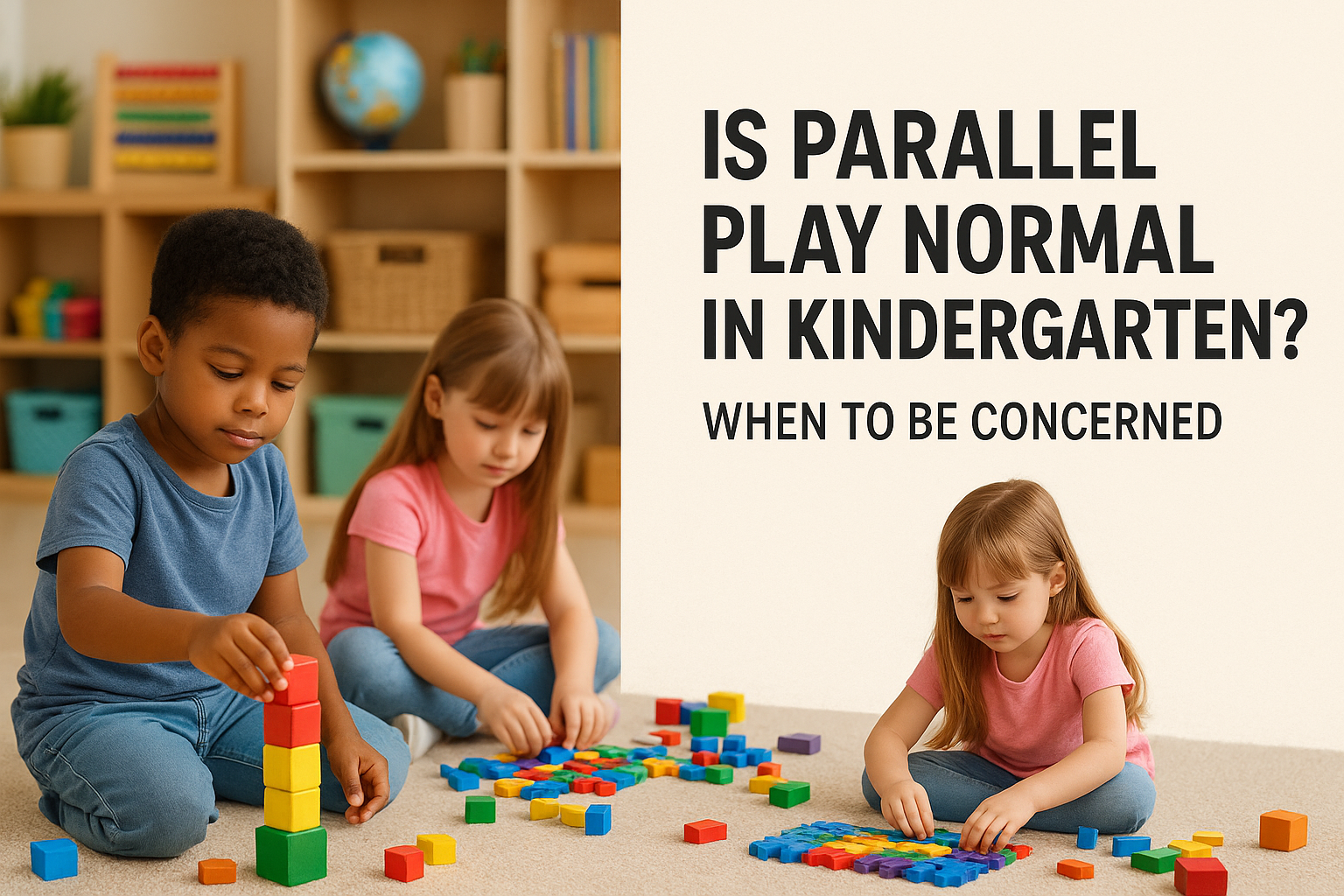
Parallel play is a term coined by developmental psychologist Mildred Parten in the 1930s. It describes a stage of play where children engage in similar activities without interacting with one another. For instance, two kids may be building with blocks or drawing, but they do so independently, not collaborating or communicating about their tasks.
This social behavior typically emerges in toddlers, around the age of 2-3, and continues to be observed in kindergarten-aged children. While it may seem like a lack of social skills, parallel play is quite normal and serves as an important developmental milestone.
The Importance of Parallel Play in Childhood Development
Parallel play allows children to understand the concept of sharing space and resources without requiring direct interaction. During this stage, they observe their peers, which can lead to learning essential social cues and skills. Here are a few critical benefits:
- Encourages independence: Children learn to engage in activities on their own, which boosts their self-esteem and decision-making skills.
- Enhances observational learning: Even without direct communication, kids absorb social cues and behaviors from their peers, laying the groundwork for future interactions.
- Fosters creativity: Engaging in parallel play can spark imaginative play, as children build upon their ideas while observing others.
This stage of play is particularly common in kindergarten settings, where children are still developing their social skills. Being immersed in a classroom filled with peers offers multiple opportunities for parallel play.
When Does Parallel Play Become a Concern?
While parallel play in kindergarten is typically a healthy aspect of development, there are instances when it may raise red flags. Here are some signs to watch for:
- Persistent isolation: If a child consistently prefers to play alone even when other children are available for interaction, it could indicate social anxiety or difficulties in making connections.
- Lack of interest in peers: A child who shows no interest in observing or engaging with others might be struggling with social skills or emotional regulation.
- Difficulty transitioning to interactive play: Children usually move from parallel to associative or cooperative play naturally. If a child remains stuck in parallel play well beyond the typical age, it may warrant further investigation.
- Behavioral issues: Signs of aggression, withdrawal, or extreme shyness can also signal underlying issues that need to be addressed.
If you notice any of these signs, it may be beneficial to consult with educators or a child psychologist to determine if further evaluation is needed.
How Parents Can Support Social Development
As a parent, you play a vital role in fostering your child’s social skills. Here are some strategies to encourage healthy social development, particularly as it relates to parallel play in kindergarten: (See: Understanding play in psychology.)
- Facilitate playdates: Organizing playdates can create low-pressure environments for children to practice social interactions.
- Model social behavior: Demonstrate how to share, take turns, and communicate effectively with others. Children learn by observing, so be conscious of how you interact with peers and family.
- Encourage group activities: Enroll your child in group classes or sports that promote teamwork and collaboration.
- Be patient: Each child develops social skills at their own pace. Celebrate small milestones and be supportive during challenging moments.
These strategies not only nurture your child’s social skills but also help them feel more comfortable and confident in their interactions.
Understanding Different Stages of Play
To fully grasp where parallel play in kindergarten fits into child development, it’s helpful to understand the stages of play as defined by Parten:
- Solitary Play: Common in toddlers, this stage involves children playing alone. They may be unaware of other children in their environment.
- Parallel Play: As mentioned earlier, children play alongside each other but do not engage directly. This is typical in preschool and kindergarten.
- Associative Play: Children start to interact with one another while still engaging in independent activities. They may share materials but don’t necessarily work together.
- Cooperative Play: In this stage, children play together towards a shared goal, engaging in more complex social interactions.
Understanding these stages helps parents and educators recognize where a child is in their social development and what to anticipate next.
How Educators Can Foster Positive Social Interaction
Educators play an essential role in facilitating social development among kindergarteners. Here are some effective strategies:
- Create a welcoming environment: Ensure that the classroom setting is inclusive and encourages interactions among children.
- Incorporate group activities: Use team-building exercises and collaborative projects to encourage cooperative play.
- Monitor interactions: Pay attention to how students interact during playtime, and step in when necessary to guide social behavior.
- Provide support: For children who are hesitant to engage, teachers can offer encouragement or structured activities that promote interaction.
By actively fostering an environment that encourages various types of play, educators can help children navigate their social development effectively.
The Role of Parents and Educators in Collaboration
The partnership between parents and educators is crucial in supporting a child’s social development. Regular communication can help identify any concerns regarding parallel play. For instance, if a teacher notes a child often plays alone, they can work together with parents to create strategies that promote social interaction.
Parents can also share insights about their child’s behavior at home, helping educators to tailor their approaches to individual needs. This collaborative effort ensures a holistic approach to the child’s development.
Real-Life Examples of Parallel Play in Kindergarten
Observing parallel play in action can provide valuable insights into its role in social development. For example, during a typical kindergarten class, you might see two children sitting at a table with crayons and paper. One child is drawing a dinosaur, while the other is creating a rainbow. Although they are not interacting directly, they might glance at each other’s artwork, showing curiosity and taking inspiration from one another. This nonverbal exchange is vital for developing social skills. (See: Child development and learning.)
Additionally, consider a scenario where children are engaged in building blocks. One child may be stacking blocks to create a tall tower, while another is constructing a wall nearby. Although they do not collaborate, they might share materials or occasionally comment on each other’s structures. These moments of parallel play build the foundation for future cooperative play, where children might team up to create a shared project.
Statistics on Social Development Through Play
Research highlights the significant impact of play on social development. A 2018 study published in the journal “Child Development” found that children who engaged in more parallel play exhibited better social skills and emotional understanding by the time they reached elementary school. The study noted that about 70% of children who frequently participated in parallel play transitioned to cooperative play more effectively than those who did not.
Another survey conducted by the American Academy of Pediatrics in 2021 indicated that 85% of kindergarten teachers observed parallel play as a common behavior in their classrooms. Furthermore, they reported that children engaged in parallel play showed improved peer relationships and communication skills as they progressed through the school year. This builds on importance of fine motor skills.
Common Misconceptions About Parallel Play
Many misconceptions surround parallel play, often leading parents to worry unnecessarily. One common belief is that children who engage in parallel play are antisocial. In reality, this behavior is a normal developmental phase that allows kids to learn social norms at their own pace. For instance, a child may appear disinterested in playing with others but is actually observing and learning how to interact before fully engaging.
Another misconception is that parallel play indicates a lack of friendships. However, many children who exhibit parallel play develop strong friendships later on. It’s essential to recognize that this phase is a stepping stone rather than a final destination in a child’s social journey.
FAQ About Parallel Play in Kindergarten
What age does parallel play typically begin?
Parallel play usually begins around the age of 2-3 and can continue into the kindergarten years. It’s a normal stage of development as children learn to interact with peers.
How can I encourage my child to transition from parallel play to cooperative play?
Engaging your child in group activities, such as team sports or collaborative art projects, can help them practice interacting with others. Playdates can also provide opportunities for children to learn to share and cooperate.
Is it normal for my child to prefer parallel play over other types of play?
Yes, it’s common for children to prefer parallel play at certain developmental stages. As long as they are gradually progressing towards more interactive play, it’s generally not a cause for concern.
What should I do if my child seems stuck in parallel play?
If you’re concerned that your child is not making progress towards interactive play, consider talking to their teacher or a child psychologist. They can provide insights and strategies tailored to your child’s needs.
Tips for Observing and Supporting Parallel Play
When observing your child during play, look for signs of engagement and interest, even if they are not playing directly with others. Here are a few tips to help you support your child’s parallel play:
- Encourage exploration: Provide a variety of materials and toys that allow for both independent and collaborative play. This helps children find their interests and encourages them to share those interests with peers.
- Set up play scenarios: Create opportunities for parallel play at home or in communal settings where your child can observe and eventually interact with others. For example, set up a picnic with other children where each child brings their own food, sparking curiosity and conversation.
- Discuss feelings and experiences: After playdates or group activities, talk to your child about how they felt during play. What did they enjoy? Did they notice anything interesting about their friends’ play styles?
The Benefits of Parallel Play for Older Children
While parallel play is often associated with younger children, it has benefits for older kids as well. Even children in the early elementary years can engage in parallel play when appropriate. For instance, during art classes or science experiments, students may work independently on similar projects, sparking ideas and inspiration without the pressure to collaborate. This can foster creativity and allow them to develop their unique styles and preferences.
Conclusion: Navigating Parallel Play in Kindergarten
Ultimately, parallel play is a normal part of early childhood development, particularly in kindergarten. Understanding its significance helps parents and educators support children as they develop social skills necessary for future interactions. While it’s essential to recognize when parallel play may indicate deeper concerns, fostering a nurturing environment, encouraging social interactions, and maintaining open communication between parents and educators can ensure children thrive socially and emotionally.
By focusing on these strategies, you’ll be equipping your child with the skills they need to transition from parallel play into more interactive forms of play, setting the foundation for successful social relationships in the years to come.
“`
Trending Now
Frequently Asked Questions
What is parallel play in kindergarten?
Parallel play is a type of social interaction where children play alongside each other without direct interaction. This behavior is typical in kindergarten and allows children to engage in similar activities while developing their independence and observational skills.
Is parallel play a sign of developmental issues?
No, parallel play is a normal stage of development, especially in young children. It indicates that a child is learning to share space and observe peers, which are important skills for future social interactions. However, if a child consistently avoids interaction, it may warrant further assessment. There’s a fuller look at skills over academics.
At what age does parallel play typically occur?
Parallel play typically emerges in toddlers around the age of 2-3 and continues to be observed in kindergarten-aged children. It is a natural part of their social development as they learn to engage with others.
What are the benefits of parallel play?
Parallel play encourages independence, enhances observational learning, and fosters creativity. Children learn to engage in activities on their own, absorb social cues from peers, and ignite imaginative play through observation.
When should parents be concerned about parallel play?
Parents should be concerned if their child consistently avoids interaction with peers and shows limited interest in engaging socially. While parallel play is normal, a lack of progression towards cooperative play may suggest a need for further evaluation.
What’s your take on this? Share your thoughts in the comments below — we read every one.



