

“`html
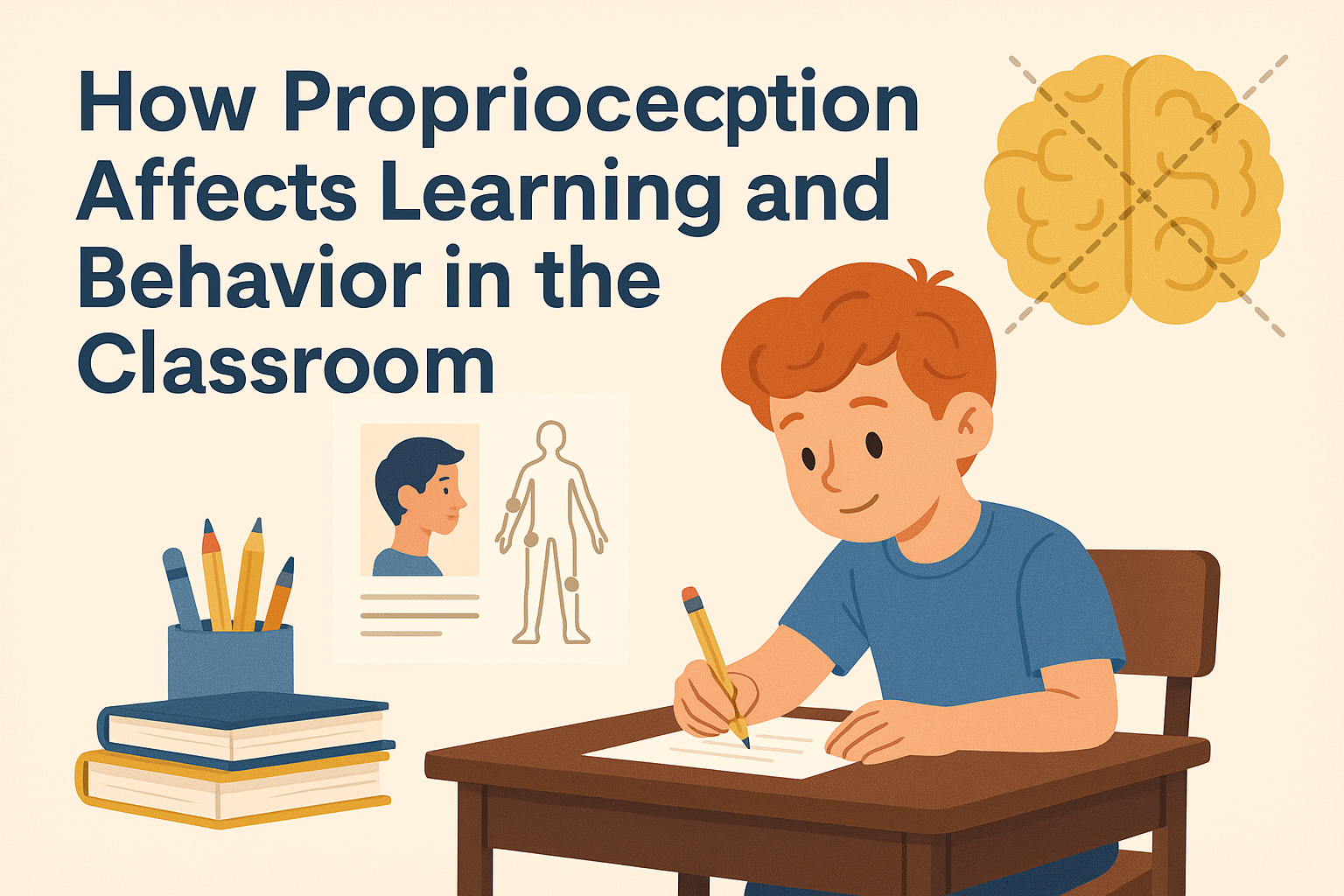
Proprioception, often termed the “sixth sense,” plays a crucial role in how we perceive our body’s position and movement in space. It affects our motor skills, coordination, and even our emotional state. However, what many may not realize is that proprioception profoundly influences learning and behavior in educational settings. In this article, we’ll explore the importance of proprioception in education, how it shapes classroom experiences, and practical insights on harnessing it for better educational outcomes.
Understanding Proprioception
Before delving into its implications for education, it’s essential to grasp what proprioception is. This sensory feedback mechanism relies on specialized receptors located in muscles, tendons, and joints. These receptors send information to the brain regarding body position and movement, which helps us navigate our environment effectively.
Proprioception is often developed through various physical activities. For children, this might mean climbing, jumping, or playing sports. As they engage in such activities, they enhance their proprioceptive abilities, which support overall development — including cognitive functions. This development has profound implications for learning in the classroom.
The Link Between Proprioception and Learning
Research shows a strong correlation between proprioception and cognitive functions. When children actively engage in proprioceptive activities, they’re not only improving their physical skills but also their ability to concentrate and process information. Here’s how proprioception influences learning:
- Focus and Attention: A well-developed sense of body awareness can lead to improved focus. Children who engage in proprioceptive activities often show better attention spans and are more capable of concentrating on classroom tasks.
- Emotional Regulation: Proprioceptive input helps children feel more grounded and secure in their bodies. This sense of stability can lead to better emotional regulation, reducing anxiety and stress levels in high-pressure learning environments.
- Cognitive Processing: Proprioception aids in the integration of sensory information, allowing for improved processing of learning material. As children move and explore, they create stronger neural connections that enhance their understanding of abstract concepts.
Behavioral Implications
Proprioception doesn’t just impact learning; it also significantly affects behavior in the classroom. Children who struggle with proprioception may exhibit difficulties in various areas:
- Impulsivity: Without a clear sense of their body’s position, children may act impulsively. This can manifest as fidgeting, excessive movement, or even disruptive behavior, which can hinder both their learning and that of their peers.
- Social Interactions: Proprioceptive challenges can impact a child’s ability to engage in cooperative play. Difficulty in understanding personal space or the body language of others can lead to social awkwardness or isolation.
- Physical Coordination: A lack of proprioceptive awareness can affect motor skills, making daily activities — like writing or participating in sports — more challenging. This can lead to frustration and low self-esteem.
Implementing Proprioceptive Activities in the Classroom
Understanding the importance of proprioception in education is just the beginning. The next step involves practical strategies to incorporate proprioceptive activities into the classroom. Here are several methods educators can adopt: There’s a fuller look at multisensory learning insights.
- Movement Breaks: Regularly scheduled movement breaks can help students reset their bodies and minds. Activities like stretching, jumping jacks, or even yoga can improve proprioceptive input.
- Incorporating Sensory Tools: Tools like balance boards, fidget spinners, or resistance bands can provide proprioceptive feedback during seated activities, helping students focus while keeping their bodies engaged.
- Outdoor Learning: Taking lessons outside allows children to explore their environment, providing rich proprioceptive input through natural movements like running, climbing, or jumping.
- Structured Play: Organizing play activities that focus on body movements—like obstacle courses or team sports—can enhance proprioceptive development while fostering teamwork and cooperation.
Case Studies: Success Stories of Proprioception in Education
Several schools have begun to recognize the benefits of integrating proprioception into their curricula. One noteworthy example comes from a school in Ontario, where teachers implemented movement-based activities in their daily lessons. The results were astounding:
- Students exhibited improved focus and reduced instances of disruptive behavior, fostering a more conducive learning environment.
- Teachers reported a noticeable enhancement in students’ ability to retain information, particularly in subjects that required critical thinking.
- Overall, the school’s atmosphere became more positive, with students showing increased enthusiasm for learning.
This case illustrates that a focus on proprioception doesn’t just make learning more effective; it can also transform the overall classroom culture. (See: Proprioception and its impact on learning.)
Expert Perspectives on Proprioception in Education
Experts in child development and education increasingly emphasize the role of proprioception. Dr. Caroline Leaf, a cognitive neuroscientist, highlights that “movement is the foundation of cognitive functioning.” She argues that educational frameworks must prioritize physical activity to enhance learning processes.
Dr. Temple Grandin, a renowned animal scientist and autism advocate, has also spoken about how proprioceptive activities can benefit children with sensory processing disorders. She advocates for the integration of movement into the classroom, noting that it helps children feel more secure and aware of their surroundings.
These expert opinions highlight a growing consensus: proprioception is not just an accessory to learning; it’s a vital component of educational success.
Innovative Proprioceptive Approaches in Different Educational Models
As schools look for new ways to enhance learning experiences, various educational models are incorporating proprioception in innovative ways. For example, Montessori and Waldorf schools emphasize movement and hands-on activities, which naturally integrate proprioceptive development. These methods provide children with opportunities to explore and learn through physical engagement, ultimately enhancing their cognitive abilities.
In Finland, where the education system is highly regarded, students experience frequent breaks that include physical activity. This emphasis on movement is believed to contribute to their high academic performance, suggesting that integrating proprioception into the educational framework can yield substantial benefits.
Statistics on Proprioception and Educational Outcomes
Several studies demonstrate the quantitative benefits of incorporating proprioceptive activities into educational settings. For instance, a study published in the “Journal of Occupational Therapy” found that children who participated in structured proprioceptive activities showed a 30% improvement in attention span over a six-month period compared to those who did not engage in such activities. Additionally, a survey conducted among teachers reported that 80% noticed a direct correlation between movement activities and improved classroom behavior.
These statistics underscore the importance of proprioception in fostering not only better learning outcomes but also a healthier classroom environment.
Exploring Proprioception Through Technology
With advancements in technology, there are now innovative tools designed to enhance proprioceptive learning. Virtual reality (VR) and augmented reality (AR) are making their way into educational settings, providing immersive experiences that encourage physical interaction. For instance, VR applications that simulate environments where children need to navigate obstacles can boost their spatial awareness and proprioceptive skills. (See: Understanding proprioception in development.)
Additionally, wearable technology that tracks physical activity can motivate students to engage in more movement throughout the day, making them more aware of their bodies and surroundings. Such technology not only enhances the learning experience but can also provide educators with valuable data on student engagement and physical development.
Integrating Proprioception in Special Education
For students with special needs, proprioception can be even more crucial. Many children with disabilities, such as autism spectrum disorder (ASD) or sensory processing disorders, may have heightened challenges with proprioceptive input. Implementing targeted proprioceptive activities can help these students feel more comfortable in their bodies, leading to better engagement in classroom activities.
Occupational therapists often work alongside educators to develop individualized strategies that incorporate proprioception into daily routines, helping these children improve their motor skills and social interactions. By recognizing the unique needs of each student, educators can create a more inclusive environment that supports diverse learning styles.
FAQ: Proprioception in Education
What is proprioception?
Proprioception is the body’s ability to sense its position and movement, relying on sensory receptors in muscles, tendons, and joints. This sense is crucial for coordinating movement and understanding one’s body in space.
How can proprioception affect a child’s learning experience?
Proprioception can enhance focus, emotional regulation, and cognitive processing in children. When children engage in proprioceptive activities, they often demonstrate improved attention spans and better retention of information.
What types of activities can improve proprioception in the classroom?
Activities such as movement breaks, outdoor learning, structured play, and the use of sensory tools like balance boards can significantly enhance proprioceptive awareness in students.
Are there specific age groups that benefit more from proprioceptive activities?
While all children benefit from proprioceptive activities, younger children—especially those in early childhood education—may experience the most significant gains as they are still developing their motor skills and body awareness.
How can parents support proprioceptive development at home?
Parents can encourage proprioceptive development through playful activities such as climbing, jumping, or even simple chores that require physical engagement. Integrating movement into daily routines can help reinforce these skills. ways to inspire students offers useful background here.
Can proprioception be improved with consistent practice?
Absolutely! Just like any other skill, proprioception can be enhanced through regular practice. Engaging in activities that challenge balance, coordination, and body awareness will strengthen proprioceptive abilities over time.
Is there a connection between proprioception and physical education?
Yes, there is a strong connection. Physical education programs that include proprioceptive activities—such as gymnastics, dance, and team sports—can significantly enhance students’ overall proprioceptive awareness and motor skills, benefiting their academic performance.
Conclusion: The Future of Proprioception in Education
As we move forward in the field of education, the significance of proprioception cannot be overstated. The understanding that body awareness influences learning and behavior opens new avenues for teaching methodologies. Schools that embrace proprioception in education not only enhance cognitive function but also foster emotional well-being and social skills.
For educators, health professionals, and parents alike, the goal should be clear: promote activities that encourage proprioceptive awareness. Doing so will not only benefit individual students but also create a more inclusive and effective learning environment for all. As we continue to uncover the intricacies of how proprioception shapes learning, it’s crucial that we actively implement these insights into educational practices.
“`
Trending Now
Frequently Asked Questions
What is proprioception and why is it important?
Proprioception, often called the 'sixth sense,' is the body's ability to perceive its position and movement in space. It is crucial for motor skills, coordination, and emotional regulation, significantly influencing how individuals learn and behave, especially in educational settings.
How does proprioception affect learning in children?
Proprioception enhances learning by improving focus and attention. Children who engage in proprioceptive activities tend to have better concentration and processing abilities, which can lead to more effective learning experiences in the classroom.
What activities improve proprioception in children?
Activities such as climbing, jumping, and playing sports can enhance proprioception in children. These physical activities help develop body awareness and motor skills, which are essential for overall cognitive development and learning.
Can proprioception influence emotional regulation in students?
Yes, proprioception can significantly influence emotional regulation. A well-developed sense of body awareness helps children feel grounded and secure, leading to better emotional stability and response in classroom settings.
What role does proprioception play in classroom behavior?
Proprioception plays a vital role in classroom behavior by promoting focus, attention, and emotional regulation. Children with strong proprioceptive skills are often more engaged and better equipped to handle classroom tasks and challenges.
What’s your take on this? Share your thoughts in the comments below — we read every one.



