

“`html
Attention Deficit Hyperactivity Disorder (ADHD) and sensory processing issues can significantly hinder a student’s ability to thrive in a classroom environment. Understanding the unique needs of these students is crucial for educators and parents alike. One such approach gaining traction is the use of proprioceptive input technology for ADHD. By examining how proprioceptive input works and its relevance for students with ADHD, we can better equip ourselves to facilitate positive learning experiences.
Understanding Proprioception: The Basics
Before diving into the intersection of proprioceptive input and ADHD, it’s vital to grasp what proprioception actually is. This sensory system provides information about body position and movement, allowing individuals to understand where their body is in space. It plays a critical role in coordination, balance, and overall motor control.
For many students, especially those diagnosed with ADHD, proprioception can be a crucial part of their sensory processing system. They might struggle with body awareness, which can manifest in difficulties with coordination or a tendency to fidget. This lack of awareness can lead to disruptive behaviors as they seek external stimuli to ground themselves.
The Role of Proprioceptive Input Technology in Education
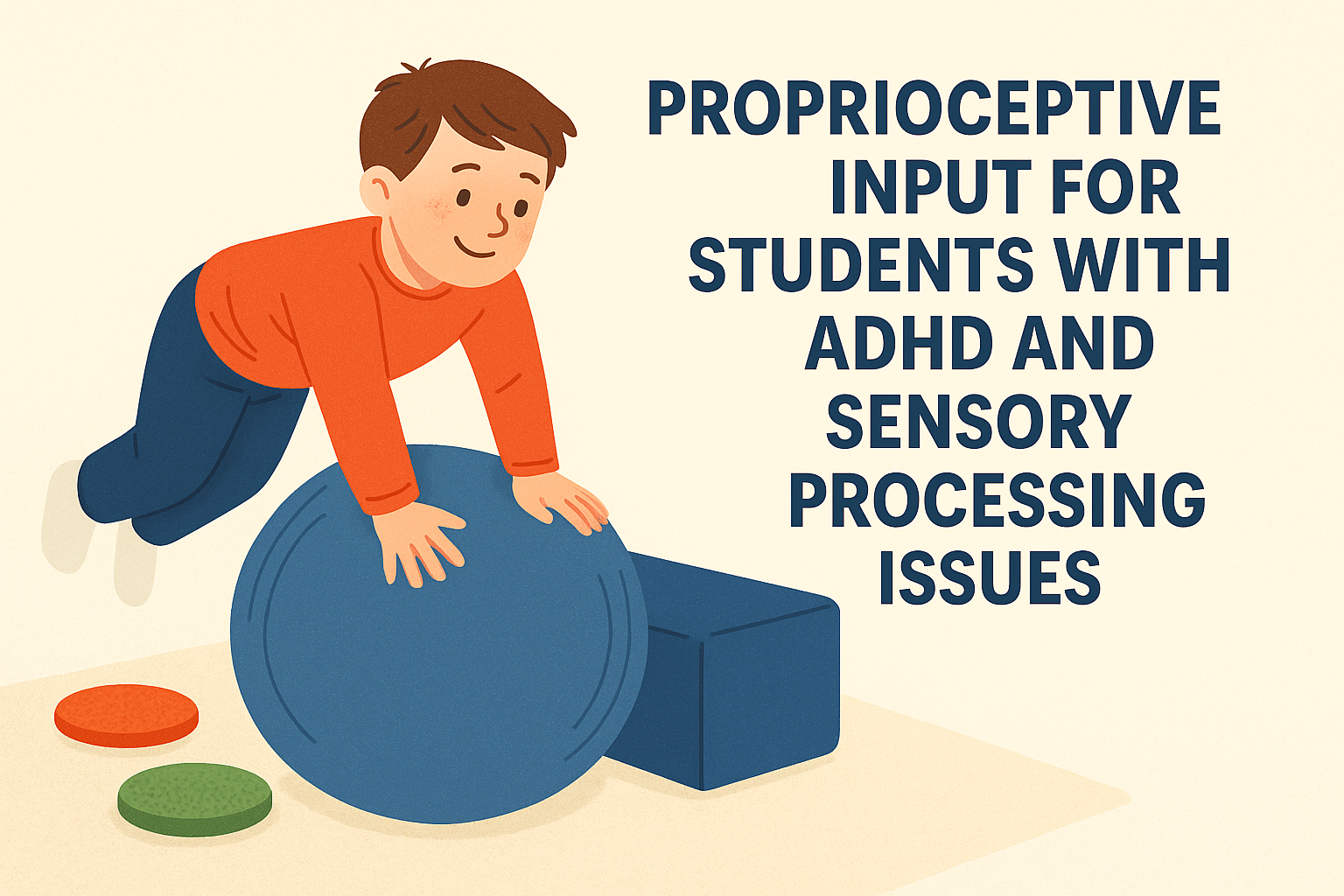
Proprioceptive input technology for ADHD includes various tools and strategies designed to enhance body awareness and improve focus. These tools can range from weighted vests and blankets to specialized seating options and movement-based activities. The idea is to provide sensory feedback that helps students regulate their attention and behavior.
For example, a weighted vest can give gentle pressure to the body, promoting a sense of calm and security. Many educators have observed that students wearing these vests tend to focus better during lessons, as the proprioceptive input allows them to feel more grounded. Similarly, fidget tools and seating balls can engage students physically, facilitating better concentration.
Current Evidence Supporting Proprioceptive Input
Research into proprioceptive input technology and its impact on ADHD is ongoing, but existing studies provide a promising outlook. A 2020 study published in the Journal of Attention Disorders indicated that children with ADHD showed improved focus and reduced hyperactivity when participating in proprioceptive activities. The study highlighted that incorporating movement breaks throughout the school day can significantly benefit students’ ability to concentrate.
Moreover, a meta-analysis in 2021 found that proprioceptive strategies can lead to measurable improvements in academic performance among students with ADHD. The researchers concluded that the positive effects observed were not merely anecdotal; instead, they indicated a strong correlation between proprioceptive input and enhanced cognitive functioning.
Practical Applications of Proprioceptive Input Technology
Implementing proprioceptive input technology in the classroom doesn’t have to be complicated. Here are several practical strategies that educators can easily adopt: (See: CDC guidelines on ADHD.)
- Movement Breaks: Schedule regular breaks where students can engage in physical activities such as jumping jacks, stretching, or even simple yoga poses. These breaks help refresh their focus and promote better learning retention.
- Weighted Tools: Use weighted lap pads or blankets during lessons for students who seek sensory input. These provide a calming effect, making it easier for them to concentrate.
- Flexible Seating Options: Incorporate balance balls, wobble stools, or standing desks into the classroom. These allow students to move while working, catering to their needs for sensory stimulation.
- Fidget Tools: Offer items like stress balls, fidget spinners, or tactile therapy toys. While these may seem distracting to some, they can actually help improve concentration for others.
These strategies can create an accommodating learning environment that meets the sensory needs of students with ADHD.
Challenges and Considerations
Despite the potential benefits, it’s essential to recognize the challenges associated with adopting proprioceptive input technology for ADHD in educational settings. One major consideration is the individualized nature of ADHD; what works for one student may not be effective for another. Therefore, it’s crucial to implement these strategies flexibly, tailoring them to each student’s unique needs.
Additionally, there may be resistance from staff or parents who are unfamiliar with the benefits of proprioceptive input technology. Clear communication and education about these tools can help build support among all stakeholders. Engaging parents in the conversation can foster a collaborative approach, where techniques used at school can also be reinforced at home.
Success Stories and Testimonials
Many educators have shared success stories regarding the implementation of proprioceptive input technology for ADHD. For instance, a third-grade teacher in California reported that after introducing flexible seating options, one of her students—previously unable to sit still—began to show remarkable improvement in his focus and academic performance. This student, who struggled with traditional seating, thrived when given the option to use a wobble stool. His newfound ability to concentrate allowed him to participate more fully in class discussions and complete assignments on time.
Another compelling story comes from an occupational therapist who worked with a group of middle school students diagnosed with ADHD. By integrating proprioceptive activities such as yoga and meditation into their daily routine, the students exhibited decreased anxiety and improved emotional regulation. The therapist noted that students who once struggled to maintain control during lessons were now more engaged and less disruptive.
The Future of Proprioceptive Input Technology in Education
The incorporation of proprioceptive input technology for ADHD is still in its early stages, but as awareness and research grow, so does the potential for its application in schools. With increasing emphasis on inclusive education, the demand for sensory-based strategies will likely continue to rise. Schools may soon find themselves investing in more innovative technologies that specifically target sensory processing needs.
Looking ahead, collaboration between educators, occupational therapists, and researchers will be crucial in developing effective programs. This partnership can result in a wealth of resources that empower teachers to create sensory-friendly classrooms. Furthermore, technology companies are beginning to develop targeted tools that leverage proprioceptive input in innovative ways, paving the way for exciting developments in educational methodologies.
Common Myths About Proprioceptive Input Technology
As with any new approach in education, there are several myths surrounding proprioceptive input technology. Clearing these misconceptions can facilitate better understanding and acceptance among educators and parents alike. There’s a fuller look at support for special education.
- Myth 1: Proprioceptive input tools are just distractions.
- Myth 2: Proprioceptive input technology is only for students with ADHD.
- Myth 3: Using these tools means lowering academic expectations.
While some tools may appear distracting, they actually serve to enhance concentration by providing necessary sensory input. For many students, these tools help regulate their bodies and minds, allowing them to focus better.
This technology can benefit a variety of students who experience sensory processing challenges, including those with autism, sensory integration disorder, and anxiety issues. (See: NIH ADHD information page.)
Incorporating proprioceptive input tools is not about reducing expectations; it’s about creating an environment where students can meet and exceed those expectations by being in a state conducive to learning.
Statistics on ADHD and Sensory Needs
Understanding the broader context of ADHD and sensory needs can provide valuable insights into the importance of proprioceptive input technology. According to the CDC, approximately 6.1 million children in the United States have been diagnosed with ADHD. Among these children, research shows that nearly 30% also experience sensory processing difficulties.
Furthermore, a study conducted by the Sensory Processing Disorder Foundation revealed that children with sensory processing issues often experience heightened anxiety and difficulty in social interactions. This makes it crucial to address their sensory needs, as failure to do so can lead to further challenges in academic settings and beyond.
Expert Perspectives on Proprioceptive Input Technology
Many professionals in the fields of psychology, education, and occupational therapy advocate for the use of proprioceptive input technology for ADHD. Dr. Sarah Miller, an occupational therapist specializing in sensory processing, states, “Proprioceptive input is a necessary element in a child’s development. When applied correctly, it can transform a child’s learning experience, allowing them to access their full potential.”
Educational psychologist Dr. John Carter emphasizes the importance of a multi-sensory approach: “By catering to diverse sensory needs, we create an inclusive environment that can help all students, particularly those with ADHD, to flourish. Proprioceptive input is not just a therapy; it’s a pathway to engagement.”
FAQ: Frequently Asked Questions About Proprioceptive Input Technology and ADHD
1. What are some common proprioceptive input tools?
Common tools include weighted blankets, vests, therapy balls, fidget spinners, and textured therapy toys. These can help provide the necessary sensory input that students need to focus and engage.
2. How can parents support the use of proprioceptive input technology at home?
Parents can create a sensory-friendly environment by providing similar tools at home, such as quiet areas for movement breaks and opportunities for physical activity. They can also communicate with teachers to ensure consistency in approach.
3. Can proprioceptive input technology help with other behavioral issues?
Yes, many students who struggle with anxiety, autism, and other behavioral challenges can benefit from proprioceptive input, as it helps regulate their sensory systems and enhances focus. Related reading: inspiring educational leadership tips.
4. Is there a risk of over-reliance on these tools?
While proprioceptive tools can be incredibly beneficial, it’s essential to use them strategically and in combination with other teaching methods. Balance is key to ensure that students develop self-regulation skills without becoming reliant solely on sensory tools.
5. What training do teachers need to implement proprioceptive input technology effectively?
Teachers should receive training focused on sensory processing disorders and the specific needs of students with ADHD. Understanding how to incorporate proprioceptive input strategies and tools into their teaching can make a significant difference in their effectiveness.
6. Are there any specific proprioceptive activities that teachers can use in the classroom?
Activities like animal walks, wall pushes, or tire flipping can be integrated into lessons. Even simple stretches or using resistance bands during lessons can provide the sensory input students need to stay engaged.
Conclusion: Embracing Proprioceptive Input for Better Learning Outcomes
As we embrace the potential of proprioceptive input technology for ADHD, it’s clear that a multifaceted approach is necessary. By recognizing the unique sensory needs of students, educators can create an environment that promotes engagement and academic success. The positive outcomes seen in various case studies and research highlight the promise of this approach.
Ultimately, the goal is to arm our students with the tools they need to focus, learn, and navigate their educational journey. Proprioceptive input technology provides a fascinating avenue for achieving that goal, offering a pathway for those with ADHD to thrive in the classroom.
“`
Trending Now
Frequently Asked Questions
What is proprioceptive input in relation to ADHD?
Proprioceptive input refers to the sensory feedback that helps individuals understand their body position and movement. For students with ADHD, this input can enhance body awareness, improve coordination, and reduce fidgeting, ultimately aiding their focus and behavior in the classroom.
How can proprioceptive input help students with sensory processing issues?
Proprioceptive input can assist students with sensory processing issues by providing sensory feedback that helps them regulate their attention and behavior. Tools like weighted vests and fidget tools can create a calming effect, allowing these students to better engage in learning activities.
What tools are used for proprioceptive input in education?
Tools for proprioceptive input in education include weighted vests, blankets, specialized seating options, and movement-based activities. These tools are designed to enhance body awareness and promote focus, helping students with ADHD and sensory processing issues thrive in the classroom.
Why do students with ADHD struggle with body awareness?
Students with ADHD often experience difficulties with body awareness due to challenges in their sensory processing systems. This can lead to coordination issues and a tendency to fidget as they seek external stimuli to help them ground themselves in their environment.
What are the benefits of using weighted vests for students with ADHD?
Weighted vests provide gentle pressure that promotes a sense of calm and security for students with ADHD. Many educators report that wearing these vests helps students focus better during lessons, as the proprioceptive input allows them to feel more grounded and attentive.
Agree or disagree? Drop a comment and tell us what you think.



