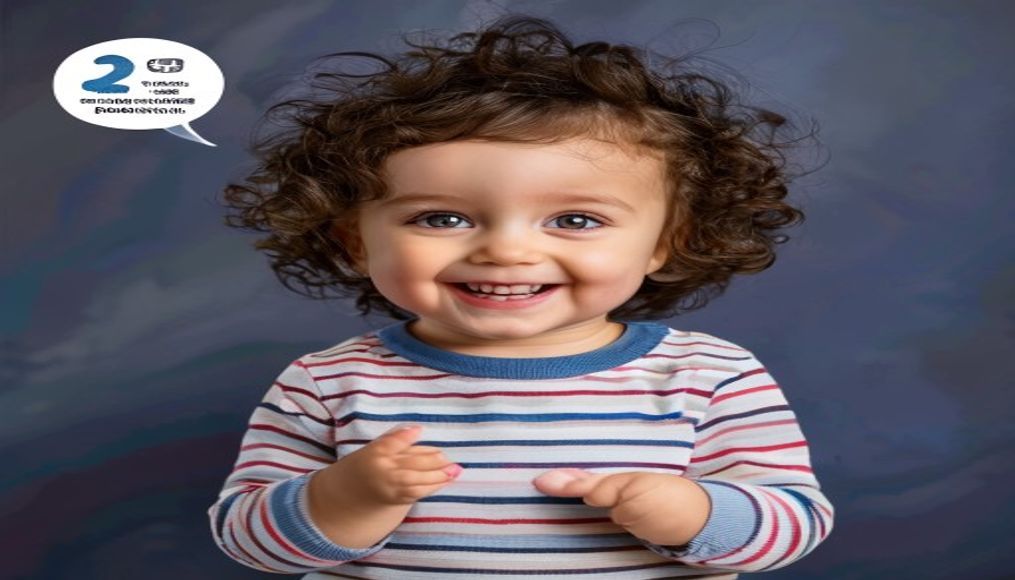

Helping children develop their hand-eye coordination is a fundamental aspect of their early growth. This skill is crucial in countless day-to-day activities, from catching a ball to mastering the art of writing. For toddlers and preschoolers, engaging in exciting and varied hand-eye coordination activities can not only boost their motor skills but also provide hours of fun. Here’s a comprehensive guide on 25 of the best activities you can try with your little ones.
Understanding Hand-Eye Coordination
Before diving into the activities, it’s essential to understand what hand-eye coordination is. This term refers to the ability to use visual input to guide hand movements. In young children, developing this skill is vital as it lays the groundwork for more complex tasks such as writing, drawing, and even sports.
Research shows that engaging in physical activities that promote hand-eye coordination can significantly influence a child’s overall development. Activities that require balance and coordination can enhance a toddler’s fine motor skills, helping them manipulate objects with greater ease and accuracy.
The Importance of Hand-Eye Coordination
Hand-eye coordination doesn’t just prepare children for sports; it’s crucial for their everyday life. Here are some reasons why this skill is so important:
- Academic Performance: Skills in writing and drawing heavily rely on hand-eye coordination. Kids who practice these skills often find it easier to participate in school activities.
- Self-Confidence: As toddlers master new skills, they gain a sense of accomplishment that boosts their self-esteem.
- Social Skills: Many games and activities require turn-taking and cooperation, encouraging social interaction and communication skills.
- Physical Health: Engaging in physical activities helps with overall health and fitness, reducing the risk of obesity and related health issues.
25 Engaging Hand-Eye Coordination Activities for Toddlers
Now, let’s explore 25 activities specifically designed to enhance hand-eye coordination in toddlers and preschoolers. These activities are not only effective but also enjoyable for children.
1. Ball Tossing
Using a soft ball, stand a few feet away from your child and have them toss the ball back to you. Start with larger balls and gradually move to smaller ones as their skills improve. This simple game can be done indoors or outdoors.
2. Bean Bag Activities
Create a bean bag toss game by setting up targets (like buckets or hoops) at varying distances. As your child tosses the bean bags, they’ll improve their aim and coordination.
3. Building Blocks
Playing with blocks—whether it’s stacking them or knocking them down—can significantly enhance fine motor skills and hand-eye coordination. Encourage your child to build towers and other structures, fostering creativity and dexterity.
4. Finger Painting
Let your child explore their creativity with finger paints. This activity is not only fun but also helps improve their control of hand movements and visual tracking as they apply colors on paper.
5. Puzzle Play
Simple jigsaw puzzles are excellent for enhancing problem-solving skills and hand-eye coordination. Start with larger pieces and progressively introduce more complex puzzles as your child’s skills develop.
6. Interactive Video Games
Some video games designed for young children require hand-eye coordination and can be played on tablets or consoles. Just ensure you limit screen time and balance it with physical activities. (See: CDC milestones for child development.)
7. Scavenger Hunts
Organize scavenger hunts where your child must find specific items. This activity encourages movement, observation skills, and coordination as they search and pick up objects.
8. Dance Parties
Dancing to music is not only fun but also a fantastic way to promote coordination. Create a mini dance party at home, allowing your child to move freely and express themselves.
9. Balloon Volleyball
Using a balloon, set up a mini volleyball game. Encourage your child to hit the balloon back and forth, helping them practice timing and movements.
10. Cup Stacking
Introduce your child to the art of cup stacking. Start with a few cups and gradually increase the number. This activity requires precision and focus.
11. Nature Crafts
Collect items from nature, like leaves and stones, for crafts. Let your child glue or arrange these items, enhancing their fine motor skills while enjoying the outdoors.
12. Water Play
Fill a container with water and offer cups, spoons, and toys to pour and transfer. Water play is great for developing coordination while being soothing and fun.
13. Clay Modeling
Using play dough or clay, encourage your child to mold shapes, animals, or any creative form. This tactile experience enhances fine motor skills and hand strength.
14. Simon Says
This classic game is fantastic for developing listening skills and coordination. Use actions that require hand movements, like clapping or touching toes, to make it more engaging.
15. Drawing Shapes
Provide your child with a variety of drawing tools and ask them to trace or draw shapes. This activity hones their motor skills while boosting creativity.
16. Sorting Games
Have various objects for your child to sort by size, color, or shape. This enhances hand-eye coordination and cognitive skills as they classify items.
17. Obstacle Courses
Set up a simple obstacle course indoors or outdoors. Incorporate jumps, crawls, and other movements to improve their body awareness and coordination.
18. Catching Bubbles
Blowing bubbles for your toddler to catch is a delightful way to improve their coordination. As they reach for and pop the bubbles, they’re developing timing and motor skills. (See: NIH on hand-eye coordination.)
19. String Beads
Provide large beads and a string for your child to thread. This activity enhances fine motor skills and requires concentration, making it both fun and beneficial.
20. Animal Walks
Encourage your child to move like different animals (like hopping like a frog or crawling like a bear). This fun game not only improves coordination but also promotes physical activity.
21. Hide and Seek
The classic game of hide and seek is a fantastic way to develop coordination and spatial awareness. Moving around while seeking enhances their physical abilities.
22. Playdough Shape Cutting
Provide cookie cutters and playdough for your child to cut shapes. This enhances dexterity as they press and cut, developing their hand strength and coordination.
23. Chasing Games
Play chase with your child, encouraging them to run, dodge, and change directions. This activity fosters coordination and agility while being a great way to expend energy.
24. Painting with Brushes
Using brushes to paint not only improves coordination but also introduces your child to different art techniques. Let them explore various colors and styles.
25. Story Time with Props
Incorporate props while reading stories. Encourage your child to act out scenes or use toys to illustrate the story, promoting both imagination and coordination.
Tips for Maximizing Hand-Eye Coordination Activities
To get the most out of these hand-eye coordination activities for toddlers, consider these additional tips:
- Consistency is Key: Regular practice is essential for skill development. Incorporate these activities into your routine for optimal results.
- Make It Fun: The more enjoyable the activity, the more likely your child will engage with it. Keep the atmosphere light and playful.
- Encourage Exploration: Allow your child to explore different methods and approaches within each activity. This fosters creativity and problem-solving.
- Be Patient: Development takes time. Celebrate small victories, and don’t rush the process.
Current Relevance of Hand-Eye Coordination Development
In the context of contemporary childhood, where screen time is predominant, the importance of actively engaging toddlers in hands-on activities cannot be overstated. Developing hand-eye coordination through physical activities is not just about skill acquisition; it’s about nurturing holistic growth. The increasing prevalence of sedentary behaviors prompts parents and caregivers to seek out engaging, physical activities that promote vital skills, thus ensuring children are not only entertained but are developing essential life skills.
As children grow, the coordination skills they develop pave the way for greater independence in their daily lives. From being able to dress themselves to mastering the art of riding a bike, the early investment in hand-eye coordination activities for toddlers creates a solid foundation for future skills and successes.
Statistics on Hand-Eye Coordination Development
Understanding the impact of hand-eye coordination on child development can be bolstered by looking at statistics. According to research from the American Academy of Pediatrics, children who are engaged in regular physical play are 40% more likely to develop better motor skills by age 5 compared to those who are less active. Furthermore, a study published in the Journal of Motor Learning found that children who participated in coordinated play activities had a 30% higher chance of excelling in academic settings, attributing this improvement to enhanced cognitive and physical skills.
Expert Perspectives on Encouraging Hand-Eye Coordination
Experts emphasize the importance of integrating various types of play into a toddler’s daily routine. Dr. Lisa Smith, a pediatric occupational therapist, states, “Play is not just a way to pass the time; it’s essential for children’s development, especially in their early years. Activities that promote hand-eye coordination help children build confidence and competence in their physical abilities.” Furthermore, child psychologist Dr. Mark Jennings explains, “The right mix of physical, social, and emotional play can lead to improved hand-eye coordination, which is vital for overall motor skills and cognitive function.” This expert insight reinforces the value of incorporating diverse activities into playtime.
Frequently Asked Questions
Why is hand-eye coordination important for toddlers?
Hand-eye coordination is crucial for toddlers as it helps them perform basic tasks like writing, drawing, and participating in sports. Developing this skill early on supports overall motor skills and cognitive development.
At what age should toddlers start practicing hand-eye coordination activities?
Children can begin practicing hand-eye coordination activities as early as 18 months. Simple games like tossing balls and stacking blocks can start benefiting toddlers at this age.
How often should I engage my toddler in these activities?
It’s beneficial to include hand-eye coordination activities in your toddler’s daily routine. Aim for at least 15-30 minutes of focused playtime each day, mixing various activities to keep it engaging.
Can screen time help improve hand-eye coordination?
While some interactive video games can enhance hand-eye coordination, it’s essential to balance screen time with physical activities. Encourage outdoor play and hands-on activities for the best development.
What are some signs that my toddler is developing good hand-eye coordination?
Signs of improving hand-eye coordination include your toddler successfully catching a ball, stacking blocks without knocking them over, and showing interest in drawing or crafting activities.
Engaging in various activities to improve hand-eye coordination in toddlers not only supports their physical development but also enhances cognitive and social skills. With these 25 activities, parents can easily promote their child’s growth through play, ensuring that learning is both fun and effective. So, gather your supplies, set aside some time, and enjoy these enriching experiences with your little ones!
Trending Now
Frequently Asked Questions
What activities can improve hand-eye coordination in toddlers?
Engaging activities such as throwing and catching balls, playing with building blocks, or using scissors for crafts can significantly enhance hand-eye coordination in toddlers. These activities not only develop motor skills but also provide fun and interactive learning experiences.
Why is hand-eye coordination important for preschoolers?
Hand-eye coordination is vital for preschoolers as it supports skills like writing, drawing, and participating in sports. It also boosts self-confidence, enhances academic performance, and fosters social interactions through cooperative games.
How can I help my child develop hand-eye coordination at home?
You can help your child develop hand-eye coordination at home by engaging them in simple activities like playing catch, using puzzles, or practicing with art supplies. Incorporating these fun exercises into daily routines can greatly benefit their motor skills.
What are some fun games for improving hand-eye coordination?
Fun games like 'Simon Says,' balloon volleyball, and tossing bean bags can effectively improve hand-eye coordination. These games encourage movement and focus while providing an enjoyable way for children to practice their skills.
At what age should children start developing hand-eye coordination?
Children typically begin developing hand-eye coordination skills as early as 12 months, with significant improvements observed by age 3. Engaging them in targeted activities from a young age can enhance their coordination and overall motor skills.
What did we miss? Let us know in the comments and join the conversation.