
“`html
Hand-eye coordination is a critical skill that impacts various aspects of our daily lives, from sports to everyday tasks. Activities that focus on improving this coordination can lead to better reflexes, enhanced performance in sports, and even superior academic outcomes. One of the most effective ways to build this essential skill is through ball skills and catching activities. Not only are these activities fun and engaging, but they also offer a multitude of benefits for individuals of all ages.
The Importance of Hand-Eye Coordination
Hand-eye coordination refers to the ability to synchronize visual input with hand movements. This skill is crucial for tasks that require precise timing and control, such as playing sports, writing, or even driving. Studies have shown that individuals with strong hand-eye coordination tend to perform better in various sports and physical activities. Moreover, this skill is integral in cognitive development, particularly in children, as it influences their ability to learn new tasks and engage in problem-solving.
In recent years, there has been a growing recognition of the importance of hand-eye coordination in youth development. According to the American Academy of Pediatrics, early engagement in coordination activities can lead to better physical fitness and overall well-being. This is particularly relevant as childhood obesity rates continue to rise, highlighting the need for effective, engaging physical activities.
How Ball Skills Contribute to Hand-Eye Coordination Activities
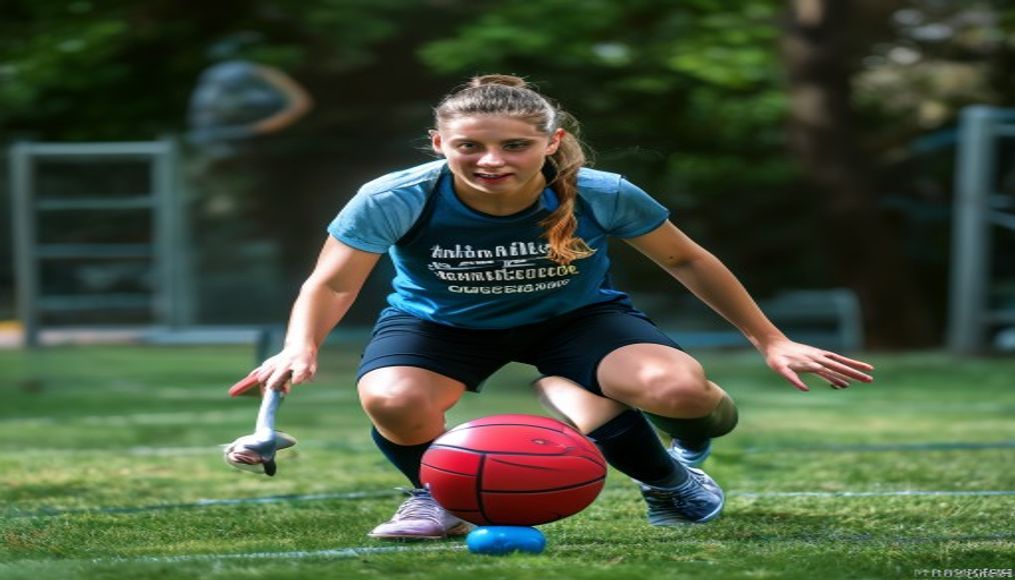
Ball skills, including throwing, catching, and dribbling, are foundational elements in developing hand-eye coordination. These activities require a combination of visual processing, timing, and fine motor skills. When children participate in ball skills activities, they learn to track moving objects, adjust their body positioning, and execute precise movements—all of which reinforce their hand-eye coordination.
Additionally, engaging in ball skills often promotes social interaction and teamwork, which can further enhance the learning experience. For example, participating in team sports not only hones physical skills but also develops communication and collaboration abilities, vital for personal and professional success. The holistic benefits of ball skills activities make them an essential focus for educators and parents alike.
Effective Hand-Eye Coordination Activities Involving Balls
There are countless activities that can help develop hand-eye coordination through ball skills. Here are a few effective options:
1. Catching Drills
Catching drills are simple yet effective in developing hand-eye coordination. Start with a soft ball or a lightweight object to make the activity less intimidating, especially for younger children. Here are a few catching drills to consider:
- Partner Toss: Have two participants stand a few feet apart and toss the ball back and forth. Gradually increase the distance as competence improves.
- Wall Bounce: Throw a ball against a wall and catch it as it rebounds. This activity helps develop timing and spatial awareness.
- Moving Target: Instead of standing still, encourage the catcher to move around to catch a ball thrown from different angles. This adds an extra layer of challenge.
2. Dribbling Exercises
Dribbling is a fundamental skill in many sports, such as basketball and soccer. It requires the player to control the ball while keeping their head up, enhancing visual focus and coordination. Here are some suggested dribbling exercises: (See: CDC on children's physical activity.)
- Basic Dribble: Practice dribbling a ball in a straight line, alternating hands (in basketball) or feet (in soccer).
- Obstacle Course: Set up cones or other obstacles and practice dribbling the ball through them. This enhances agility and coordination.
- Partner Challenge: Pair up with a partner and see who can maintain control of their dribble while trying to steal the ball from the other.
3. Throwing Games
Throwing games are essential for developing upper body strength and coordination. Here are some engaging activities:
- Target Practice: Set up targets at different heights and distances and encourage participants to throw balls at them, improving accuracy and aim.
- Relay Races: Incorporate throwing into a relay race, where participants must throw a ball to their teammate before running to the next station.
- Balloon Toss: Use balloons to practice throwing gently. This can help with accuracy and allow for more relaxed practice.
Adapting Activities for Different Age Groups
While hand-eye coordination activities can benefit everyone, it’s essential to tailor them to different age groups. Children, teenagers, and adults may all require different approaches to maximize engagement and effectiveness.
For Younger Children: Use soft balls and emphasize fun over competition. Activities should be simple and easily understandable. Focus on basic skills like catching and throwing in a low-pressure environment where mistakes are seen as a part of the learning process.
For Teenagers: Introduce more complex drills that incorporate strategy and teamwork. Engage them in sports like basketball or soccer, where the competitive aspect can motivate them to improve their skills.
For Adults: Adults can benefit from hand-eye coordination training through recreational sports, fitness classes that incorporate ball skills, or even video games that require quick reactions and coordination. Activities should challenge their skills while encouraging social interaction.
The Role of Technology in Hand-Eye Coordination Activities
In the digital age, technology has begun to play a significant role in enhancing hand-eye coordination activities. Smart devices, apps, and video games increasingly offer engaging ways to practice coordination skills. Let’s explore how technology can complement traditional methods:
1. Video Games: Research has shown that action video games can enhance hand-eye coordination due to their fast-paced nature. These games require players to react quickly and accurately, training their coordination skills in an entertaining format.
2. Mobile Apps: Various apps are designed specifically for improving coordination through fun mini-games that require catching, throwing, or balancing objects. These apps can be an engaging way to practice skills outside of a traditional setting. (See: NIH study on hand-eye coordination.)
3. Virtual Reality (VR): VR technology is also being utilized for training purposes. VR environments can simulate real-life scenarios where users must rely on their hand-eye coordination, providing an immersive experience that pushes their skills to the next level.
Current Relevance and Future Trends
In an increasingly digital world, the need for strong hand-eye coordination remains relevant. From the playground to the workplace, effective coordination is a valuable skill. As technology continues to evolve, we can expect to see new and innovative methods for enhancing these skills. Educational institutions and sports organizations are increasingly incorporating specialized training programs to develop hand-eye coordination in children and adolescents.
Moreover, there is growing recognition of the importance of physical activity in combating issues like childhood obesity. By integrating fun and engaging hand-eye coordination activities into educational and recreational programs, we can promote a healthier lifestyle for the younger generation.
As more people engage in remote work or sedentary lifestyles, the importance of maintaining physical fitness through activities that develop hand-eye coordination cannot be overstated. Incorporating these activities into daily routines can help counteract the negative effects of prolonged sitting and inactivity.
Frequently Asked Questions about Hand-Eye Coordination Activities
What are some simple hand-eye coordination activities for beginners?
For beginners, activities like balloon toss, partner catch with a soft ball, or dribbling a basketball in place are great starting points. These activities are easy to understand and can be adjusted for difficulty as skills improve.
How often should one practice hand-eye coordination activities?
It’s beneficial to incorporate hand-eye coordination activities into your routine at least 2-3 times a week. Regular practice helps reinforce skills and can lead to significant improvements over time.
Can hand-eye coordination activities be done alone?
Yes, many hand-eye coordination activities can be done solo. Dribbling, throwing against a wall, or using apps designed for coordination practice can all be effective when practicing alone.
Are there specific sports that help improve hand-eye coordination?
Absolutely! Sports like tennis, baseball, basketball, and soccer are excellent for improving hand-eye coordination. They involve catching, throwing, and tracking moving objects, which are key elements in developing this skill.
What age is best to start practicing hand-eye coordination activities?
Children can start practicing hand-eye coordination activities as early as age 3. Simple games and activities that involve catching or throwing can set the foundation for future skill development.
Can adults benefit from hand-eye coordination activities?
Definitely! Adults can improve their hand-eye coordination through various activities, including recreational sports, fitness classes, and even specialized training sessions. Engaging in these activities not only helps maintain physical fitness but also enhances cognitive skills and reaction times.
What are some common challenges when practicing hand-eye coordination activities?
Some common challenges include frustration with skill development, lack of motivation, or difficulty in finding appropriate activities for specific skill levels. It’s essential to set realistic goals and provide positive reinforcement to encourage continued practice and improvement.
Building a Community Through Hand-Eye Coordination Activities
Creating a supportive community around hand-eye coordination activities can significantly enhance motivation and participation. This can be achieved through local sports leagues, clubs, or community centers that focus on skill development. Organizing events such as tournaments or skill showcases can also foster a sense of camaraderie and encourage healthy competition. Involving families and friends in these activities can turn practice into a fun social gathering, further reinforcing the importance of physical activity and coordination skills.
Conclusion: Building a Foundation for Future Success
Building hand-eye coordination through ball skills and catching activities is not just about improving athletic performance; it’s about fostering essential life skills that contribute to overall personal development. These activities provide a fun and engaging way to enhance coordination, promote teamwork, and improve cognitive abilities. As we continue to explore new methods and technologies, the future looks bright for those looking to hone their hand-eye coordination skills.
“`
Trending Now
Frequently Asked Questions
What activities improve hand-eye coordination?
Activities such as ball skills, throwing, catching, and dribbling are effective for improving hand-eye coordination. These tasks help individuals synchronize visual input with hand movements, enhancing their reflexes and overall performance in various sports and daily activities.
Why is hand-eye coordination important?
Hand-eye coordination is crucial for tasks requiring precise timing and control, such as playing sports, writing, and driving. Strong coordination skills can lead to improved performance in sports, better academic outcomes, and enhanced cognitive development, especially in children.
How can children develop hand-eye coordination?
Children can develop hand-eye coordination through engaging in ball skills activities like throwing and catching. These activities promote visual tracking, timing, and fine motor skills, which are essential for mastering coordination and enhancing physical fitness.
What are the benefits of improving hand-eye coordination?
Improving hand-eye coordination can lead to better reflexes, enhanced sports performance, and increased academic success. Additionally, it fosters cognitive development in children, helping them learn new tasks and engage in problem-solving more effectively.
How does hand-eye coordination relate to childhood obesity?
Developing hand-eye coordination through physical activities is essential in combating childhood obesity. Engaging children in fun coordination activities promotes physical fitness and overall well-being, which are crucial in addressing rising obesity rates among youth.
Have you experienced this yourself? We’d love to hear your story in the comments.