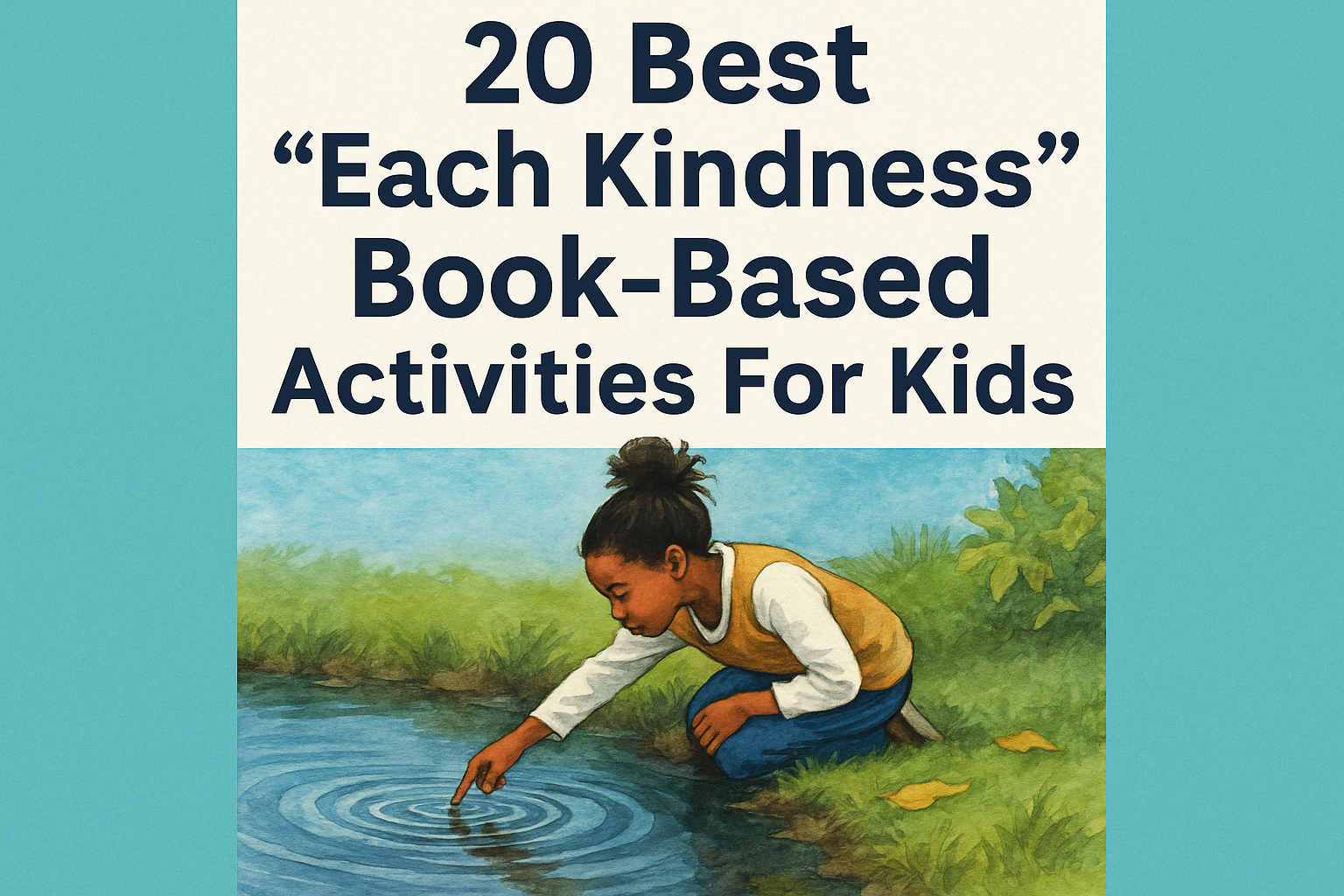

“Each Kindness” by Jacqueline Woodson is more than just a children’s book; it serves as a profound lesson in empathy, kindness, and the impact of our actions. This beautifully illustrated story captures the essence of how seemingly small gestures can shape relationships and create a ripple effect of positivity. For educators and parents looking to enhance the reading experience, incorporating book-based activities for kids can deepen understanding and encourage active participation. Here are 20 creative and enriching activities that are sure to engage young readers while promoting the core themes of the book.
1. Kindness Jar
Create a Kindness Jar as a visual reminder of the positive actions children can take. Begin by decorating a large jar with stickers, paint, or drawings. Each time a child performs an act of kindness, have them write it down on a slip of paper and add it to the jar. Over time, they can read through the slips and reflect on how their actions contribute to a kinder environment.
2. Story Mapping
Story mapping is an excellent way for kids to visualize the plot and understand character development. Use large sheets of paper or a whiteboard to create a map that outlines the main events in “Each Kindness.” Include key characters, settings, and turning points. This activity helps children grasp the story’s sequence and encourages them to discuss the consequences of the characters’ actions.
3. Kindness Role-Play
Role-playing scenarios from the book can help kids internalize its messages. Set up situations that reflect the challenges and choices made by the characters—like including someone who feels left out. Kids can act out these scenes, discussing what kindness looks like in different contexts. This not only aids comprehension but also builds empathy and social skills.
4. Illustrated Kindness Cards
Encourage children to create their own kindness cards. These can be handmade cards featuring messages or drawings that express kindness and friendship. Kids can give these cards to classmates, family members, or friends who could use a little encouragement. This activity connects them to the book’s theme while allowing for personal expression.
5. Kindness Tree
Transform a bulletin board or wall into a Kindness Tree. Use cut-out leaves or paper hands where children can write their names and an act of kindness they committed that week. As the tree fills up, it becomes a visual representation of the kindness thriving in the class or home. This activity also fosters a sense of community among children.
6. Discussing Feelings
Utilize the story to prompt discussions about feelings and emotions. After reading, ask children how different characters might be feeling at various points in the story. What might they do differently? This encourages emotional intelligence and allows kids to explore their feelings in a safe space. Use a feelings chart to help facilitate this discussion.
7. Kindness Diary
Introduce a Kindness Diary where children can record their thoughts, reflections, and acts of kindness they witness or perform. This journal can be a private space for them to express themselves and consider the impact of their actions over time. It serves as a powerful tool for self-reflection and can be revisited to remind them of their growth.
8. Art Projects
Art can serve as a powerful medium for expression. Have kids create art projects inspired by “Each Kindness.” They can draw or paint scenes from the book or create abstract representations of kindness. Organize an art show where children can present their work to peers and family, fostering pride in their artistic expressions and understanding of the book’s themes. (See: CDC on the importance of kindness.)
9. Group Discussions
Facilitate group discussions after reading sessions, encouraging children to share their thoughts and insights. Ask open-ended questions about the characters’ decisions and the outcomes of their actions. This not only enhances comprehension but also teaches kids the value of listening to diverse perspectives.
10. Kindness Challenge
Launch a Kindness Challenge where children are encouraged to perform a specific number of kind acts within a week. They can share their experiences in a group setting afterward, discussing the different ways they chose to spread kindness. This fosters a proactive approach to kindness and reinforces the book’s messages in real life.
11. Community Service Projects
Extend the lessons of “Each Kindness” to the community by organizing a service project. This could include activities like a neighborhood clean-up, a food drive, or volunteering at a local shelter. Engaging in community service helps children see the broader impact of kindness and reinforces the idea that their actions can contribute positively to society.
12. Character Analysis
Encourage kids to delve deeper into character analysis by creating character profiles for the main figures in the story. Have them discuss each character’s motivations, challenges, and growth throughout the book. This activity helps children think critically and understand the complexities of human behavior.
13. Kindness Collage
Gather magazines, newspapers, and craft supplies for a kindness collage project. Children can cut out words, images, and phrases that represent kindness and friendship, then arrange them creatively on a poster board. This visual creation serves as a constant reminder of the importance of kindness in their lives.
14. Compare and Contrast
After reading “Each Kindness,” compare it with another children’s book that has similar themes, such as “Have You Filled a Bucket Today?” by Carol McCloud. Discuss the similarities and differences in the messages conveyed. This comparison helps children articulate their thoughts and enhances critical thinking skills.
15. Creating a Kindness Playlist
Music can be a powerful motivator. Have children create a playlist of songs that inspire feelings of kindness and compassion. They can select songs that resonate with them and write short reflections on why they chose each song. This encourages them to think about how music can influence emotions and actions.
16. Digital Storytelling
Introduce digital storytelling using apps or software where kids can create their own versions of “Each Kindness” or stories inspired by its messages. This allows for creativity, technology integration, and storytelling skills development. Sharing their digital stories with peers can foster collaboration and enhance their communication skills.
17. Kindness Quotes
Compile a list of quotes about kindness and compassion, including those from the book. Have children choose their favorites and create personalized posters or presentations to share with others. This reinforces the messages from “Each Kindness” while allowing children to express their interpretation of kindness.
18. Bake for Kindness
Organize a baking session where children can prepare treats or meals to share with others. This could involve baking cookies for neighbors, making sandwiches for a local shelter, or preparing snacks for a community event. Cooking together fosters teamwork and provides tangible ways to spread kindness through food. (See: Harvard University on social-emotional learning.)
19. Reflection Circle
Hold a reflection circle where children can sit together and share what they learned from the book and the activities that followed. Encourage them to discuss how they can apply kindness in their daily lives. This provides an opportunity for bonding and reinforces the lessons learned.
20. Creating a Kindness Pledge
Finally, have children create a Kindness Pledge, outlining specific actions they promise to take to spread kindness. They can decorate and sign this pledge, which can be displayed in the classroom or at home. This personal commitment serves as an ongoing reminder of their dedication to fostering a kinder world.
Additional Activities to Explore
These activities are not only fun but also reinforce the important lessons of “Each Kindness.” Here are a few more ideas that can complement your engagement with the story:
21. Kindness Scavenger Hunt
Organize a scavenger hunt where children search for items or complete tasks related to kindness. Create a list of challenges like “find something that represents friendship” or “perform a random act of kindness for someone.” This interactive activity encourages teamwork and promotes kindness in a playful manner.
22. Kindness Bingo
Design a bingo card filled with various acts of kindness—like helping a classmate, complimenting someone, or sharing toys. As children complete these acts, they mark them off on their bingo card. Offer small prizes for completed rows or the full card, making kindness a fun and competitive activity.
23. Interview a Kindness Hero
Invite children to interview someone they consider a “kindness hero” in their life—be it a parent, teacher, or community leader. They can prepare questions about how this person practices kindness and the impact it has on others. This gives kids a first-hand perspective on the real-world application of kindness.
24. Kindness Reflection Journal
In addition to the Kindness Diary, introduce a reflection journal where children can document times they’ve felt kindness or have been kind to others. Encourage them to reflect on how these actions made them feel and how they can continue to promote kindness in their lives.
Statistics on Kindness Among Children
Understanding the impact of kindness can motivate children to engage in these activities even more. Studies show that children who practice kindness experience increased happiness and self-esteem. According to research published by the University of California, performing acts of kindness has been linked to improved mood and a sense of connection to others. In fact, children who engage in kind acts are 20% more likely to express positive feelings about themselves. Highlighting these statistics during discussions can serve as an inspiring reminder of the importance of their actions.
Expert Perspectives on Kindness Education
Experts in child psychology emphasize the role of kindness education in childhood development. Dr. Michele Borba, an educational psychologist and author, believes that teaching kindness can significantly enhance children’s social-emotional skills. Her research indicates that children who learn empathy and kindness tend to have better relationships with peers and adults. Encouraging activities like those inspired by “Each Kindness” aligns with these findings, fostering a more compassionate generation.
Frequently Asked Questions
What age group is “Each Kindness” appropriate for?
“Each Kindness” is suitable for children aged 4 to 8, making it a popular choice for preschool and early elementary school settings. The themes of empathy and acceptance resonate with young readers, providing them with valuable life lessons.
How can I incorporate these activities into a classroom setting?
Many of these activities can be easily adapted for classroom use. Consider organizing activities in small groups to encourage collaboration. You can also tie them into larger themes of social-emotional learning to create a more comprehensive educational experience.
Are there any specific materials needed for these activities?
Most activities require basic materials like paper, markers, and craft supplies. Others might need more specific items, such as a jar for the Kindness Jar activity or baking ingredients for the Bake for Kindness project. Ensure to plan ahead and gather necessary materials to maximize engagement.
How can parents continue the kindness theme at home?
Parents can reinforce the lessons of “Each Kindness” by modeling kind behavior and discussing the importance of empathy. Implementing similar activities at home, like keeping a Kindness Diary or engaging in community service, will help children internalize these values in their everyday lives.
Incorporating these book-based activities for kids not only enhances their reading experience but also instills essential life skills. Jacqueline Woodson’s “Each Kindness” serves as an excellent catalyst for discussions about empathy, acceptance, and the significance of small acts of kindness. By engaging with the story through creative and interactive activities, children can better understand and embrace the values it promotes, ultimately leading to a more compassionate future.
Trending Now
Frequently Asked Questions
What are some activities related to the book 'Each Kindness'?
Some engaging activities include creating a Kindness Jar, story mapping to visualize the plot, role-playing scenarios from the book, and making illustrated kindness cards. These activities promote understanding of empathy and kindness, enhancing the reading experience for children.
How can 'Each Kindness' teach kids about empathy?
'Each Kindness' illustrates the impact of our actions on others, making it a powerful tool for teaching empathy. Activities like role-playing and discussions about character choices help children internalize the themes of kindness and the importance of inclusive behavior.
What is the main theme of 'Each Kindness' by Jacqueline Woodson?
The main theme of 'Each Kindness' revolves around empathy and the significance of small acts of kindness. The story emphasizes how our actions can influence others and create a ripple effect of positivity in relationships.
What age group is suitable for reading 'Each Kindness'?
'Each Kindness' is suitable for children aged 5 to 10 years. Its relatable themes and beautiful illustrations make it an excellent choice for early readers and can be effectively used in educational settings to discuss kindness.
How can teachers incorporate 'Each Kindness' into their curriculum?
Teachers can incorporate 'Each Kindness' into their curriculum by using book-based activities such as kindness role-plays, story mapping, and creating kindness jars. These activities encourage discussion, reflection, and deeper understanding of the book's themes.
Have you experienced this yourself? We’d love to hear your story in the comments.