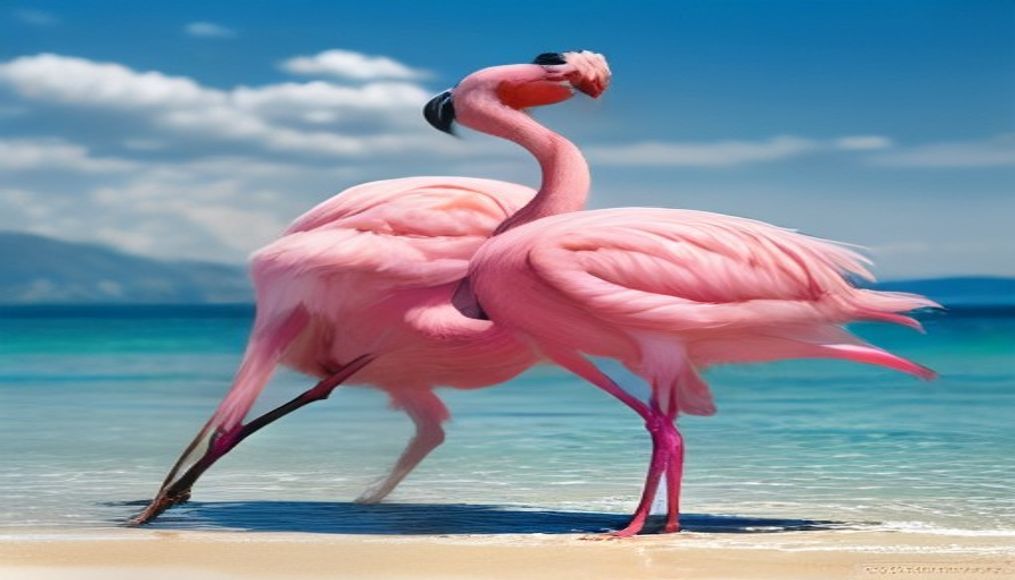

Albania, with its stunning Adriatic and Ionian coastlines, rugged mountains, and ancient historical sites, has been quietly emerging as a coveted European travel destination. For years, it’s been the darling of intrepid travelers seeking authenticity, untamed nature, and a glimpse into a culture rich with history, often at a fraction of the cost of its more famous neighbors. But this very allure, this raw, unspoiled beauty, now finds itself at a crossroads. A massive, high-profile luxury development proposal, spearheaded by Jared Kushner’s investment firm, Affinity Partners, has ignited a fierce debate and sparked what’s being dubbed the ‘Flamingo Revolution.’ This isn’t just about a resort; it’s a profound clash over the soul of Albanian tourism, pitting rapid, large-scale development against the principles of sustainable tourism in Albania.
The proposed $1.4 billion project, targeting two incredibly sensitive and significant areas – Sazan Island and a stretch near the Vjosa-Narta Protected Landscape – has galvanized environmental activists, local communities, and even the Albanian diaspora abroad. They argue, with considerable passion and evidence, that such developments threaten not only pristine natural habitats, including a vital flamingo breeding ground, but also the very fabric of local life and the long-term viability of responsible tourism. This controversy isn’t just a local spat; it’s captured international attention, drawing warnings from the European Commission and forcing a global conversation about who benefits from tourism and at what cost. Can Albania truly embrace the global tourism stage without sacrificing the very assets that make it so unique and appealing? That’s the burning question at the heart of the Flamingo Revolution. There’s a fuller look at business cost reduction tips.
The Unfolding Drama: A Tale of Two Landscapes and a Controversial Deal
At the core of the ‘Flamingo Revolution’ are two distinct yet equally precious locations that have become symbols of Albania’s natural heritage. First, there’s Sazan Island, a former military base with an almost mythical quality. It’s rugged, largely untouched, and boasts incredible biodiversity, both terrestrial and marine. Imagine, if you will, an island that for decades was off-limits, preserving a unique ecosystem, now being eyed for high-end resorts. The very idea sends shivers down the spines of conservationists. Then, there’s the area near the Vjosa-Narta Protected Landscape. This isn’t just any patch of land; it’s a Ramsar site, an internationally recognized wetland of immense ecological importance, particularly for migratory birds. And yes, you guessed it, it’s home to a thriving flamingo population – a vibrant, pink testament to the health of this delicate ecosystem. These aren’t just pretty birds; they are indicators of environmental well-being, and their presence underscores the unique value of this region.
The proposed development, backed by Kushner’s Affinity Partners, envisions luxury resorts across these sensitive areas. While proponents tout economic benefits – jobs, investment, and a boost to Albania’s global profile – critics argue the long-term environmental and social costs would far outweigh any short-term gains. This isn’t just NIMBYism; it’s a fundamental disagreement about development priorities. The concern isn’t just about concrete pouring over wetlands, but about the precedent it sets, the potential for land privatization on a grand scale, and the implications of foreign influence on national assets. The sheer scale of the $1.4 billion project, coupled with the involvement of such a high-profile international figure, has amplified the stakes, turning what might have been a local planning dispute into a global flashpoint for sustainable tourism in Albania.
The Flamingo Revolution Takes Flight: Diaspora Mobilizes for Change
The resistance to these developments isn’t confined to local environmental groups; it’s a broad, multi-faceted movement that has captured the imagination and passion of the Albanian diaspora, particularly those in Italy. They’re calling it the ‘Flamingo Revolution,’ and it’s a powerful, evocative name that immediately conjures images of vibrant life threatened by encroaching development. The symbolism of the flamingo – elegant, fragile, and deeply connected to its habitat – resonates profoundly with the struggle to protect Albania’s natural beauty. (See: Albania's history and geography.)
One of the most ambitious and visible expressions of this movement is a planned flotilla. On August 20, 2026, activists from the Italian-Albanian community and other sympathetic groups intend to sail from Italy to Albania, converging on the protest sites. This isn’t just a symbolic gesture; it’s a powerful statement of solidarity, a physical manifestation of a community rallying to protect its homeland. Imagine dozens of boats, sails unfurled, carrying messages of conservation and defiance across the Adriatic. It’s a logistical challenge, certainly, but more importantly, it’s a deeply emotional and politically charged act designed to draw maximum international attention. This flotilla isn’t just about making noise; it’s about putting bodies on the water, literally, to stand in the way of what they perceive as destructive development. It underscores a powerful idea: that the right to a healthy environment, and the right to choose a path of sustainable tourism in Albania, belongs to everyone, including those who have left but still hold their homeland dear.
The Deep Roots of Diaspora Engagement
The involvement of the Albanian diaspora, particularly from Italy, isn’t accidental or superficial. There are deep historical and cultural ties that bind these communities. Many Albanians migrated to Italy over the decades, creating strong networks and maintaining close connections to their homeland. For them, this isn’t just an abstract environmental issue; it’s about their heritage, their family’s land, and the future of a country they still consider home. Their participation adds a significant layer of moral authority and emotional weight to the protests. They bring not just numbers, but also international connections, organizational skills, and a global perspective that can help amplify the message beyond Albania’s borders. This isn’t just a local skirmish; it’s a matter of national pride and identity, resonating with a global community of Albanians who refuse to stand by silently as their country’s natural treasures face potential degradation.
The EU’s Stance: A Warning Shot for Albania’s Accession Hopes
The controversy surrounding the Sazan Island and Vjosa-Narta developments has escalated beyond local protests and diaspora activism; it’s now directly impacting Albania’s aspirations for European Union membership. The European Commission has issued a clear warning: proceeding with these projects in their current form could jeopardize Albania’s EU accession commitments. This is not a minor detail; it’s a significant diplomatic and political blow. EU membership is a long-standing strategic goal for Albania, promising economic stability, stronger democratic institutions, and closer integration with Europe. To have this ambition threatened by environmental concerns underscores the seriousness of the situation.
The EU places a high premium on environmental protection, rule of law, and transparent governance – all areas where this project raises red flags. Building luxury resorts in protected areas, potentially bypassing robust environmental impact assessments or land-use regulations, would be a direct contravention of the standards expected of an aspiring member state. The Commission’s warning serves as a powerful reminder that economic development cannot come at any cost, especially when it infringes upon internationally recognized environmental safeguards. For Albania’s government, this creates a difficult dilemma: push forward with a high-profile, potentially lucrative investment, or uphold environmental commitments crucial for its European future. The decision will undoubtedly shape the trajectory of sustainable tourism in Albania for decades to come.
The Battle for Albania’s Future: Economic Boom vs. Ecological Balance
This entire saga boils down to a fundamental conflict that many developing nations face: the tension between rapid economic development and long-term ecological sustainability. On one side, proponents of the luxury developments argue passionately for the immediate economic benefits. They envision an influx of foreign investment, the creation of thousands of jobs in construction and hospitality, and a significant boost to the national GDP. For a country like Albania, which is still developing its economy, these promises can be incredibly compelling. The idea of transforming former military zones or underutilized coastal areas into world-class tourist destinations, attracting high-spending visitors, holds a powerful appeal for those focused on economic growth and modernization. They see a chance to put Albania firmly on the map as a luxury travel destination, competing with the likes of Greece and Croatia. (See: sustainable tourism principles.)
However, the other side of the argument, championed by environmentalists and local communities, emphasizes the invaluable, often irreplaceable, assets that are at risk. They point to the long-term costs of environmental degradation: the loss of biodiversity, the destruction of natural habitats, and the irreversible alteration of landscapes that draw tourists in the first place. What good is a luxury resort if the pristine beaches are polluted, the unique wildlife is gone, and the local culture is overshadowed by massive, generic developments? They argue that true prosperity lies not just in immediate financial gains, but in preserving the natural capital that forms the foundation of a truly sustainable tourism in Albania. This approach focuses on smaller-scale, locally-owned initiatives that respect the environment and empower communities, ensuring that the benefits of tourism are distributed more equitably and last for generations.
Redefining ‘Development’ for the 21st Century
The debate forces us to reconsider what ‘development’ truly means in the 21st century. Is it solely about GDP growth and foreign investment, or does it encompass a broader vision of well-being, including environmental health, cultural preservation, and social equity? The ‘Flamingo Revolution’ suggests that for many Albanians, and indeed for a growing number of travelers globally, the latter definition is gaining traction. They believe that Albania’s true wealth lies in its unspoiled nature, its authentic culture, and its potential to offer unique, responsible travel experiences. This isn’t just an economic choice; it’s a philosophical one about the kind of future Albania wants to build for itself.
Charting a Sustainable Course: The Future of Tourism in Albania
So, what does a truly sustainable path look like for Albania? It means moving beyond the ‘build it big and they will come’ mentality and embracing a more thoughtful, nuanced approach to tourism development. It’s about recognizing that Albania’s competitive advantage lies precisely in its authenticity, its untouched natural beauty, and its rich cultural heritage – not in becoming another generic luxury resort destination.
Imagine, for a moment, a future where the Vjosa-Narta wetlands remain a sanctuary for flamingos and countless other species, attracting birdwatchers and nature photographers from around the globe. Picture Sazan Island, not as a private playground for the ultra-rich, but as a carefully managed national park, offering guided eco-tours, historical explorations, and opportunities for scientific research. This isn’t just idealism; it’s a proven model for sustainable tourism in Albania that generates revenue while preserving the very assets that make it valuable. (See: impact of development on ecosystems.)
This approach would prioritize local businesses, ensuring that tourism dollars directly benefit Albanian families and communities. It would involve investing in infrastructure that supports eco-friendly activities – think hiking and biking trails, small-scale guesthouses, and culinary experiences that celebrate local produce. It would also mean rigorous enforcement of environmental regulations, transparent land-use planning, and meaningful community consultation at every stage of development. The goal isn’t to stop tourism, but to shape it in a way that respects the environment, empowers local people, and offers visitors a genuinely enriching and responsible experience. Albania has an incredible opportunity to become a global leader in sustainable tourism, setting an example for other nations grappling with similar pressures. The choice is clear: either protect its unique treasures for long-term prosperity, or risk sacrificing them for fleeting, unsustainable gains.
Your Role as a Traveler: Supporting Responsible Choices
For those of us who love to travel, particularly to emerging destinations like Albania, our choices hold immense power. Every dollar we spend, every tour operator we choose, every accommodation we book, sends a message. If you’re planning a trip to Albania, or if you’re simply inspired by its beauty and the fight to protect it, consider how you can be part of the solution rather than inadvertently contributing to the problem. Seek out locally owned guesthouses, particularly in rural or less-developed areas. Support tour operators who explicitly state their commitment to environmental protection and community benefit. Look for certifications or initiatives that promote sustainable practices.
Engage with local communities, learn about their culture, and respect their traditions. Choose experiences that allow you to connect with Albania’s natural landscapes in a low-impact way – hiking, kayaking, birdwatching, or cycling, rather than large-scale, environmentally intensive activities. Ask questions about where your money goes and what impact your visit has. By consciously choosing responsible options, you’re not just having a better trip; you’re actively supporting the vision of sustainable tourism in Albania that the ‘Flamingo Revolution’ is fighting for. You’re helping to ensure that Albania’s breathtaking beauty and unique culture remain intact for future generations of travelers and, more importantly, for the Albanian people themselves. Your choices truly can make a difference in this vital global conversation about development and preservation.
Trending Now
- this guide on current trends in project-based learning: interdisciplinary approaches
- The Ozempic Puzzle: 7 Critical Strategies…
- our breakdown of this one side effect of ozempic could devastate your smile
- our breakdown of shocking ozempic side effects: the dental decay & muscle meltdown nobody’s talking about
- The AI Music Copyright Battle Just…
Frequently Asked Questions
What is the Flamingo Revolution in Albania?
The Flamingo Revolution refers to the fierce debate surrounding a $1.4 billion luxury development project in Albania proposed by Jared Kushner's Affinity Partners. It highlights the conflict between large-scale tourism development and sustainable practices, particularly concerning the protection of vital natural habitats for flamingos and the preservation of local culture.
How will the luxury development impact Albania's environment?
The proposed luxury development threatens sensitive areas, including Sazan Island and the Vjosa-Narta Protected Landscape. Environmental activists warn that it could harm vital ecosystems, disrupt local wildlife, and undermine the natural beauty that attracts tourists, ultimately affecting the long-term viability of sustainable tourism in Albania.
Why is Sazan Island significant to Albanian tourism?
Sazan Island is significant due to its pristine natural environment and unique biodiversity, making it a critical area for tourism. The proposed development poses risks to its ecological integrity, which could detract from Albania's appeal as a destination for eco-conscious travelers seeking authentic experiences.
What are the concerns of local communities regarding the development?
Local communities are concerned that the luxury development will disrupt their way of life, threaten environmental resources, and prioritize profit over sustainable tourism practices. They argue that such projects could lead to the degradation of cultural heritage and the loss of the very qualities that make Albania an attractive destination.
What has been the international response to the proposed project in Albania?
The international response has been one of concern, with warnings issued by the European Commission and environmental groups. The controversy has sparked a global conversation about the implications of mass tourism and the need to balance economic development with environmental and cultural preservation in Albania.
Agree or disagree? Drop a comment and tell us what you think.