Project-based learning (PBL) has been gaining momentum in educational circles for its ability to engage students in real-world problem-solving and foster critical thinking skills. As we move further into the 21st century, one of the most prominent trends in PBL is the emphasis on interdisciplinary approaches. This article explores how educators are breaking down traditional subject barriers to create more holistic and relevant learning experiences.
The Rise of Interdisciplinary PBL This builds on AI team insights.
Interdisciplinary project-based learning involves integrating knowledge and methodologies from multiple academic disciplines to solve complex problems or explore multifaceted issues. This approach reflects the interconnected nature of real-world challenges and prepares students for the increasingly collaborative and cross-functional work environments they will encounter in their future careers.
Benefits of Interdisciplinary PBL
- Enhanced Critical Thinking: By examining issues from multiple perspectives, students develop more nuanced and comprehensive problem-solving skills.
- Improved Creativity: The combination of diverse disciplines often leads to innovative solutions and ideas.
- Increased Engagement: Students find interdisciplinary projects more relevant and engaging as they mirror real-world complexity.
- Better Preparation for Future Careers: Many modern professions require the ability to synthesize knowledge from various fields.
Implementing Interdisciplinary PBL
Educators are finding creative ways to implement interdisciplinary PBL in their classrooms:
- Thematic Units
Schools are designing thematic units that naturally incorporate multiple subjects. For example, a project on climate change might involve:
- Science: Studying the greenhouse effect and carbon cycle
- Mathematics: Analyzing climate data and creating predictive models
- Social Studies: Examining the economic and political aspects of climate policy
- Language Arts: Writing persuasive essays or creating informative media about climate action
- Collaborative Teaching
Teachers from different subject areas are collaborating to design and facilitate interdisciplinary projects. This approach allows each educator to bring their expertise to the table while modeling collaborative problem-solving for students.
- Community Partnerships
Schools are partnering with local businesses, non-profits, and government agencies to create projects that address real community needs. These partnerships often naturally require an interdisciplinary approach and provide students with authentic learning experiences.
Challenges and Solutions
While interdisciplinary PBL offers numerous benefits, it also presents challenges:
- Time Constraints: Coordinating across disciplines and designing integrated projects can be time-consuming. Schools are addressing this by providing dedicated planning time for teachers and adopting more flexible scheduling models.
- Assessment Complexity: Evaluating student performance across multiple disciplines can be challenging. Educators are developing new assessment tools, such as rubrics that incorporate standards from various subjects and portfolios that showcase interdisciplinary skills.
- Teacher Training: Many teachers are trained in single-subject specialties. To address this, schools and districts are investing in professional development focused on interdisciplinary teaching methods and project design.
The Future of Interdisciplinary PBL
As the world becomes increasingly interconnected, the trend towards interdisciplinary PBL is likely to continue growing. Educators and researchers are exploring new ways to break down subject silos and create more integrated learning experiences. Some emerging areas of focus include:
- Global Collaboration Projects: Connecting students from different countries to work on shared projects, combining language learning with other subject areas.
- Arts Integration: Incorporating visual and performing arts into STEM projects to foster creativity and design thinking.
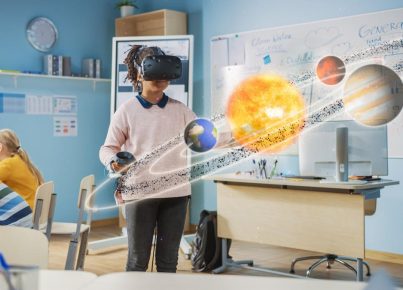
- Emerging Technology Integration: Using virtual and augmented reality to create immersive, cross-disciplinary learning experiences.
Conclusion
Interdisciplinary approaches in project-based learning represent a significant shift in how we conceptualize education. By mirroring the complexity of real-world problems and fostering connections between different areas of knowledge, this trend is preparing students to be more adaptable, creative, and effective problem-solvers. As educators continue to refine their approaches and overcome challenges, interdisciplinary PBL is poised to play an increasingly central role in shaping the future of education.