
Introduction:
As a teacher, it’s essential to have all the necessary materials at hand to enhance learning experiences. However, it’s easy to become overwhelmed by the sheer number of supplies filling up your classroom. Clutter can negatively affect both your mental well-being and your students’ focus. In this article, we’ll explore effective strategies for clearing the clutter and achieving a tidy, well-organized classroom.
1. Categorize and prioritize:
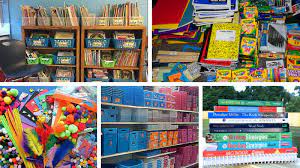
Start by sorting your supplies into categories such as stationery, art materials, books, electronics, and teaching aids. Carefully review each item and decide which are essential for your daily activities, which can be stored away for occasional use, and which are redundant or no longer needed.
2. Set up designated storage areas:
Once you’ve categorized your items, assign a specific location in the classroom for each category. Use labeled containers, shelves, or cupboards to keep similar items together. Make sure that essential items are easily accessible when needed while those used less frequently are safely stored out of sight.
3. Optimize wall space:
Maximize vertical space by using wall-mounted shelves or pegboards to store teaching aids and other materials. This will free up counter space and make the room feel more spacious.
4. Declutter surfaces daily:
Take a few minutes at the end of each day to clear away any supplies that have accumulated on desks or countertops throughout the day. This simple habit can go a long way in maintaining a clutter-free environment.
5. Encourage student responsibility:
Teach your students routines for organizing their own personal belongings as well as shared resources like textbooks or art supplies after use. Explain why it’s important to maintain a tidy workspace and role-model behavior by keeping your own teaching area neat.
6. Regularly assess and update inventory:
At least once a term, review your classroom storage and inventory. Remove any broken, outdated, or irrelevant materials to ensure your classroom remains streamlined and functional. This is also an opportunity to replenish supplies as needed.
7. Use digital resources:
When possible, embrace digital tools that can replace physical resources such as textbooks, worksheets, and lesson plan binders. Not only will this reduce clutter in the classroom, but it can also provide more engaging experiences for students and expand the range of available resources.
Conclusion:
Maintaining a tidy and organized classroom is important not just for appearance’s sake but also for promoting a focused and productive learning environment. By decluttering your teaching supplies and implementing ongoing organization strategies, you’ll be well on your way to cultivating a clutter-free classroom where both you and your students can thrive.