
In recent years, flipped teaching has emerged as a strategic approach to enhance students’ learning experiences. With this model, teachers utilize technology to reverse the traditional roles of lectures and homework. By providing educational content for students to access at home, educators can focus on interactive and applied learning experiences during class time.
While flipped teaching has been readily adopted by many high schools and universities, educators have begun investigating how this method can benefit younger grades. This article explores the potential of flipped teaching in elementary schools and how teachers can adapt the method to work with younger students.
Adjusting Flipped Teaching for Younger Grades
Flipped teaching typically relies on video lectures for students to review off-campus; however, adapting the methodology for younger children requires creativity. Elementary school teachers can introduce flipped teaching through various platforms:
1. Audio recordings: Teachers can record sample lessons or read stories for students to listen at home. This technique helps young learners practice their listening skills and absorb new information.
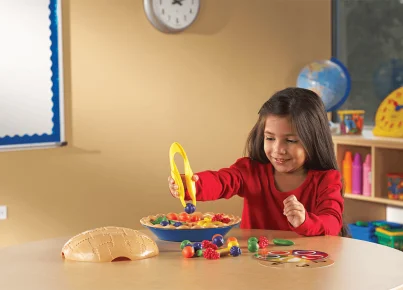
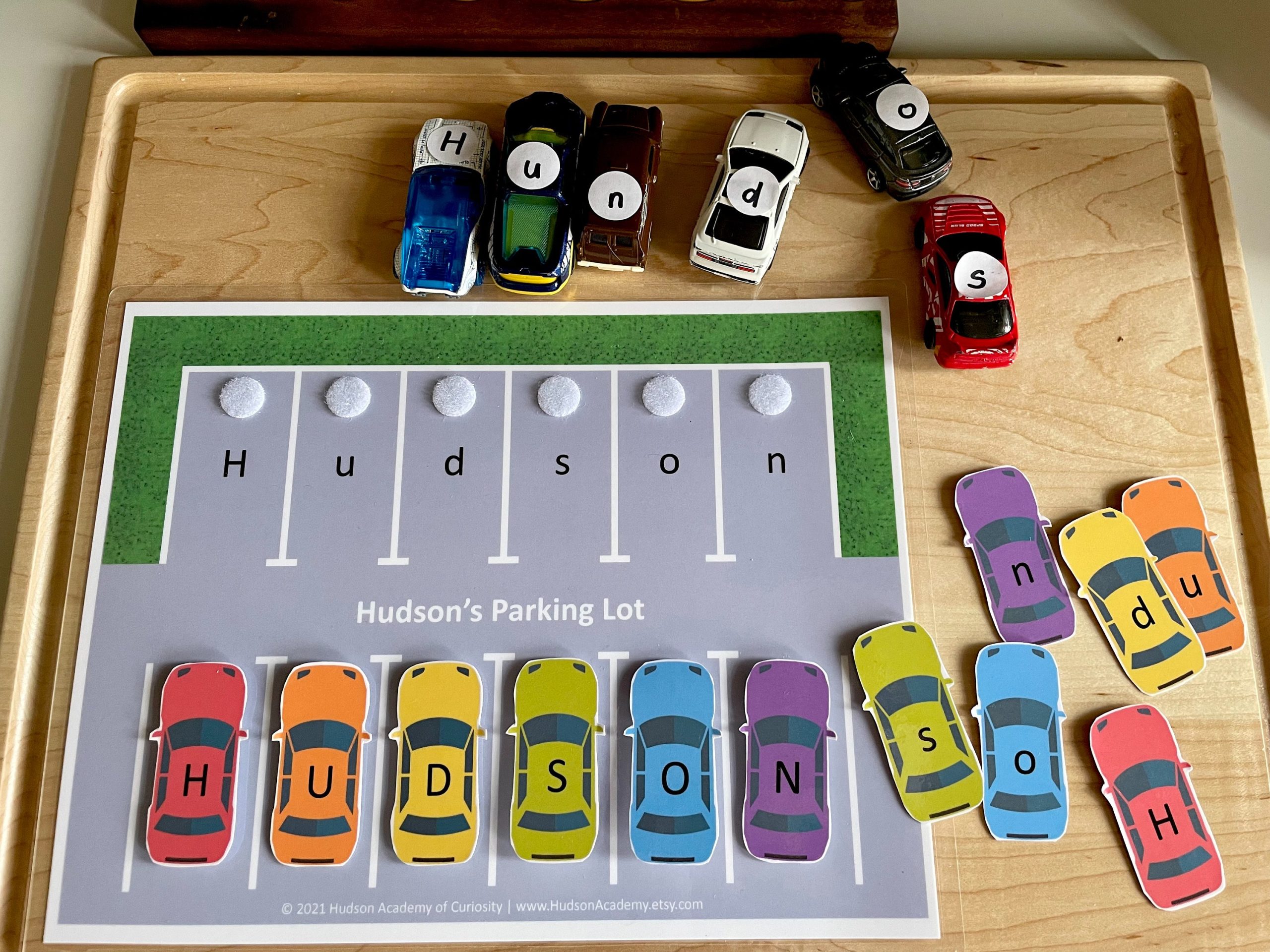
2. Interactive games and activities: Using online resources, teachers can provide engaging educational games that reinforce specific subjects. For example, younger students can play games related to counting or phonics.
3. Short videos: Teachers should create concise videos illustrating certain concepts or lessons on age-appropriate topics. Shorter content helps maintain young children’s attention spans and encourages them to engage with the material actively.
Providing Support at Home
To maximize the benefits of flipped teaching in younger grades, parents and guardians play a crucial role in facilitating their child’s learning process. Educators should provide clear instructions and routinely communicate with parents about their child’s progress.
Additionally, offering accessible resources for families without technology access is vital in implementing successful flipped teaching strategies for all students in the classroom.
Benefits of Flipped Teaching in Elementary Schools
By incorporating flipped teaching methods within younger classrooms, several advantages arise:
1. Enhanced individual learning: The flexible format of flipped teaching allows students to learn at their own pace, catering to diverse learning styles.
2. Increased communication between home and school: Flipped teaching establishes a consistent connection between parents and teachers, leading to more informed relationships and a better understanding of children’s learning needs.
3. Active learning experiences: With core content delivered through off-campus platforms, students can engage in classroom projects, group discussions, and interactive activities that foster deep learning.
4. Greater teacher-student interaction: Freeing up class time enables educators to provide one-on-one support for students who may be struggling with specific concepts.
Flipping the younger grades’ classrooms can benefit both students and teachers by complementing traditional teaching methods with this innovative approach. By tailoring flipped learning techniques for the younger audience and collaborating with parents, educators in elementary schools can create a more engaging and inclusive educational experience for all. With patience, persistence and creativity, the flipped classroom model can become an integral part of early education.